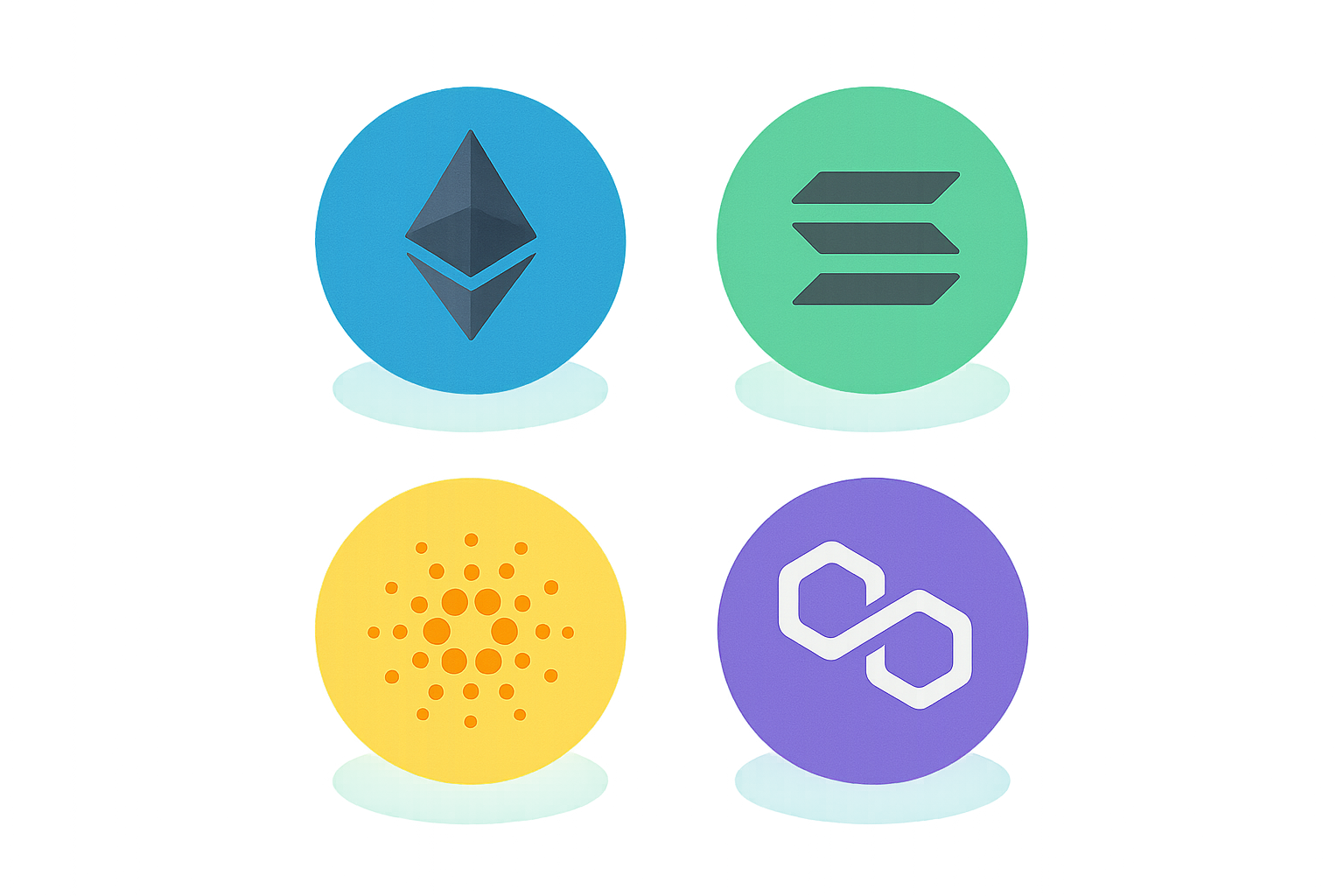
This comprehensive guide explores crypto staking—the process of locking digital assets to earn rewards while supporting blockchain networks. Learn how staking works on decentralized exchanges like Gate, comparing custodial CEX platforms, non-custodial DEX options, and innovative liquid staking protocols. Discover top stakeable cryptocurrencies including Ethereum, Solana, Cardano, and Polygon, with detailed APY comparisons and lock-up periods. Follow our step-by-step guide to stake crypto via DEX, from wallet connection to reward monitoring, while understanding how APY calculations work. Understand critical risks including slashing penalties, price volatility, and smart contract vulnerabilities, plus essential safety strategies to protect your staked assets. This guide equips both beginners and experienced investors with actionable knowledge to maximize passive income through strategic crypto staking.
What Does It Mean to Stake Crypto?
Staking is the process of locking up your crypto assets to support a blockchain network and earn rewards in the form of more crypto. Unlike simply holding tokens in a wallet, staking allows you to participate in network security, transaction validation, and governance — all while earning passive income. Learning how to stake crypto brings you into the heart of modern blockchain systems like Ethereum, Solana, and Cardano.
This innovative approach transforms passive cryptocurrency holdings into active participants in blockchain ecosystems. By staking, you're not only potentially increasing your asset value through rewards but also contributing to the decentralization and security of the networks you believe in. The process has gained significant traction in recent years as more blockchain networks adopt proof-of-stake mechanisms, making it accessible to a broader range of cryptocurrency holders.
Proof-of-Stake Explained
Blockchains use different mechanisms to validate transactions. The most common for staking is Proof-of-Stake (PoS), where holders commit ("stake") their crypto as collateral. In return, they help validate blocks and earn rewards. A helpful analogy: Think of PoS like a lottery, where the more crypto you stake, the higher your chances of being picked to validate and win rewards. In contrast, Proof-of-Work (PoW)—used by Bitcoin—relies on computational power, consuming much more energy.
The Proof-of-Stake mechanism represents a fundamental shift in how blockchain networks achieve consensus. Unlike energy-intensive mining operations, PoS validators are selected based on their stake size and other factors like the duration of their commitment. This approach significantly reduces the environmental impact of blockchain operations while maintaining robust security. The economic incentive structure ensures that validators act honestly, as malicious behavior could result in losing their staked assets through a process called slashing.
Staking vs Holding: What's the Difference?
Holding crypto means keeping your tokens in a wallet, hoping the price rises. Staking goes further. By locking up your crypto for set periods, you actively support the network and earn an annual yield (APY) on top of price gains. For example, staking ETH might earn you 4–6% APY through rewards, while un-staked ETH earns nothing.
The distinction between these two strategies is crucial for maximizing your cryptocurrency portfolio's potential. While holding is a passive strategy that relies solely on market appreciation, staking creates an additional revenue stream that compounds over time. This dual benefit—potential price appreciation plus staking rewards—makes staking an attractive option for long-term cryptocurrency investors. However, it's important to note that staking typically involves lock-up periods during which your assets may not be immediately accessible, which is a key consideration when planning your investment strategy.
How Does Staking Work?
When you stake crypto, you agree to lock your tokens so they can help maintain network security. Networks like Ethereum use these tokens as collateral for validators, who are responsible for creating new blocks and ensuring honest activity.
The staking mechanism operates through a sophisticated system of incentives and penalties designed to maintain network integrity. When you commit your tokens to staking, they become part of the network's security infrastructure. The blockchain protocol uses these staked assets to determine which participants can validate new transactions and add blocks to the chain. This process ensures that validators have a financial stake in the network's success and security.
There are two main participants in the process:
- Validators: Run nodes, propose/validate new blocks, and earn a share of rewards. These participants typically need technical knowledge and must maintain high uptime to maximize rewards and avoid penalties.
- Delegators: Regular users who "delegate" their tokens to trusted validators in exchange for a cut of rewards—no technical skills required. This option makes staking accessible to anyone, regardless of technical expertise.
Tokens are often held in smart contracts or specific staking wallets for set lock-up periods, ranging from a few days to over a year. After this period, you can either re-stake or withdraw your funds plus earned rewards. The length of the lock-up period typically correlates with the reward rate—longer commitments often yield higher returns but reduce liquidity.
Types of Crypto Staking: CEX, DEX, and Liquid Staking Explained
Staking is available on both centralized exchanges (CEX), decentralized exchanges (DEX), and through innovative liquid staking protocols. Here are the key differences:
- CEX Staking (Custodial): Major centralized platforms hold your assets and manage staking on your behalf. It's user-friendly but relies on the platform's security. These platforms typically offer streamlined interfaces and handle all technical aspects, making them ideal for beginners.
- DEX Staking (Non-custodial): You interact directly with blockchain smart contracts using your wallet. No platform takes custody of your crypto, giving you full control. This includes liquidity pools and direct staking on networks like Ethereum. This approach maximizes security and transparency but requires more technical understanding.
- Liquid Staking: Platforms like Lido and Rocket Pool allow you to stake and receive a token (e.g., stETH, rETH) representing your staked assets, which can still be traded or used elsewhere. This boosts flexibility but adds new risks. Liquid staking has revolutionized the staking landscape by solving the liquidity problem inherent in traditional staking.
Benefits and Risks at a Glance:
- CEX: Easy to use; higher trust requirements; potential withdrawal limits. Centralized platforms offer convenience and customer support but introduce counterparty risk.
- DEX: Full self-custody; more complex; direct smart contract risk. Decentralized options provide maximum control and transparency but require users to manage their own security.
- Liquid: Flexibility and extra DeFi options; exposure to token price differences. Liquid staking tokens can be used across DeFi protocols, but their value may deviate from the underlying staked asset.
Which Cryptocurrencies Are Best for Staking?
Not all cryptocurrencies can be staked. Staking is typically available for coins built on PoS or related consensus systems. Here are some top choices, and how to select them:
- Ethereum (ETH): The most popular, with high staking volumes and 4–6% APY. Ethereum's transition to Proof-of-Stake has made it the largest staking ecosystem by total value locked.
- Solana (SOL): Fast, low fees, around 7–8% APY. Solana's high-performance blockchain offers attractive yields combined with rapid transaction processing.
- Cardano (ADA): Robust ecosystem, typically 3–5% APY. Cardano's research-driven approach and strong community make it a reliable staking option.
- Polygon (MATIC): Layer-2 scaling, see 5–8% APY. Polygon's role in Ethereum scaling provides both utility and staking opportunities.
How to Choose:
Look for transparent reward rates (APY), strong project fundamentals, network security record, and manageable volatility. Also, consider lock-up periods — some assets let you withdraw instantly, others require waiting. Evaluate the project's development activity, community engagement, and long-term roadmap. The best staking assets typically combine reasonable yields with strong fundamentals and active development teams.
| Coin |
APY Range |
Typical Lock-up |
| ETH |
4–6% |
3–7 days unbond |
| SOL |
7–8% |
2–4 days |
| ADA |
3–5% |
None/instant |
| MATIC |
5–8% |
1–2 days |
Best Decentralized Exchanges for Staking
Choosing the best decentralized exchange or protocol for staking is key. Here's a comparison of top DEX and liquid staking platforms:
| Platform |
Chains Supported |
Staking Type |
APY |
Minimum Stake |
Custody |
| Lido |
Ethereum, Solana |
Liquid |
3–6% |
None |
Non-custodial |
| Rocket Pool |
Ethereum |
Liquid |
3–6% |
0.01 ETH |
Non-custodial |
| PancakeSwap |
BNB Chain |
LP/DEX |
5–12% |
Varies |
Non-custodial |
| SushiSwap |
Ethereum, more |
LP/DEX |
3–8% |
Varies |
Non-custodial |
| Leading Platforms |
20+ chains |
Aggregator |
Varies |
Varies |
Both |
Key criteria: evaluate security, transparency, APY, fees, and the interface. When selecting a platform, prioritize those with proven track records, published security audits, and active community support. The best platforms balance user-friendly interfaces with robust security measures and competitive yields. Consider factors like the platform's total value locked (TVL), historical performance, and responsiveness to security incidents.
How to Stake Crypto Using a Decentralized Exchange (DEX)
Staking on a DEX gives you maximum control, security, and flexibility. Here's your step-by-step guide using a major platform's DEX interface as an example:
Step 1: Connect Your Wallet
Start by connecting a supported crypto wallet. This can be a dedicated wallet app, MetaMask, or another browser extension/mobile wallet. Always download wallets from official sources — avoid phishing links.
Wallet security is paramount when staking through DEX platforms. Ensure you're using the official wallet application by verifying the download source and checking community-verified links. Enable all available security features, including biometric authentication and transaction confirmations. Never share your seed phrase or private keys with anyone, and be wary of websites or applications requesting this sensitive information.
Step 2: Select Asset and Choose Pool or Validator
Browse the available staking assets within the DEX interface. For each asset (e.g., ETH, SOL), review the active pools or validators. Look for:
- APY rate
- Validator's reliability or uptime
- Community reputation and past slashing events
Take time to research validators thoroughly before committing your assets. Check their historical performance metrics, including uptime percentages and any past penalties. Many platforms provide detailed validator statistics, including commission rates, total stake managed, and performance history. Reading community forums and validator-specific documentation can provide valuable insights into their reliability and reputation.
Step 3: Approve and Stake
Once you've chosen your asset and pool:
- Enter your stake amount and confirm details
- Approve the transaction in your wallet (it may prompt for gas fees)
- The DEX will show a confirmation — funds are now staked
It's normal for transactions to take several minutes, especially during network congestion. Never refresh or repeat the staking operation unless prompted! Gas fees can vary significantly based on network conditions, so consider timing your transactions during periods of lower network activity to minimize costs. Always review transaction details carefully before confirming, ensuring the recipient address and amount are correct.
Step 4: Monitoring Rewards and Withdrawing
After staking, you can track your rewards in the DEX dashboard or your wallet. Some assets offer real-time reward tracking, others update periodically.
When your lock-up period ends (if applicable), use the same wallet interface to "unstake" or "withdraw" your assets plus rewards. Some platforms may offer the chance to automatically re-stake and compound your yield. Regular monitoring helps you stay informed about your staking performance and allows you to make timely decisions about re-staking or withdrawing. Many platforms provide detailed analytics showing your accumulated rewards, APY changes, and projected earnings.
Staking Rewards: How Are They Calculated?
Staking rewards are paid out based on Annual Percentage Yield (APY), which varies by network and pool. APY is calculated using:
- Network inflation rate (how many new tokens are created)
- Participation rate (what percentage of all coins are staked)
- Validator performance and commission fees
- Slashing penalties or downtime
Most platforms provide a reward calculator. Remember, rates can fluctuate due to network conditions and validator behavior.
Understanding the factors that influence staking rewards helps you make informed decisions and set realistic expectations. Network inflation rates determine the total pool of rewards available, while participation rates affect how these rewards are distributed among stakers. Higher participation typically means lower individual yields, as rewards are spread across more participants. Validator performance directly impacts your returns—validators with high uptime and no slashing events typically generate better rewards for their delegators.
Staking Risks and Security: Slashing, Lock-up, and Volatility
Before staking, it's vital to understand the risks and how to minimize them:
- Slashing: Losing a small portion of your staked assets if a validator misbehaves (e.g., double-signs or goes offline). This penalty mechanism ensures validators maintain high standards of operation.
- Price volatility: Crypto prices can swing, sometimes outweighing yield. Market fluctuations can significantly impact the dollar value of your staked assets and rewards.
- Lock-up period: Funds are often inaccessible until the unbonding period ends. This illiquidity can be problematic if you need quick access to your assets.
- Smart contract risk: Bugs or exploits in DEX contracts. Even audited contracts can contain vulnerabilities that malicious actors might exploit.
- Custody risk: Risk of platform failure or security breaches if not maintaining self-custody.
Reduce risk by:
- Choosing audited platforms (look for published audits)
- Staking with reputable validators
- Insuring your stake if available (some platforms offer this)
- Diversifying across multiple validators and platforms
- Starting with smaller amounts to test the process
Staking Safety Checklist:
- Review validator slashing history
- Read smart contract audits
- Never share private keys or seed phrases
- Use 2FA and withdraw rewards periodically
- Keep wallet software updated
- Verify all transaction details before confirming
How to Choose Where to Stake: CEX, DEX, or Liquid? (Decision Guide)
Deciding where to stake depends on your personal priorities:
- Security: DEX & liquid staking = self-custody (you hold your keys). CEX = platform holds your assets.
- Ease of Use: CEX is easiest for beginners. DEX and liquid require wallet setup and transaction confirmation.
- Reward Rates: Liquid and DEX staking often offer higher APYs.
- Fees: CEXs may charge extra fees; DEXs have only gas.
Scenario Guide:
- Use CEX if you want convenience and are less technical. Centralized platforms handle all complexity and provide customer support, making them ideal for newcomers to cryptocurrency staking.
- Choose DEX for maximum control and transparency. If you value self-custody and want direct interaction with blockchain protocols, decentralized options provide the highest level of security and transparency.
- Try liquid staking if you want the flexibility to use staked assets in DeFi. This option is perfect for experienced users who want to maximize capital efficiency by using staked assets across multiple DeFi protocols.
Your choice should align with your technical comfort level, security preferences, and investment goals. Consider starting with smaller amounts on centralized platforms to understand the basics before moving to more advanced decentralized options.
Slashing and Validator Risks: How to Stay Safe
Slashing occurs when validators break network rules, often accidentally. Typical red flags:
- High downtime rate
- Unexplained fee spikes
- Poor communication or transparency
- Lack of community presence or support
- Inconsistent performance metrics
Before staking, always:
- Check validator/pool performance metrics thoroughly
- Read audit reports on smart contracts
- Stake only via official pools or those listed on trusted aggregators
- Join community channels to stay informed about validator updates
- Monitor your staking performance regularly
Validator selection is one of the most critical decisions in the staking process. Reputable validators maintain transparent communication channels, provide regular updates about their operations, and have established track records of reliable performance. Look for validators who actively participate in network governance and community discussions, as this often indicates a commitment to the ecosystem's long-term success.
Crypto Staking Tax and Regulation: What You Should Know
Tax treatment of staking rewards depends on your country. Most jurisdictions, like the US, UK, and EU, classify staking rewards as taxable income upon receipt. In the US, you must report rewards at their fair market value when received.
- Some countries place restrictions on which assets can be staked by residents (always check local regulations).
- Major platforms provide detailed statements to help you track and report all rewards at tax time.
- Keep detailed records of all staking transactions, including dates, amounts, and fair market values.
Staying compliant with tax regulations is crucial for long-term cryptocurrency investors. Many jurisdictions are still developing their regulatory frameworks for cryptocurrency staking, so it's important to stay informed about changes in your local tax laws. Consider consulting with a tax professional who specializes in cryptocurrency to ensure you're meeting all reporting requirements. Proper record-keeping from the start will make tax reporting much easier and help you avoid potential issues with tax authorities.
Troubleshooting: Common Staking Issues and How to Fix Them
Even experienced users can encounter staking hiccups:
- Missed rewards: Check if your validator missed blocks or if your delegation was improperly confirmed. Review the validator's performance history and ensure your staking transaction was successfully processed.
- Stuck transactions: Retry with a higher gas fee or seek wallet support. Network congestion can cause transactions to remain pending for extended periods.
- UI errors or unresponsive pages: Clear browser cache, try another device, or update your wallet app. Sometimes browser extensions or outdated software can interfere with DEX interfaces.
- DEX approval not showing: Disconnect and reconnect wallet, confirm you're on the right network. Ensure you're connected to the correct blockchain network and that your wallet has sufficient funds for gas fees.
- Rewards not appearing: Allow time for reward distribution cycles to complete. Different networks have varying reward distribution schedules.
- Unable to unstake: Verify that the lock-up period has ended and that you're following the correct unstaking procedure for your specific platform.
When troubleshooting, always check official documentation and community channels first. Most platforms maintain comprehensive help centers and active community forums where users share solutions to common problems. If issues persist, contact the platform's support team with detailed information about your problem, including transaction hashes and error messages.
Conclusion
Staking is a smart way to earn passive rewards, support your favorite blockchain, and learn about decentralized finance. Here's what you should remember:
- Staking involves locking crypto to validate networks and earn APY, transforming passive holdings into active income-generating assets.
- You can stake via CEX, DEX, or liquid platforms, each with unique advantages suited to different user needs and experience levels.
- Always research validators, review platform safety, and be aware of risks like slashing or lock-ups before committing your assets.
- Start with smaller amounts to familiarize yourself with the process before scaling up your staking activities.
- Stay informed about tax obligations and regulatory requirements in your jurisdiction.
Ready to get started? Unlock the full potential of your crypto holdings through staking. Whether you choose the convenience of centralized platforms, the control of decentralized exchanges, or the flexibility of liquid staking, you're taking an important step toward maximizing your cryptocurrency portfolio's potential. Remember that successful staking requires ongoing attention, regular monitoring, and a commitment to understanding the evolving landscape of blockchain technology and DeFi protocols.
FAQ
What is crypto staking and how does it work on decentralized exchanges?
Crypto staking involves holding tokens to secure blockchain networks and earn rewards. On decentralized exchanges, users stake their cryptocurrencies to validate transactions, support network security, and receive a portion of transaction fees as incentives.
What are the step-by-step instructions to stake cryptocurrency on a DEX?
Select a validator, choose your cryptocurrency, and deposit it into the staking wallet. Once confirmed, you'll earn staking rewards based on network participation and lock-up duration.
What are the risks and potential rewards of staking crypto on decentralized exchanges?
Staking rewards come from earning annual yields on locked tokens, with potential gains if token value appreciates. Risks include project failure, smart contract vulnerabilities, token devaluation, and liquidity constraints. Success depends on project fundamentals and market conditions.
Which decentralized exchanges offer the best staking rewards and lowest fees?
Top DEXs like Uniswap, Curve Swap, and PancakeSwap provide competitive staking rewards with minimal fees. Curve Swap specializes in low-cost transactions, while others offer diverse reward opportunities through liquidity pools.
How much cryptocurrency do I need to start staking on a DEX?
You typically need a minimum of 1-10 tokens of the specific cryptocurrency to start staking on a DEX, depending on platform requirements. Staking rewards generally range from 4-12% annually.
What is the difference between staking on a DEX versus staking on a centralized exchange?
DEX staking lets you control your assets directly on blockchain with enhanced security and privacy. CEX staking requires trusting a third party, often involving higher fees but easier accessibility.
* The information is not intended to be and does not constitute financial advice or any other recommendation of any sort offered or endorsed by Gate.