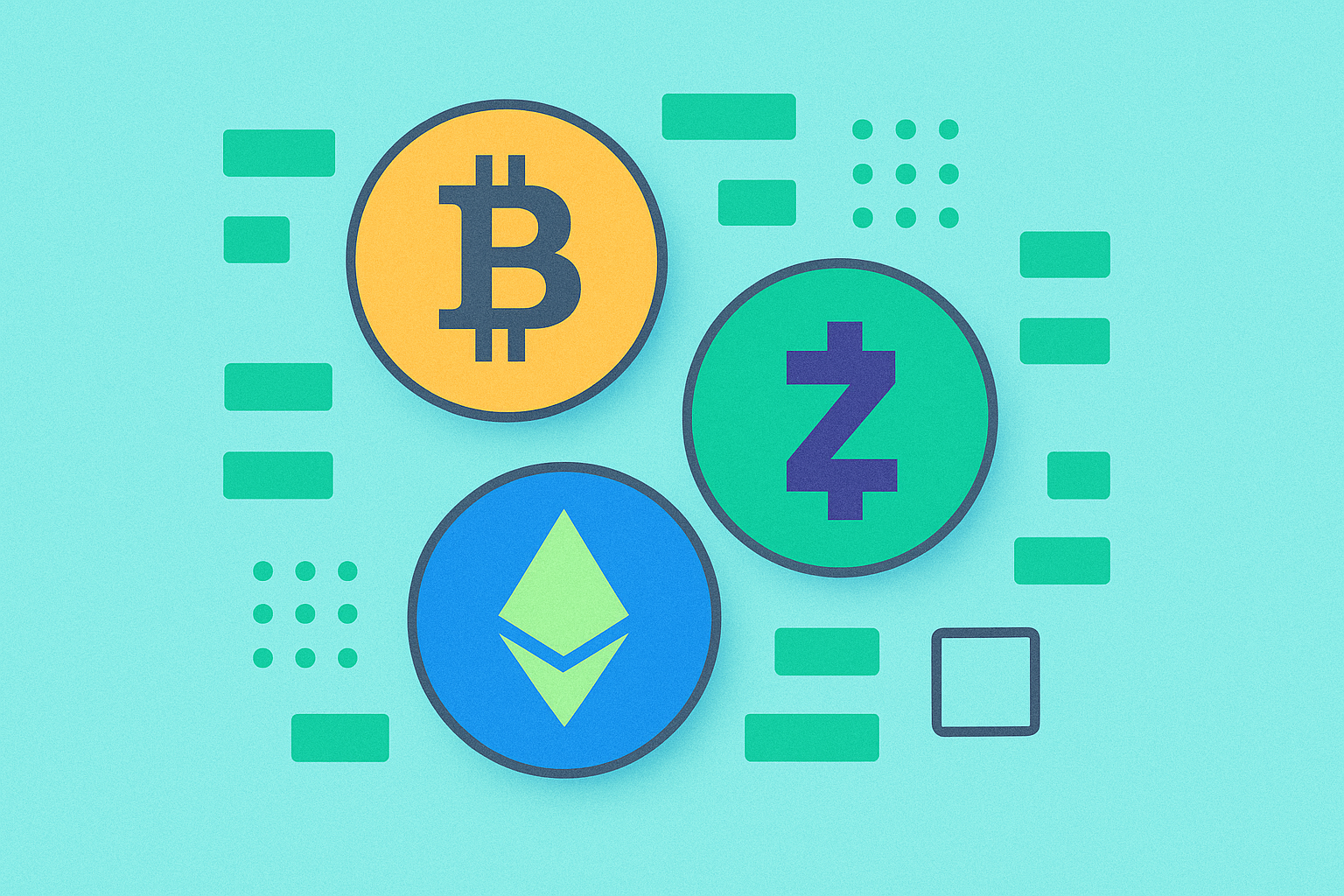
GPU Mining Beginner’s Guide: Start Mining at Home, Essential Equipment, Profitability Calculations, and Detailed Recommendations for Top Cryptocurrencies like ZCash and Monero. Includes practical insights on 2024 profitability, electricity expenses, initial investment requirements, and more.
Cryptocurrency Mining: An Overview
In the cryptocurrency industry, "mining" most commonly refers to Bitcoin mining. However, the term applies to more than just Bitcoin. Mining is a fundamental process that underpins the entire cryptocurrency ecosystem, forming the backbone of blockchain security and reliability.
At its core, Bitcoin mining is the process of running complex mathematical calculations to validate transactions and earn new asset units. The term "mining" draws an analogy to traditional gold extraction, signifying the "excavation" of digital assets.
Mining involves verifying and confirming transactions, then adding them to the Bitcoin blockchain—a process that sustains the asset ecosystem as a whole. Transactions are grouped into blocks. Once a block is validated, those transactions are permanently recorded on the Bitcoin blockchain. Miners are incentivized through transaction fee distributions.
While this sounds simple in theory, the reality is far more challenging. Earning new Bitcoin requires successfully completing complex tasks, which involve solving advanced mathematical equations using cryptographic techniques. This process, known as Proof of Work (PoW), is critical for network security.
To keep pace with technological advances, miners have developed a range of tools—including sophisticated mining hardware—to dramatically boost processing speeds. In Bitcoin’s early days, mining was possible with ordinary computers. However, as mining difficulty and network computational power have surged, mining Bitcoin at home with a regular PC has become nearly impossible. Still, with dedicated hardware, it remains feasible to mine other cryptocurrencies from home.
Efficient mining demands immense computational power, which standard PCs cannot deliver. Today, the mining industry is dominated by graphics processing units (GPUs) and application-specific integrated circuits (ASICs). These devices far outperform CPUs in both processing power and block validation probability, but they come with substantial upfront costs. Higher hash rates mean greater mining efficiency and a higher likelihood of earning rewards.
Types of Cryptocurrency Mining
Mining comes in various forms, each with distinct characteristics, cost structures, and profitability profiles. Selecting the optimal method depends on your budget, technical expertise, and objectives. Below, we examine the main mining methods in detail.
CPU Mining
CPU mining was the standard approach in the early days of cryptocurrency. This method uses a computer’s central processing unit (CPU) to mine. When Bitcoin first launched, household CPUs were powerful enough for mining.
In recent years, however, mining difficulty has soared, rendering CPU mining inefficient and generally unprofitable. For most, electricity costs now outweigh rewards, meaning CPU mining for major coins like Bitcoin is essentially obsolete.
Some minor cryptocurrencies, especially those with built-in ASIC resistance, still allow for effective CPU mining. In these cases, CPU mining remains a viable option.
GPU mining has become the dominant mining method in recent years. It utilizes a computer’s graphics processing unit (GPU) for mining. Originally developed for 3D graphics, GPUs are highly effective for mining thanks to their parallel processing capabilities.
GPUs offer significantly more processing power than CPUs, delivering greater mining efficiency. For cryptocurrencies optimized for GPU mining, such as Ethereum, this can result in strong profitability.
One advantage of GPU mining is its lower upfront investment. Since you can use off-the-shelf graphics cards, they are more accessible and easier to replace than ASICs. However, a "mining rig"—a device that combines multiple GPUs—is required, so you’ll need some capital and technical know-how. Additional investments in cooling systems and power supplies should also be considered.
ASIC Mining
ASIC mining is the gold standard for mining efficiency. While it offers the highest performance, it also demands the greatest investment. ASICs are machines designed specifically for mining a particular cryptocurrency. Though not versatile, they deliver unmatched performance for their targeted asset.
ASICs generate extraordinary computational power, making them the most efficient mining machines available. Using an ASIC is virtually mandatory for Bitcoin mining today. However, both acquisition and operation costs are high, so unless you have access to cheap, abundant electricity, ASICs are not advisable.
Because ASICs are tailored to specific coins, a change in the target asset’s algorithm or mining method can render the hardware obsolete. As such, long-term investment decisions are critical.
Mining Pools
For those interested in mining but unable to shoulder the costs of high-end equipment and electricity, mining pools supporting a variety of algorithms present an appealing alternative. Mining pools are now a primary way for individual miners to achieve sustainable returns.
Mining pools are platforms where individuals combine their resources to mine as a group. This approach is more efficient and accessible than solo mining, especially for beginners and small-scale miners seeking steady income.
By pooling their hash power, miners can discover blocks and validate transactions more quickly. When a pool finds a block, rewards are distributed among members according to their contribution. Typically, rewards are allocated proportionally based on each miner’s provided resources.
Mining pools also help reduce risk. While solo mining may offer higher theoretical returns, fierce competition means it can take months to earn significant rewards. For high-difficulty coins like Bitcoin, mining pools are often the smartest choice.
Cloud Mining
Cloud mining has emerged as a new trend in the mining industry. In this model, you pay a service provider—often a large company—a set fee to "rent" remote mining rigs. With no need to install hardware at home and minimal technical knowledge required, cloud mining offers an easy entry point for beginners.
During the rental period, rewards are periodically sent to your wallet. Most cloud mining firms own a large number of rigs and have skilled professionals managing operations, so users only need to pay their contract fee—maintenance, cooling, and electricity are handled for you.
Like mining pools, cloud mining allows you to start inexpensively. There’s no need to buy your own rig or operate it yourself, making participation accessible to anyone. However, it’s critical to review contract terms, fees, and provider credibility carefully, as scams do exist in this space.
What You Need to Mine Bitcoin at Home
If you choose GPU or ASIC mining, you’ll need to assemble and configure the necessary equipment at home. Building a mining environment means considering more than just hardware purchases; several factors must be evaluated holistically. The typical steps to begin mining are as follows:
Calculating Mining Profitability
Once you’ve selected a cryptocurrency to mine, thorough research is essential. Confirm that your target asset is worth the investment—not by guesswork, but with detailed, data-driven analysis.
Mining profitability typically depends on these factors:
- Reward System: The number of tokens earned through mining, including both block rewards and transaction fees.
- Hash Rate: The computational power of your miner. Higher hash rates increase your likelihood of finding blocks.
- Mining Difficulty: A value reflecting how hard it is to mine the asset at any point in time, based on the ecosystem’s active mining power. This adjusts periodically.
- Electricity Costs: The cost per kilowatt-hour—a major component of your mining expenses.
- Power Consumption: The energy required by your mining device, which varies widely by model.
- Pool Fees: Fees charged by mining pools, which must be factored into your calculations.
- Asset Price: The market price of your mined cryptocurrency, forming the basis for comparing income and costs.
Comprehensively analyze these factors and calculate your payback period and expected profit margin to assess mining feasibility.
Acquiring a Miner
After evaluating profitability, purchase your mining hardware. Reference review sites and forums to select the best miner for your budget and needs. Consider not only performance, but also power consumption, noise level, and durability.
Some of the most popular mining devices in recent years include:
- Bitmain Antminer S19 Pro: Hash rate of 110 TH/s, power consumption 3,250 W. High performance but high power usage—best suited for regions with low electricity costs.
- MicroBT M30S++: Hash rate of 112 TH/s, power consumption 3,472 W. A popular competitor to the Antminer.
- Bitmain Antminer T19: Hash rate of 84 TH/s, power consumption 3,150 W. Offers a relatively balanced performance profile.
These machines are expensive, but a secondary market exists. If buying used, check equipment condition and remaining service life carefully.
Setting Up a Wallet
To receive mining rewards, set up a secure compatible cryptocurrency wallet, such as an air-gapped or hardware wallet. Wallet selection is critical for asset security.
Once you contribute to block validation and are approved, rewards are automatically transferred to your wallet. Hardware, software, and online wallets are all available—choose one that balances security and convenience for your needs.
If you manage significant cryptocurrency holdings, cold storage such as hardware wallets is strongly recommended. Always keep your backup phrase in a safe place and never share it with anyone.
Joining a Mining Pool
For coins like Bitcoin, joining a mining pool is generally recommended. Solo mining pits individuals against massive mining farms, making it impractical for most.
When choosing a pool, consider these factors:
- Reward Distribution Method: Options include PPS, PPLNS, and PROP, each with pros and cons. Pick the model that best suits your situation.
- Mining and Withdrawal Fees: These directly impact your returns. Prioritize pools with high transparency.
- Block Discovery Frequency and Pool Track Record: Larger pools may offer more stable returns, but with lower reward shares.
- Ease of Withdrawal: Check minimum withdrawal requirements and payout frequency.
- Pool Stability and Transparency: Choose pools with minimal downtime and transparent operations.
Obtaining Mining Software
Finally, install mining software. This software controls mining operations and links your hardware with the mining pool. Some pools offer proprietary software, but general-purpose software is also widely available.
Most mining software is free, so there’s no need to worry about additional costs. Popular options include CGMiner, BFGMiner, and EasyMiner. Choose a program that fits your preferences and you’re ready to begin.
When configuring your software, you’ll need to input the pool address, worker name, and password. Features like overclocking and power limits are available, but beginners should start with default settings.
What Is a Bitcoin Halving?
The Bitcoin halving is a major event—occurring about every four years—that significantly alters Bitcoin’s supply dynamics. It’s central to the asset’s economic model and is a key contributor to its long-term value preservation.
During a halving, BTC block rewards are cut in half, restricting the flow of new Bitcoin into circulation and promoting a more decentralized network. This enhances resistance to inflation and reduces miners’ dependence on direct BTC issuance—a strategic inflection point for the Bitcoin ecosystem.
The halving mechanism gradually slows new issuance as Bitcoin nears its 21 million coin cap. This preserves Bitcoin’s "digital gold" scarcity and reinforces its role as a long-term store of value.
Historically, halvings have been associated with significant price swings, but outcomes can vary depending on market conditions and external events—there’s no guaranteed pattern.
Impact of the Bitcoin Halving
The impact of a halving goes beyond technical changes; it’s a high-profile event across the entire crypto community. For miners, reduced rewards squeeze profitability, pushing out inefficient hardware and driving a shift toward more efficient mining setups.
Investors should align their strategies with the halving to maximize opportunities in the crypto market. Because market sentiment can shift dramatically before and after a halving, disciplined decision-making and a long-term outlook are essential.
Halving events also spur mining industry consolidation. Miners with high electricity costs or inefficient equipment may find operations unprofitable post-halving. Staying up to date with the latest technology and optimizing efficiency are musts for mining operators.
Top Cryptocurrencies to Mine at Home
Let’s explore cryptocurrencies that are suitable for home mining. Choosing the right asset is essential to mining success.
Crucially, it’s virtually impossible to profitably mine Bitcoin on a personal computer at home. Mining difficulty rises every year, and ASIC devices now dominate, leaving ordinary computers far behind. In recent years, so-called "home Bitcoin mining" usually means mining other cryptocurrencies and converting them to Bitcoin later.
Still, there are several cryptocurrencies besides Bitcoin that remain practical for home mining. The assets below require relatively modest initial investment and offer income opportunities for individual miners.
1. ZCash
ZCash is a privacy-centric digital asset launched in 2016. Its advanced privacy technology has earned it support among users who prioritize anonymity.
ZCash can be mined with GPUs—a plus for home miners. The Equihash algorithm it uses is ASIC-resistant, allowing individuals to compete with large-scale mining operations.
To mine ZCash, you’ll need dedicated mining software, a copy of the ZCash blockchain, and a configured wallet. ZEC is listed on major exchanges, making it easy to convert. Its relatively stable price also makes it a strong candidate for long-term mining.
2. Ether
Ether is Ethereum’s native token and the world’s second-largest cryptocurrency by market cap. It’s highly liquid and has seen significant price growth in recent years. With a powerful GPU, you can mine Ether at home.
For optimal returns, joining a mining pool is advisable. Solo mining depends heavily on luck, so pools help deliver stable earnings. There are many Ethereum mining pools, each with unique reward systems and fee structures.
Important note: Ethereum has transitioned to Proof of Stake (PoS), ending traditional mining. For long-term mining, consider other coins. Mining remains possible on Ethereum-based forks, such as Ethereum Classic.
3. Monero
Like ZCash, Monero is a privacy-first cryptocurrency with a multi-billion dollar market cap and high liquidity. It’s regarded as an industry leader in privacy technology.
Monero’s use of the CryptoNote hash algorithm limits ASIC usage, allowing home miners to use CPUs or GPUs—a significant advantage for individuals.
Monero mining is also easy to set up. With a GUI wallet, even beginners can follow guided steps and start mining quickly, making Monero an ideal starting point for newcomers.
The Monero community is active and supportive—experienced miners are available to answer questions on forums and chat rooms.
Is Mining Still Profitable?
Cryptocurrency mining can be highly profitable—if you do it smartly. The key is research and planning; without them, losses are likely.
While Bitcoin mining is the best-known, there are many other mining opportunities. Home mining is possible, but carefully consider both your target asset and the investment required to set up your mining environment.
If you have ample capital, building a sophisticated Bitcoin mining setup is an option—but this can require an investment in the millions of yen. If resources are limited, consider joining a mining pool or mining alternative coins.
Critical factors for mining success include:
- Continuous Learning: The cryptocurrency landscape evolves rapidly. Stay updated on the latest technologies and market trends.
- Operational Efficiency: Minimize costs by optimizing for electricity, hardware, and cooling.
- Risk Management: Understand the risks of price volatility and have a sound risk management strategy.
- Long-Term Focus: Mining is not a get-rich-quick scheme—success demands a long-term approach.
Before you start, clarify your goals. Whether you’re seeking profit, contributing to the crypto ecosystem, or pursuing technical learning, your strategy will differ.
FAQ
Can I Mine Bitcoin at Home? What Equipment Do I Need?
Home mining is possible, but a standard PC won’t suffice. You’ll need a high-performance GPU or dedicated ASIC mining hardware, along with substantial power and cooling. Profitability is currently low.
How Much Does It Cost to Start Mining Bitcoin?
Initial investment for Bitcoin mining ranges from several hundred thousand to several million yen for high-end ASIC hardware. Monthly electricity bills of $300–$500 are typical, making it hard for individuals to turn a profit.
How Much Profit Can I Expect From Home Mining Each Month? Is It Worth It After Electricity Costs?
As of 2025, a typical Japanese household faces monthly electricity costs of about 78,000 yen, while the latest equipment yields only about 38,100 yen per month. That means a net loss of roughly 40,000 yen monthly, making it impossible to recoup an initial 1 million yen investment.
How Does Home Mining Differ From Large-Scale Mining Facilities?
Home mining is limited by space, requires heat and noise management, and involves significant upkeep. Large-scale facilities operate in specialized environments, offering greater efficiency and profitability.
How Much Electricity Does Bitcoin Mining Use?
Mining one Bitcoin costs roughly $15,000–$25,000 in electricity. Actual costs depend on local power rates and equipment efficiency.
What Are the Risks and Precautions of Home Mining?
The main risks of home mining include fire hazards from overheating, equipment failures, and high electricity bills. Key precautions: ensure proper ventilation, maintain equipment regularly, and implement fire safety measures.
How Should I Choose Mining GPUs or ASIC Chips?
ASICs deliver high efficiency and profitability but require substantial upfront investment. GPUs are more versatile and beginner-friendly. Compare power usage, hash rate, and cost to determine the best fit for your needs.
Is Bitcoin Mining Getting Harder? Is It Too Late to Start?
Bitcoin mining difficulty is at record highs and profitability for individuals is limited. However, with Bitcoin’s projected price increase in 2026 and strong performance from mining-related stocks, institutional mining operations have strong growth prospects. Strategic decisions matter more than timing your entry.
* The information is not intended to be and does not constitute financial advice or any other recommendation of any sort offered or endorsed by Gate.