MoMA Adds CryptoPunks and Chromie Squiggles to Permanent Collection: What It Means for NFT Art

The Historic Moment: When Blue-Chip NFTs Enter the Museum
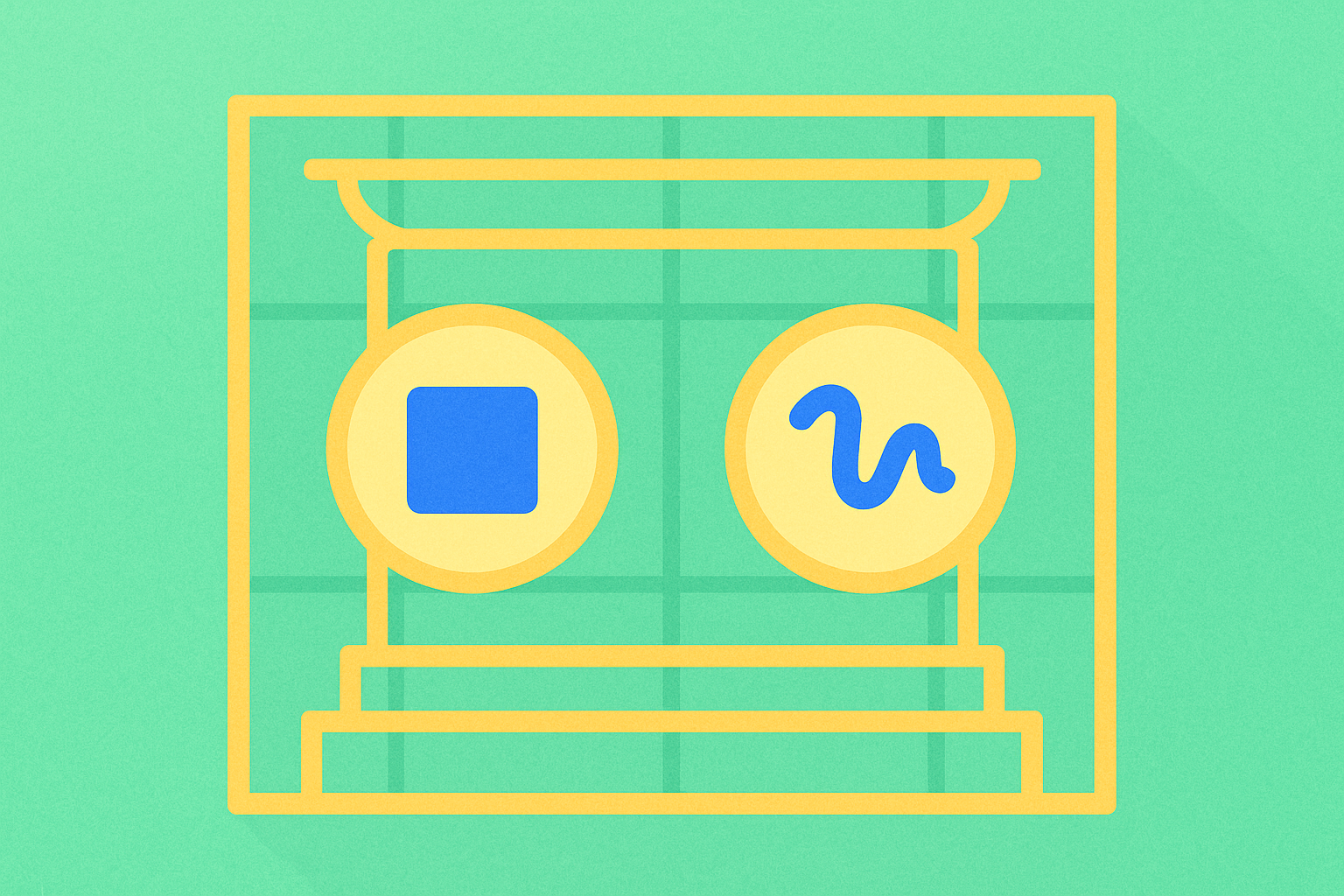
The Museum of Modern Art in New York has officially etched a pivotal chapter in digital culture history by acquiring eight CryptoPunks and eight Chromie Squiggles NFTs for its permanent collection. This acquisition represents far more than a curatorial decision—it stands as a watershed moment that fundamentally validates blockchain-based digital art within the world's most prestigious cultural institutions. The significance of this move cannot be overstated, as MoMA joins an increasingly select group of traditional art museums recognizing NFTs not as speculative assets or technological novelties, but as legitimate artistic expressions deserving permanent preservation.
CryptoPunks, which originated in 2017 as a pioneering blockchain art project, have long held symbolic weight within the crypto community. These 24x24 pixel algorithmically-generated characters possess a rawness and authenticity that resonates with early digital art practitioners and collectors alike. Similarly, Chromie Squiggles, created by artist Snowfro and released through the Art Blocks generative platform, represent the sophisticated intersection of mathematics, code, and artistic vision. By selecting these two collections for institutional preservation, MoMA has essentially declared that the digital art NFT mainstream adoption narrative has transcended hype cycles and entered the realm of established cultural significance. The coordinated donations that brought both collections to MoMA's vaults demonstrate the Web3 community's commitment to seeing their creative achievements recognized alongside traditional mediums that have been canonized over centuries. This moment crystallizes what many digital artists have long believed: that the democratization of art creation and ownership through blockchain technology constitutes a genuine artistic movement worthy of scholarly examination and permanent institutional support.
Breaking Barriers: How Institutional Validation Reshapes the Digital Art Market
Institutional validation functions as a powerful catalyst in establishing legitimacy within any market, and the art world operates under particularly stringent cultural gatekeeping mechanisms. When a museum of MoMA's caliber—with its century-long reputation for identifying and preserving seminal artistic movements—takes definitive action to include NFT art in its permanent collection, it sends unmistakable signals throughout both the traditional art establishment and the blockchain community. This institutional embrace addresses a persistent skepticism that has shadowed NFTs since their explosive emergence into mainstream consciousness. Prior concerns about whether these digital assets represented legitimate artistic expression or merely speculative financial instruments have been substantially undermined by this curatorial endorsement.
The market dynamics surrounding CryptoPunks MoMA permanent collection announcement already demonstrate tangible effects on collector behavior and asset valuations. Institutional validation creates several interconnected market phenomena that extend far beyond simple price appreciation. First, it establishes cultural precedent that encourages other established museums to examine their own digital art acquisition strategies, recognizing that failing to engage with NFT art may render their collections incomplete representations of contemporary artistic production. Museums across the world operate within competitive frameworks where curatorial innovation drives institutional prestige and visitor engagement. The reputational capital MoMA gains from pioneering NFT art recognition creates competitive pressure for other institutions to avoid appearing technologically obsolete or culturally myopic.
Second, institutional acquisition legitimizes NFT collecting as a preservation activity rather than speculative trading. This distinction profoundly influences how high-net-worth collectors, foundations, and family offices approach blockchain art acquisitions. When collectors can justify purchases as contributions to cultural heritage rather than purely financial investments, risk assessments shift dramatically. Insurance mechanisms, authentication protocols, and long-term storage solutions have evolved substantially to accommodate institutional-grade acquisition standards, with blockchain art collecting museums now implementing archival practices comparable to traditional art conservation. The technology infrastructure supporting NFT art institutional validation has matured considerably, offering immutable provenance records that actually exceed the documentation rigor available for many traditionally-created artworks. This technological advantage positions blockchain-based art as potentially superior to traditional mediums from a preservation and authentication standpoint.
| Aspect | Traditional Art Market | NFT Art Market Post-MoMA Recognition |
|---|---|---|
| Institutional Validation | Established over decades | Rapidly accelerating through key acquisitions |
| Authentication Certainty | Variable, requires expert examination | Immutable blockchain records |
| Ownership Transparency | Often obscured through private transactions | Completely traceable on-chain |
| Acquisition Accessibility | Limited to wealthy collectors with connections | Democratized through digital ownership |
| Storage Requirements | Climate-controlled physical spaces | Secure digital infrastructure |
Beyond the Hype: Why CryptoPunks and Chromie Squiggles Deserve Their Place in Art History
Understanding why these particular NFT projects merit permanent museum space requires examining their genuine artistic and cultural contributions beyond their market notoriety. CryptoPunks emerged during the nascent phase of blockchain art when most digital creators had yet to conceptualize how cryptocurrency technology could authenticate and preserve digital work. The collection's significance lies not merely in its pioneering status but in how its aesthetic grammar—retro-pixel design deliberately resisting photorealism—established a philosophical stance about what blockchain art could represent. The project asserted that digital art need not mimic traditional representational fidelity to possess cultural weight. Instead, the aesthetic deliberately embraced computational limitations as creative parameters, transforming technical constraints into conceptual strengths.
Chromie Squiggles exemplify a different but equally important development in blockchain art history. Artist Snowfro's generative algorithm creates infinite variations within defined parameters, each squiggle mathematically unique yet conceptually unified. This approach to art creation—where the artist establishes rules that computational systems then autonomously execute—represents a fundamental shift in artistic agency and creative methodology. Rather than dismissing this as mechanistic or impersonal, we recognize it as a legitimate artistic practice with historical precedent in generative and systems-based art movements. The Chromie Squiggles museum exhibition concept acknowledges that art created through algorithmic generation possesses aesthetic validity equal to hand-executed works. This recognition carries profound implications for how we theorize artistic authorship, intentionality, and creative expression in the digital age.
The blockchain art collecting museums phenomenon reflects broader shifts in how cultural institutions preserve contemporary production. Traditional museums have historically maintained considerable lag time before acquiring recent artistic movements, often waiting decades until critical consensus crystallizes around particular artists or styles. MoMA's acquisition of NFT art represents a compressed timeline—the institution moves to recognize and preserve digital blockchain creativity while the movement remains actively evolving rather than historically solidified. This approach acknowledges that postponing acquisition risks losing critical materials as digital assets prove more vulnerable to technological obsolescence than physical artworks. By intervening now, MoMA ensures future art historians access primary materials from this crucial technological and cultural moment. The decision reflects sophisticated understanding that institutional preservation responsibilities have expanded into digital domains that traditional acquisition frameworks inadequately address.
The Collector's Advantage: What This Means for Your NFT Portfolio and the Web3 Community
For active NFT collectors and digital art enthusiasts, MoMA's institutional recognition carries immediate and lasting implications for portfolio positioning and market trajectory. Collectors holding CryptoPunks or Art Blocks generative pieces already recognize that these holdings occupy meaningful cultural space, but institutional validation translates subjective appreciation into objective market significance. Historical patterns in contemporary art markets demonstrate that when major museums establish precedent through acquisition, comparable works held by private collectors experience substantial valuation appreciation. The museum's selection of eight specific pieces from the CryptoPunks collection does not diminish the significance of other pieces within the broader project—it actually elevates the entire collection's cultural stature by establishing that MoMA curators found the project's output sufficiently artistically coherent to warrant institutional representation.
The broader implications for blockchain art collecting museums extend throughout the Web3 community's relationship with traditional cultural institutions. This moment establishes proof of concept that institutional recognition remains achievable without compromising artistic integrity or community values. Throughout the broader crypto ecosystem, narratives about institutional adoption often emphasize compromise and dilution of original decentralized principles. The MoMA acquisition contradicts this assumption by demonstrating that established institutions can genuinely engage with blockchain art as a legitimate cultural form rather than as a speculative asset class requiring sanitization. This opens pathways for increasingly meaningful institutional collaboration that respects creator communities while expanding access to these works through museum exhibitions and educational programming.
For collectors seeking strategic long-term positioning, the institutional validation framework suggests several considerations regarding digital art NFT mainstream adoption trajectories. Artworks demonstrating clear artistic innovation, limited supply characteristics, and community recognition patterns hold substantially greater institutional acquisition potential than speculative projects optimized purely for trading volume. Collectors who accumulated pieces with genuine aesthetic or conceptual merit during earlier market phases now possess assets with enhanced cultural authentication. This distinction between assets accumulated through sophisticated artistic appreciation versus those acquired through speculative momentum becomes increasingly significant as institutional evaluation mechanisms mature. Gate supports emerging platforms and communities that facilitate informed collecting decisions, recognizing that sustainable market maturation depends on collectors developing sophisticated evaluation criteria beyond price momentum. The collectors who navigate this transition successfully—building portfolios grounded in genuine artistic assessment rather than hype cycles—position themselves optimally for continued institutional acquisition that drives sustained market validation and cultural significance throughout the evolving digital art landscape.
Share
How to Buy Cryptocurrency


Trending Cryptocurrencies



Exploring the Legality of Treasure NFTs in Pakistan

Exploring the NFT Landscape in Pakistan: Opportunities and Trends

What is IP: Understanding the Basics of Internet Protocol Addressing

SEC Token Classification Explanation: Why NFTs, Network Tokens, and Digital Tools are not Securities

Innovative Web3 Solutions for Intellectual Property Management

Cutting-edge email solutions for the Web3 era
Kadena Announces Shutdown Community Takes On Future Challenges

Understanding Centralized Exchanges in Cryptocurrency
Who Are Blockchain Developers?
Black Monday Crash And Investment Lessons
Building Blockchain Apps with Web3 JavaScript Library