P2P Crypto Trading Faces New Regulations in India

12-23-2025, 7:46:05 AM
Crypto Insights
Crypto Trading
P2P Trading
Payments
Stablecoin
Article Rating : 3.5
half-star
174 ratings
This article delves into the recent policy changes affecting P2P crypto trading in India, focusing on a major exchange discontinuing the cash payment option. It explores how this decision impacts traders' ability to minimize regulatory visibility and evade taxes amidst safety concerns with cash-based transactions. The article also examines India's complex crypto regulatory environment, contrasting SEBI's openness with RBI's restrictiveness, and discusses implications for the legal status of P2P trading. Essential for traders and platforms navigating Indian crypto regulations, the article highlights evolving compliance and safety priorities.
P2P Crypto Trading Faces New Regulations in India

Major Cryptocurrency Exchange Discontinues Cash Payment Option for P2P Crypto Trades in India

A major cryptocurrency exchange has implemented a significant policy change by blocking cash payments for peer-to-peer (P2P) cryptocurrency transactions within India. This decision marks a substantial shift in how local traders can conduct their digital asset exchanges, eliminating a previously popular payment method that allowed users to buy and sell supported cryptocurrencies through direct cash deposits or transfers.

P2P Users in India Cannot Use Cash Anymore

Prior to this discontinuation, the P2P platform offered Indian traders an escrow service that facilitated transactions upon receipt of cash or direct bank account deposits. This payment mechanism had become increasingly popular among local traders seeking to maintain trading activities while minimizing regulatory visibility and avoiding substantial taxation obligations imposed by the Indian government. The escrow system provided a layer of transaction security, as the platform would hold funds until both parties confirmed the completion of their agreed terms.

However, while alternative payment methods remain available on the platform, the cash payment option has been completely removed. The decision appears to be primarily motivated by compliance considerations, as it prevents the platform from facilitating transactions that could circumvent Indian government regulations and tax requirements. Beyond regulatory compliance, industry experts have identified critical safety concerns associated with cash-based P2P transactions.

According to Purushottam Anand, founder of Crypto Legal, a specialized cryptocurrency and blockchain law firm, cash transactions present substantial financial and personal risks to traders. Documented cases reveal instances where traders have experienced physical violence and coercion, with perpetrators forcing victims to transfer cryptocurrency assets or surrender cash during in-person meetings. The victims often refrain from reporting these crimes to law enforcement due to legal ambiguity surrounding cryptocurrency transactions—particularly those exceeding ₹2 lakh—which creates an environment where fraudsters can operate with relative impunity by exploiting victims' fear of legal consequences.

The policy adjustment suggests a deliberate strategy to align with Indian governmental expectations and regulatory frameworks. Notably, major platforms maintain that they operate as neutral third-party escrow service providers rather than as direct market participants, which positions them outside the scope of regulations governing illegal financial activities. While the Indian government does not officially recognize cryptocurrencies as legal tender, this technical distinction has allowed such platforms to justify their previous operations.

Interestingly, certain platforms continue to permit P2P cash transactions in other jurisdictions like Dubai, where users can settle trades through direct United Arab Emirates Dirham (AED) cash deposits or exchanges. This geographical distinction reflects the stark difference in cryptocurrency regulatory environments, with some governments demonstrating significantly greater receptiveness to cryptocurrency adoption and innovation compared to the Indian regulatory apparatus.

India's Crypto Regulatory Scene

The policy change carries substantial implications for the broader Indian cryptocurrency ecosystem and raises important questions about whether P2P crypto trading remains legal in India. Other cryptocurrency platforms operating within the country may follow suit and similarly discontinue cash-based P2P trading options, potentially further restricting the accessibility and functionality of cryptocurrency trading platforms in India and constraining market participation.

The Indian regulatory landscape regarding cryptocurrencies presents a complex and sometimes contradictory picture, with different governmental agencies maintaining distinct perspectives on digital asset regulation. The Securities and Exchange Board of India (SEBI) has demonstrated relative openness to cryptocurrency integration by developing a comprehensive regulatory framework designed to facilitate legitimate investor participation in digital asset trading. Internal regulatory documents reveal SEBI's proposed structure involves distributed regulatory authority, where different agencies oversee specific categories of digital assets based on their characteristics and risk profiles.

Under SEBI's proposed framework, the Reserve Bank of India (RBI) would assume regulatory responsibility for stablecoins and cryptocurrency assets backed by fiat currencies, while SEBI would maintain oversight of numerous other digital asset categories. Additionally, the Pension Fund Regulatory and Development Authority (PFRDA) and the Insurance Regulatory and Development Authority of India (IRDAI) would be assigned regulatory authority over pension-related cryptocurrency instruments and products.

Conversely, the RBI maintains a substantially more restrictive stance toward cryptocurrencies, opposing the integration of private cryptocurrencies into India's financial system and actively pursuing regulatory mechanisms to prohibit stablecoin operations. This regulatory divergence between agencies creates uncertainty and inconsistency in the operational environment for cryptocurrency platforms and traders, making it essential for users to understand the evolving legal status of P2P platforms in India.

Conclusion

The discontinuation of cash payment options for P2P cryptocurrency trades in India represents a significant intersection of compliance obligations, consumer safety considerations, and regulatory compliance. The decision reflects platforms' prioritization of operating within an increasingly stringent regulatory environment while simultaneously addressing documented risks associated with cash-based transactions. As the Indian regulatory framework continues to evolve through ongoing deliberations between competing governmental perspectives, cryptocurrency exchanges and traders will likely face continued restrictions and uncertainties regarding the legality and accessibility of P2P trading mechanisms. The outcome of these regulatory discussions will substantially shape the future viability and accessibility of cryptocurrency trading within India's financial ecosystem.

FAQ

Is P2P banned in India?

P2P collect requests on UPI are banned in India as of October 1, 2025. However, P2P trading platforms for cryptocurrencies operate in a legal gray area and are not explicitly banned by the government.

Is P2P taxable in India?

Yes, P2P transactions are taxable in India. Digital asset income is subject to a 30% capital gains tax under Indian tax law. You must report all P2P transaction gains to comply with local regulations.

* The information is not intended to be and does not constitute financial advice or any other recommendation of any sort offered or endorsed by Gate.
Related Articles
USDT to PKR Today: Live Conversion Rates on Coinbase (August 2025)

USDT to PKR Today: Live Conversion Rates on Coinbase (August 2025)

The article "USDT to PKR Today: Live Conversion Rates on Coinbase (August 2025)" provides a detailed analysis of the current exchange rates between USDT and PKR, highlighting the latest numbers and comparisons across leading platforms. Ideal for traders and investors, the piece addresses how Pakistani traders can optimize conversions, focusing on strategies like timing, limit orders, and platform diversification. It further explores market factors influencing the rates, including global crypto market trends and Pakistan's economic policies. Readers will gain insights into top platforms such as Gate for converting USDT to PKR efficiently.
8-21-2025, 2:35:25 AM
P2P Platform Now Accepts Afghan Afghanis for Trading

P2P Platform Now Accepts Afghan Afghanis for Trading

This article examines the integration of Afghan Afghani (AFN) into Gate's P2P trading platform, enhancing financial inclusion for Afghan traders by offering exchange options with major cryptocurrencies like Bitcoin and stablecoins. It outlines the platform's features, trading mechanisms, and the role of verified merchants, providing valuable insights into crypto trading accessibility in Afghanistan. The text also covers potential risks and user responsibilities in P2P transactions, essential reading for those curious about the functionality and safety of cryptocurrency trading in Afghanistan. Additionally, it clarifies cryptocurrency legality in the region.
12-18-2025, 7:59:20 PM
P2P | End of Cash Zone Option in April 2025: What You Need to Know

P2P | End of Cash Zone Option in April 2025: What You Need to Know

The article announces the shutdown of Gate's P2P Cash Zone option by March 31, 2025, emphasizing a shift towards core services. It discusses the implications for users, including key dates and alternatives for maintaining crypto trading activities. The article provides insights into P2P trading's security, flexibility, and verification requirements, ensuring users adapt smoothly to operational changes while exploring diverse payment methods. Highlighting user needs in unbanked regions, it encourages a transition to safer online P2P services.
12-23-2025, 10:00:53 PM
PKR to GBP: 2025 Real-Time Exchange Rate and Exchange Guide

PKR to GBP: 2025 Real-Time Exchange Rate and Exchange Guide

This article provides a comprehensive guide on the exchange rate between PKR and GBP in 2025, offering readers the latest conversion rates, trends, and strategic advice for optimizing currency exchange. It caters to the needs of individuals involved in currency trading, such as travelers, businesses, and expatriates remitting money between Pakistan and the UK. The structure of the article aims to provide insights into current exchange rates, best practices for ensuring favorable trades, and an analysis of the economic factors influencing these rates. It emphasizes the importance of monitoring real-time exchange rates and using reliable platforms like Gate for accurate and efficient currency exchange.
7-17-2025, 8:31:22 AM
Why is CryptoJack so hopeful about Gate.com and GT TOKEN in this bull run?
Why is CryptoJack so hopeful about Gate.com and GT TOKEN in this bull run?

As the cryptocurrency market prepares for the next major bull run cycle, experienced traders are refining their strategies—choosing the right exchange is more important than ever. In a recent video, popular cryptocurrency YouTuber CryptoJack (253K subscribers) analyzed the reasons for his increased investment in Gate.com this year. From powerful trading tools to unique profit opportunities, and the potential of its native TOKEN GT, CryptoJack provided compelling reasons why Gate could become one of the most valuable platforms for traders by 2025.
8-4-2025, 1:00:23 PM
Recommended for You
Top 10 Promising Digital Assets to Invest in for Billionaire Potential by 2025
Top 10 Promising Digital Assets to Invest in for Billionaire Potential by 2025

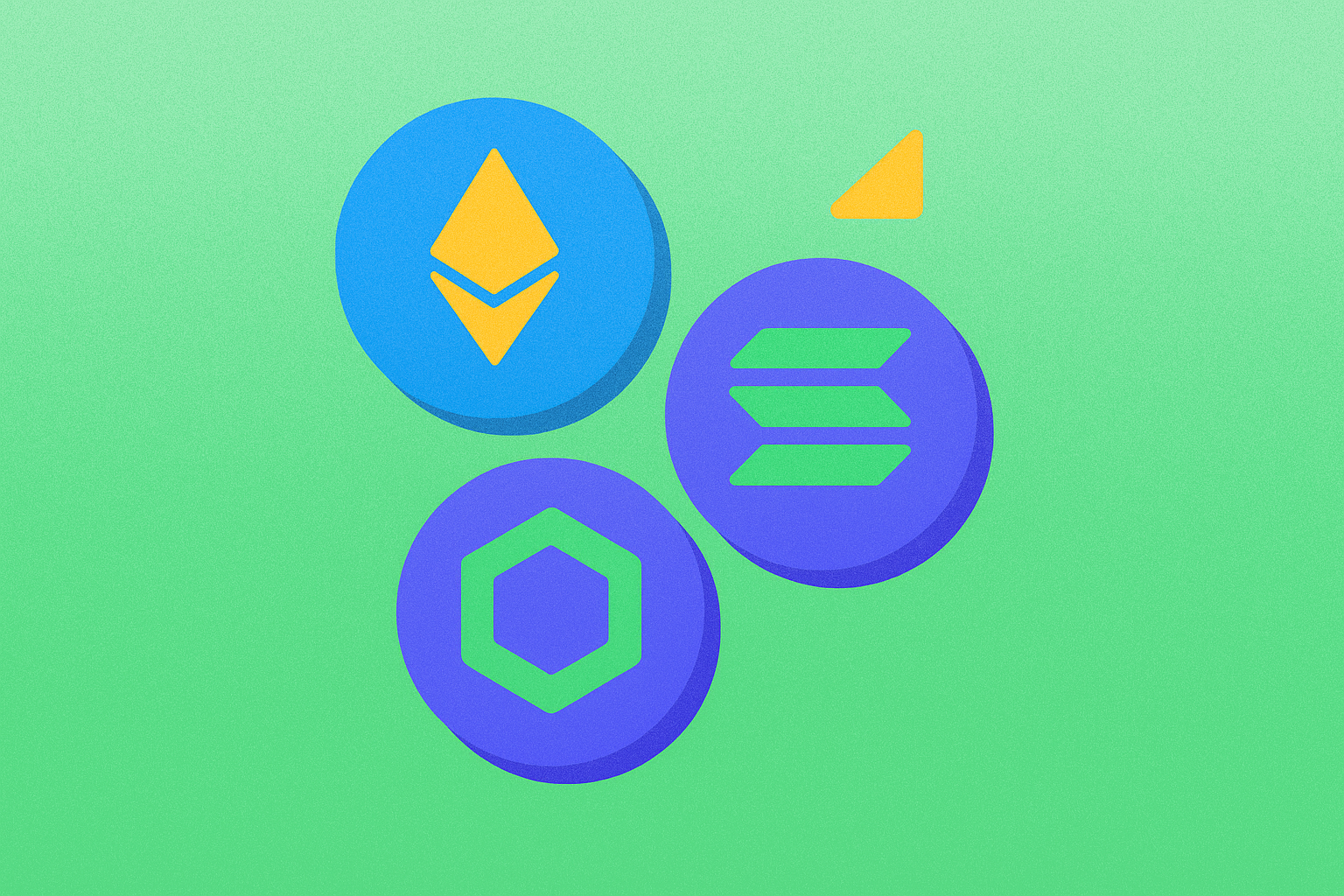
This article explores the top 10 promising digital assets that could provide significant investment opportunities by 2025, aiming to equip investors with the knowledge to potentially become billionaires through strategic cryptocurrency allocation. It addresses investor needs for diversification and growth by showcasing robust, technologically advanced projects such as Polkadot, Solana, and Cardano. Each asset's potential is analyzed with insights on market trends, technological innovations, and real-world applications. The guide is structured to highlight key growth factors like technological advancements, increased adoption, and strategic partnerships. Keywords such as “interoperability,” “scalability,” and “decentralized finance” enhance readability and facilitate quick comprehension.
12-24-2025, 5:53:42 AM
Top Cryptocurrencies Set for Explosive Growth in 2025: Expert Insights
Top Cryptocurrencies Set for Explosive Growth in 2025: Expert Insights

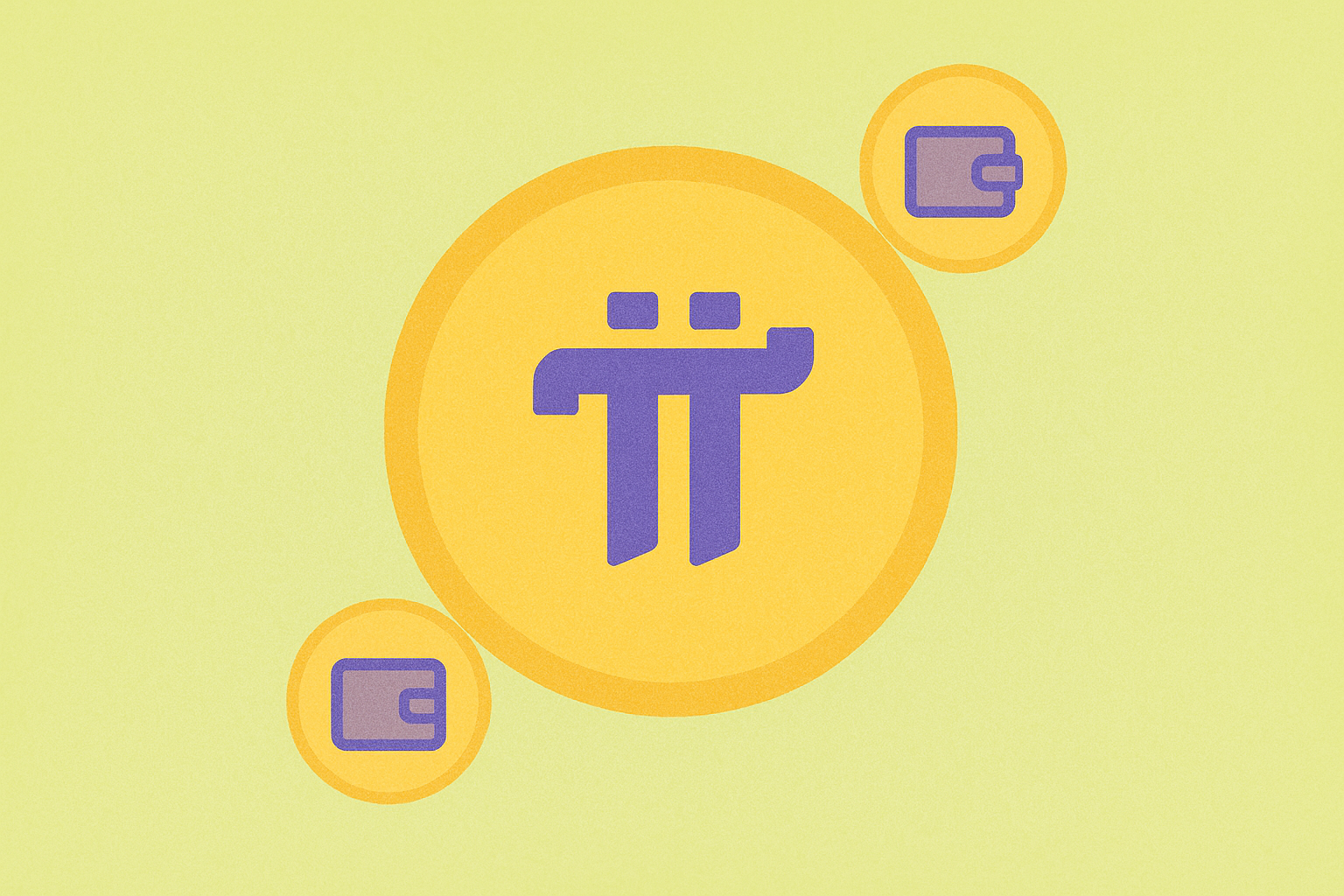
This article explores cryptocurrencies poised for significant growth by 2025, with expert insights into Ethereum, Solana, and Chainlink. It identifies key factors shaping crypto success, such as utility, scalability, and decentralization, providing valuable guidance for investors seeking high returns. Designed for crypto enthusiasts and investors, the article offers predictions and risk considerations, promoting responsible investment practices. Enhance your knowledge on top cryptocurrency opportunities with expert forecasts on market dynamics and technological advancements.
12-24-2025, 5:51:08 AM
Guide to Pi Coin Withdrawals on Mainnet: Essential Information

Guide to Pi Coin Withdrawals on Mainnet: Essential Information

The article provides a comprehensive guide to withdrawing Pi coins on the Pi Network mainnet. It details the Pi Network's transition to mainnet, allowing users to transfer and monetize Pi coins like common cryptocurrencies. It addresses the withdrawal process, covering KYC verification, wallet linking, and external transfers to Gate for conversion. The guide is tailored for Pi coin holders looking to capitalize on the mainnet launch's potential value and manage their digital assets effectively. With accessible language and structured sections, it offers a clear roadmap for maximizing the use of Pi coins.
12-24-2025, 5:47:18 AM
What is EPT: A Comprehensive Guide to English Proficiency Testing and Its Global Significance

What is EPT: A Comprehensive Guide to English Proficiency Testing and Its Global Significance

The article provides a comprehensive guide to the Balance (EPT) protocol, highlighting its role as a next-generation AI+Web3 infrastructure. It addresses the limitations of current Web3 models by offering decentralized AI agent capabilities for gaming and entertainment sectors. The content explores Balance's multi-layered architecture, market performance, and trading availability, primarily on Gate. Ideal for investors interested in AI-Web3 convergence, the article summarizes the project's origins, key milestones, market dynamics, and technical framework, focusing on security and operability across Ethereum and Binance Smart Chain networks.
12-24-2025, 5:43:04 AM
What is REI: A Comprehensive Guide to Real Estate Investment and Its Benefits for Wealth Building

What is REI: A Comprehensive Guide to Real Estate Investment and Its Benefits for Wealth Building
The article provides a comprehensive guide to Real Estate Investment (REI) and its benefits for wealth building. It highlights REI Network, a lightweight, fee-free public blockchain compatible with Ethereum's EVM, addressing scalability, high transaction costs, and complexity issues in blockchain infrastructure. The report covers REI's origin, development, technical architecture, market performance, and potential future prospects. Aimed at developers, investors, and enterprises, the article discusses REI's lightweight design, fee-free model, and scaling ambitions. Key challenges, market analysis, and investment considerations are thoroughly explored to assist potential participants in assessing the project's viability.
12-24-2025, 5:42:05 AM
What is ETHS: A Comprehensive Guide to Ethereum Staking Tokens and Their Role in DeFi

What is ETHS: A Comprehensive Guide to Ethereum Staking Tokens and Their Role in DeFi

This comprehensive guide delves into ETHS, a core asset of the Facet protocol, backed by the Ethereum Foundation, that addresses Ethereum's Layer 1 scalability challenges. The article explores ETHS's origin, technical architecture, market performance, and strategic importance in the Ethereum ecosystem. It effectively informs developers, investors, and blockchain enthusiasts about ETHS's role in decentralized scaling solutions and highlights its availability on Gate for trading. Through concise analysis, readers gain insight into ETHS's market dynamics, technical framework, and investment potential within the rapidly evolving DeFi space.
12-24-2025, 5:41:57 AM