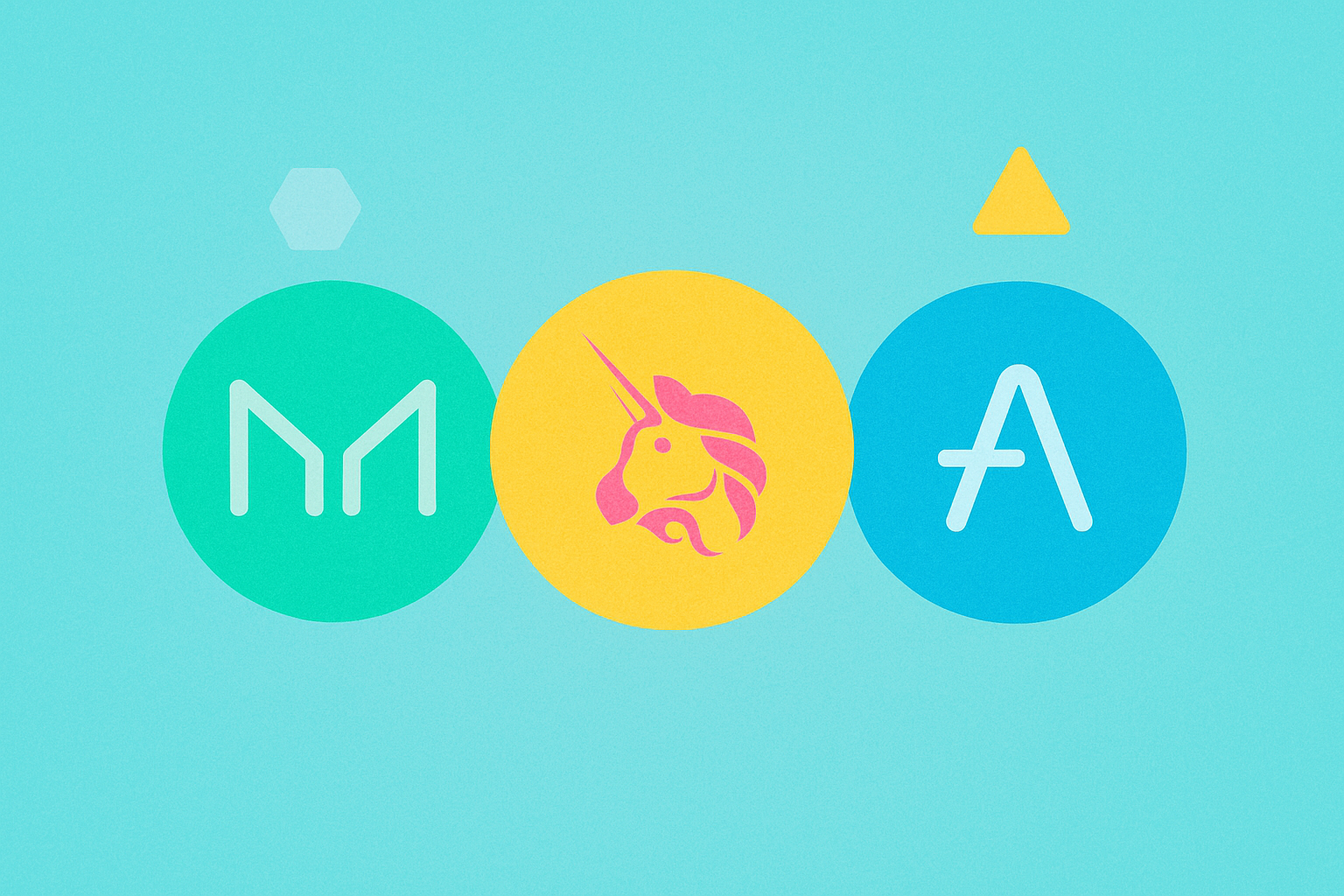
What Are Governance Tokens? A Beginner's Guide to the Fundamentals. This comprehensive guide explains how tokens function, highlights leading projects such as MKR, UNI, and AAVE, examines their roles in the Web3 ecosystem, details staking methods, outlines price volatility risks, and covers key considerations for understanding crypto asset tokens.
What Are Governance Tokens?
Governance tokens are tokens that grant holders the right to participate in decision-making processes for blockchain-based decentralized applications (DApps) and decentralized autonomous organizations (DAOs), including determining project policies and reward distribution methods. Governance tokens empower users to lead decisions about a project’s direction.
While decisions were traditionally made by central authorities, governance tokens enable all participants to engage in decentralized decision-making. They play a critical role in Web 3.0 organizational structures. Holders of governance tokens can directly influence major decisions affecting a project’s future, fostering a strong sense of involvement and strengthening community bonds. These features make governance tokens essential to the growth of decentralized ecosystems.
Three Key Features of Governance Tokens
Governance tokens have several important features that drive project operations and growth. Below, we detail the three core characteristics of governance tokens.
Feature 1: Participation in Decision-Making
The most significant feature of governance tokens is granting users the right to participate in project decision-making. Token holders can vote on critical matters such as development strategies, adding new features, reward distribution methods, and fee structures.
This structure boosts transparency and democratizes project management, preventing unilateral decisions by centralized administrators. For example, on DeFi platforms, key operational decisions—like adding new collateral assets or adjusting interest rates—are determined by token holder votes. Voting power is generally proportional to the number of tokens held, giving larger holders greater influence.
Feature 2: Strengthening Project Security
Governance tokens also enhance project security. Token holders can take part in smart contract code reviews and audit processes, allowing for early detection of potential vulnerabilities or issues.
Decentralized management reduces the risks of fraud or poor decisions by a single administrator. The community discusses and agrees on major security decisions, such as emergency measures or upgrades. This inclusive process allows for comprehensive security considerations from diverse perspectives, improving overall project safety. Some projects also distribute governance tokens as rewards for participating in security audits, encouraging active community involvement.
Feature 3: Economic Value
Alongside voting rights, governance tokens often carry economic value. Some platforms distribute profits to token holders as dividends, or offer additional rewards through token staking.
Because governance tokens are listed on major crypto exchanges, they attract attention as investment assets. As a project succeeds and platform usage grows, demand for the token may rise, potentially increasing its price. Thus, governance tokens function as both governance tools and assets with the potential to appreciate as the project grows. For investors, assessing a project’s prospects and joining early can provide opportunities for financial returns.
Important Considerations for Governance Tokens
Despite their many advantages, governance tokens have important considerations that holders must understand. Here, we explain the main points in detail.
Consideration 1: Price Volatility Risk
Governance tokens may gain value if a project succeeds, but they can also lose significant value if a project fails or market conditions shift. Price fluctuations are influenced by market supply and demand, project development progress, competitor activity, global economic trends, and regulatory changes.
Emerging project governance tokens often have low liquidity and are prone to sharp price swings. Significant trading by large holders can also heavily impact the market. When purchasing governance tokens, it’s essential to fully understand these risks and make investment decisions that match your risk tolerance. It’s also wise to diversify your investments and avoid over-concentrating in a single token as part of sound risk management.
Consideration 2: Security Risks
Governance tokens are used in DApps and DAOs, which operate through smart contracts. If a smart contract contains a vulnerability, hackers could exploit it to steal funds.
There have been multiple incidents where attackers exploited smart contract bugs to drain large sums. Additional risks include internal fraud by project teams and external threats such as phishing scams. When holding governance tokens, check whether the project has undergone security audits and use trusted wallets with robust security measures. The transparency and track record of the project team, as well as community activity, are also important for evaluating security.
Top Three Governance Tokens
The crypto asset market features many governance tokens. Here, we highlight three of the most influential and widely known governance tokens.
1. MKR (Maker)
MKR is the governance token for the Maker Protocol, a leading DeFi platform that issues the US dollar-pegged stablecoin DAI.
MKR holders can vote on essential protocol parameters, including the DAI Savings Rate (DSR), types and ratios of collateral assets, and system fee adjustments. MKR also helps maintain protocol stability—if the system incurs losses, new MKR is minted and sold to cover them. Conversely, when the protocol is profitable, MKR is bought back and burned to increase its scarcity. This model skillfully combines governance and economic incentives, establishing MKR as a key token in the DeFi sector.
2. UNI (Uniswap)
UNI is the governance token for Uniswap, a major decentralized trading platform on Ethereum that utilizes the Automated Market Maker (AMM) model.
UNI holders can vote on development strategy, fee distribution ratios, feature additions, and protocol upgrades. In September 2020, UNI was distributed through an airdrop—400 UNI (then worth about $1,200) was given free to each previous Uniswap user. This airdrop drew major attention in the crypto community and raised awareness of governance tokens. UNI’s total supply is capped at 1 billion, with a portion allocated to support community growth. Given Uniswap’s high trading volume and liquidity, UNI is widely recognized as a leading governance token.
3. AAVE (Aave)
AAVE is the governance token for the Aave platform, which offers crypto lending and liquidity services and is among the largest DeFi platforms.
AAVE holders can vote on which new assets to list, interest rate model adjustments, and risk parameter settings. AAVE’s standout feature is the “Safety Module”—by staking AAVE, holders provide insurance for the protocol against unexpected losses. Those who stake AAVE take on risk in exchange for additional token rewards. The Aave platform also offers innovative features such as flash loans (instant, collateral-free borrowing and repayment), establishing its position as a DeFi technology leader. In addition to governance, AAVE tokens function as multi-utility tokens, providing fee discounts and staking rewards.
Summary: Governance Tokens Are Spreading as Web 3.0 Currencies
Governance tokens allow participation in decision-making for decentralized applications and DAOs, democratizing project management and increasing transparency.
With three main features—decision-making participation rights, enhanced security, and economic value—governance tokens play a central role in decentralized Web 3.0 ecosystems. However, it is vital to fully understand risks such as price volatility and security challenges before getting involved.
As blockchain technology evolves, more projects are adopting governance tokens. Leading tokens like MKR, UNI, and AAVE play vital roles on their platforms and drive DeFi sector growth. While regulatory and other challenges remain, governance tokens are expected to become even more widespread as Web 3.0 currencies. As decentralized governance concepts become more mainstream, the importance of governance tokens will only increase.
FAQ
What Is a Governance Token?
A governance token is a rights token that lets holders participate in decision-making for decentralized projects or DAOs. Holders receive voting rights and can influence project management policies, budget allocation, and more.
What Rights Come with a Governance Token?
Owning a governance token gives you the right to participate in a DAO’s or project’s decision-making and voting process. Holders can directly approve or amend proposals and influence project management direction.
How Do You Vote with a Governance Token?
Connect your wallet to the project site to vote. You can use voting rights proportional to your holdings on proposed topics. Voting takes place on the blockchain via smart contracts.
How Do You Buy Governance Tokens and Where Can You Trade Them?
You can buy governance tokens on cryptocurrency exchanges. After opening an account and depositing funds, purchase your desired token and store it in your wallet. You may also earn governance tokens as rewards through liquidity mining and similar activities.
What Risks and Considerations Are There for Governance Tokens?
The main risks are value loss due to project failure and changes in market supply and demand. Watch out for decision-making risks from concentrated voting power, liquidity shortages, and regulatory changes as well.
How Are Governance Tokens Different from Regular Cryptocurrencies?
Governance tokens provide voting rights and let holders directly participate in project decisions. Regular cryptocurrencies are mainly for payments or value storage, whereas governance tokens feature voting rights in DAO management and profit sharing. Their purposes and functions are distinctly different.
Can You Stake Governance Tokens? What About Rewards?
Governance tokens can be staked. By locking up tokens for a set period, you can earn rewards. The amount depends on the project. You cannot withdraw tokens during the staking period.
What Are the Features of Major Governance Tokens like UNI and Aave?
Tokens such as UNI and AAVE grant voting rights to users for project management decisions. Key features include profit sharing, dividend rights, investment potential, and the ability to reflect community consensus through votes on protocol improvement proposals.
* The information is not intended to be and does not constitute financial advice or any other recommendation of any sort offered or endorsed by Gate.