What is Crypto: A Comprehensive Guide to Cryptocurrency for Beginners
What is Cryptocurrency?
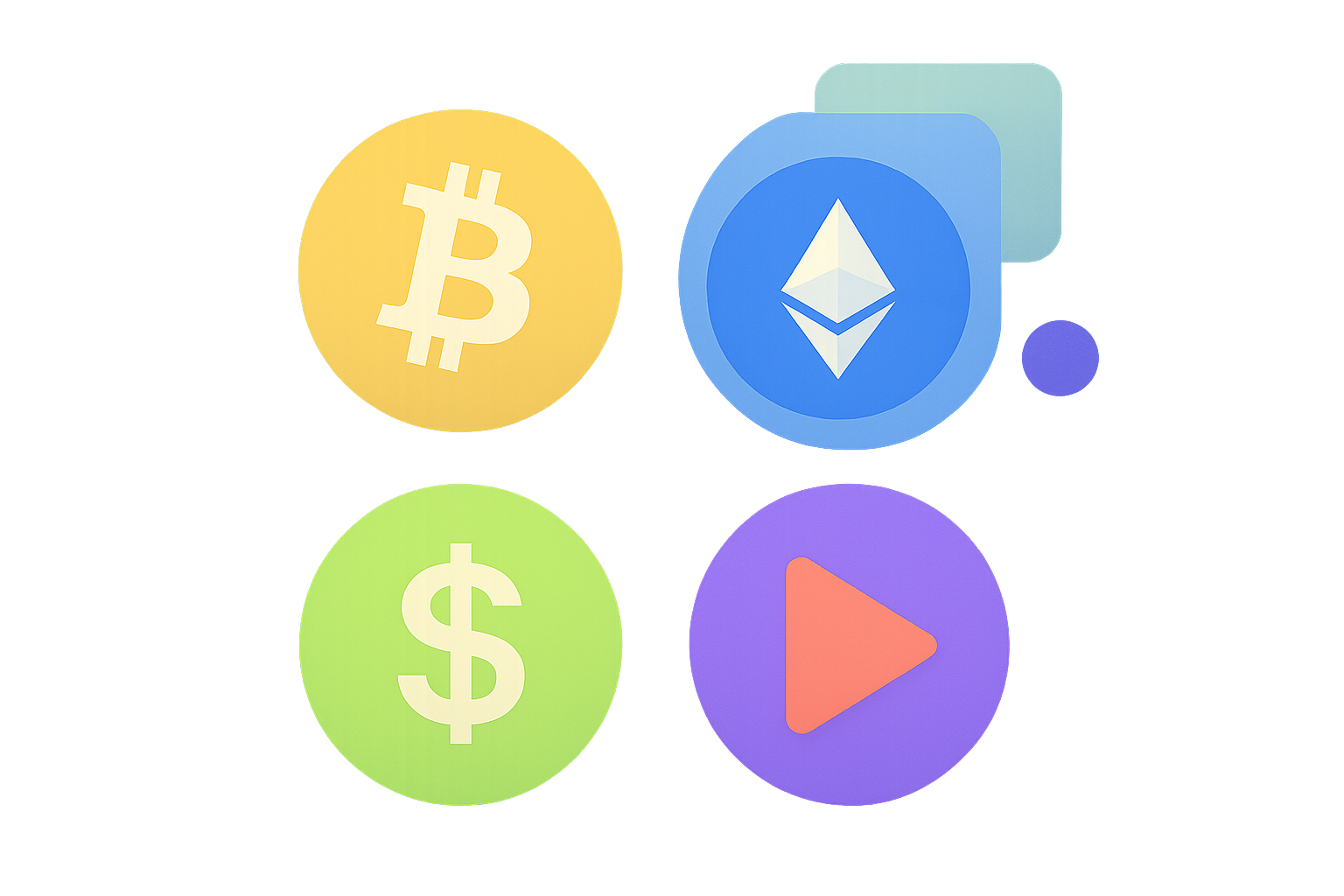
Cryptocurrency is a form of digital currency that operates on blockchain technology or distributed networks across multiple computers. This decentralized structure is designed to keep these digital assets outside the control of governments and central authorities. Unlike traditional currencies issued by central banks, cryptocurrencies rely on cryptographic techniques to secure transactions and control the creation of new units.
The fundamental characteristic of cryptocurrency is its decentralized nature, which means no single entity has complete control over the network. This distributed approach offers several advantages, including increased transparency, enhanced security, and reduced dependence on intermediaries. Transactions are recorded on a public ledger called the blockchain, which is maintained by a network of computers known as nodes.
The Technology Behind Cryptocurrency
Cryptocurrencies leverage advanced cryptographic technology to ensure transparency and security in their operations. This encryption makes it extremely difficult to counterfeit or double-spend digital assets. The cryptographic methods used include hash functions, digital signatures, and consensus mechanisms that work together to maintain the integrity of the network.
Many digital currencies operate as decentralized networks using blockchain technology, which functions as a distributed ledger. A blockchain is essentially a chain of blocks, where each block contains a set of transactions. Once a block is added to the chain, it becomes virtually impossible to alter, providing an immutable record of all transactions. This technology eliminates the need for a central authority to verify transactions, as the network itself validates and records all activities.
The blockchain's distributed nature means that copies of the ledger are stored across thousands of computers worldwide. This redundancy ensures that even if some nodes fail or are compromised, the network continues to function properly. The consensus mechanisms, such as Proof of Work or Proof of Stake, ensure that all participants agree on the current state of the ledger.
Types of Cryptocurrency Coins
Store of Value Cryptocurrencies
Bitcoin has earned the nickname "digital gold" because its supply cannot be manipulated by any individual or organization. The cryptocurrency's creation is governed entirely by mathematics and cryptography, resulting in a fixed maximum supply of 21 million coins. This scarcity, combined with its decentralized nature, makes Bitcoin an attractive store of value for investors seeking protection against inflation and currency devaluation.
The store of value category represents cryptocurrencies designed primarily to preserve wealth over time. Like precious metals, these digital assets are not meant for frequent transactions but rather for long-term holding. The limited supply and increasing adoption contribute to their potential as a hedge against traditional financial system risks.
Smart Contract Platform Cryptocurrencies
"Smart Contracts" are digital processes that automatically execute predefined transaction steps without requiring intermediaries. These self-executing contracts bring high transparency and predictable outcomes to various applications. When certain conditions are met, the smart contract automatically performs the agreed-upon actions, eliminating the need for trust between parties.
Prominent examples include Ethereum, which pioneered the smart contract concept, Solana, known for its high-speed transactions, and Polkadot, which focuses on interoperability between different blockchains. These platforms enable developers to build decentralized applications (dApps) that can revolutionize industries from finance to supply chain management. Smart contract platforms have become the foundation for numerous innovations in the cryptocurrency space, including DeFi protocols, NFT marketplaces, and decentralized autonomous organizations (DAOs).
Stablecoins
"Stablecoins" are fiat currencies operating on blockchain networks that maintain a 1:1 value peg with traditional currencies. The most popular examples include USDT (Tether) and USDC (USD Coin), which are backed by US dollar reserves. These digital assets combine the benefits of cryptocurrency technology with the stability of traditional currencies.
Stablecoins are categorized into several types:
- Fiat-Collateralized: Backed by traditional currencies like USD, such as USDT and USDC. These maintain reserves in bank accounts equivalent to the circulating supply.
- Commodity-Collateralized: Backed by physical assets like gold, such as GOLD tokens. Each token represents ownership of a specific amount of the underlying commodity.
- Crypto-Collateralized: Backed by other cryptocurrencies, such as DAI. These use over-collateralization to maintain stability despite the volatility of the backing assets.
- Non-Collateralized: Also known as algorithmic stablecoins, these use algorithms and smart contracts to control supply and maintain price stability.
DeFi (Decentralized Finance) Tokens
"DeFi" stands for "Decentralized Finance," representing a financial system without intermediaries built on smart contracts of Layer 1 blockchains. DeFi protocols aim to recreate traditional financial services such as lending, borrowing, trading, and earning interest, but in a decentralized manner that gives users full control over their assets.
Notable DeFi token examples include Maker (MKR), which governs the DAI stablecoin system; SushiSwap and Uniswap, which are decentralized exchanges; PancakeSwap, operating on the BNB Chain; and Aave, a leading lending protocol. These platforms have collectively locked billions of dollars in value and processed countless transactions, demonstrating the growing adoption of decentralized financial services. DeFi has introduced innovative concepts like liquidity mining, yield farming, and flash loans that were not possible in traditional finance.
Metaverse and GameFi Tokens
The Metaverse represents virtual reality platforms that function as social spaces where users can interact, create, and participate in various activities. These digital worlds often have their own economies powered by cryptocurrency tokens. Users can buy virtual land, create digital assets, and participate in immersive experiences.
Examples include The Sandbox, where users can create and monetize gaming experiences; Decentraland, a virtual world owned by its users; Axie Infinity, which pioneered the play-to-earn gaming model; and Mir4, which combines MMORPG gameplay with blockchain technology. GameFi, a combination of gaming and finance, has attracted millions of users worldwide by allowing players to earn cryptocurrency through gameplay, creating new economic opportunities in the digital realm.
The Difference Between Coins and Tokens
What is a Coin?
A Coin refers to a cryptocurrency that serves as the native currency of a Layer 1 blockchain or Native Blockchain. These are the primary currencies used to pay transaction fees and secure the network. Examples include BTC (Bitcoin), which operates on the Bitcoin blockchain, and ETH (Ethereum), which powers the Ethereum network.
Coins typically have their own independent blockchain infrastructure and serve multiple purposes within their ecosystems. They are used for paying transaction fees, rewarding validators or miners, and participating in network governance. The creation of a coin requires building and maintaining an entire blockchain network, which involves significant technical complexity and resources.
What is a Token?
A Token is a cryptocurrency "that does not have its own blockchain." Tokens are easily identified as coins created by applications built on top of Native Blockchains. They leverage the security and infrastructure of existing blockchains rather than creating their own.
Examples include UNI, the governance token of Uniswap, and LINK, the token of Chainlink's decentralized oracle network. Tokens can represent various assets or utilities, including governance rights, access to services, or ownership of digital assets. Creating a token is generally simpler than launching a coin, as it uses existing blockchain standards like ERC-20 on Ethereum or BEP-20 on BNB Chain.
How to Start Investing in Cryptocurrency
Understanding the Risks of Cryptocurrency Investment
Price Volatility Risks
The cryptocurrency market operates 24 hours a day, 7 days a week, without the trading halts common in traditional markets. This continuous operation can lead to significant price movements at any time. The market's liquidity varies considerably, particularly for smaller project tokens, which can experience dramatic price swings within short periods.
Price volatility can be influenced by various factors, including market sentiment, regulatory news, technological developments, and macroeconomic conditions. Investors should be prepared for the possibility of substantial gains or losses and should never invest more than they can afford to lose. Understanding market cycles, technical analysis, and fundamental analysis can help investors make more informed decisions.
Legal and Regulatory Risks
Each jurisdiction has different regulations regarding cryptocurrencies. Some countries embrace digital assets, while others impose strict restrictions or outright bans. These regulatory frameworks are constantly evolving, which can create uncertainty for investors.
Cryptocurrency taxation also varies significantly by country. Some jurisdictions treat cryptocurrencies as property, others as currency, and some have specific crypto tax laws. Investors must understand their local tax obligations, including capital gains taxes, income taxes on staking rewards, and reporting requirements. Failure to comply with tax regulations can result in penalties and legal issues.
Transparency and Security Risks
Investors should be cautious of fraudulent projects known as "Rug pulls," where developers abandon a project and run away with investors' funds. These scams often involve projects with anonymous teams, unrealistic promises, and lack of proper auditing.
Smart contract vulnerabilities present another significant risk. Platforms have experienced hacks through security flaws in their smart contracts, resulting in millions of dollars in losses. Even well-established protocols can have undiscovered vulnerabilities. Investors should research projects thoroughly, look for third-party security audits, and consider the team's track record and transparency.
Study the White Paper Before Investing
Every legitimate cryptocurrency project should have a comprehensive document called a White Paper that explains its protocol, technology, and vision. This document should clearly outline the project's tokenomics, including token distribution, supply mechanics, and utility within the ecosystem.
A quality white paper should address the problem the project aims to solve, the technical approach to solving it, the team's qualifications, the roadmap for development, and the competitive advantages. Investors should be skeptical of projects with vague or poorly written white papers, as these often indicate a lack of serious development or potential fraud. Taking the time to thoroughly read and understand a project's white paper is crucial before making any investment decisions.
Opening a Cryptocurrency Trading Account
There are several options for buying and trading cryptocurrencies:
Centralized Exchanges (CEX)
For users in Thailand, domestic platforms like Bitkub offer localized services with Thai Baht support. For international trading, major exchanges provide access to a wider range of cryptocurrencies and trading pairs. These centralized platforms offer user-friendly interfaces, customer support, and various trading features, but users must trust the exchange to secure their funds.
Decentralized Finance (DeFi) Options
For those seeking complete control over their assets, DeFi platforms offer non-custodial solutions. Users can utilize software wallets like MetaMask, which allow direct interaction with decentralized applications, or hardware wallets like Ledger devices, which provide enhanced security by keeping private keys offline. DeFi platforms eliminate the need to trust a centralized entity, but users must take full responsibility for securing their own assets and understanding the protocols they interact with.
Benefits of Investing in Cryptocurrency
Cryptocurrency investment offers several compelling advantages that distinguish it from traditional financial assets:
Elimination of Single Point of Failure
The decentralized nature of cryptocurrency networks means there is no single point of failure that could bring down the entire system. Unlike traditional banking systems that rely on central servers and institutions, blockchain networks are distributed across thousands of nodes worldwide. This redundancy ensures that the network remains operational even if individual nodes fail or are attacked.
Removal of Trusted Third Parties
Cryptocurrencies eliminate the need for trusted intermediaries in financial transactions. Traditional financial systems require banks, payment processors, and other institutions to facilitate and verify transactions. With cryptocurrency, transactions are verified by the network itself through consensus mechanisms, reducing costs and increasing efficiency while maintaining security.
Enhanced Security and Transparency
Decentralized transfers benefit from high levels of security and transparency provided by blockchain technology. Every transaction is recorded on a public ledger that can be audited by anyone, ensuring accountability. The cryptographic security measures make it extremely difficult to alter transaction records or commit fraud. This transparency builds trust in the system without requiring trust in any individual entity.
Cost-Effective Cross-Border Solutions
Cryptocurrencies provide an efficient solution for cross-border money transfers with significantly lower costs compared to traditional methods. International wire transfers through banks can take several days and incur substantial fees. Cryptocurrency transfers can be completed in minutes or hours, regardless of the distance, with minimal transaction fees. This makes cryptocurrencies particularly valuable for remittances and international business transactions, potentially saving billions of dollars in transfer fees globally.
FAQ
What is cryptocurrency? How does it differ from traditional currency?
Cryptocurrency is a digital asset based on blockchain technology, operated without central bank control. It offers faster transactions, enhanced security through encryption, and operates across borders without intermediaries, unlike traditional currency.
What is the difference between Bitcoin and Ethereum?
Bitcoin is designed for value storage and peer-to-peer transactions, while Ethereum is a platform enabling smart contracts and decentralized applications. Bitcoin uses Proof of Work, whereas Ethereum uses Proof of Stake for transaction validation.
How to safely buy and store cryptocurrency?
Use reputable platforms and enable two-factor authentication for purchases. Store most assets in offline hardware wallets like Ledger or Trezor. Securely backup your recovery seed phrase in a safe location. Start with small investments and gradually increase as you gain experience.
What is the working principle of blockchain technology?
Blockchain works through interconnected data blocks, each containing transaction information and timestamps. This ensures data immutability and transparency. Once a block is full, it links to the previous block, creating a secure, permanent chain that cannot be altered retroactively.
Which cryptocurrencies should beginners invest in?
Beginners should start with Bitcoin or Ethereum, the most established cryptocurrencies with high trading volume and widespread adoption. These offer stability and lower risk compared to smaller projects, making them ideal entry points for new investors.
What are the risks of cryptocurrency trading?
Cryptocurrency trading carries significant risks due to high volatility and lack of regulation. Key risks include price fluctuations, market gaps, hard forks, uninsured losses, and cybersecurity threats. Leverage trading amplifies potential losses. Markets can move rapidly based on sentiment changes and unexpected events. Traders should understand these risks thoroughly before participating.
What is a digital wallet? How to choose the right wallet?
A digital wallet is a tool for storing and managing cryptocurrencies securely. When choosing, prioritize security features like two-factor authentication, user-friendly interface, and backup options. Consider whether you need hot wallets for frequent trading or cold wallets for long-term storage.
What does cryptocurrency mining mean?
Cryptocurrency mining is the process where miners validate transactions on the blockchain by solving complex mathematical problems. Miners use specialized equipment to compete in finding solutions, and the first to succeed receives newly created cryptocurrency as a reward, securing the network through proof-of-work.
How to open an account on a crypto exchange and make your first transaction?
Sign up with email or phone, complete identity verification by uploading ID documents and facial recognition, then deposit funds. Once approved, you can place your first trade by selecting a trading pair, entering the amount, and confirming the transaction.
How should cryptocurrency tax issues be handled?
Cryptocurrency taxation varies by country and is typically treated as property or financial assets. Taxable events include selling, trading, or receiving crypto through mining or staking. Comply with your local tax laws, report gains and income, and maintain detailed transaction records. Consult tax professionals for guidance.
Share
Content
How to Buy Cryptocurrency


Trending Cryptocurrencies



Bitcoin Fear and Greed Index: Market Sentiment Analysis for 2025

Hedera Hashgraph (HBAR): Founders, Technology, and Price Outlook to 2030

Cardano (ADA) Price Prediction 2025 & 2030 – Is ADA Set to Soar?

2025 SUI coin: price, buying guide, and Staking rewards

Cardano (ADA): A History, Tech Overview, and Price Outlook

Jasmy Coin: A Japanese Crypto Tale of Ambition, Hype, and Hope
What is APP: A Comprehensive Guide to Mobile Applications in the Digital Age

2026 APP Price Prediction: Expert Analysis and Market Forecast for the Next Generation of Mobile Applications
What is STB: A Comprehensive Guide to Set-Top Box Technology and Its Role in Modern Entertainment

2026 MMPRO Price Prediction: Expert Analysis and Market Forecast for the Next Generation Cryptocurrency

2026 GXE Price Prediction: Expert Analysis and Future Outlook for GXE Token Performance