Discover how to start mining cryptocurrencies on your mobile device. This comprehensive guide covers cloud mining, top smartphone mining apps, and methods to earn without upfront investment. Includes practical tips for blockchain newcomers and essential security recommendations.
What Is Mobile Mining?
Mobile mining refers to the process of generating cryptocurrency using a mobile device, such as a smartphone or tablet. This approach emerged as a way to make mining more accessible to a broader audience, removing the need for costly, specialized hardware.
Mining is the act of obtaining (releasing) cryptocurrency by solving complex mathematical problems on a blockchain network. Miners play a critical role in this process: they secure the network and validate transactions. In return, they receive rewards in the form of coins from the network they mine. These digital assets can be exchanged for fiat currencies—including dollars, euros, or rubles—using specialized exchanges and trading platforms.
It's important to note that only cryptocurrencies using the Proof-of-Work (PoW) consensus algorithm or similar mechanisms can be mined. This algorithm demands significant computing power to solve cryptographic puzzles, making mining a resource-intensive activity.
To begin mining, individuals connect computing equipment—such as ASIC miners, GPUs, or CPUs—to a network supporting their chosen cryptocurrency. Alternatively, users can rent computing power from specialized providers. Mining with rented resources is called cloud mining, which is especially attractive for those who prefer not to invest in or maintain their own hardware.
How Does Mobile Mining Work?
The original concept of mobile mining involved special mobile applications that harness a device’s computing power to complete network tasks. These tasks include validating transactions, solving cryptographic puzzles, and supporting blockchain operations. In exchange, device owners receive coin rewards.
Technically, the process works as follows: the application initiates computational tasks using the smartphone’s processor and available resources. However, in practice, mobile devices provide far less computing power than dedicated mining rigs. As a result, traditional mining on a phone is highly inefficient or even unfeasible.
An alternative is cloud mining via mobile app. In this model, users rent computing resources from remote data centers and configure them to mine their chosen cryptocurrency. The smartphone serves as a control panel: the mobile app enables remote monitoring, performance tracking, parameter adjustments, and withdrawals. This approach is more practical and realistic for mining with mobile devices.
Can You Still Mine Cryptocurrency on a Phone?
Theoretically, mining cryptocurrency on a phone is possible, but in reality, only a limited selection of coins is available, and the process is very different from classic mining with specialized hardware.
For example, mining Bitcoin on a phone is virtually impossible today. Mining the most capitalized PoW coin requires enormous computing power—far beyond what even the fastest smartphone can deliver.
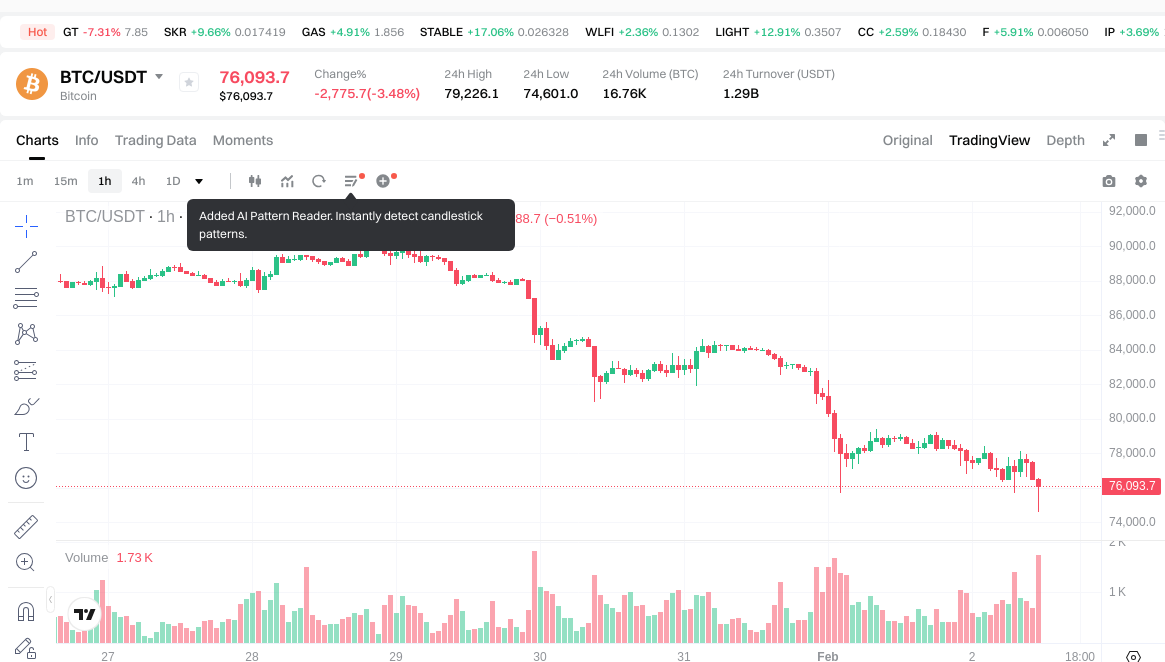 Bitcoin’s network difficulty continues to rise, and effective mining requires specialized ASIC miners with performance measured in hundreds of terahashes per second.
Even if you could theoretically mine Bitcoin on a mobile device, the outcome would be extremely poor: electricity costs and device wear would far outweigh any potential rewards. Heavy processor usage would also cause overheating, rapid battery depletion, and a much shorter device lifespan.
Still, there are alternative cryptocurrencies with lower mining difficulty and other ways to earn digital assets via mobile devices, as discussed below.
How to Mine Cryptocurrency on a Phone
Today, mobile cryptocurrency mining typically follows a cloud mining model. This means users do not directly leverage their phone’s computing power; instead, they use a mobile app to manage rented resources.
Cloud mining via phone works as follows: the user registers on a cloud mining platform, selects a plan, pays for computing resources, and configures mining parameters using the mobile app. All computations occur on remote servers; the smartphone is used only for monitoring and management.
Other options, sometimes labeled as "mobile mining," actually use different models for earning crypto. For instance, some apps reward users with cryptocurrency for simple actions: watching ads, participating in surveys, testing apps, or gaming. While not technically mining in the traditional sense, these methods still allow users to accumulate digital assets.
It's important to highlight that almost no legitimate mobile apps currently enable real mining by utilizing a device’s onboard computing power. The reason is simple: modern smartphones lack the power for effective mining, and attempts to use them this way lead to rapid hardware degradation with negligible financial return.
Conclusions and Recommendations
A review of the mobile mining landscape leads to several key conclusions. Currently, there are no safe and effective mobile apps that use a phone’s computing power for traditional cryptocurrency mining. Technical limitations make this approach unprofitable and potentially damaging to the device.
However, legitimate alternatives exist for those wishing to earn cryptocurrency with a mobile device. For example, you can participate in cloud mining via a mobile app from a major crypto exchange or a dedicated platform. This lets you engage in mining without purchasing or maintaining physical hardware.
There are also other ways for mobile users to earn cryptocurrency. Some projects offer tokens for viewing ads in special browsers, completing microtasks, joining loyalty programs, or testing new apps. While these methods generally offer modest returns, they require no upfront investment and do not harm your device.
Security deserves special attention. Unfortunately, many fraudulent schemes and malware are disguised as mobile mining apps. Scammers exploit interest in crypto earnings by promising outrageously high returns or quick investment payback.
Before downloading any app related to mining or earning cryptocurrency, thoroughly review real user feedback, verify the developer’s reputation, read the terms of use, and ensure the business model is transparent. Only use apps from reputable, established companies with positive standing in the crypto community.
FAQ
What Is Mobile Mining and How Does It Work?
Mobile mining uses a smartphone’s computing power to solve mathematical problems and earn cryptocurrency tokens. The phone computes hash values, and if certain conditions are met, the user receives a reward. However, performance is limited by the device’s hardware.
Can You Actually Make Money with Mobile Mining? What Are the Returns?
Mobile mining provides negligible returns and often results in losses. Rewards are extremely low, and device wear and energy costs outweigh any gains. It's an inefficient method for acquiring cryptocurrency.
How Does Mobile Mining Affect Phone Hardware? Can It Damage the Device?
Mobile mining generates significant heat and accelerates battery wear, reducing the phone’s lifespan. Continuous heavy loads can cause overheating and component damage. Prolonged mining on mobile devices is strongly discouraged.
What’s the Difference Between Mining on a Phone and on a Computer? Why Are Mobile Mining Returns Lower?
Mobile phones are far less powerful than computers. Their processors cannot efficiently solve complex cryptographic tasks, so mobile mining yields much lower returns than traditional computer mining.
What Are the Risks of Mobile Mining and What Security Issues Should You Watch For?
Main risks include device overheating, rapid battery degradation, and exposure to malware. Monitor your phone’s temperature, only download apps from official sources, and keep your security systems up to date.
Which Cryptocurrencies Support Mobile Mining and How Do You Start?
Monero (XMR) is ideal for mobile mining thanks to its CPU-friendly algorithm. Download a mining app, connect to a Monero pool, and ensure your battery is charged and you have a stable internet connection.
* The information is not intended to be and does not constitute financial advice or any other recommendation of any sort offered or endorsed by Gate.