What is NFT minting and how much does it cost to mint tokens
What Is an NFT
Non-fungible tokens (NFTs) are unique digital assets that grant ownership rights to a specific item or digital content. Unlike cryptocurrencies such as Bitcoin or Ether, every NFT has distinct properties and cannot be exchanged for another token on a one-to-one basis.
The NFT format is highly adaptable, enabling tokenization of a broad spectrum of digital and physical assets. Examples of what NFTs can represent include:
- Digital art and graphics
- Music tracks and albums
- Video content and animation
- Game items and characters
- Virtual real estate in metaverse environments
- Collectible cards and memorabilia
- Rights to physical assets and property
The primary function of NFTs is to verify ownership of a digital asset. Token and ownership information is recorded on a distributed blockchain ledger, providing transparency and immutability for asset ownership records.
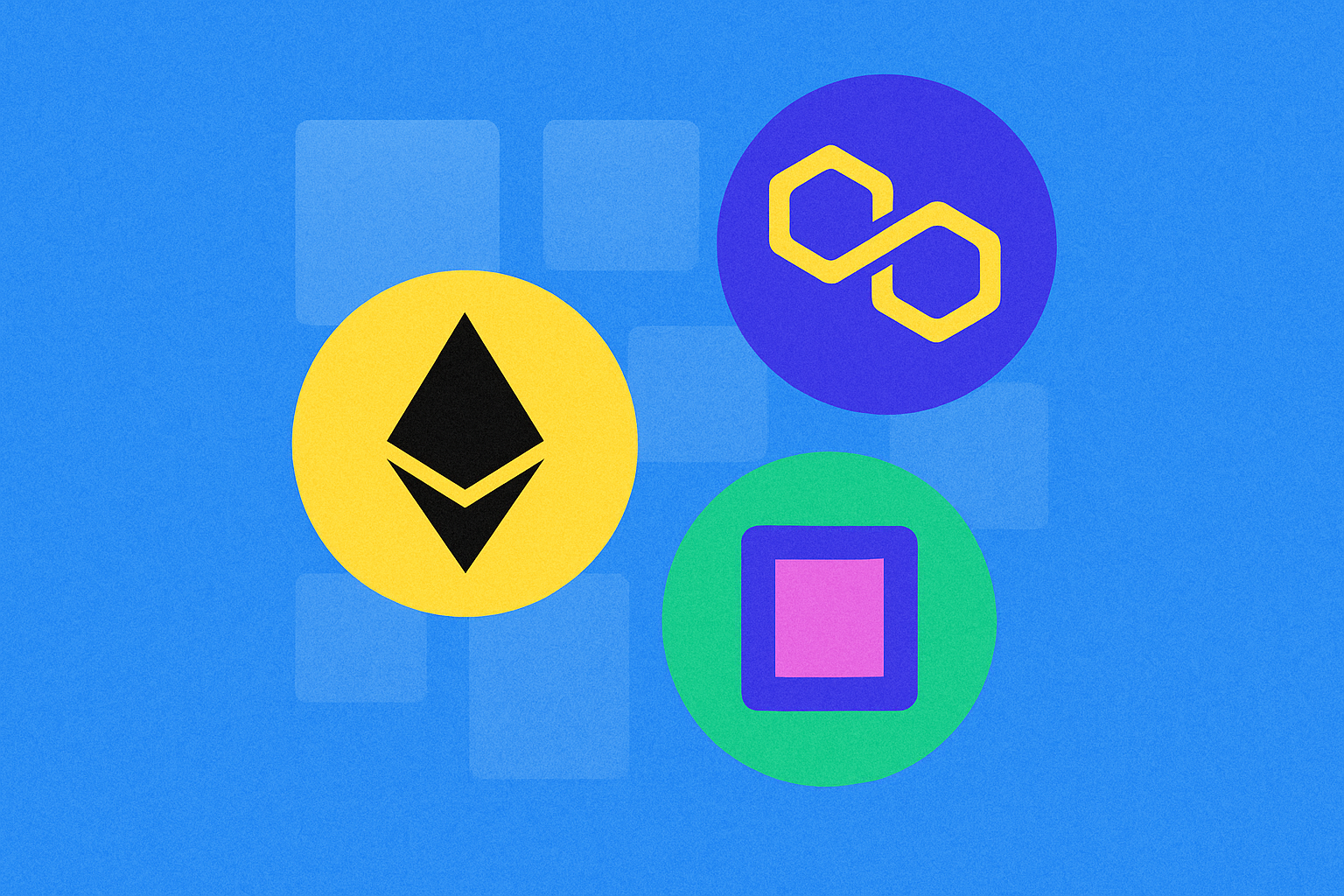
NFT technology is supported by numerous leading blockchain platforms, including Ethereum—one of the most popular smart contract platforms—as well as Flow, Tron, Tezos, Cosmos, EOS, WAX, and Polkadot. Each network offers unique features, advantages, and transaction fee structures.
What Is NFT Minting
Minting—sometimes called "token creation"—is the process of generating a non-fungible token and registering it on the blockchain. In essence, minting converts a digital file into a cryptographic asset that can be bought, sold, or transferred across blockchain platforms.
The minting process involves several key steps:
- Digital content preparation – create or select the file to become an NFT
- Upload to a platform – submit the content to a marketplace or specialized platform
- Set token parameters – define NFT properties, including description, traits, and sales terms
- Pay network fees – cover the transaction costs for blockchain processing
- Register on the blockchain – record token details in the distributed ledger
After minting, NFT and creator information is permanently stored on the blockchain, confirming authorship and tracking the asset’s ownership history.
Ethereum remains the leading network for NFT minting due to its robust infrastructure, extensive marketplace support, and high decentralization.
A critical feature of minting is royalty configuration. Before minting an NFT, creators can set a royalty percentage to receive earnings from every subsequent resale of the token on the secondary market. This mechanism provides a long-term revenue stream for content creators.
How Much Does Minting Cost
The cost to mint an NFT depends on several factors, including the blockchain network selected, current network congestion, and smart contract complexity.
Historically, Ethereum’s peak minting cost for NFTs was recorded at 0.56 ETH in May 2021—a substantial dollar value at that time. By June, this dropped sharply to 0.06 ETH, highlighting significant fee volatility.
Minting costs consist of gas fees—charges for the computational resources required to process the blockchain transaction. These fees fluctuate based on:
- Network congestion – higher simultaneous activity increases fees
- Operation complexity – minting a collection with multiple tokens costs more than a single NFT
- Processing speed – prioritizing faster transaction processing incurs higher charges
Minting NFTs on alternative blockchains can be considerably less expensive than on Ethereum. Some platforms offer token creation for fractions of a dollar. Even so, Ethereum is widely regarded by experts and collectors as the most decentralized and technically secure network—with proven reliability over time.
Does Paid Minting Guarantee NFT Demand?
It’s important to recognize that paying blockchain registration fees does not guarantee commercial success for an NFT. Minting only ensures technical registration on the blockchain—it doesn’t impact artistic value, collector demand, or market price.
Analytics show that one in three minted NFT collections fails to attract buyers and remains in low demand. This is due to several factors:
- Market oversaturation – thousands of new NFT collections launch daily
- Lack of marketing – even high-quality content can go unnoticed without promotion
- Insufficient uniqueness – tokens without distinctive features get lost among competitors
- Weak community – successful projects typically have an active community
- Lack of utility – NFTs without added benefits or functions are less appealing
Before minting an NFT, it’s recommended to carefully plan your project concept, research your target audience, and develop a go-to-market strategy.
How to Mint an NFT
There are two main ways to create and register an NFT on the blockchain. One is through specialized marketplaces; the other is by minting directly on a project’s website. Each method offers unique features and advantages.
Minting NFTs on a Marketplace
NFT marketplaces provide the most accessible and convenient way for most users to mint non-fungible tokens. The minting process on leading platforms typically involves these steps:
1. Register on the platform by connecting your crypto wallet
Start by selecting a marketplace and connecting your crypto wallet. Most platforms support popular wallets like MetaMask, WalletConnect, Coinbase Wallet, and others. Connecting your wallet automatically creates a platform account—no need for traditional email and password registration.
2. Create a single NFT or assemble a collection
Upload your digital asset (image, video, audio, or 3D model), add a description, set token properties, and define sales terms. You can create a single NFT or an entire collection with multiple tokens. When forming a collection, a separate smart contract is usually deployed, which may raise initial costs but can reduce the minting cost for individual tokens later.
3. Register the digital asset on the blockchain and pay network fees
Once all token parameters are set, confirm the minting transaction and pay the network fee. The fee amount is displayed in your wallet before transaction approval. After successful completion, your NFT will be registered on the blockchain and available for sale or transfer.
Cost-saving tip: To minimize minting expenses, monitor network congestion and mint NFTs during periods of low activity, when fees are lowest. Typically, this happens on weekends or late at night in US time zones.
Some marketplaces also feature "lazy minting," where an NFT is created without immediate blockchain registration. Actual minting happens only upon the token’s first sale, and the buyer pays the fee—allowing creators to avoid upfront costs.
Minting NFTs on a Project Website
Certain NFT projects—especially large collections with limited token supply—prefer to host minting on their own websites. This approach gives creators greater control over distribution and enables a unique user experience.
The minting process on a project website usually includes these steps:
1. Authorize in the project using your crypto wallet
Connect your crypto wallet to the project site via the "Connect Wallet" button. After connecting, the system automatically identifies your wallet address and grants access to minting functions. Some projects may require additional verification or whitelist participation to qualify for minting.
2. Verify sufficient funds
Before minting, ensure your wallet holds enough funds to pay for the NFT and network fees. The site interface typically shows the required amount and your wallet balance. Remember, you’ll need to pay gas fees in addition to the token price, and these fees can vary widely based on network congestion.
3. Execute the minting process
After clicking the minting button, your wallet will prompt for transaction approval, detailing all associated costs. Once confirmed, the minting process begins. Depending on blockchain congestion, this can take a few seconds to several minutes. After completion, the NFT will appear in your wallet.
Key recommendations: Before minting on a project site, check the exact cost for minting your desired NFT. Many projects publish detailed pricing, token limits per wallet, and minting start times. Always verify the project site’s authenticity to avoid scams and phishing attacks.
Some projects conduct minting in multiple phases: first for whitelist participants at lower prices, then for the public. Early participation can be more cost-effective and give access to rare tokens within the collection.
FAQ
What is NFT minting and how does the minting process work?
NFT minting is the process of creating and initially recording an NFT on the blockchain. Minting is typically performed by the creator or an authorized party. Once complete, the NFT is permanently and immutably recorded on the blockchain as a unique asset.
How much does NFT minting cost and what are the main factors influencing price?
Minting an NFT costs about $10, mainly due to blockchain network fees. Key factors include network congestion and additional fees set by the creator. If minting fails, you’ll need to pay another $10 and wait 24 hours.
What are the differences in NFT minting costs across blockchains? Comparison of minting costs for tokens on Ethereum, Polygon, and Solana
Ethereum has the highest minting fees for NFTs. Polygon is much cheaper, and Solana offers the lowest costs (usually starting at $0.015). Your blockchain choice depends on your budget and transaction speed needs.
How can you reduce gas costs when minting NFTs? What are effective ways to save?
Use alternative blockchains (Polygon, BSC), transact during periods of low network activity, and batch multiple operations into a single transaction to lower fees.
How can I mint an NFT myself? What tools and technical skills are required?
Use a MetaMask wallet, select a blockchain (Ethereum or Solana), and choose a minting platform (OpenSea, Rarible). Upload your digital asset, fill in metadata, and confirm the transaction. Basic wallet skills are sufficient.
Will the fee be lost if NFT minting fails? What risks are present during minting?
If NFT minting fails, the fee may be lost. Main risks include errors during minting and prohibited content. Mistakes in the process can prevent transaction completion and result in lost funds.
Share
Content
How to Buy Cryptocurrency


Trending Cryptocurrencies



Treasure NFT Marketplace: A 2025 Guide for Web3 Gamers and Investors

What are the new trends in the NFT market in 2025?
NFT Treasure Hunting: Top Strategies for Web3 Collectors in 2025
How to Create and Sell NFTs: A Step-by-Step Guide for Beginners

The technical principles and application scenarios of 2025 NFTs

How to Create an NFT in 2025: A Step-by-Step Guide

What Is Fragment and How to Earn on the Platform
Is Cryptocurrency Mining Profitable?
What Is FOMO Syndrome? How Does It Lead to Loss of Wealth?
What is Satoshi and Why Bitcoin is Divided into Parts
Movement Coin Price Outlook and Delisting Controversy: Everything You Need to Know