


Current developments in the cryptocurrency market today - Real-time updates

Current Trends in the Cryptocurrency Market: An Updated Analysis
The cryptocurrency market is evolving rapidly, marked by significant developments that demand attention from both investors and traders. Regulatory actions, expanding infrastructure, landmark legal decisions, and forward-looking projections are shaping the future of the industry.
Among the most prominent developments is the sharp rise in the deployment of cryptocurrency ATMs (Crypto ATMs), which reflects growing retail acceptance and adoption. This trend signals industry maturity and deeper integration with the established financial system.
Regulatory authorities continue to scrutinize financial products tied to cryptocurrencies, with particular focus on digital asset ETFs. These decisions generate anticipation about the approval of major financial instruments that could broaden access to digital assets.
What’s Happening With Cryptocurrency Exchanges?
Leading cryptocurrency exchanges are under ongoing regulatory review. Global giants have faced legal actions from regulators, who are working to clarify the legal framework for the industry. While this introduces uncertainty for platforms and millions of users, it also helps drive market maturity.
The regulatory landscape is constantly changing, as authorities worldwide seek to balance investor protection with technological innovation. Investors should monitor these shifts closely and choose platforms that are transparent and compliant with regulations.
Internationally, emerging markets are seeing increased interest in cryptocurrencies, especially among younger investors. Developing nations recognize the sector’s strong growth potential, underlining blockchain technology’s global reach.
Seasoned investors remain cautious on top digital assets, suggesting that the original vision of cryptocurrencies as tools for financial freedom and independence is still being realized and that the market is not yet fully mature.
Long-Term Investment Recommendations
For those building long-term positions in crypto, focus on assets with robust fundamentals and proven growth prospects. A sound investment strategy should balance security, technological innovation, and market adoption.
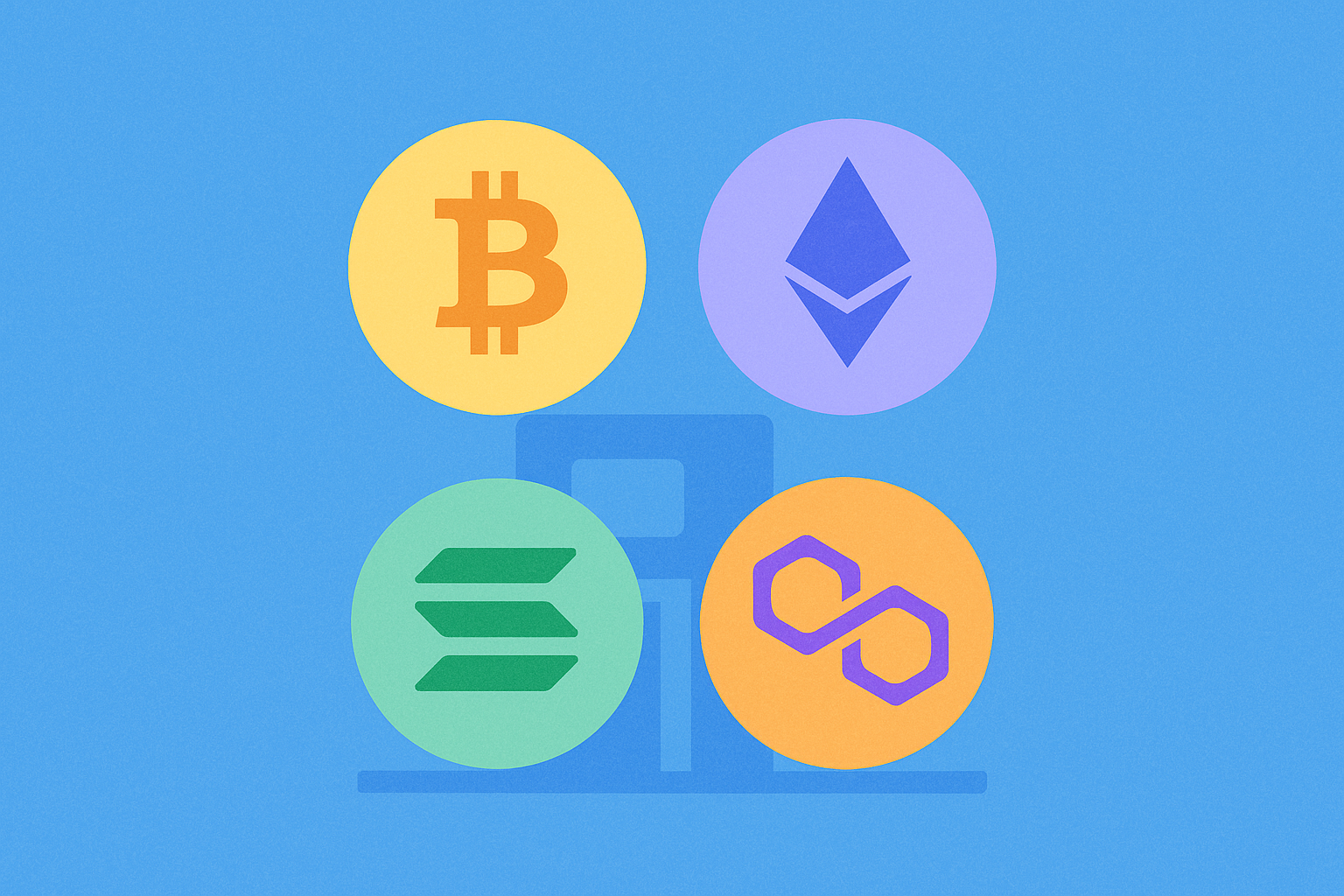
Bitcoin (BTC) remains the most established and stable asset in the crypto space. Recognized as a digital store of value, it continues to serve as the primary entry point for new investors. Its market cap, liquidity, and institutional acceptance make it a cornerstone of any diversified portfolio. Bitcoin’s maturity and rising institutional adoption support its long-term growth potential.
Ethereum (ETH) stands out as an attractive alternative, fueled by expectations for new financial products and ongoing infrastructure upgrades. The Ethereum network is central to DeFi, NFTs, and decentralized applications (dApps). Continuous tech improvements—including greater scalability and energy efficiency—make it a compelling choice for those seeking exposure to blockchain innovation.
Solana (SOL) has emerged as a promising project, with financial institutions showing increasing interest in products tied to the asset. Solana’s blockchain delivers fast transaction speeds and low fees, positioning it as a competitive alternative. Its growing ecosystem, with a range of DeFi and NFT projects, demonstrates substantial potential for expansion and adoption.
Polygon (MATIC) further diversifies portfolios by delivering scalability solutions for Ethereum. The network continues to expand, supporting projects that combine security with operational efficiency. As a Layer 2 solution, Polygon plays a strategic role in the broader growth of the blockchain ecosystem.
It’s important to note that all crypto investments carry substantial risks due to the market’s inherent volatility. Diversifying across assets, conducting ongoing due diligence, and keeping up with regulatory developments are critical for long-term success.
Conclusion
The cryptocurrency market is maturing, evidenced by the rollout of Crypto ATMs, regulatory progress around ETFs, and the development of legal frameworks for trading platforms. These advances create a more structured environment for both institutional and retail investors.
Ongoing industry evolution—seen in regulatory challenges for major exchanges, anticipation of new financial products, and growth in emerging markets—shows cryptocurrencies are becoming increasingly integrated within global finance. However, the prudent outlook from experienced investors underscores the importance of realistic expectations and sound strategies.
To thrive in this fast-moving market, stay informed, conduct rigorous analysis, understand the risks, and build a diversified portfolio. Opportunities abound, but they require knowledge, patience, and discipline to capitalize on effectively. While the outlook for cryptocurrencies is promising, investors must remain committed to ongoing education and make decisions grounded in fundamentals rather than speculation.
Share
Content
How to Buy Cryptocurrency


Trending Cryptocurrencies



Best Crypto to Invest in 2025

How Does Solana (SOL) Compare to Ethereum and Bitcoin in 2025?

How Will Competitive Analysis Evolve in Crypto by 2030?
Crypto Bull Run and How to Ride the Wave

Will Crypto Recover in 2025?

IOU Meaning in Crypto

2025 Top Crypto Presales with High Growth Potential
Ruja Ignatova explained, the queen behind the largest Crypto Assets scam.

A Simple Guide to Purchasing USDT Using Your Credit Card

Easy Steps to Claim Your Bitcoin Airdrop

Top Bitcoin Holders: Analyzing Satoshi Nakamoto's Wealth
