Who is Satoshi Nakamoto, or who created Bitcoin


Satoshi Nakamoto: The Inventor of Bitcoin
Satoshi Nakamoto is the pseudonym used by the mysterious founder of Bitcoin, the world’s first decentralized cryptocurrency. The creation of Bitcoin began in the late 2000s and sparked a revolution in financial technology.
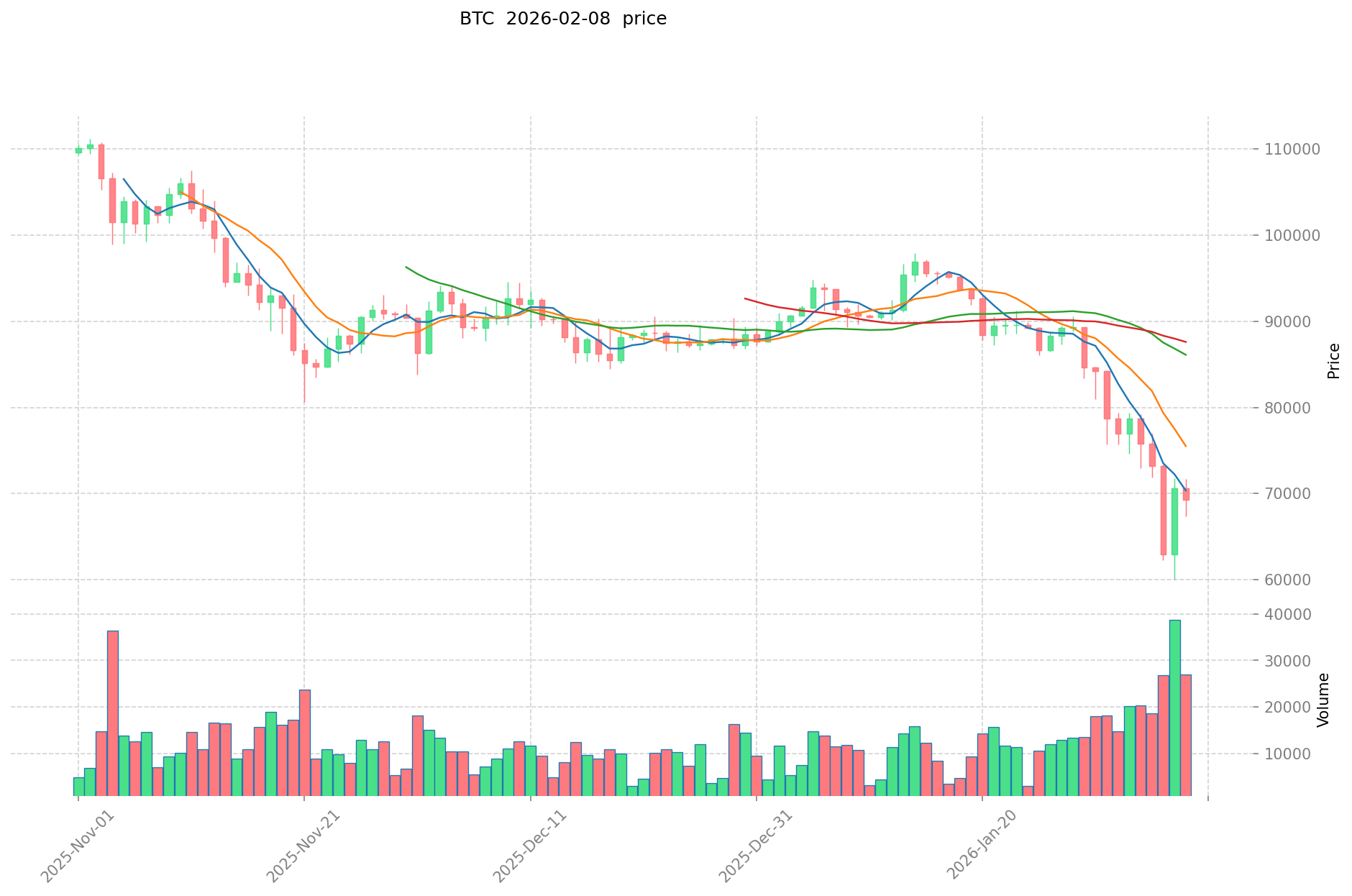 Below are the key milestones in Bitcoin’s development—events that permanently changed the way we think about money and the global financial system.
2007 – According to Satoshi Nakamoto, this was when intensive work on the Bitcoin protocol began. It was a period devoted to carefully designing the concept of a decentralized digital currency capable of operating without central banks or financial intermediaries.
August 2008 – Satoshi took a major step to protect his anonymity by registering the domain bitcoin.org via anonymousspeech.com. This action underscored his desire to remain anonymous and keep the community’s focus on the technology itself, not the developer’s identity.
October 2008 – Satoshi released his groundbreaking paper, “Bitcoin: A Peer-to-Peer Electronic Cash System,” to a closed cryptography mailing list. Many in the community, noting the Japanese name, speculated that the author was of Asian descent. However, the document was written in impeccable academic English, fueling further speculation about the creator’s true nationality.
January 3, 2009 – This day marked a historic moment for cryptocurrencies: the first genesis block (block #0) was mined, laying the foundation for the entire Bitcoin network. Satoshi embedded the first 50 BTC and left a message in the code: “The Times 03/Jan/2009 Chancellor on brink of second bailout for banks”—a quote from a British newspaper, referencing issues in the traditional financial system.
January 9, 2009 – Bitcoin software version 0.1 was released, making it available for anyone to download and use. This milestone allowed the first enthusiasts to join the network and begin mining Bitcoin.
January 12, 2009 – The first transaction in Bitcoin history took place. Satoshi Nakamoto sent coins to Hal Finney, an American programmer and cryptographer. This transaction proved the system worked and marked the symbolic start of the digital currency era.
February 6, 2010 – Bitcoin Market, the first official exchange for BTC, opened. This event established a market value for Bitcoin and created infrastructure for its use as a medium of exchange.
May 22, 2010 – The first recorded transaction where Bitcoin was used to purchase real goods happened: programmer Laszlo Hanyecz bought two pizzas for 10,000 BTC. This legendary event is now celebrated as “Bitcoin Pizza Day.”
2010 – Throughout the year, Satoshi Nakamoto and other developers continued to actively modify and improve the BTC protocol. Important changes were made to the code, increasing the network’s security and efficiency.
April 23, 2011 – Satoshi Nakamoto posted a farewell message in a private developer forum, announcing he was moving on to other projects. After this, he disappeared from public view and handed control of the project to the developer community. No further messages have been received from him, and his identity remains one of the greatest mysteries of our era.
Who Might Be Satoshi: Theories About Bitcoin’s Creator
Since Bitcoin’s launch, many theories have emerged about Satoshi Nakamoto’s true identity. The crypto community and journalists have proposed various candidates who might be behind the pseudonym. Here are some of the most prominent contenders and the evidence for their possible involvement in creating Bitcoin.
1. Dorian Nakamoto
Dorian Nakamoto (full name Dorian Satoshi Nakamoto) is an American physicist of Japanese descent, born in 1949. In 2014, Newsweek journalist Leah McGrath Goodman published an article claiming Dorian was Bitcoin’s creator, citing the name match and his work on classified defense projects as well as his technical expertise.
Nakamoto adamantly denied any involvement in Bitcoin’s creation, stating he first learned about the technology after Goodman’s visit. Notably, shortly after the article appeared, a post from Satoshi Nakamoto’s account surfaced on a forum: “I am not Dorian Nakamoto.” This was the first message from Bitcoin’s creator in years, adding more intrigue to the story.
2. Craig Wright
Craig Wright is an Australian scientist, entrepreneur, and computer science expert who, in May 2016, publicly claimed to be Bitcoin’s inventor. Wright presented technical evidence, including cryptographic signatures, which he said linked him to early Bitcoin blocks.
The crypto community reacted with deep skepticism. Many experts pointed out flaws in the evidence and accused Wright of fraud. Despite this, Wright continues to assert his authorship in court. He has been involved in several high-profile legal cases, including one from the heirs of Dave Kleiman, whom plaintiffs allege was Wright’s partner in creating Bitcoin.
3. Nick Szabo
Nick Szabo is an American computer scientist, cryptographer, and lawyer considered one of the most likely candidates for Satoshi Nakamoto. In 1998, Szabo proposed the concept of smart contracts—self-executing programmatic algorithms that later became foundational for blockchain projects. He also developed the BitGold protocol, a decentralized digital currency mechanism many experts view as a direct predecessor to Bitcoin.
Stylistic analysis of Szabo’s writings and the Bitcoin whitepaper revealed notable similarities in style and terminology. The timeline for BitGold development also coincides with Bitcoin’s creation. However, Szabo has repeatedly denied being involved in BTC’s creation, though he acknowledges his influence on the development of cryptographic currencies.
4. Hal Finney
Hal Finney (1956–2014) was a distinguished American programmer and cryptographer, one of Bitcoin’s earliest participants. Finney said he was in close contact with Satoshi Nakamoto during the project’s early stages, providing technical support and assisting with system testing. He was the first recipient of a Bitcoin transaction when Satoshi sent him 10 BTC on January 12, 2009.
Some researchers believe Finney may have been Satoshi himself or part of the team behind the pseudonym. Supporting this theory are Finney’s technical expertise, active role in the cryptographic community, and geographic proximity to Dorian Nakamoto (they lived in the same California neighborhood). However, until his death from ALS in 2014, Finney consistently denied being Bitcoin’s creator.
5. Elon Musk
Elon Musk is one of the most successful entrepreneurs of the modern era, founder of Tesla and SpaceX, and an active participant in the crypto community. In 2021, a former SpaceX colleague suggested Musk might be Satoshi Nakamoto, citing his deep expertise in economics, cryptography, and programming.
Musk has the technical skills and experience launching innovative projects, which theoretically makes him a plausible candidate. His companies also engage actively with the crypto industry. However, Musk has categorically denied this theory, stating he is not Bitcoin’s creator and lost the BTC gifted to him years ago.
Satoshi’s Legacy
Satoshi Nakamoto is remembered not only as the creator of the first successful digital currency, but also as the originator of a philosophy of financial decentralization. His revolutionary vision was to build a monetary system that operates without central banks, governments, or financial intermediaries. This idea became the foundation for the movement toward financial freedom and transparency, which continues to grow.
The crypto community still follows the original philosophy and development principles Satoshi outlined in the whitepaper and forum posts. Decentralization, transparent transactions, limited issuance, and censorship resistance remain core values for millions of cryptocurrency supporters worldwide.
Various expert estimates suggest Satoshi Nakamoto’s personal Bitcoin holdings range from 750,000 to 1,100,000 BTC, mined during the network’s early months. At today’s market prices, that wealth is worth tens of billions of dollars, making Satoshi one of the world’s richest individuals. Remarkably, these coins have never moved since their creation, indicating he is not seeking personal enrichment.
The total supply of BTC is capped at 21 million coins and hardcoded into the protocol. This limitation creates scarcity and protects Bitcoin from inflation, unlike traditional fiat currencies whose supply can be increased by central banks. As a result, Bitcoin is regarded as “digital gold”—a long-term store of value.
Satoshi Nakamoto’s legacy goes far beyond Bitcoin’s creation. His work inspired thousands of developers to launch alternative cryptocurrencies and blockchain projects, applying distributed ledger technology across industries—from finance to healthcare and government. Blockchain, the technology behind Bitcoin, is recognized as one of the most important inventions of the 21st century and continues to reshape the global economy.
FAQ
Who is Satoshi Nakamoto and what is his real identity?
Satoshi Nakamoto is the pseudonymous creator of Bitcoin who published the whitepaper in 2008. His real identity remains unknown. Multiple theories exist, but none are officially confirmed. Nakamoto stepped away from the project in 2010.
Why did Satoshi Nakamoto create Bitcoin? What was Bitcoin’s original purpose?
Satoshi Nakamoto created Bitcoin as a decentralized digital currency, free from government control. His aim was to build an electronic money system for direct, peer-to-peer payments without intermediaries, inspired by crypto-anarchist ideas and early digital money concepts.
Where is Satoshi Nakamoto now? Why did he disappear?
Satoshi Nakamoto deliberately concealed his identity and vanished in 2010. His whereabouts are unknown. He relied on anonymous services and cryptography for protection. Disappearing shielded Bitcoin from political risks. The true identity of Bitcoin’s creator remains the greatest mystery in the crypto world.
How many Bitcoins does Satoshi Nakamoto own? What is the value of his holdings?
Satoshi Nakamoto owns approximately 1 million Bitcoins. As of 2026, his wealth is estimated in the hundreds of billions of dollars, making him one of the world’s richest people thanks to Bitcoin’s appreciation.
Who might be Satoshi Nakamoto?
The creator’s identity is still unknown. Suspected candidates include physicist Dorian Nakamoto, computer engineer Nick Szabo, and Japanese mathematician Shinichi Mochizuki.
When was the Bitcoin whitepaper published? What does it cover?
The Bitcoin whitepaper was published on October 31, 2008. It describes blockchain and decentralized digital currency, which doesn’t require trust in central authorities. The paper introduced the Proof of Work consensus algorithm and a mechanism to prevent double spending.
How did Satoshi Nakamoto influence Bitcoin’s development?
Satoshi Nakamoto created Bitcoin and defined its fundamental architecture. His technical decisions and cryptographic innovations established the foundation for the entire blockchain ecosystem. While he cannot unilaterally change the protocol, his ideas remain highly influential in the evolution of cryptocurrencies.
Share
Content
How to Buy Cryptocurrency


Trending Cryptocurrencies



XZXX: A Comprehensive Guide to the BRC-20 Meme Token in 2025

Survey Note: Detailed Analysis of the Best AI in 2025

Detailed Analysis of the Best 10 GameFi Projects to Play and Earn in 2025

Kaspa’s Journey: From BlockDAG Innovation to Market Buzz

Best Crypto Wallets 2025: How to Choose and Secure Your Digital Assets
Popular GameFi Games in 2025
Comprehensive Guide to Value Investment Strategy: The Dr. Niwes Approach

Bitcoin Phone Scams – How to Avoid Being Deceived

Getting Started with Cloud Mining

The 8 Best Companies Building in the Metaverse in 2025
Top Solutions for Buying Bitcoin and Cryptocurrencies