Background of Gate Tokenized Stocks Section
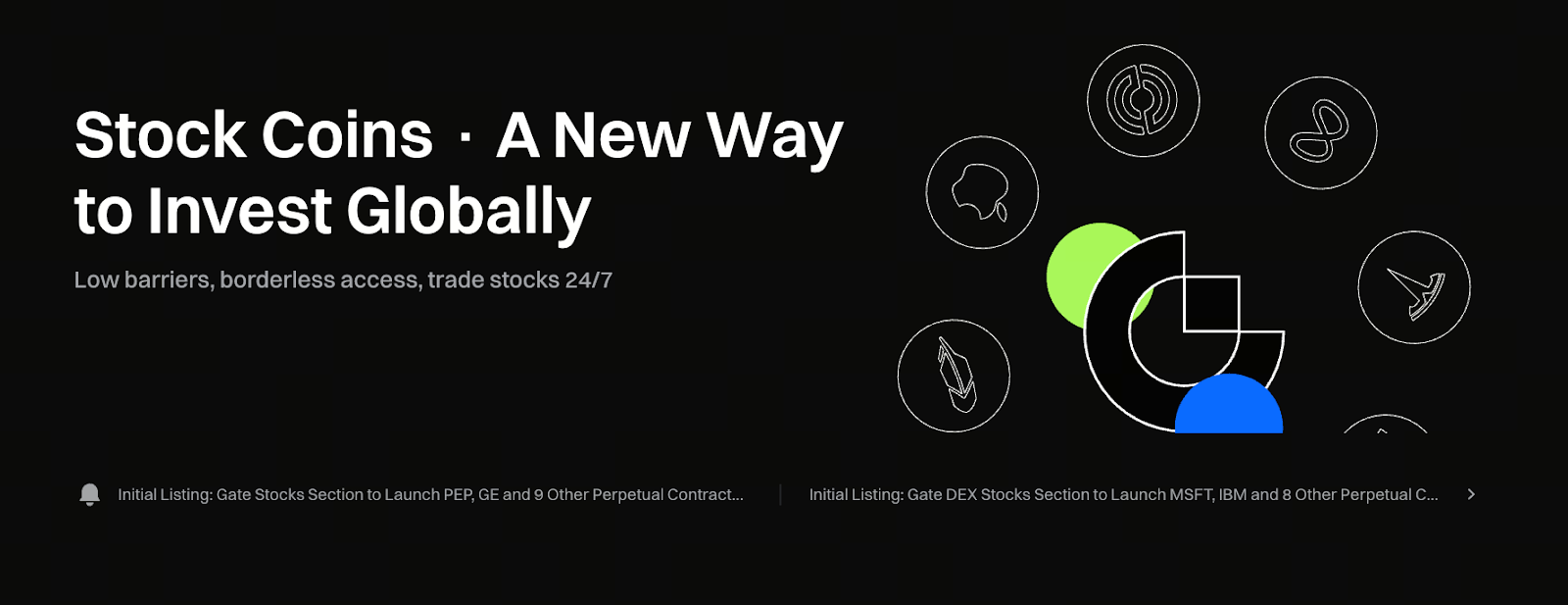
Image: https://www.gate.com/tokenized-stocks
In recent years, digital asset trading platforms have consistently expanded the types of tradable assets to meet users’ evolving needs. In line with this trend, Gate introduced its tokenized stocks section, allowing users to engage with the price movements of select mainstream stocks within a familiar crypto trading environment—without entering the traditional securities market.
The core goal of this product is to give users access to a range of asset markets on a single platform, increasing trading flexibility and broadening asset allocation choices.
Basic Trading Model for Gate Tokenized Stocks
Gate tokenized stocks are digital assets traded within the platform. Their prices generally reference the performance of the underlying stocks in traditional financial markets, while also reflecting supply and demand dynamics on the platform, which drive price fluctuations.
When users buy or sell tokenized stocks, they’re speculating on price movements rather than owning the actual stock. This means the trading experience is more aligned with digital asset trading logic than with conventional stock investment processes.
Advantages of Trading Tokenized Stocks
For users already experienced with crypto trading, Gate’s tokenized stocks section offers a low barrier to entry. Users can manage assets and execute trades directly in their platform accounts, without opening separate securities accounts or dealing with cross-border settlement procedures.
Tokenized stocks also typically support smaller trade sizes, enabling users to track a variety of stock price trends with limited capital and providing greater flexibility for asset allocation.
Differences from Traditional Stock Investing
It’s important to recognize that tokenized stocks are not the same as direct stock investments. Holding tokenized stocks does not entitle users to dividends, shareholder rights, or governance participation. As a result, tokenized stocks are better suited for users focused on price volatility rather than those seeking long-term holding returns.
In essence, tokenized stocks are tools for price speculation, not equity investment products.
Common Reasons Users Trade Gate Tokenized Stocks
Many users trade tokenized stocks to monitor traditional stock market trends within a digital asset environment. For example, when tech or energy stocks experience increased volatility, users can participate in these markets through tokenized stocks, without switching to conventional securities platforms.
This approach is ideal for short-term trading strategies or multi-asset monitoring, rather than long-term investing.
Risk Factors in Tokenized Stock Trading
Although tokenized stock prices generally reflect real stock trends, they’re still subject to platform liquidity, market sentiment, and trading activity, which can cause short-term price deviations. Volatility in the crypto market can also indirectly impact trading behavior.
Therefore, users should fully understand the product rules, manage position sizes prudently, and implement robust risk management when trading.
Significance of Gate Tokenized Stocks Section
The launch of Gate’s tokenized stocks section highlights the evolution of digital asset trading platforms toward multi-asset integration. By bringing stock price-linked assets into the crypto ecosystem, the platform gives users more ways to participate in the market and enhances the overall diversity of the trading environment.
This model is not designed to replace traditional securities trading but provides users with a new tool for price speculation.
Summary
In summary, Gate’s tokenized stocks section enables users to follow stock price movements within a crypto trading environment. With a clear understanding of the product’s features and risk boundaries, tokenized stocks can be a valuable addition to trading strategies. Rational participation is always essential when using these products.