What Is the Fear and Greed Index?
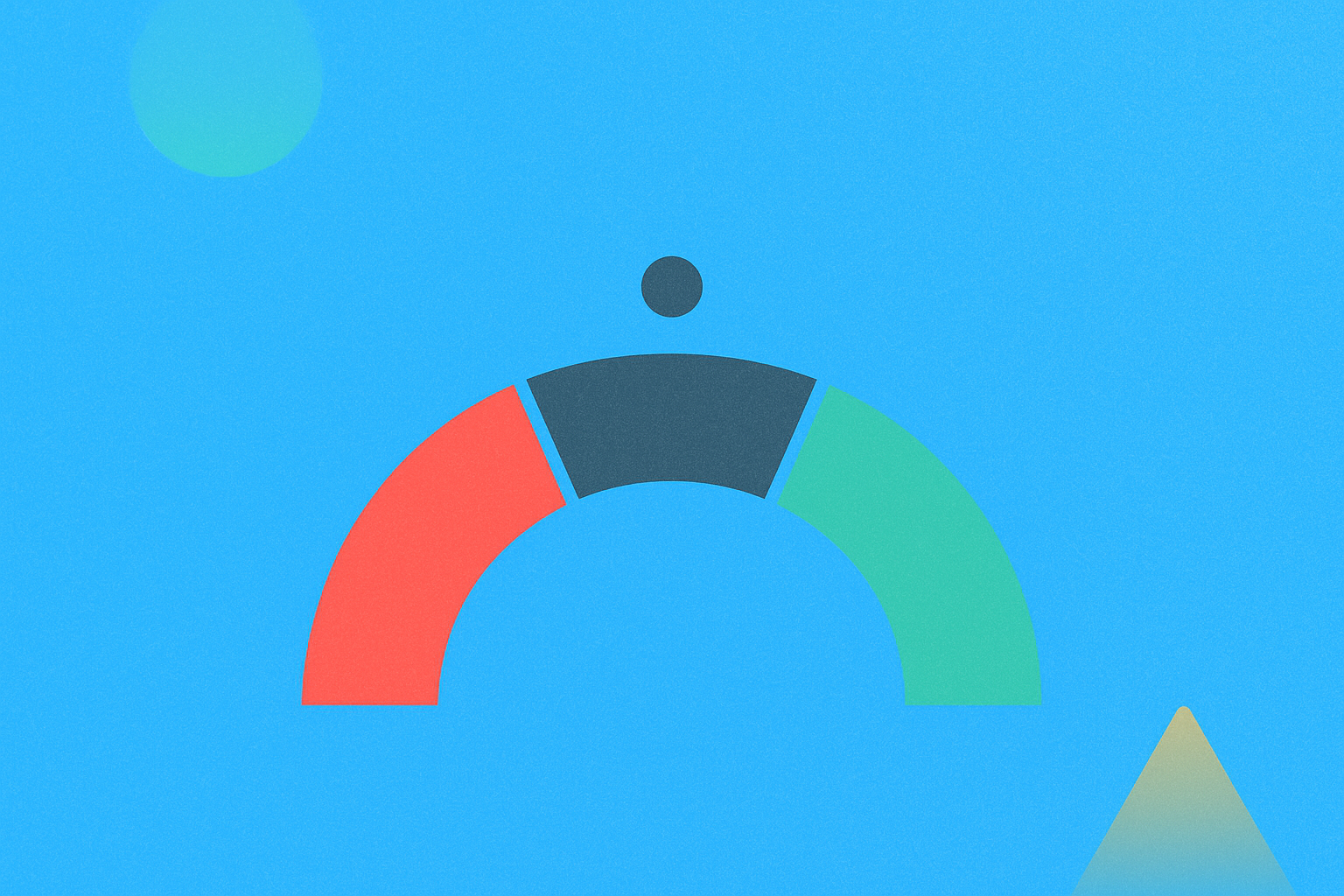
The Fear and Greed Index is a score that measures overall sentiment in the crypto market, aggregating multiple signals into a value from 0 to 100 to indicate whether conditions are more “fearful” or “greedy.” It serves as a reference tool rather than a price prediction model.
Think of it as a “sentiment thermometer”: low scores suggest the market is cautious with more sellers, while high scores signal greater optimism and increased buying activity. Most third-party platforms update this score daily, allowing investors to monitor shifts in market sentiment.
Why Does the Fear and Greed Index Influence the Crypto Market?
The Fear and Greed Index reflects collective emotions at any given time, and short-term prices are often driven by sentiment. When emotions run cold, sell-offs tend to intensify; when emotions heat up, chasing rallies becomes more common.
Crypto markets are global and fast-moving, making herd behavior likely among participants. When the index reaches extreme levels, the market is prone to overreactions—such as underestimating risk during fear or ignoring potential pullbacks during greed. This explains its influence on short-term price movements.
What Are the Data Sources for the Fear and Greed Index?
The Fear and Greed Index typically aggregates various signals, and while different providers may use slightly different methods, common components include:
- Volatility: Measures the speed and amplitude of price changes. Higher volatility usually increases the fear component.
- Trading Volume and Momentum: Volume tracks how much is traded today; momentum gauges the strength of recent price moves. Strong volume and bullish momentum push greed higher.
- Search Trends: Monitors how frequently related keywords are searched online; sudden spikes often coincide with shifts in sentiment.
- Social Media Sentiment: Analyzes positive vs. negative discussions and topic popularity. More optimistic conversations may boost the score.
- Bitcoin Dominance: Represents Bitcoin’s share of total crypto market cap. Rising dominance often signals risk aversion, which can reduce greed scores.
These signals are standardized and combined into a single score, making it easy to compare market sentiment across different dates.
The calculation centers on converting different signals into comparable scales, then weighting them to form a score between 0 and 100. Each provider may use different weights and algorithms, so scores can vary by methodology.
Common interpretations break down as follows: 0-24 indicates strong fear, 25-49 suggests moderate fear, 50-74 points to greed, and 75-100 marks strong greed. These thresholds are guidelines—not strict rules—acting as signposts for cold or hot sentiment zones. Aggregator sites like Alternative.me update scores daily and offer multi-week trend charts for tracking sentiment persistence.
How Do You Use the Fear and Greed Index for Trading and Investing?
The Fear and Greed Index can be part of your “emotional risk control,” complementing trend analysis and staged execution to minimize decision bias.
Step 1: Identify the overall trend. Use weekly price charts and moving averages (average prices over a set period) to assess whether the market is trending up, consolidating, or falling—avoiding trades against the main trend.
Step 2: Plan your staged actions. In strong fear zones (below 25), consider phased buying by splitting funds into multiple orders; in strong greed zones (above 75), look at partial selling or profit-taking to manage overexposure risk.
Step 3: Set stop-loss and take-profit points in your plan. Stop-loss means exiting when losses hit a preset level; take-profit locks in gains at your target. Both help prevent excessive trading triggered by emotional swings.
Step 4: Document and review your trades. Record every index-driven action, price, and outcome, then periodically analyze effectiveness and adjust thresholds or frequency based on trends and volatility.
How Can You Use the Fear and Greed Index on Gate?
On Gate, you can integrate the Fear and Greed Index with platform tools for a “staged + risk-managed” approach:
Step 1: Create a plan with alerts. When the index nears key fear or greed thresholds, set price alerts for target assets via Gate’s market page to avoid missing execution windows due to emotional swings.
Step 2: Staged buying or selling. When the index is deep in fear territory, use Gate’s spot staged buy or auto-invest functions to set fixed amounts and intervals; in strong greed zones, gradually reduce positions and preset some take-profit orders.
Step 3: Activate risk management tools. Set stop-loss and take-profit trigger prices on Gate to automate execution, minimizing emotional interference during trades.
Step 4: Apply grid trading in range-bound environments. Grid trading automates buying low/selling high within preset price ranges—ideal when the index oscillates between medium-high and medium-low scores to maintain discipline.
Step 5: Use leverage cautiously. Extreme fear or greed amplifies contract leverage risk. On Gate, use low leverage, manage position sizes, and set risk limits to prevent small market moves from causing outsized losses.
Risk Warning: Any strategy based on the Fear and Greed Index carries loss potential. Always test with small amounts, use staged execution, and align with your personal risk tolerance.
What Are the Limitations and Risks of the Fear and Greed Index?
The index summarizes outcomes rather than predicting causes; extreme readings can persist without immediate reversals.
It may also lag behind price changes; differences in provider algorithms and weights mean scores aren’t always directly comparable. Major events (policy shifts, black swans) can swiftly change sentiment, distorting the index temporarily. Relying solely on it risks ignoring fundamentals or liquidity factors that drive price.
How Should You Combine the Fear and Greed Index with Other Indicators?
The index works well alongside trend and momentum indicators for stronger decision-making.
- With moving averages: Use medium-to-long term averages to confirm major trends. Align staged actions and risk management with both trend direction and index signals for higher win rates.
- With RSI: The Relative Strength Index gauges recent price strength. When greed is high and RSI is overbought, staged profit-taking enforces discipline; when fear dominates and RSI is oversold, staged buying is more confident.
- With funding rates: In perpetual contracts, funding rates reflect long-short cost balance. Overheated sentiment plus rising positive funding rates increase pullback risk—reduce leverage accordingly.
Historical curves mostly illustrate “sentiment persistence.” In recent Bitcoin cycles, bull markets see scores well above 50 for extended periods; extreme greed (75+) can last weeks. In bear phases or sharp corrections, scores often drop below 30 with repeated tests of lower zones. Data comes from public aggregator sites like Alternative.me—methodologies evolve over time so weights may change.
Key takeaway: Extreme sentiment is not a reversal signal but a prompt for risk management. Combining trend analysis with staged execution is more reliable than relying solely on scores to catch tops or bottoms.
Key Takeaways on the Fear and Greed Index
The Fear and Greed Index aggregates multiple signals into a sentiment score, helping identify hot or cold market conditions. It does not predict the future but works best when combined with trend analysis, staged execution, take-profit/stop-loss strategies, etc. On Gate, use price alerts, auto-invest/grid trading, low leverage, and robust risk management—start small before scaling up. Remember its lagging nature and methodological differences; avoid treating any single score as all-powerful—use it as a disciplined decision-making aid only.
FAQ
What Is the Value Range of the Fear and Greed Index? What Do Different Zones Mean?
The Fear and Greed Index typically ranges from 0 to 100 across five zones: 0-25 means extreme fear, 26-46 indicates fear, 47-54 is neutral, 55-75 suggests greed, while 76-100 signals extreme greed. Each range reflects the emotional state of market participants, helping traders assess whether sentiment is at an extreme.
How Does the Fear and Greed Index Impact Crypto Prices?
The index captures collective market psychology—extreme fear often presents buying opportunities at potential bottoms; extreme greed may signal higher risk of corrections. Historical data shows that index extremes tend to coincide with price turning points, but since it lags real-time moves it should never be used alone—always combine with technical analysis and fundamentals for robust decisions.
How Can You Use the Fear and Greed Index for Trading on Gate?
On Gate, use the index as a reference signal: consider accumulating spot positions or modest leveraged longs during extreme fear (0-25), while reducing positions or taking profits during extreme greed (76-100). Confirm moves with candlestick patterns, volume analysis, or other technical indicators—and always set stop-loss levels to manage risk rather than relying exclusively on any single metric.
How Often Is the Fear and Greed Index Updated? Where Can You Track It?
The index is usually updated daily (some platforms refresh hourly). Major sites like the official Fear and Greed Index provide free access to current values; exchanges like Gate display its chart in their market analysis sections so users can track real-time sentiment shifts.
When Might the Fear and Greed Index Fail?
The index can fail during unexpected positive/negative news events, regulatory changes, or liquidity crises—times when sentiment changes abruptly. As a lagging indicator, it cannot forecast market turns ahead of time; relying too heavily on it can lead to chasing tops or bottoms. Treat it strictly as a supporting tool—prioritize fundamentals and sound risk management practices.