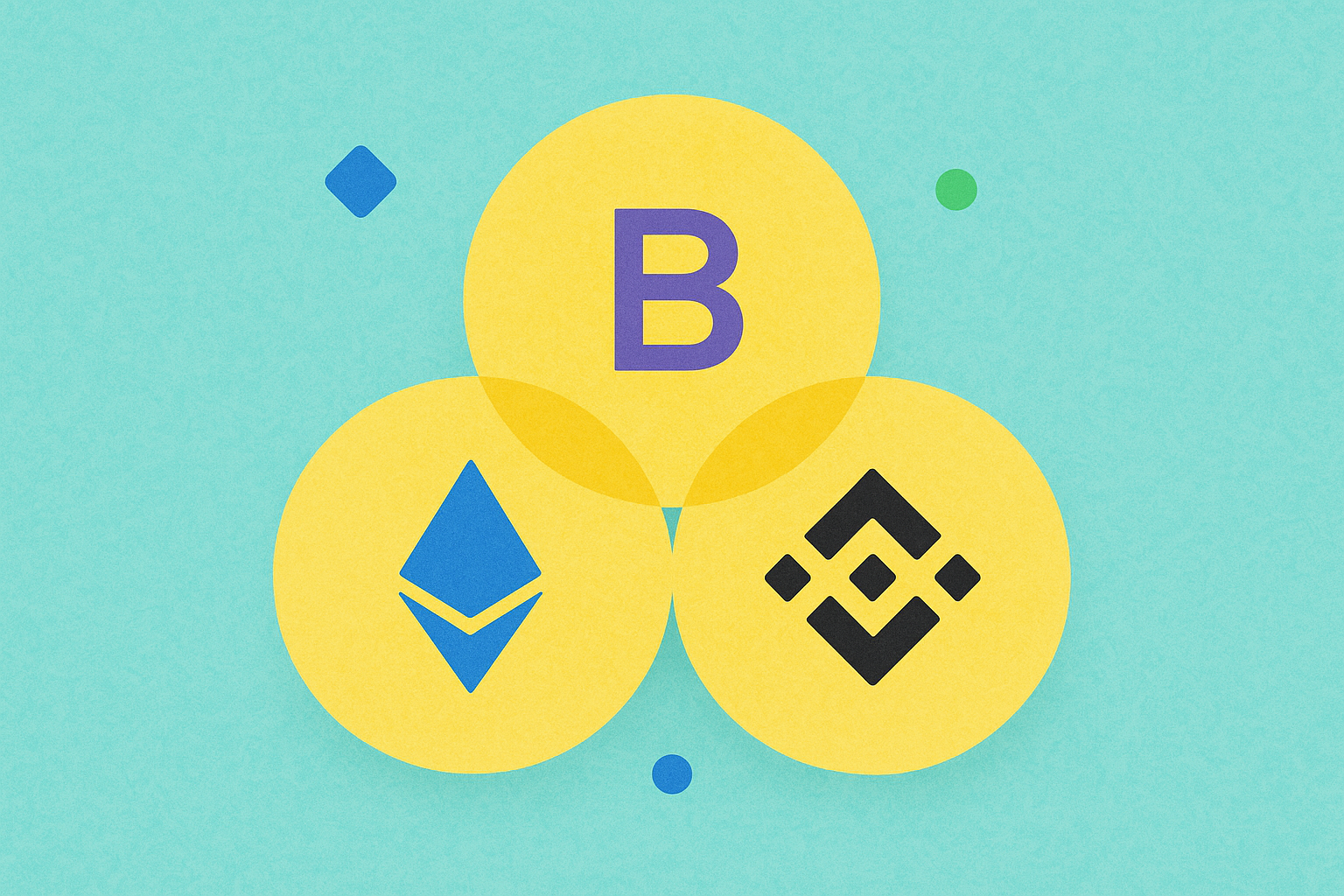
What Is BTTC Token?
BTTC token is the native asset of the BitTorrent Chain (BTTC) network. It is used to pay transaction fees (gas fees for on-chain operations), participate in staking for network security and governance voting, and cover costs related to cross-chain bridge transfers. Due to historical changes and naming conventions, some platforms display "new BTT" as the token of the BTTC network; in practice, both serve the same functions.
From a user perspective, holding BTTC tokens allows you to transfer funds on the BTTC network, deploy and interact with smart contracts (programmable blockchain applications), participate in node staking or delegation (locking tokens with validators to earn network rewards), and use official bridges to map assets from other blockchains to BTTC.
What Are the Current Price, Market Cap, and Circulating Supply of BTTC Token?
Leading market data sites typically list BTTC network tokens under "BitTorrent-New (BTT)." Public sources indicate that after a 2021 redenomination, the total supply is approximately 990 trillion tokens (source: BitTorrent Official Redenomination Announcement, Dec 2021; retrieved Jan 21, 2026). The price has historically traded in low decimal ranges, with high volatility following overall crypto market cycles. Its market cap ranks between mid and upper tiers among major assets (source: CoinMarketCap, retrieved Jan 21, 2026).
For accurate real-time price, market cap, and circulating supply, search "BTTC" or "BitTorrent" on Gate’s market page. Always confirm with the platform’s trading code and current data, and double-check the token contract and network identifiers to avoid confusing old versions or assets from other networks with BTTC.
Who Created BTTC Token (BTTC) and When?
BTTC’s origins stem from the integration of BitTorrent with the TRON ecosystem. In 2018, TRON acquired BitTorrent and began on-chain integration; BitTorrent Token (BTT) launched in 2019; BitTorrent Chain (BTTC) was released in 2021 as a scalable cross-chain solution, with tokens redenominated at a 1:1000 ratio from old BTT to new BTT. Since then, new BTT has been the standard token for BTTC network usage (source: BitTorrent Official Announcement, Dec 2021; retrieved Jan 21, 2026).
This evolution aimed to leverage BitTorrent’s vast user base alongside TRON’s blockchain capabilities, delivering lower-cost cross-chain and scaling environments suitable for DeFi and NFT applications.
How Does BTTC Token Work?
BTTC is an EVM-compatible chain. EVM compatibility means it can run Ethereum-based smart contracts and developer tools, making app migration straightforward. The network relies on validator nodes for block production and transaction confirmation; users or nodes stake tokens to enhance network security and earn rewards (staking involves locking tokens in protocol contracts for network safety and returns).
The cross-chain bridge locks and releases assets to generate mapped tokens on BTTC from other chains. Users pay a fee on the bridge and, after confirmation from the corresponding chain, can utilize these assets on BTTC. Every on-chain operation requires gas fees, settled in BTTC tokens. Compared to Ethereum mainnet, BTTC offers lower fees, making it ideal for high-frequency and microtransactions.
What Can You Do With BTTC Token?
The primary use cases for BTTC tokens include:
- Paying gas fees for on-chain transactions and contract executions, ensuring transfers and contract calls are confirmed.
- Staking and delegation to support validator node operations, earn network rewards, and enhance network security and decentralization.
- Participating in governance voting to decide on network parameters and ecosystem proposals.
- Covering cross-chain bridge fees when mapping assets from Ethereum, BNB Chain, etc., into BTTC.
- Engaging in DeFi and NFT activities on BTTC: trading, providing liquidity, minting assets—leveraging low fees and fast confirmations for micro-payments and frequent interactions.
Wallets and Expansion Solutions in the BTTC Ecosystem
Common tools include:
- Self-custody wallets: For example, by adding the BTTC network RPC to MetaMask, users can manage BTTC tokens directly in their browser wallet. In self-custody wallets, you control your private keys; securely back up your seed phrase (used to restore your wallet).
- Block explorers: These allow you to check account balances, transaction status, and contract details on BTTC; verify transfers’ success or contract addresses.
- Official cross-chain bridge: Facilitates asset mapping between BTTC and networks like Ethereum or BNB Chain.
- Staking/validator dashboard: Provides entry points for staking, delegation, and reward tracking.
Always obtain updated network RPCs, explorer URLs, and bridge addresses from official sources to avoid phishing sites.
Major Risks and Regulatory Considerations for BTTC Token
- Price volatility risk: Crypto asset prices are subject to market sentiment and macroeconomic factors; large swings are common.
- Cross-chain bridge and smart contract risk: Bridges or contracts may have vulnerabilities or be targeted by attacks; choose reputable services and test with small amounts first.
- Network/address selection risk: Selecting the wrong network or contract address when withdrawing or depositing may result in irreversible asset loss.
- Centralization/governance risk: Validator distribution or governance mechanisms could be concentrated, raising concerns over parameter changes or block production centralization.
- Regulatory compliance: Crypto regulations vary by region; ensure you follow local laws regarding taxes and compliance, maintaining records of all transactions.
How Do I Buy and Securely Store BTTC Token on Gate?
Step 1: Register an account on Gate and complete identity verification. Enable two-factor authentication and set a fund password for enhanced account security.
Step 2: Deposit funds or use fiat channels. You can transfer USDT or other stablecoins into your Gate account or use supported fiat methods.
Step 3: Search “BTTC” or “BitTorrent” in the spot trading section. Follow Gate’s displayed trading code and description; select the appropriate spot trading pair (e.g., against USDT).
Step 4: Place your buy order. Choose either a market order (executes at current prices) or a limit order (sets a target price); confirm order size and fees before submitting.
Step 5: Secure storage or withdrawal to wallet. For self-custody, add BTTC network RPC to MetaMask and confirm the token’s contract address; double-check network/address when withdrawing—test with a small amount first. Back up your seed phrase securely; never share your private key. If you retain assets on the exchange, always enable security settings and periodically review account risks.
How Is BTTC Token Different From TRX?
- Role: TRX is TRON mainnet’s native token for gas payments and governance; BTTC is used for gas payments, staking, and bridge fees on the BTTC sidechain/scaling network—optimized for cross-chain operations and high-frequency use cases.
- Technology/consensus: TRX uses TRON mainnet’s DPoS-style super representative model (token holders vote for block producers); BTTC uses validator-based block production with staking participation—emphasizing EVM compatibility and cross-chain capabilities.
- Fees/performance: BTTC offers lower fees and faster confirmations for microtransactions/high-frequency DeFi/NFT activities; TRON mainnet excels in stability for broad payment scenarios.
- Supply/economics: Their supply models differ; after redenomination, BTTC’s total supply is approximately 990 trillion tokens. TRX’s supply size/inflation rules are governed by TRON mainnet protocols.
Both work together through bridging—allowing asset transfers between TRON and BTTC networks to suit varied performance/fee needs.
Summary of BTTC Token
BTTC token serves as a core asset for BitTorrent Chain’s cross-chain scaling needs—handling gas fees, staking, governance—and is typically displayed as "new BTT" across platforms. With EVM compatibility and robust bridging tools, it provides a cost-efficient environment for DeFi, NFT, micro-payment, and high-frequency activities. For investment or usage, verify real-time market data/trading codes on Gate; carefully distinguish networks/contracts; securely back up wallet seed phrases; enable security settings; start with small test transfers to mitigate operational risk. The long-term value depends on ecosystem growth, bridge security, governance efficiency—monitor official announcements/data sources regularly and make decisions aligned with your risk profile.
FAQ
Are BTTC and BTT the Same Token?
BTTC and BTT are distinct tokens representing separate projects. BTT is the original token issued by the BitTorrent Foundation; BTTC is native to the BitTorrent Chain ecosystem—running on its own blockchain. In summary, BTTC emerged from BTT’s ecosystem expansion to power BitTorrent Chain’s operations and transactions.
Why Should You Hold BTTC Token?
Holding BTTC primarily enables you to pay transaction fees on BitTorrent Chain, participate in governance/voting decisions, and interact within BTTC-powered applications. If you regularly use DApps or participate in traffic mining on BitTorrent Chain, holding BTTC makes interactions more seamless.
How Can You Obtain BTTC Token?
There are multiple ways to acquire BTTC: The simplest is purchasing through exchanges like Gate using fiat or other cryptocurrencies. Additionally, participating in BitTorrent Chain activities such as traffic mining, staking, or governance may earn you BTTC rewards. Always use reputable exchanges for security.
On Which Exchanges Can You Trade BTTC?
BTTC is listed on several major exchanges—including Gate—which offer both spot and derivative trading pairs. Gate supports diverse payment options with robust security measures. Choose licensed platforms for trading to reduce risks.
What Is the Future Outlook for BTTC?
Powered by BitTorrent Chain’s underlying public blockchain, BTTC is focused on decentralized storage, bandwidth sharing, and Web3 ecosystem building. As applications within its ecosystem expand, so will its use cases. However, all crypto assets carry market risks—evaluate carefully according to your situation.
Lightweight Glossary of BitTorrent Chain (BTTC) Terms
- Sidechain: An independent blockchain running parallel to a main chain—reducing load and increasing transaction speed.
- Cross-chain bridging: Technology connecting different blockchains—enabling asset transfers and interoperability.
- Gas fee: Payment required to execute blockchain transactions—compensating network validators.
- EVM compatibility: Ability of a blockchain to support Ethereum Virtual Machine standards—enabling Ethereum ecosystem apps.
- DeFi application: Decentralized financial services—including lending, trading, staking—without intermediaries.
- Token mapping: Mirroring tokens from one chain onto another—facilitating cross-chain asset flows.
References & Further Reading on BitTorrent Chain (BTTC)