O que é MemeCore?
MemeCore é uma blockchain pública de base, classificada como rede Layer 1 (Layer 1), atuando como uma blockchain principal independente que processa transações e contratos inteligentes diretamente, sem depender de outras cadeias externas. O projeto adota o conceito "Meme 2.0", buscando transformar meme coins de especulação passageira em uma economia cultural sustentável, guiada pela comunidade. Sua inovação central é o modelo de "economia viral", que integra a viralidade de conteúdo e a atividade on-chain na distribuição de valor, promovendo a sustentabilidade de longo prazo do ecossistema.
Em resumo: Meme coins são tokens que surgem da cultura da internet, geralmente vinculados a comunidades ou símbolos culturais. Economia viral refere-se a mecanismos que criam ciclos de incentivo entre o compartilhamento de conteúdo e o engajamento on-chain, recompensando quem contribui para o hype e a movimentação da rede.
Preço atual, valor de mercado e oferta circulante de MemeCore (M)
Em 21 de janeiro de 2026 (conforme dados informados), os principais indicadores de MemeCore (M) são:
- Último preço: US$ 1,626900 por token.
- Oferta circulante: 1.677.276.215,823528 M, representando o total de tokens disponíveis no mercado.
- Oferta total e máxima: 5.000.000.000 M, indicando limite fixo de emissão de 5 bilhões de tokens.
- Valor de mercado circulante: US$ 8.134.500.000, calculado pelo preço multiplicado pela oferta circulante; representa o valor de mercado em circulação.
- Avaliação totalmente diluída (FDV): US$ 8.134.500.000, valor teórico de mercado se todos os tokens fossem liberados.
- Participação no valor de mercado: 0,25%, indicando sua representatividade no mercado cripto global.
- Volume de negociação em 24 horas: US$ 190.297,404030, refletindo a atividade recente de negociação.
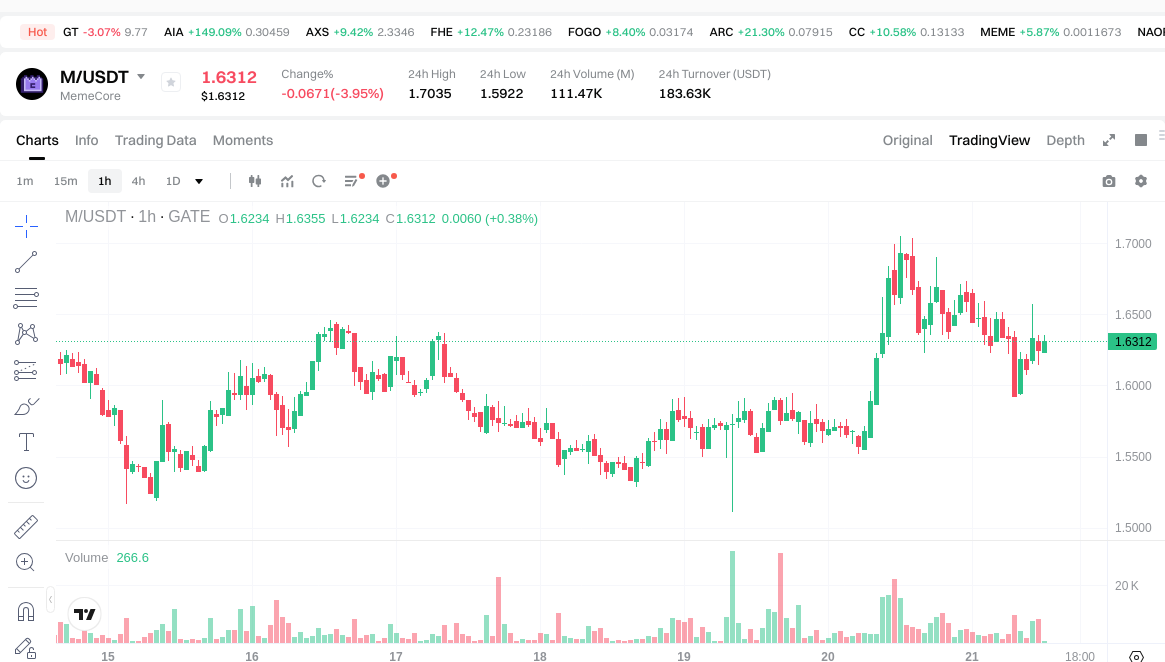
Clique para ver Preço M/USDT
- Variação de preço: 1 hora +0,19%, 24 horas -3,72%, 7 dias +0,71%, 30 dias +13,18%.
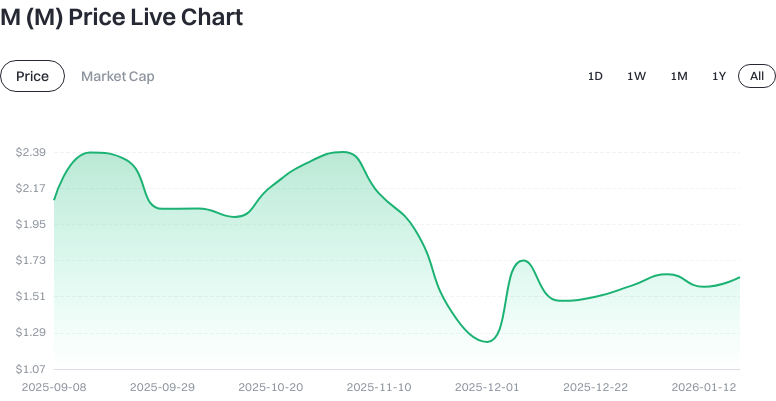
Clique para ver Dados mais recentes do preço M
Observação: Os dados de entrada indicam "Status ativo: Não", o que pode sinalizar baixa atividade de negociação ou rede, ou divergências nos padrões de relatório. Sempre confirme em comunicados oficiais e exploradores on-chain antes de investir.
Quem criou MemeCore (M) e quando?
MemeCore foi lançada em 06 de julho de 2025 (conforme os dados informados). A blockchain é posicionada como Layer 1, desenvolvida para a era "Meme 2.0", com foco em integrar cultura comunitária e atividades econômicas on-chain.
Para informações detalhadas sobre equipe fundadora, rodadas de financiamento e conselho consultivo, acesse fontes oficiais como site, whitepaper e atualizações de comunidade. Fique atento a novos comunicados e relatórios de auditoria.
Como funciona MemeCore (M)?
O funcionamento da MemeCore se estrutura em três camadas principais:
-
Camada de consenso e execução: Como rede Layer 1, MemeCore organiza transações, produz blocos e executa contratos inteligentes (smart contract). O mecanismo de consenso permite que os nós da rede validem blocos, ampliando segurança e descentralização. O algoritmo específico não foi divulgado, podendo ser similar ao Proof of Stake (PoS); consulte a documentação oficial para detalhes.
-
Camada econômica e de incentivos: A "economia viral" recompensa viralidade de conteúdo e atividade transacional on-chain. O modelo quantifica interações sociais (curtidas, compartilhamentos, discussões) e operações na blockchain (transferências, mintagem, negociações) como contribuições que geram recompensas M via contratos ou programas de incentivo.
-
Camada de aplicações e ferramentas: Voltada para criadores, comunidades e equipes, oferece recursos essenciais para emissão de ativos, negociação e governança. Contratos inteligentes automatizam regras, reduzindo a dependência de confiança entre partes.
Exemplo: Um criador lança um meme com grande engajamento; membros negociam ativos relacionados on-chain. Ambas as participações aumentam a atividade da rede e a viralidade do conteúdo, gerando recompensas M conforme regras estabelecidas.
Para que serve MemeCore (M)?
- Pagamento de taxas de transação on-chain (Gas): Assim como em outras blockchains públicas, todas as transações ou execuções de contratos exigem taxas de gas—M é o token utilitário da rede.
- Participação em incentivos do ecossistema: Se o programa de economia viral estiver disponível, criadores e usuários que impulsionam a viralidade de conteúdo ou comportamento on-chain recebem recompensas M, estimulando engajamento e produção.
- Emissão e negociação de ativos relacionados a memes: Equipes ou comunidades podem emitir tokens ou NFTs on-chain para engajamento cultural, benefícios de fãs ou acesso a eventos.
- Governança comunitária: Com mecanismos de governança, possuir M pode conceder direitos de proposta e voto, permitindo definir parâmetros ou alocar fundos.
Qual a proposta de valor de longo prazo de MemeCore (M)?
O valor de longo prazo depende da interação entre oferta e demanda, efeitos de rede e adoção real do ecossistema:
- Estrutura de oferta: Com máximo de 5 bilhões de tokens, MemeCore estabelece limite previsível de escassez. Investidores devem acompanhar cronogramas de desbloqueio e distribuição para avaliar pressão de venda.
- Fatores de demanda: Se a economia viral converter o hype em utilidade on-chain, MemeCore pode criar ciclo fechado de compartilhamento e negociação, impulsionando demanda real por transações e criação de conteúdo.
- Efeitos de rede: Mais criadores e comunidades aumentam oferta de conteúdo; mais usuários negociando elevam a demanda. O fortalecimento dos dois lados potencializa o ecossistema—o essencial é garantir mecanismos transparentes e verificáveis.
- Métricas observáveis: Número de endereços ativos, transações diárias, receita de taxas de gas, interações com contratos, índice de viralidade de conteúdo, número de projetos no ecossistema e taxa de retenção.
Clique para ver Interesse aberto em contratos M
Essas métricas ajudam a avaliar a adoção real.
Principais riscos e considerações regulatórias para MemeCore (M)
- Risco de volatilidade de mercado: Preços e volumes podem variar fortemente; oscilações de curto prazo não refletem necessariamente tendências de longo prazo.
- Tecnologia e estabilidade da rede: Como blockchain nova, há riscos de falhas de nós, congestionamento, vulnerabilidades em contratos inteligentes e possíveis interrupções. Acompanhe auditorias e protocolos de emergência.
- Risco de implementação de mecanismos: Se métodos de medição ou distribuição da economia viral forem pouco transparentes ou sujeitos à manipulação (ex.: wash trading), a efetividade e justiça dos incentivos podem ser prejudicadas.
- Risco regulatório e de compliance: Emissão de tokens, negociações e tributação variam conforme jurisdição—é fundamental cumprir a legislação local.
- Segurança de exchanges e contas: Plataformas centralizadas podem ser alvo de ataques ou atrasos em saques; proteja sua conta ativando autenticação em dois fatores e evite links suspeitos.
- Segurança de carteira e chave privada: Carteiras não custodiais exigem armazenamento seguro de frases-semente e chaves privadas—prefira mantê-las offline para evitar vazamentos em nuvem.
Como comprar e armazenar MemeCore (M) com segurança na Gate?
Etapa 1: Cadastre-se e conclua o KYC. Crie sua conta na Gate (gate.com) e realize a verificação de identidade para aumentar a segurança e limites de saque.
Etapa 2: Deposite fundos. Transfira moeda fiduciária ou stablecoins como USDT; confira a rede e as confirmações do depósito.
Etapa 3: Encontre a página de negociação. Na seção spot, pesquise “M” ou “MemeCore”. Confirme o endereço do contrato e identidade do projeto para evitar tokens similares.
Etapa 4: Escolha o par de negociação e envie o pedido. Selecione pares como M/USDT conforme disponível. Use ordens a mercado para execução imediata ou ordens limitadas para definir preço; revise taxas e valores mínimos antes de enviar.
Etapa 5: Avalie riscos. Analise tendências de preço em “21 de janeiro de 2026” junto a comunicados oficiais—avalie liquidez, risco de slippage e prefira compras periódicas em vez de investir tudo em períodos voláteis.
Etapa 6: Saque e confirme transferência on-chain. Para autocustódia, acesse a área de saque, informe o endereço da sua carteira e selecione a rede correta (compatível com sua carteira). Realize um saque de teste primeiro.
Etapa 7: Configure segurança da carteira. Proteja sua frase-semente e chave privada—anote offline e mantenha separadas; ative autenticação em dois fatores e whitelist de saques na conta para maior proteção.
Como MemeCore (M) difere de Solana?
- Propósito e foco: MemeCore foi criada para a “economia viral”, conectando viralidade de conteúdo e transações on-chain para servir à cultura dos memes; Solana atende a casos de uso de alta performance em DeFi, NFTs, games, entre outros.
- Modelo de oferta de tokens: M possui oferta máxima fixa de 5 bilhões; o SOL da Solana não tem limite máximo e adota inflação decrescente (segundo dados públicos). Esses modelos influenciam escassez e ritmo de emissão.
- Modelo de incentivos: M foca em recompensas para viralidade e ações on-chain; Solana não possui protocolo nativo de “economia viral”—os incentivos variam conforme cada aplicação.
- Maturidade do ecossistema: Solana já oferece ferramentas maduras, infraestrutura e grandes dApps; o crescimento do ecossistema da MemeCore e retenção de desenvolvedores ainda serão observados, pois é uma cadeia mais recente.
- Prioridades técnicas: Solana é reconhecida por alta capacidade e baixa latência; detalhes sobre arquitetura técnica e consenso da MemeCore não foram divulgados—consulte os documentos oficiais.
Resumo: MemeCore se destaca por recursos de economia cultural; Solana prioriza desempenho geral. Decida conforme seus objetivos e perfil de risco.
Resumo de MemeCore (M)
MemeCore é uma blockchain Layer 1 para a era "Meme 2.0", buscando criar um ciclo sustentável de valor ao conectar viralidade de conteúdo e atividade transacional on-chain via modelo de “economia viral”. Os indicadores atuais mostram transparência de preços, limite de oferta (máximo de 5 bilhões) e fronteiras de mercado. O valor de longo prazo dependerá de incentivos claros, adoção real de projetos no ecossistema e engajamento genuíno de usuários e criadores. Para negociar na Gate, siga protocolos de segurança, utilize carteiras de autocustódia quando necessário e proteja suas chaves privadas. Continue acompanhando endereços ativos, número de transações, receita de taxas, métricas de viralidade, comunicados oficiais, auditorias—e avalie constantemente a robustez técnica e os aspectos regulatórios.
Perguntas frequentes
Quais fatores influenciam as oscilações do preço do token M?
O preço do token M é determinado principalmente pela relação de oferta e demanda, tendências do mercado cripto, avanços do projeto e sentimento da comunidade.
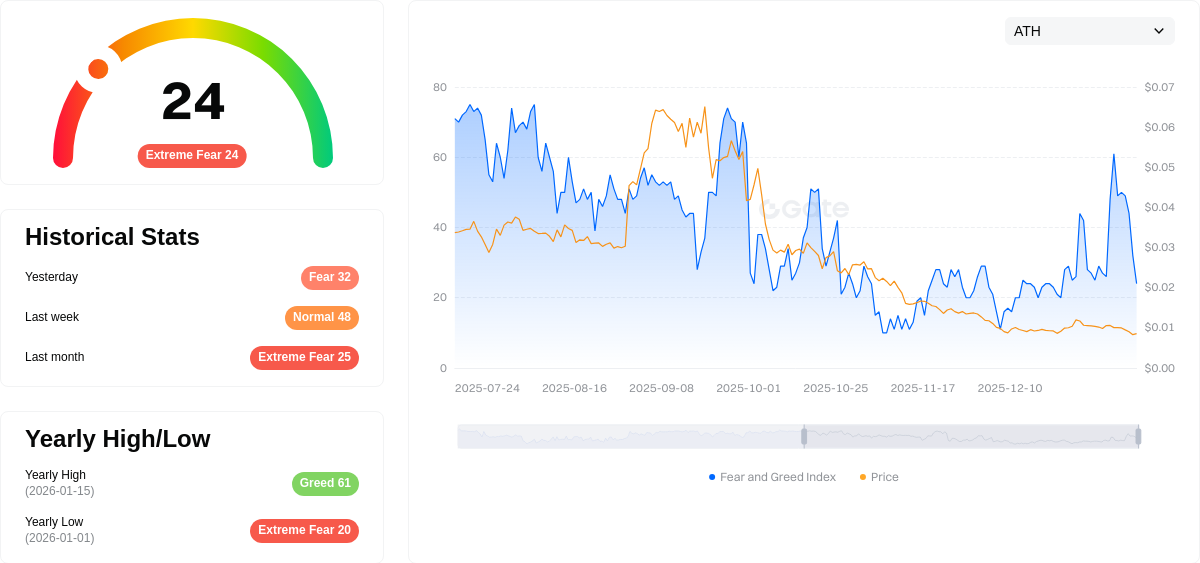
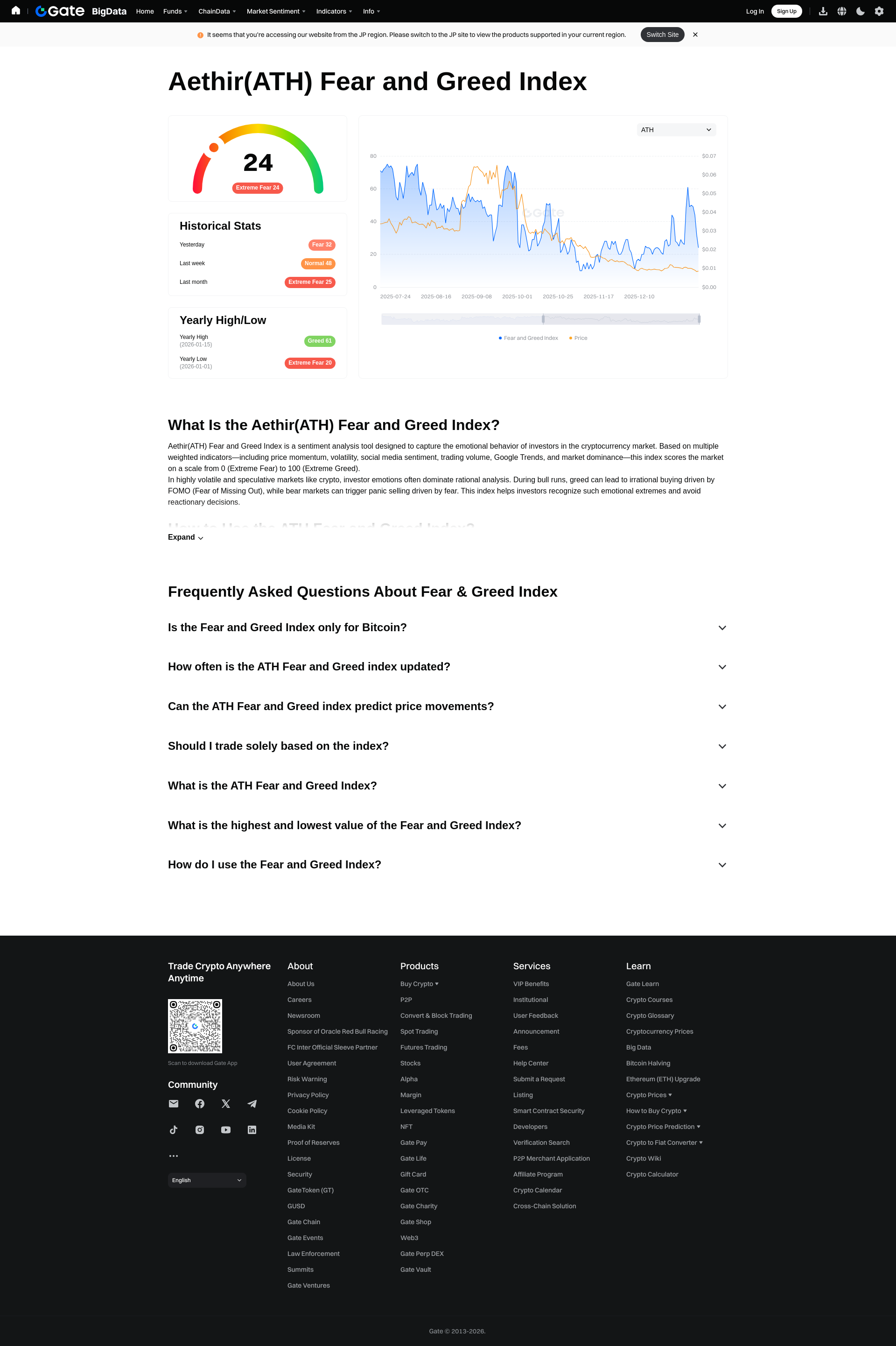
Clique para ver Índice de Medo & Ganância do Mercado Cripto
Quando Bitcoin ou outras principais criptomoedas sobem, M tende a acompanhar; o inverso ocorre em quedas. Comunicados importantes ou atualizações do ecossistema também podem causar impactos de curto prazo—novatos devem evitar compras em alta ou vendas em pânico durante quedas.
Como acompanhar o preço em tempo real do token M?
Acompanhe preços em tempo real por plataformas como Gate, CoinMarketCap ou CoinGecko. A Gate oferece gráficos e livro de ordens atualizados; CoinMarketCap e CoinGecko agregam preços de diversas exchanges globais. Consulte múltiplas fontes para maior precisão.
Qual a diferença entre preço do token M e valor de mercado?
O preço do token reflete o valor de negociação atual de um M. O valor de mercado é o total de tokens M em circulação (preço × oferta circulante). O valor de mercado mostra a escala e aceitação do projeto—enquanto o preço pode variar diariamente, o valor de mercado tende a ser mais estável. Foque mais no ranking de valor de mercado do que apenas no preço absoluto.
O preço do token M pode chegar a zero?
Todos os ativos digitais podem perder valor—including tokens M. Grandes quedas normalmente vêm de problemas na equipe, falhas graves de segurança ou sentimento negativo extremo. MemeCore se beneficia de visão técnica clara e comunidade ativa, o que reduz riscos frente a projetos especulativos. Invista apenas o que pode perder; evite alavancagem.
Quando iniciantes devem comprar tokens M?
Não existe preço de entrada “ideal” universal—isso é decisão individual. Uma estratégia disciplinada é o dollar-cost averaging (DCA): acumule pequenas quantidades periodicamente, evitando compras volumosas de uma só vez. Aprenda a interpretar gráficos de candlestick na Gate, entenda os conceitos de suporte/resistência, e alinhe sua estratégia ao seu perfil de risco e planejamento financeiro.
- Oferta circulante: Quantidade de tokens emitidos e negociados ativamente no mercado—usada no cálculo do valor de mercado em tempo real.
- Avaliação totalmente diluída (FDV): Capitalização de mercado projetada se todos os tokens fossem liberados—reflete valor teórico máximo.
- Participação no valor de mercado: Percentual que o valor de mercado deste token representa no setor cripto—indica sua relevância.
- Variação percentual de preço: Mudança percentual no preço do token em determinado período—indica tendências curtas ou longas.
- Volume de negociação: Valor total negociado em 24 horas—reflete atividade e liquidez do mercado.
Leitura complementar e referências para M Coin (M)
-
Site oficial / Whitepaper:
-
Desenvolvimento / Documentação:
-
Mídia confiável / Pesquisa: