What Is Riot Blockchain?
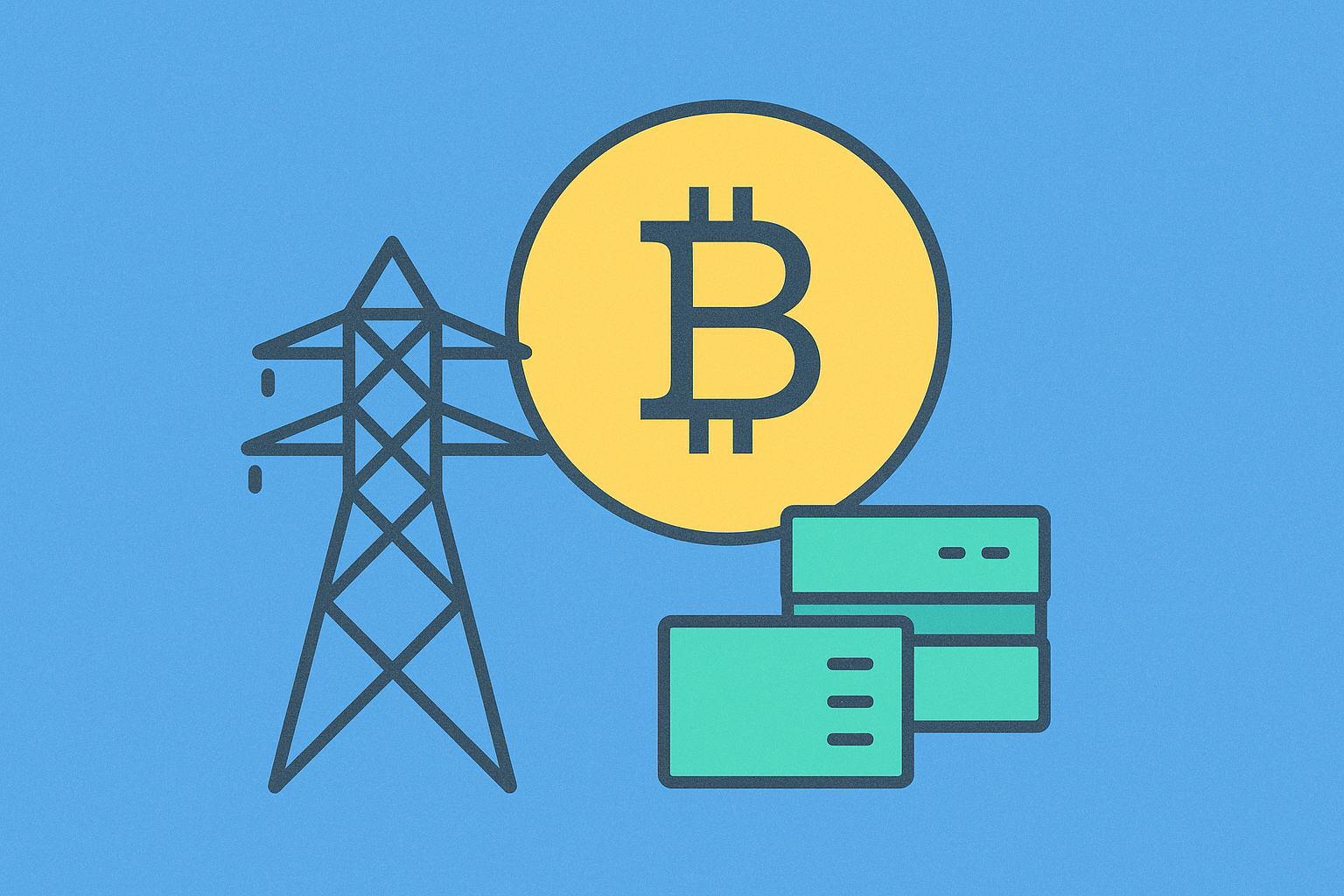
Riot Blockchain is a publicly traded US company focused on large-scale Bitcoin mining operations. The company manages massive mining farms and data centers, producing Bitcoin by optimizing power usage and equipment management. In 2023, Riot Blockchain rebranded as Riot Platforms, but its mining business is still commonly referred to as Riot Blockchain in the market.
Unlike companies that develop blockchain protocols or DApps, Riot Blockchain positions itself as an “infrastructure operator.” Its core activities include procuring and managing mining machines, building robust power and cooling systems, and maximizing uptime. By providing computational power (hashrate) to secure the Bitcoin network and verify transactions, Riot earns block rewards and transaction fees.
How Does Riot Blockchain Mine Bitcoin?
Riot Blockchain’s mining approach follows the same principles as all Bitcoin miners: it utilizes specialized computing hardware to compete for the right to validate transactions and earn rewards. Bitcoin, as a decentralized digital currency, relies on a mining process that is akin to a competitive quiz—solving cryptographic puzzles quickly allows miners to earn newly issued bitcoins and transaction fees.
The typical workflow involves several steps:
- First, deploying ASIC miners—specialized hardware optimized for a single task (mining)—which offers greater energy efficiency and processing power compared to general-purpose computers.
- Second, connecting these miners to a mining pool or operating independently. Mining pools aggregate resources similar to a lottery syndicate, reducing the income volatility for individual machines.
- Third, maintaining stable electricity supply and efficient cooling to minimize downtime and operational failures, ensuring consistent output.
What Is Riot Blockchain’s Business Model?
Riot Blockchain primarily generates revenue from mined Bitcoin and associated transaction fees. Its main expenses are electricity, mining equipment procurement, and ongoing maintenance. The company strategically decides when to hold or sell mined Bitcoin based on cash flow needs and market conditions.
Another significant revenue stream is participation in Texas’s electricity grid through “demand response” programs. Demand response involves the grid operator paying large consumers, like Riot, to temporarily shut down operations during peak demand periods to help stabilize the grid. For large-scale miners, these subsidies can sometimes exceed mining profits during high-demand seasons. Therefore, Riot dynamically chooses between mining and pausing operations based on real-time electricity prices.
As of 2024, Riot continues to expand its Texas operations and is investing in vertically integrated power and infrastructure. This strategy aims to lower per-unit electricity costs and enhance operational flexibility (according to company statements and industry reports, 2024).
Why Does Riot Blockchain Attract Attention in the Crypto Market?
Riot Blockchain’s performance is highly correlated with the price of Bitcoin, since its revenues and costs are largely determined by Bitcoin prices and electricity rates. When Bitcoin prices rise, miners’ margins typically improve, making investors more optimistic about expansion and cash flows; conversely, when Bitcoin prices fall and electricity costs rise, profits are squeezed.
Additionally, Riot Blockchain stands out as one of the largest compliant mining companies in the US, with transparent disclosures that provide valuable insights into the operations of regulated industrial-scale miners. Policy developments—such as changes in energy regulation, environmental assessments, data center siting decisions, and discussions about energy mix—also draw attention to the company.
What Is the Relationship Between Riot Blockchain and Bitcoin Halving?
Bitcoin “halving” refers to the event—occurring roughly every four years—when the number of new bitcoins issued per block is reduced by half. For miners, this means the block reward per unit of hashrate decreases; unless offset by higher prices or reduced costs, revenues decline post-halving.
In response, Riot Blockchain typically upgrades its hardware and expands its facilities around halving events to boost energy efficiency and output per watt. The company also leverages demand response participation and optimized coin-holding strategies to mitigate short-term revenue pressure from halvings. These actions reflect an industry-wide trend: after each halving, operational efficiency and cost control become critical for survival.
How Do Hashrate, Mining Machines, and Power Costs Impact Riot Blockchain’s Earnings?
Three key factors drive Riot Blockchain’s profitability: total hashrate (computational power), mining hardware efficiency, and electricity costs.
- Hashrate is akin to engine horsepower—the higher it is, the greater the likelihood of earning rewards. However, success also depends on “network difficulty,” which determines how challenging it is to mine a block.
- Mining machine efficiency is measured by “hashrate per device” and “energy consumption per unit of hashrate.” Newer generation ASICs can deliver higher performance at the same power draw or reduce energy use for a given hashrate—both directly increasing profit margins.
- Electricity is one of the largest cost components. Fixed-rate contracts, renewable energy mix, and dynamic participation in the power grid all influence whether mining remains profitable at any given time. Riot’s Texas strategy links its large campuses with the electricity market, making “mine or pause” decisions more flexible.
Step 1: Follow monthly production reports. Miners typically disclose metrics like “number of bitcoins produced,” “average hashrate,” and “downtime/maintenance.” These are fundamental indicators of operational stability.
Step 2: Monitor hashrate expansion plans. Watch for announcements about expected deployed EH/s (exahash per second) and mining machine purchase/delivery timelines. Higher EH/s means stronger computing power.
Step 3: Pay attention to power supply and demand response participation. Review updates on shutdowns and subsidies during Texas grid peak seasons to understand how “shutdown income” versus “mining income” is balanced.
Step 4: Track Bitcoin prices in crypto markets. On Gate’s markets page, monitor spot BTC prices and perpetual contract volatility; set price alerts to better understand external variables affecting mining profitability.
Step 5: Review expansion plans and capital expenditures. Building large-scale campuses requires significant investment over long timelines; analyze cash reserves, financing plans, and hardware upgrade cycles for a comprehensive view.
How Does Riot Blockchain Differ From Other Bitcoin Miners?
Riot Blockchain distinguishes itself through “vertical integration” and active participation in Texas’s electricity market. Its campus size, self-built infrastructure, and direct interaction with the power grid allow for more flexible scheduling and cost management during periods of high temperatures or fluctuating electricity prices.
Compared to competitors who only focus on scale, Riot emphasizes both hashrate growth and power optimization. For beginners analyzing mining companies, focus on two aspects: equipment efficiency and power costs—these are consistently highlighted in Riot’s disclosures.
What Risks Should Investors Consider When Focusing on Riot Blockchain?
The primary risk is price volatility. Bitcoin price swings can significantly amplify a miner’s profits or losses; if Bitcoin falls while power costs rise, margins may be quickly compressed.
Operational and electricity risks also matter. Equipment breakdowns, construction delays at new campuses, extreme weather events, or changes in grid policy can impact output and cost structure.
There are also regulatory risks. Environmental reviews, electricity usage policies, tax changes, and accounting rules vary by state and can affect business operations and reporting timelines.
Finally, there is asset selection risk. Riot Blockchain stock trades on US equity markets and must be purchased through regulated brokers; crypto exchanges like Gate offer crypto asset trading tools (e.g., BTC), which are fundamentally different products. Assess your own risk tolerance before making any investment decisions.
Summary of Riot Blockchain & Learning Path
Riot Blockchain is an infrastructure-focused company at the core of Bitcoin mining. Its revenues depend on hashrate, hardware efficiency, and electricity cost management—and its participation in Texas grid demand response programs enhances cash flow resilience. To understand Riot’s business model, focus on the main sequence: “mining mechanism → hashrate & difficulty → power & equipment → halving & cycles.” For ongoing tracking: review company monthly reports and expansion announcements; watch BTC price trends on Gate; follow energy market developments and regulatory news for a comprehensive industry perspective. For deeper research, consider analyzing hardware upgrades, campus engineering projects, and financial statements to build your own mining industry analysis framework.
FAQ
What is Riot Blockchain’s stock ticker symbol and how can I buy it?
Riot Blockchain trades under the ticker RIOT on the NASDAQ stock exchange in the US. You can purchase this stock through US brokerage accounts (such as Gate, Futu, or Tiger Brokers). The process is similar to buying any other US-listed stock. Before investing, it’s recommended to review Riot’s financial statements and mining data for informed decision-making.
How does Riot Blockchain make money? What are its sources of revenue?
Riot Blockchain primarily earns income from Bitcoin mining. The company acquires specialized mining hardware and electricity resources to compete in the Bitcoin network’s computation race; upon successfully mining new blocks, it receives block rewards and transaction fees. Mining profitability depends on hashrate, electricity costs, Bitcoin prices, etc.—the higher the BTC price and the lower the energy cost, the greater the profit margin.
How does Riot Blockchain rank in terms of mining scale within the industry?
Riot Blockchain is among the largest Bitcoin miners in the US—and ranks near the top globally by total hashrate. The company continually expands its facilities and upgrades its mining fleet to strengthen competitiveness. Rankings can shift with industry dynamics; monitor Riot’s latest hashrate disclosures and financial reports for up-to-date status.
What drives fluctuations in Riot Blockchain’s share price?
The stock price mainly reacts to Bitcoin price movements, company hashrate growth, electricity costs, mining difficulty changes, etc. Rising Bitcoin prices typically boost share price; higher power costs or increased difficulty may weigh it down. Broader macroeconomic policies and overall crypto market sentiment also influence valuation.
As a retail investor, what key metrics should I track when following Riot Blockchain?
Focus on: daily hash rate (computational capacity), number of bitcoins mined, BTC holdings/reserves, balance sheet data, and cash flow statements. These metrics are usually available on Riot’s official website, in earnings reports, or via crypto data platforms. Also keep an eye on BTC price trends and changes in network mining difficulty for a complete assessment of profit potential.