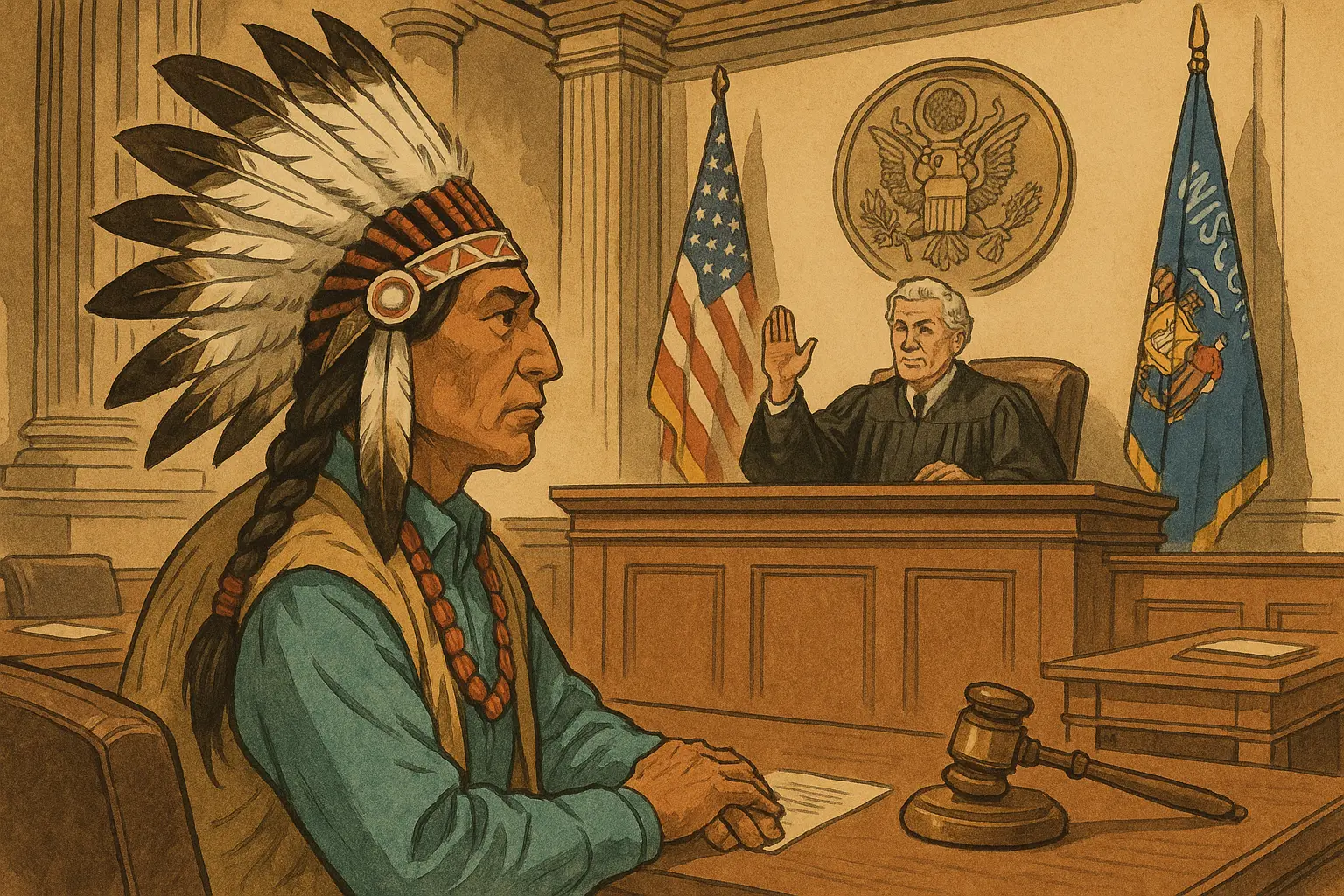
According to Bitcoin.com News on May 13, a U.S. district judge, William Conley, ruled on Monday that the Ho-Chunk Nation has shown a “likelihood of success” in its lawsuit alleging Kalshi violated the Indian Gaming Regulatory Act (IGRA), a precedent ruling by a federal court for the first time supporting the tribe’s position.
Ruling Details: Ho-Chunk Case and 16 Tribes Supporting
According to Bitcoin.com News, the Ho-Chunk Nation (a Native American tribe recognized by the federal government) filed a lawsuit in August 2025 in the U.S. District Court for the Western District of Wisconsin against Kalshi Inc., KalshiEX LLC, Robinhood Markets Inc., and Robinhood Derivatives LLC, alleging that the companies provided sports betting contracts on tribal lands, in violation of IGRA. Sixteen tribes submitted amicus briefs supporting the Ho-Chunk Nation’s position. The case also includes claims brought under the Racketeer Influenced and Corrupt Organizations Act (RICO), alleging that Kalshi’s sports betting contracts business amounts to “gambling racketeering,” as well as false advertising claims. The case is scheduled to go to trial on May 24, 2027, with Judge Conley presiding.
The ruling overturned an earlier mainstream precedent: in November 2025, a federal judge in the Northern District of California, Jacqueline Scott Corley, ruled that three tribes including the Blue Lake Rancheria “failed to satisfy their burden of proof,” and dismissed their motion for a temporary restraining order; that decision is currently being reviewed by the U.S. Court of Appeals for the Ninth Circuit.
Kalshi’s Federal Regulatory Defense
According to Bitcoin.com News, in the Wisconsin lawsuit Kalshi argued that its status as a Designated Contract Market (DCM) regulated by the Commodity Futures Trading Commission (CFTC) should take precedence over IGRA. Kalshi’s lawyers cited a provision in the Unlawful Internet Gambling Enforcement Act (UIGEA) of 2006 that exempts DCM trading contracts from the federal definition of “betting or wagering,” as well as the CFTC’s self-certification process under the Commodity Exchange Act.
Wisconsin AG Action and the National Ruling Landscape
According to Bitcoin.com News, on April 23, 2026, Wisconsin Attorney General (AG) Josh Kaul filed three parallel state lawsuits in Dane County Circuit Court against Kalshi, Robinhood, Polymarket, Crypto.com (operating under the name Foris Dax Markets) and Coinbase, alleging violations of Wisconsin felony gambling regulations. The CFTC subsequently sued Wisconsin and four other states, arguing that they interfered with federal oversight authority over derivatives markets.
In terms of the national ruling landscape, Kalshi obtained an injunction in New Jersey that was upheld by the U.S. Court of Appeals for the Third Circuit, but lost in similar motions in Maryland, and the injunction in Nevada had been withdrawn after reconsideration.
FAQ
What was the timing and legal standard of Judge Conley’s ruling in Wisconsin federal court?
According to Bitcoin.com News, on May 11, 2026, Judge William M. Conley ruled that the Ho-Chunk Nation has shown a “likelihood of success” in its IGRA lawsuit, marking the first precedent-setting decision by a federal court supporting the tribe’s position in nationwide Kalshi IGRA litigation.
What allegations are included in the Ho-Chunk Nation’s lawsuit against Kalshi?
According to Bitcoin.com News, the lawsuit alleges that Kalshi provides sports betting contracts on tribal Indian lands in violation of IGRA. It also includes RICO claims (characterizing Kalshi’s business as gambling racketeering) and false advertising claims. The case is scheduled to go to trial on May 24, 2027.
What companies and allegations are involved in the Wisconsin AG’s parallel state lawsuits?
According to Bitcoin.com News, on April 23, 2026, Wisconsin AG Josh Kaul filed three state lawsuits against Kalshi, Robinhood, Polymarket, Crypto.com, and Coinbase, alleging violations of Wisconsin felony gambling regulations. The CFTC subsequently sued Wisconsin and four other states for interfering with federal derivatives regulatory authority.


