


Futures
Access hundreds of perpetual contracts
TradFi
Gold
One platform for global traditional assets
Options
Hot
Trade European-style vanilla options
Unified Account
Maximize your capital efficiency
Demo Trading
Introduction to Futures Trading
Learn the basics of futures trading
Futures Events
Join events to earn rewards
Demo Trading
Use virtual funds to practice risk-free trading
Launch
CandyDrop
Collect candies to earn airdrops
Launchpool
Quick staking, earn potential new tokens
HODLer Airdrop
Hold GT and get massive airdrops for free
Launchpad
Be early to the next big token project
Alpha Points
Trade on-chain assets and earn airdrops
Futures Points
Earn futures points and claim airdrop rewards


More





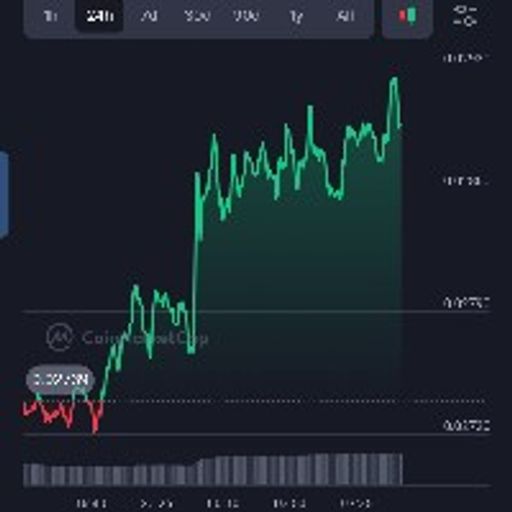
The Bank of England's Greene recently highlighted an important dynamic: if the Federal Reserve maintains a looser monetary policy trajectory heading into 2026, it would likely exert upward pressure on UK inflation, all else remaining constant. This observation underscores a key channel through which US monetary decisions ripple across global financial markets. When the Fed eases policy—whether through rate cuts or other measures—it typically weakens the dollar while boosting asset prices globally. For the UK economy, a weaker greenback makes imports pricier, while stimulus-fueled demand from the US can push commodity and energy prices higher. Both dynamics feed through to UK consumer price pressures. Greene's point also reflects the interconnected nature of modern central banking: even as the Bank of England pursues its own inflation mandate, external forces from the world's largest economy create real constraints on policy independence. This matters because inflation expectations, once they become unanchored, become harder to bring back down—something both the BoE and Fed learned painfully over the past few years.
---
Once again, the US is passing the buck to the whole world, and when the Fed loosens, the pound is directly exploited...
---
To put it simply, no one is truly independent now; everyone is hostage to the US dollar.
---
Greene is right, but there's a problem—why does the BoE have to resist the spillover effects of the Federal Reserve?
---
Once inflation expectations drift away, they can't be brought back. We've wasted the past two years learning nothing.
---
US rate cuts = global price hikes. This model really needs to be broken.
---
Britain wants to set policies independently? Dream on. The Federal Reserve is the real global central bank.
---
So are we just waiting to be slaughtered... acting according to the Fed's mood?
---
That's why I still believe in cryptocurrencies—at least no one can manipulate them unilaterally.
---
When the Fed causes trouble, the whole world has to pay the price. The pound sterling is going to suffer again...
---
In simple terms, central banks are all caught in the US trap and cannot be truly independent.
---
That's why I say dollar hegemony is the most annoying. When it loosens or tightens, the whole world trembles.
---
Gold and commodities are about to rise again. Just wait and see...
---
The Bank of England is hinting that the Fed should not act recklessly, but does the Fed listen?
---
Once inflation expectations become unanchored, it's game over. Both of these central banks have suffered losses before.
---
The US saves its economy, while the whole world bears the cost. Truly ironic.
---
That's why I don't trust a single currency system; it's too easy to be cut off.
---
With both the Federal Reserve and the Bank of England involved, how can retail investors hedge?
When the Fed cuts interest rates, the pound gets exploited, imports become ridiculously expensive and we still have to endure it
It's another US trick to harvest profits, the Bank of England can only accept it
When the Fed loosens, the whole world has to pay the price; independence is just a illusion
That's why I say central banks are actually not independent at all, they are constrained by Uncle Sam
When the Fed causes trouble, the whole world suffers; try making independent decisions and see what happens
The UK is really miserable now, even their monetary policy has to look at the Fed's face
The biggest beneficiary of dollar depreciation is the Americans themselves, everyone else has to deal with inflation
Another victim of the Fed's policy spillover, this time it's the UK
Exactly, when there's monetary easing, commodity prices soar, and in the end, it's the common people who pay the price