

Trade
Basic
Futures
Futures
Hundreds of contracts settled in USDT or BTC
TradFi
Gold
Trade global traditional assets with USDT in one place
Options
Hot
Trade European-style vanilla options
Unified Account
Maximize your capital efficiency
Demo Trading
Futures Kickoff
Get prepared for your futures trading
Futures Events
Participate in events to win generous rewards
Demo Trading
Use virtual funds to experience risk-free trading
Earn
Launch
CandyDrop
Collect candies to earn airdrops
Launchpool
Quick staking, earn potential new tokens
HODLer Airdrop
Hold GT and get massive airdrops for free
Launchpad
Be early to the next big token project
Alpha Points
Trade on-chain assets and enjoy airdrop rewards!
Futures Points
Earn futures points and claim airdrop rewards
Investment
Simple Earn
Earn interests with idle tokens
Auto-Invest
Auto-invest on a regular basis
Dual Investment
Buy low and sell high to take profits from price fluctuations
Soft Staking
Earn rewards with flexible staking
Crypto Loan
0 Fees
Pledge one crypto to borrow another
Lending Center
One-stop lending hub
VIP Wealth Hub
Customized wealth management empowers your assets growth
Private Wealth Management
Customized asset management to grow your digital assets
Quant Fund
Top asset management team helps you profit without hassle
Staking
Stake cryptos to earn in PoS products
Smart Leverage
New
No forced liquidation before maturity, worry-free leveraged gains
GUSD Minting
Use USDT/USDC to mint GUSD for treasury-level yields

More




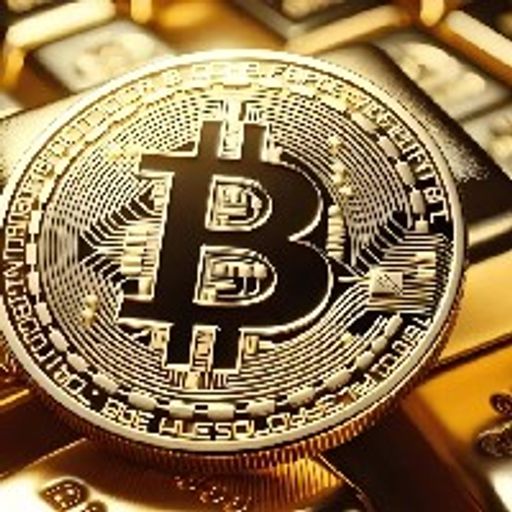

Gold Price of 4800 Is Just the Prelude: How the Global Capital Shift Is Triggering a Crypto Boom
The historic moment when gold surpasses 4,800 yuan per gram is far more than a celebration in the precious metals market. A closer look at capital flows reveals a more intense transformation underway—an unprecedented crisis of trust in the traditional financial system is pushing funds into the crypto world at an accelerating pace.
Trust Cracks in the US Dollar: The Biggest Boon for Cryptocurrencies
As central banks worldwide stockpile gold at the fastest rate in 55 years and continue to sell US Treasuries, another silent capital migration is equally astonishing: institutional investors are rapidly reallocating funds into digital assets.
This is no coincidence. Bitcoin is often called "digital gold," and now is the most convincing moment for that analogy. Distrust in the traditional monetary system is no longer just flowing into physical precious metals—new-generation investors are choosing to build value storage systems based on code and algorithms.
Dual-Track Capital Migration
Current capital is shifting along two clear paths:
Traditional Path: USD assets → Gold/Silver → Industrial Metals
Emerging Path: USD assets → Mainstream Cryptocurrencies → Decentralized Finance(DeFi) Ecosystem
It’s worth noting that the synchronized rise of metals and crypto assets is no accident. They share the same underlying logic: a vote of no confidence in centralized monetary systems. As the Federal Reserve’s balance sheet inflates and global de-dollarization accelerates, investors are simultaneously seeking safe-haven assets that are non-sovereign and supply-limited.
A Historic Turning Point: The Role of Cryptocurrency Upgrades
Unlike the disintegration of the Bretton Woods system in 1971, today the world has a new option: decentralized digital currencies. Cryptocurrencies are undergoing a role transformation—from speculative assets to substantial alternatives for value storage.
On-chain data reveals the truth: Bitcoin whale addresses are accumulating at a five-year high, institutional custody assets are steadily growing, and the total supply of stablecoins is rebounding. These are not short-term speculative signals but strategic shifts in long-term capital allocation.
The “Gold Mapping Effect” in Crypto Markets
A close look at recent trends reveals an interesting phenomenon: after gold breaks through key resistance levels, Bitcoin often follows closely behind, surpassing important psychological thresholds. This correlation has strengthened significantly since 2023, indicating that the investor groups for these two asset classes are increasingly overlapping.
Even more noteworthy is that the crypto market’s reactions tend to be more intense. When traditional capital flows into cryptocurrencies, it not only impacts Bitcoin’s price but also leads to a reevaluation of the entire decentralized finance ecosystem. From Ethereum to Solana, from Layer 1 blockchains to DeFi protocols, value is being reassessed.
New Balance Between Regulation and Innovation
Amidst global monetary policy turbulence, the regulatory environment for cryptocurrencies is also subtly evolving. Multiple jurisdictions are accelerating the development of digital currency regulatory frameworks, which may seem restrictive but are actually clearing the way for larger-scale institutional participation.
The boundaries between traditional finance and the crypto world are dissolving. BlackRock and other institutions launching Bitcoin ETFs, traditional banks offering digital asset custody services, and sovereign wealth funds exploring blockchain investments—scenarios once thought impossible are now becoming reality.
The Century of Convergence Between Hard Assets and Digital Assets
The significance of gold surpassing 4,800 yuan lies in the diversification of value storage forms. Physical precious metals and digital crypto assets are not mutually exclusive but together form a complementary and balancing force against traditional fiat currency systems.
The future scenario may involve individuals and institutions simultaneously allocating assets into gold, Bitcoin, Ethereum, and other digital assets, creating a resilient value storage portfolio. In this portfolio, different assets play different roles but serve the same goal: preserving value during the transition of the monetary system.
Looking Ahead: New Narratives in the Crypto Market
If current trends continue, the crypto market may usher in a new narrative of value:
1. Digital Scarcity as a Store of Value: Moving beyond speculation to become a true anchor of value
2. Decentralized Global Settlement Layer: Providing neutral trading platforms amid geopolitical polarization
3. New Financial Infrastructure: Supporting a multipolar monetary era with advanced technological foundations
The brilliance of gold and the code of the crypto world are responding in different forms to the same fundamental question: when trust in traditional currencies declines, where will humanity entrust its value?
---
This capital migration, sparked by the crisis of confidence in the dollar, is reshaping the entire landscape of value storage. The crypto world is no longer just an experimental playground for tech enthusiasts but a key destination for global capital reallocation. The breakthrough of gold past 4,800 yuan is a signal, reminding us that the era of monetary system transformation has fully arrived.
Which do you believe will play a more significant role in future value storage—traditional precious metals or digital assets? Share your insights!#黄金白银再创新高 $BTC