

Trade
Basic
Futures
Futures
Hundreds of contracts settled in USDT or BTC
TradFi
Gold
Trade global traditional assets with USDT in one place
Options
Hot
Trade European-style vanilla options
Unified Account
Maximize your capital efficiency
Demo Trading
Futures Kickoff
Get prepared for your futures trading
Futures Events
Participate in events to win generous rewards
Demo Trading
Use virtual funds to experience risk-free trading
Earn
Launch
CandyDrop
Collect candies to earn airdrops
Launchpool
Quick staking, earn potential new tokens
HODLer Airdrop
Hold GT and get massive airdrops for free
Launchpad
Be early to the next big token project
Alpha Points
Trade on-chain assets and enjoy airdrop rewards!
Futures Points
Earn futures points and claim airdrop rewards
Investment
Simple Earn
Earn interests with idle tokens
Auto-Invest
Auto-invest on a regular basis
Dual Investment
Buy low and sell high to take profits from price fluctuations
Soft Staking
Earn rewards with flexible staking
Crypto Loan
0 Fees
Pledge one crypto to borrow another
Lending Center
One-stop lending hub
VIP Wealth Hub
Customized wealth management empowers your assets growth
Private Wealth Management
Customized asset management to grow your digital assets
Quant Fund
Top asset management team helps you profit without hassle
Staking
Stake cryptos to earn in PoS products
Smart Leverage
New
No forced liquidation before maturity, worry-free leveraged gains
GUSD Minting
Use USDT/USDC to mint GUSD for treasury-level yields

More




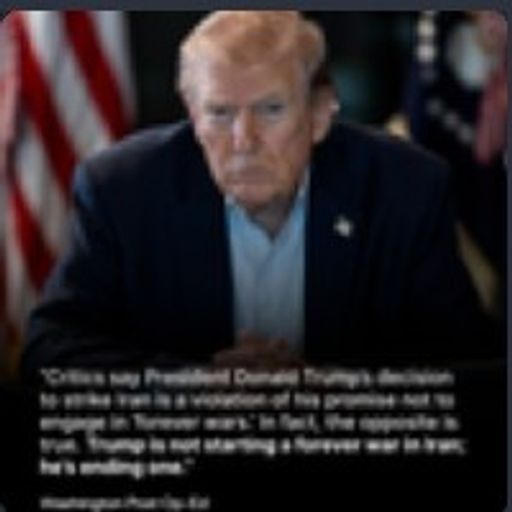

March 3 Evening | Latest Update on Middle East Situation
On the evening of March 3, local time, the conflict in the Middle East escalated fully. Iran officially launched "Real Commitment-4," rounds 11 to 13 of joint counterattacks, using missiles and drones to precisely strike U.S. military bases and key strategic targets within Kuwait, Bahrain, and Israel. Meanwhile, Iran strengthened control over the Strait of Hormuz, directly impacting regional energy transit security.
Iraqi militia forces coordinated their operations, launching a total of 28 intensive attacks on U.S. targets in Iraq and surrounding areas since early morning. Multiple rounds of missile and drone assaults continued to pressure U.S. military positions in the Middle East. Hezbollah in Lebanon launched rockets and drones against the Haifa missile base in northern Israel, prompting Israel to retaliate with airstrikes in southern Lebanon. Yemen's Houthi forces also blocked the Red Sea shipping lanes, continued attacking ships linked to Israel and the U.S., and launched missiles into southern Israel. Multiple parties are fully involved, and the regional conflict is rapidly spilling over.
Senior commander of the Iranian Revolutionary Guard, General Jafari, publicly stated that recent large-scale strikes used only first- and second-generation equipment, which are considered routine firepower consumption. Core capabilities such as third- and fourth-generation advanced missiles have not yet been deployed. Iran is determined to continue resisting the U.S. military to the end, with further escalation in the intensity and scope of future strikes still possible.