


Futures
Access hundreds of perpetual contracts
TradFi
Gold
One platform for global traditional assets
Options
Hot
Trade European-style vanilla options
Unified Account
Maximize your capital efficiency
Demo Trading
Introduction to Futures Trading
Learn the basics of futures trading
Futures Events
Join events to earn rewards
Demo Trading
Use virtual funds to practice risk-free trading
Launch
CandyDrop
Collect candies to earn airdrops
Launchpool
Quick staking, earn potential new tokens
HODLer Airdrop
Hold GT and get massive airdrops for free
Launchpad
Be early to the next big token project
Alpha Points
Trade on-chain assets and earn airdrops
Futures Points
Earn futures points and claim airdrop rewards


More






Bitcoin is a Liberating Force for an African Village Mining It
Last updated: January 5, 2024 04:42 EST . 2 min read
Disclosure: Crypto is a high-risk asset class. This article is provided for informational purposes and does not constitute investment advice. By using this website, you agree to our terms and conditions. We may utilise affiliate links within our content, and receive commission.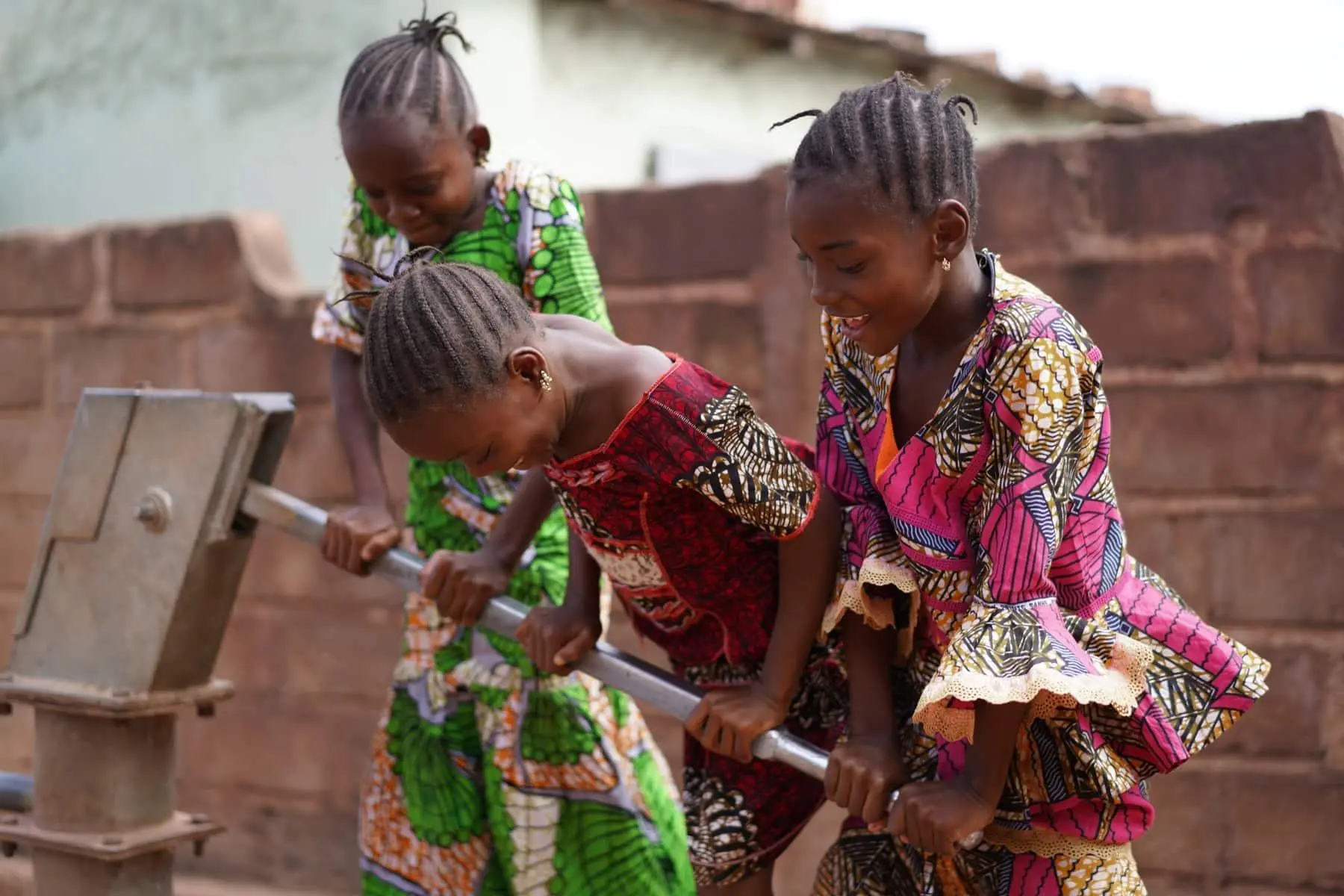 Source: AdobeStock / Riccardo Niels MayerA village in Malawi is full of “happy people” – thanks to Bitcoin mining.
The village is called Bondo. Rather, it’s a cluster of villages in the foothills of Mount Mulanje, in a remote Malawi region near Mozambique’s border.
It’s an impoverished region with no modes of transport besides one’s feet, very few resources to feed people, and no electricity. Well, until recently.
Bitcoin Brought Electricity to Bondo
UnHerd reported that “electricity has arrived in Bondo.”
What the region does have is massive rainfall. Three turbines were installed in a micro-hydro to exploit that rainfall.
In a concrete pump shed sit 32 computers mining Bitcoin.
And while crypto mining is commonly criticized for electricity consumption, the report argues that,
Mining utilizes the excess energy of these renewable plants. It has created a “life-changing” impact for the 1,800 homes connected to a mini-grid.
And it has done so in a number of ways.
Firstly, as said, people finally got electricity, unlike in most places in the country. Among many other things, they can use stoves to cook, refrigerators to store their food and medicine, watch TV, and the lights are on for children to study, giving them a chance to continue their education instead of leaving school.
Also, villagers are able to produce food and drinks to sell at the local markets.
The senior chief told the reporter they never thought they’d see energy supplied to the villages. And not only homes, but schools, maize mills, small enterprises, shops, and churches are also connected to the grid.
All this helps drive development in the local economy as well.
People Learned How to ‘Catch Their Own Fish’
One of the most important and often neglected facts is that many impoverished communities rely on foreign aid.
Actually, the author described Malawi as “a powerful case study in the failures of aid.” Countries such as Great Britain would bring fish to Malawi, but never taught them how to catch it itself, so to say.
But, the report noted,
Erik Hersman, chief utive of Gridless, commented that “Bitcoin can prevent Bondo becoming the sort of white elephant that you see across Africa, built by aid groups and then abandoned.”
Mount Mulanje Conservation Trust, a local group working to protect the region’s unique bio-diversity, built the Bondo power plants. They were initially supported by finance from aid and development agencies.
However, said the report,
Lastly, Malawi shows yet another reason why people in Africa are turning more towards bitcoin. They are looking for a way to protect their money and keep it away from unstable local currencies.