

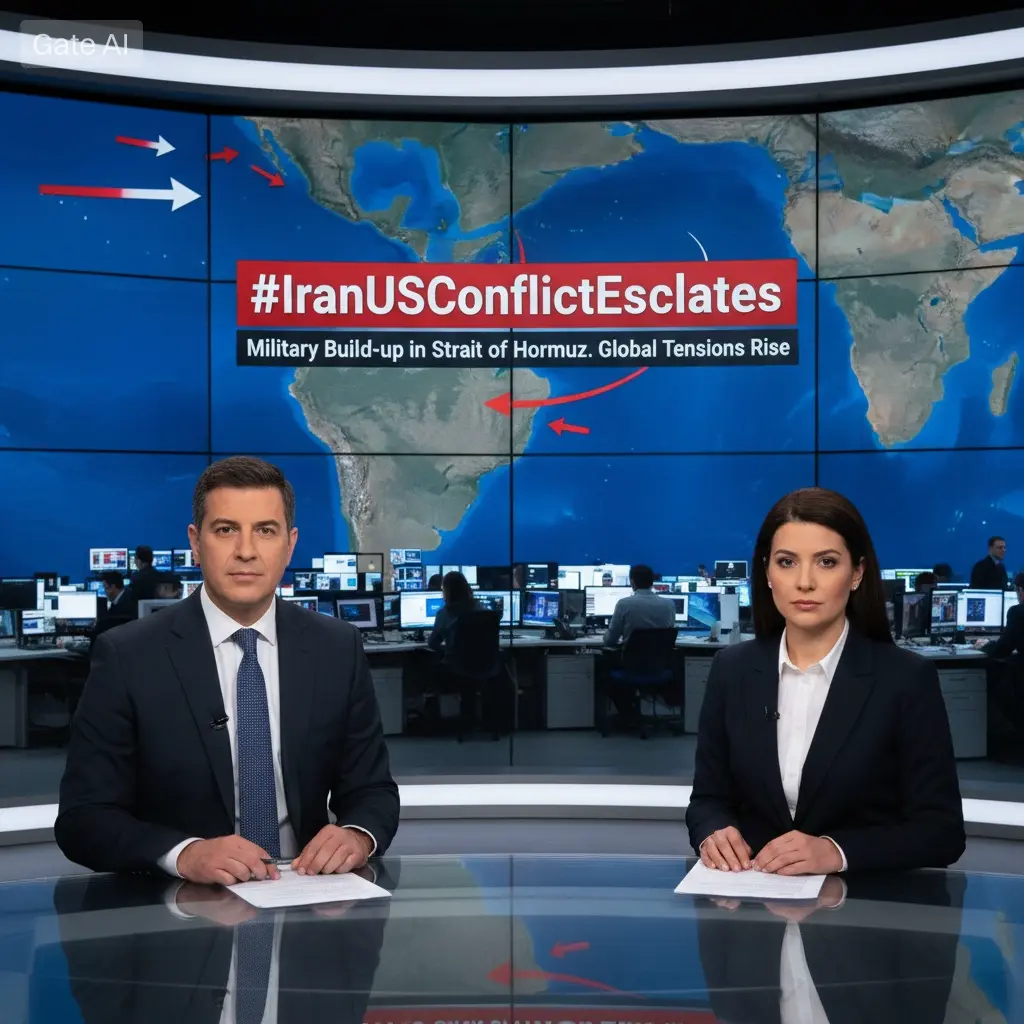
# USIranTensionsEscalate

1.21K
#JapanTokenizesGovernmentBonds Market Resilience: The Case for a BTC Recovery
Your assessment of the current market structure is spot on—especially the observation regarding ETF inflows. When price drops are met with sustained institutional buying rather than panic selling from the "big money" players, it suggests a redistribution of assets rather than a capitulation.
Here is a breakdown of why the $80,000 level remains a psychological and technical magnet despite the recent dip:
1. The Institutional "Safety Net"
The fact that ETF inflows remain steady suggests that institutional investors vie
BTC0.81%
post-image
post-image
post-image
  • Reward
  • 5
  • Repost
  • Share
MasterChuTheOldDemonMasterChu:
Chong Chong GT 🚀
View More
#USIranTensionsEscalate
#USIranTensionsEscalate | Market Volatility Is Back 🌍📉
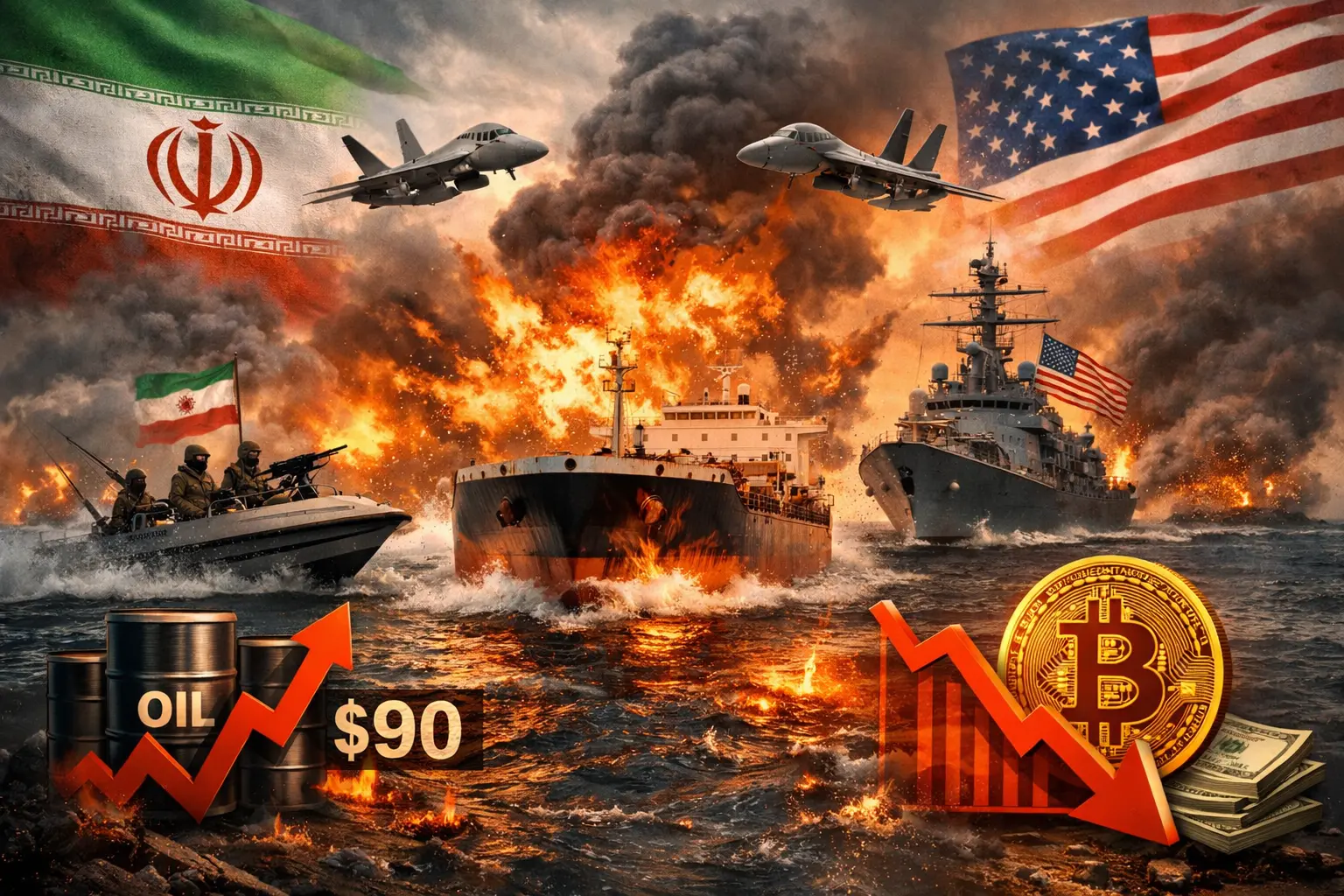
The latest developments in the Strait of Hormuz have once again reminded global markets how sensitive risk assets are to geopolitical conflict. After U.S. Central Command confirmed interception and response to an Iranian attack, investors quickly moved into risk-off mode — U.S. stocks dropped, oil prices rebounded sharply, and Bitcoin briefly lost the $80K level before showing signs of recovery. ⚡
Here’s my view on the current situation 👇
1️⃣ Will U.S.-Iran tensions escalate further? What key developments are yo
BTC0.81%
post-image
post-image
[The user has shared his/her trading data. Go to the App to view more.]
  • Reward
  • Comment
  • Repost
  • Share
#JapanTokenizesGovernmentBonds Market Resilience: The Case for a BTC Recovery
Your assessment of the current market structure is spot on—especially the observation regarding ETF inflows. When price drops are met with sustained institutional buying rather than panic selling from the "big money" players, it suggests a redistribution of assets rather than a capitulation.
Here is a breakdown of why the $80,000 level remains a psychological and technical magnet despite the recent dip:
1. The Institutional "Safety Net"
The fact that ETF inflows remain steady suggests that institutional investors vie
BTC0.81%
AYATTAC
#JapanTokenizesGovernmentBonds Market Resilience: The Case for a BTC Recovery
Your assessment of the current market structure is spot on—especially the observation regarding ETF inflows. When price drops are met with sustained institutional buying rather than panic selling from the "big money" players, it suggests a redistribution of assets rather than a capitulation.
Here is a breakdown of why the $80,000 level remains a psychological and technical magnet despite the recent dip:
1. The Institutional "Safety Net"
The fact that ETF inflows remain steady suggests that institutional investors view sub-$80k prices as a "discount" within a larger bull cycle. Unlike retail-driven pumps, institutional capital tends to be stickier. This creates a higher "floor" for Bitcoin, preventing the kind of 50-60% drawdowns we saw in previous cycles.
2. Bitcoin Dominance as a Risk Barometer
You mentioned BTC Dominance, which is a crucial metric right now. When dominance rises during a pullback, it confirms that the market is in "flight-to-safety" mode. Capital isn't leaving the crypto ecosystem entirely; it is simply retreating from high-beta altcoins back into the "Gold Standard" of the sector. This consolidation of liquidity into Bitcoin is often the precursor to a breakout.
3. The Catalyst: Macro vs. Geopolitical
The market is currently juggling two major headwinds:
Geopolitical Tension: Specifically the #USIranTensionsEscalate headlines, which naturally trigger short-term de-risking.
Macro Stability: Traders are looking for a cooling of the "higher-for-longer" interest rate narrative.
If we see even a minor "cooling off" period in the Middle East or a neutral-to-dovish economic print, the "sideline liquidity" you noted will likely flood back in to front-run the next leg up.
Key Technical Levels to Watch
Immediate Resistance: $80,000 (Psychological & Liquidity Zone).
Macro Support: The $74,000 - $76,000 range. As long as BTC stays above this area on a weekly close, the structural uptrend remains intact.
Volatility Triggers: Keep a close eye on the DXY (US Dollar Index). A softening dollar usually provides the tailwind Bitcoin needs to push through heavy resistance levels.

repost-content-media
  • Reward
  • 8
  • Repost
  • Share
MasterChuTheOldDemonMasterChu:
Chong Chong GT 🚀
View More
#USIranTensionsEscalate
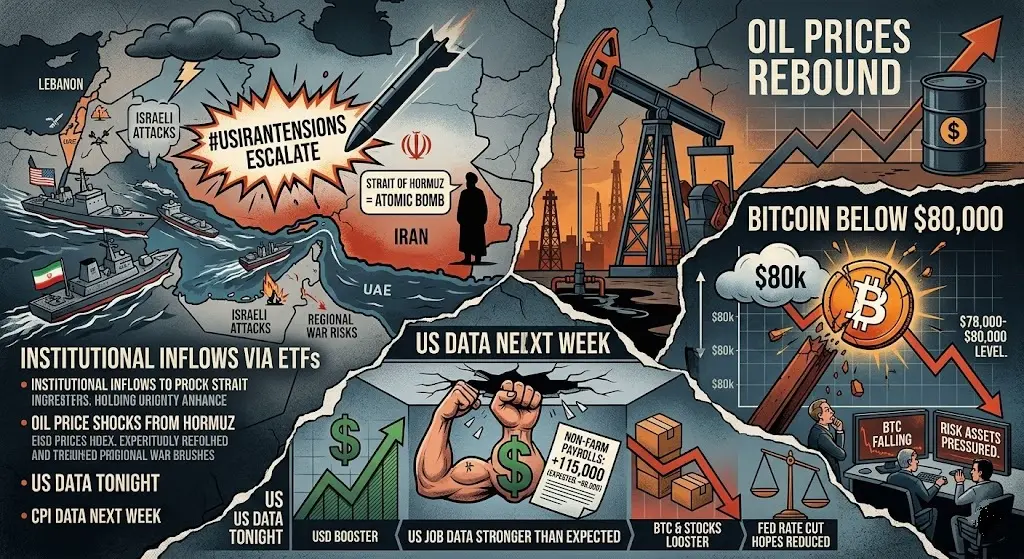
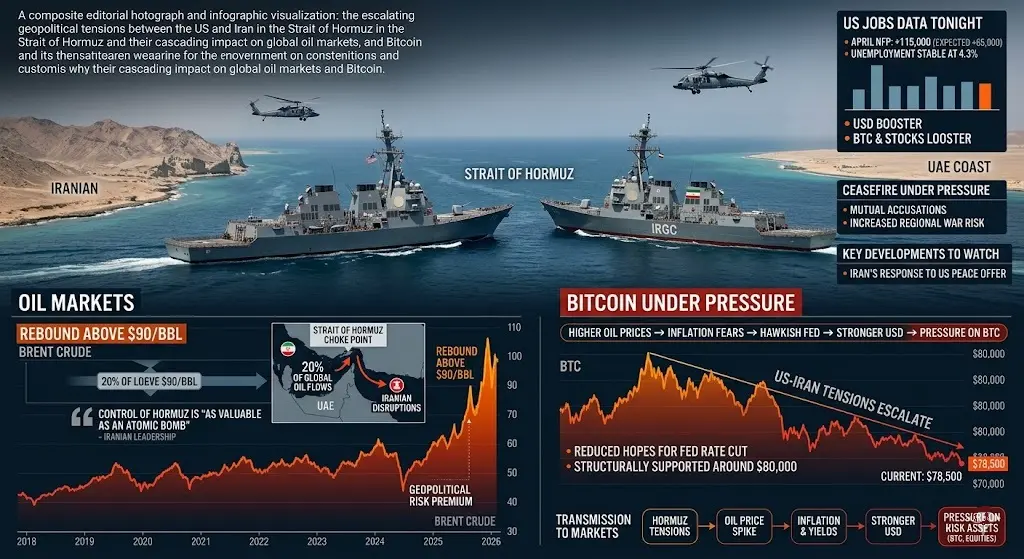
US-Iran tensions have escalated sharply in the Strait of Hormuz; this geopolitical shock has put pressure on risk assets, pushing Bitcoin below $80,000 and leading to a rebound in oil prices. US jobs data released tonight came in stronger than expected; this means a rise for the dollar, but a fall for risk assets like BTC.
US-Iran Tensions
Ceasefire under pressure: Both sides accuse each other of violating the April ceasefire.
The UAE reported injuries from Iranian attacks; Israel intensified its attacks in Lebanon, increasing the risk of a wider regional war.
The Ir
BTC0.81%
WELL7.41%
ARTFI1.31%
post-image
post-image
post-image
  • Reward
  • 6
  • Repost
  • Share
User_any:
To The Moon 🌕
View More
#USIranTensionsEscalate
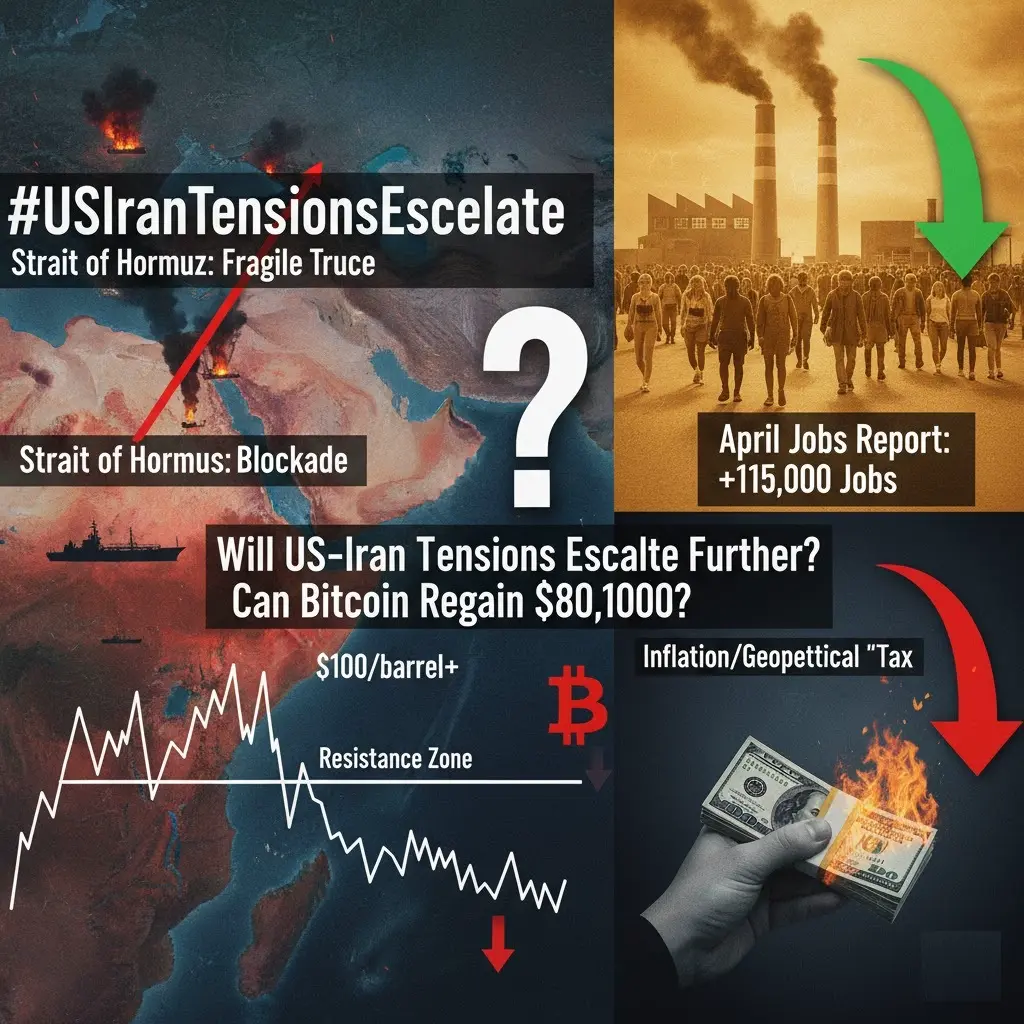
The situation in the Strait of Hormuz has become a major driver of market volatility this week. While the April jobs report sent a strong domestic economic signal, the geopolitical "tax" is currently putting heavy pressure on risky assets like Bitcoin.
Will US-Iran Tensions Escalate Further?
The situation is currently being described as a "fragile truce" that has been tested repeatedly. While the US Central Command characterized the May 8 response as a defensive "self-defense strike," the reciprocal nature of the attacks suggests we are currently in a cycle of high te
BTC0.81%
COINON6.5%
KITE7.32%
SOL6.36%
ybaser
#USIranTensionsEscalate
The situation in the Strait of Hormuz has become a major driver of market volatility this week. While the April jobs report sent a strong domestic economic signal, the geopolitical "tax" is currently putting heavy pressure on risky assets like Bitcoin.
Will US-Iran Tensions Escalate Further?
The situation is currently being described as a "fragile truce" that has been tested repeatedly. While the US Central Command characterized the May 8 response as a defensive "self-defense strike," the reciprocal nature of the attacks suggests we are currently in a cycle of high tension rather than a full-scale war.
Key developments to watch:
"Touch of Affection" Diplomacy: President Trump described the attacks as "touches of affection" to maintain the month-long truce, but Iran claimed responsibility for the attacks. Whether Iran's response will remain "reciprocal" (attacking ships) or target land targets will be watched.
Strait of Hormuz Blockade: This is a "red line" for global markets. Any prolonged shutdown or major damage to commercial tankers would likely push oil prices above $100/barrel.
Gulf States Intervention: Reports indicate that the UAE and other Gulf states are facing retaliatory drone strikes for supporting US operations. The further involvement of these countries in the conflict will make it much more difficult to contain the regional escalation.
Can Bitcoin Regain $80,000?
Bitcoin is currently caught between two opposing forces: strong institutional accumulation and geopolitical risk aversion.
Geopolitical shocks typically trigger a flight to cash (USD) or gold before Bitcoin. Breaking above the psychological $80,000 level has transformed this previous support into a challenging resistance zone.
Technical indicators (RSI) show Bitcoin is currently in a "balanced" state; neither oversold nor overbought. Analysts suggest that if BTC can hold the $78,000 region, a "relief rally" towards $82,000 by the end of May is likely. However, a move towards $100,000 is generally considered unlikely until the energy/inflation surge stemming from the Iran conflict stabilizes.
Tonight's Data: Bullish or Bearish?
Today's (May 8th) data presents a mixed picture, creating a "stagflation" scenario that is typically bearish for stocks but complex for cryptocurrencies.
Bullish Signal (Labor): The April Jobs Report "exceeded" expectations, adding 115,000 new jobs (more than double the expected 50,000). This proves the resilience of the local economy.
Bearish Signal (Inflation/Geopolitics): Rising oil prices are acting as a "hidden tax" on consumers, and high employment figures are giving the Federal Reserve more room to keep interest rates high for longer.
In the short term, sentiment for risky assets is cautiously bearish. The market is currently more afraid of a wider Middle East war than a strong US labor market. A "volatile" sideways trade is expected tonight as investors wait to see if the weekend brings further military escalation.
$COINON $KITE $SOL
repost-content-media
  • Reward
  • 8
  • Repost
  • Share
MrFlower_XingChen:
To The Moon 🌕
View More
#USIranTensionsEscalate
🤔 Three questions, three answers.🧐
1. Will U.S.-Iran tensions escalate further? What key developments are you watching?
Yes, escalation is unfolding, but with a curious tempo. Both sides trade fire, then return to the diplomatic track by morning. The U.S. struck Iranian military targets on May 7 after three destroyers came under attack in the Strait, yet Trump insists the ceasefire still holds and a 14-point memorandum sits on the table via Pakistani mediators . Iran's foreign minister calls this "reckless military adventure" and says diplomacy is always the victim.
BTC0.81%
post-image
User_any
𝐓𝐇𝐄 𝐂𝐄𝐀𝐒𝐄𝐅𝐈𝐑𝐄 𝐉𝐔𝐒𝐓 𝐁𝐑𝐎𝐊𝐄 ?
On May 7, U.S. and Iranian forces exchanged fire in the Strait of Hormuz, shattering the truce that had held since April 8. Both sides accuse the other of striking first. The U.S. says its destroyers were targeted, Iran says its vessels were attacked. The result is the same: the ceasefire is cracked wide open .
🔹 Three U.S. destroyers came under missile and drone fire, CENTCOM confirmed
🔹The U.S. struck Iranian military facilities in response
🔹Iran retaliated by targeting American military vessels, per Tehran's military command
🔹 Trump declared the U.S. inflicted "great damage" and threatened more strikes if Iran does not sign a deal fast
🔹Brent crude remains elevated as the physical oil market faces a 920 million barrel supply gap over March and April
▫️ A 14-point U.S. proposal was delivered to Tehran through Pakistani mediators just days ago
▫️ Iran was expected to respond on Thursday, the same day the strikes occurred
▫️ Pakistani PM Shehbaz Sharif had struck an optimistic tone hours before the exchanges
▫️ Iranian civilians express cynicism, with one telling AFP neither side can really reach an agreement
▫️ Physical crude for immediate delivery trades at +$100
The timing tells the real story. A one-page memorandum had been delivered via Pakistan, and both sides had signaled progress. Trump praised "very good talks." Pakistan's leader spoke of a long-term ceasefire. Then the shooting started. This is how negotiations look when both sides still believe escalation can squeeze out better terms. The futures market had been pricing in a deal, physical crude was pricing in reality, and the reality won.
What comes next depends entirely on the Strait of Hormuz. Over 1,500 ships and 20,000 crew remain trapped in the Gulf . Global markets lost about 15 million barrels per day in March and April . Inventories are draining fast. The Energy Intelligence report is blunt: if the strait stays closed into peak summer consumption, the world faces two consecutive months of 160 to 200 million barrel draws. That pushes prices to record highs and triggers a downward economic spiral . The physical market already trades above $150 for some grades . Futures are still $30 behind.
A broader deal remains on paper. The 14-point memo would trigger a 30-day negotiating window covering the strait, sanctions relief, and a ten-year uranium enrichment ban . But Iranian media denies a deal is close, calling reports of an imminent agreement fabricated . One Iranian parliamentary spokesman described the proposals as a U.S. wish list . Meanwhile the UAE is still absorbing missile strikes, Lebanon's ceasefire is straining after an Israeli airstrike killed a Hezbollah commander, and Washington has scheduled new Israel-Lebanon talks for May 14 .
The ceasefire paper was thin. It tore under the first real pressure. Now both sides are back to doing what they know: hitting and threatening harder. The physical oil market has been warning about this moment for weeks. The paper market is about to catch up.
#IranUSConflictEscalates
repost-content-media
  • Reward
  • 14
  • Repost
  • Share
MasterChuTheOldDemonMasterChu:
Just charge forward 👊
View More
📢 Gate Square | May 8 Hot Topic: #USIranTensionsEscalate
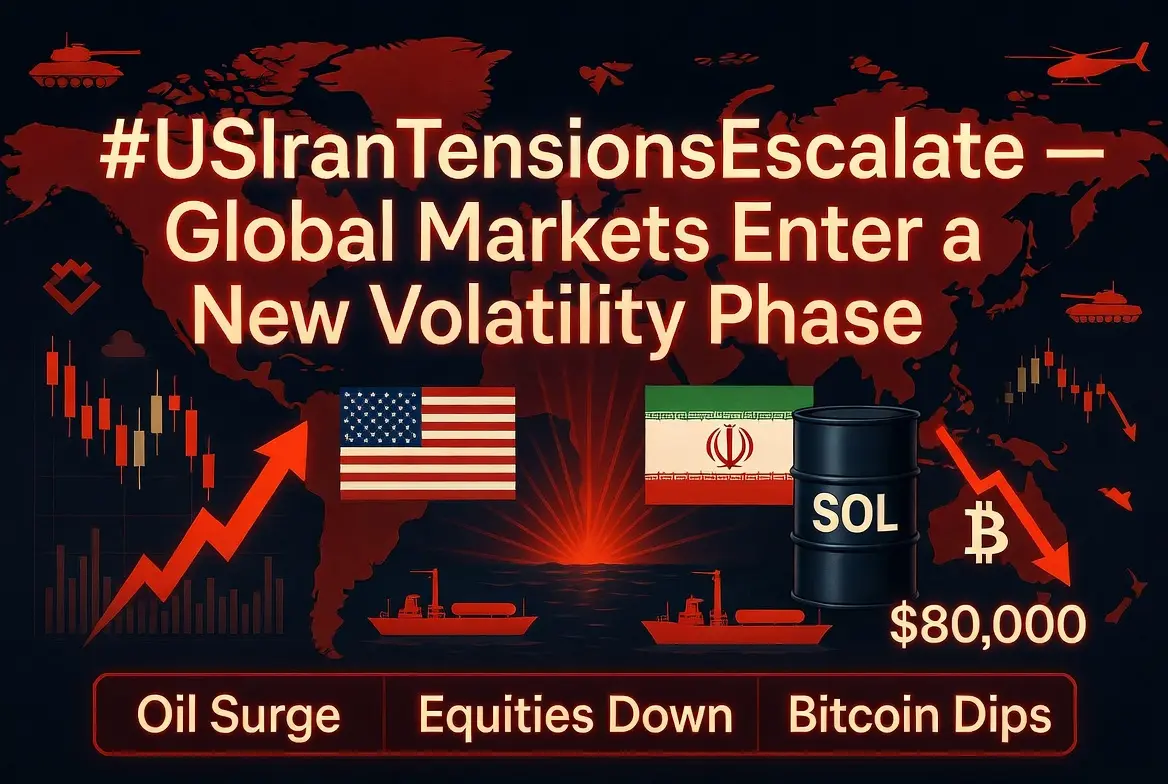
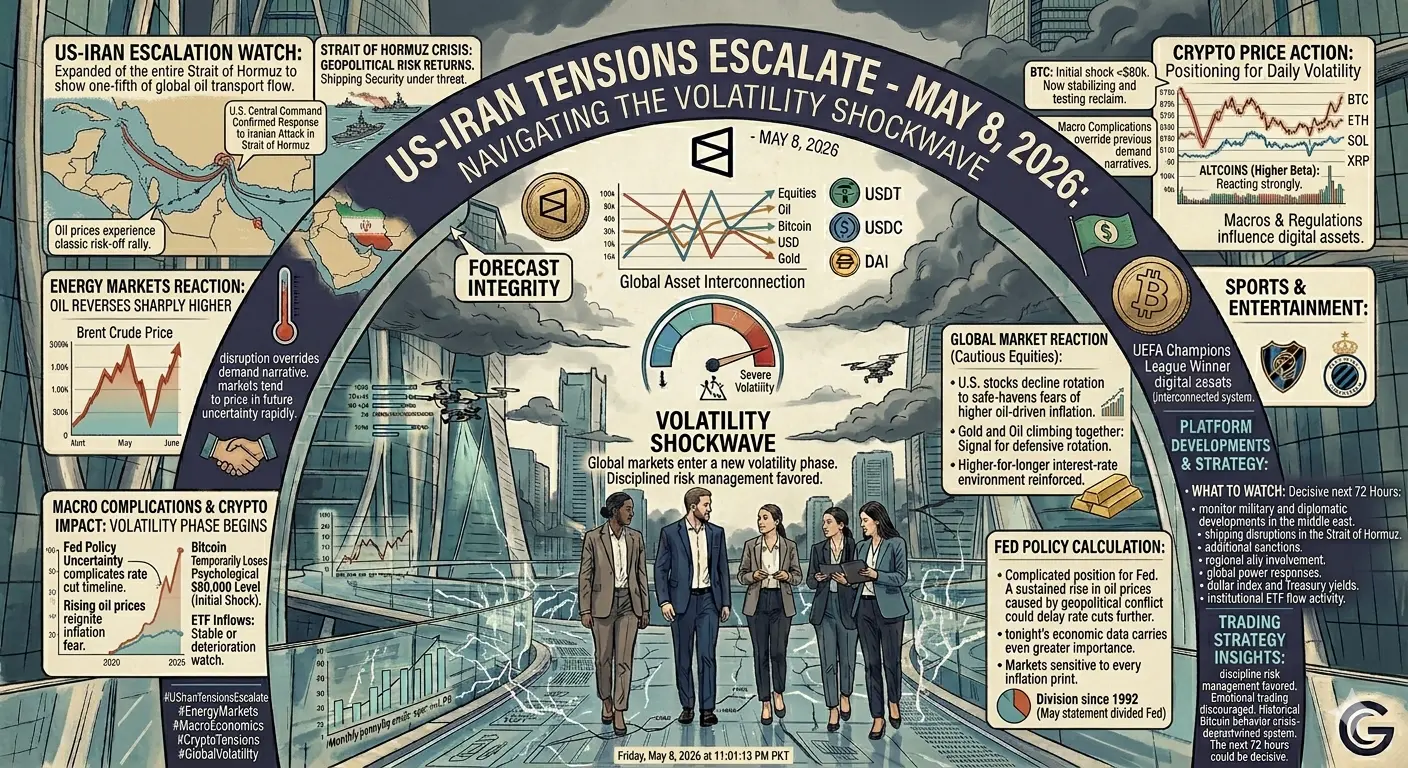
#USIranTensionsEscalate — Global Markets Enter a New Volatility Phase
Geopolitical risk has returned to the center of financial markets after U.S. Central Command confirmed that American forces intercepted and responded to what was described as an unprovoked Iranian attack in the Strait of Hormuz on May 8. The development immediately triggered a classic risk-off reaction across global assets: equities weakened, crude oil reversed sharply higher, safe-haven demand strengthened, and Bitcoin temporarily lost the psychological $80,000 leve
post-image
post-image
post-image
  • Reward
  • 3
  • Repost
  • Share
Dubai_Prince:
To The Moon 🌕
View More
#USIranTensionsEscalate
The situation in the Strait of Hormuz has become the main driver of market volatility this week. Although the April jobs report sent strong signals about the domestic economy, geopolitical "taxes" are currently exerting significant pressure on risk assets like Bitcoin.
Will the US-Iran tensions escalate further?
The current situation is described as a "fragile ceasefire," repeatedly tested. While the U.S. Central Command described the response on May 8 as a defensive "self-defense strike," the nature of the retaliation indicates we are in a high-tension cycle rather th
BTC0.81%
COINON6.5%
KITE7.32%
SOL6.36%
View Original
  • Reward
  • Comment
  • Repost
  • Share
#USIranTensionsEscalate
The situation in the Strait of Hormuz has become the main driver of market volatility this week. Although the April jobs report sent strong signals about the domestic economy, geopolitical "taxes" are currently exerting significant pressure on risk assets like Bitcoin.
Will the US-Iran tensions escalate further?
The current situation is described as a "fragile ceasefire," repeatedly tested. While the US Central Command described the response on May 8 as a defensive "self-defense strike," the nature of the retaliation indicates we are in a high-tension cycle rather than
BTC0.81%
COINON6.5%
KITE7.32%
SOL6.36%
View Original
  • Reward
  • 3
  • Repost
  • Share
ybaser:
To The Moon 🌕
View More
📢 Gate Square | Hot Topics on May 8th: #USIranTensionsEscalate
May 8th, the U.S. Central Command confirmed that U.S. forces intercepted and responded to an unprovoked Iranian attack in the Strait of Hormuz. The escalating geopolitical tensions pushed down the U.S. stock market, caused Bitcoin to fall below $80k, and triggered a sharp V-shaped rebound in oil prices.
🎁 Predict market trends, five winners will share a $1,000 holding voucher!
💬 Discussion:
1️⃣ Will the US-Iran tensions escalate further? What key developments are you watching?
2️⃣ Can Bitcoin withstand the pressure an
BTC0.81%
View Original
  • Reward
  • Comment
  • Repost
  • Share
Load More