



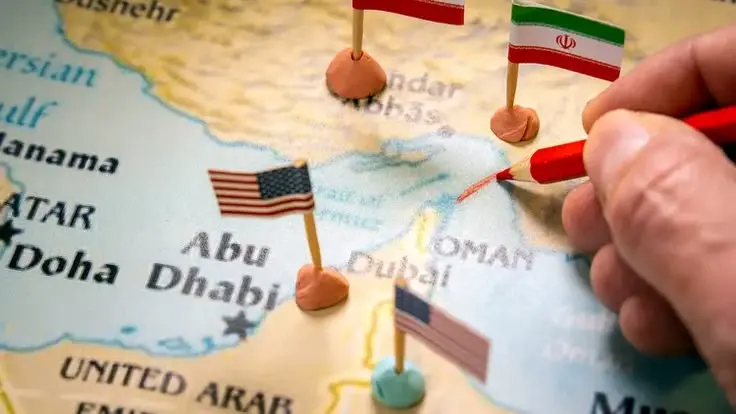
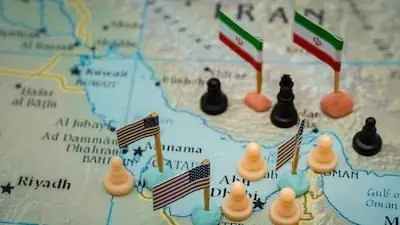
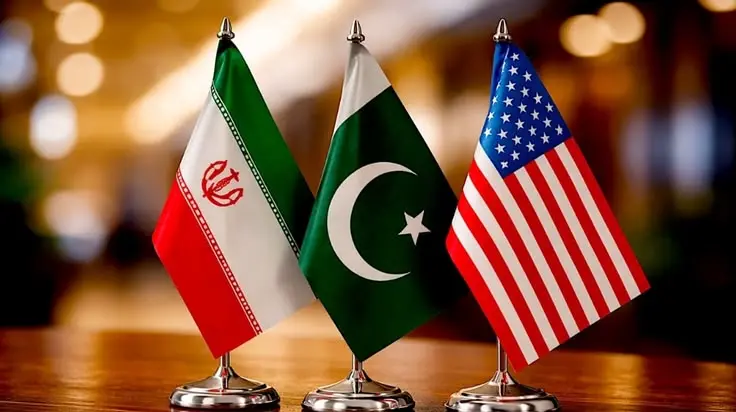
#USIranTalksProgress ✨ US-Iran negotiations are at a critical juncture, directly impacting global geopolitical balances as of April 2026. The diplomatic process, which began in 2025, has reached its final stage today, determining the fate of the ceasefire amidst military tensions and economic pressures.
✨ The talks, particularly those mediated by Pakistan, affect not only bilateral relations but also a wide range of areas, from energy markets to global security.
✨ Developments
✨ Ceasefire at a Critical Threshold
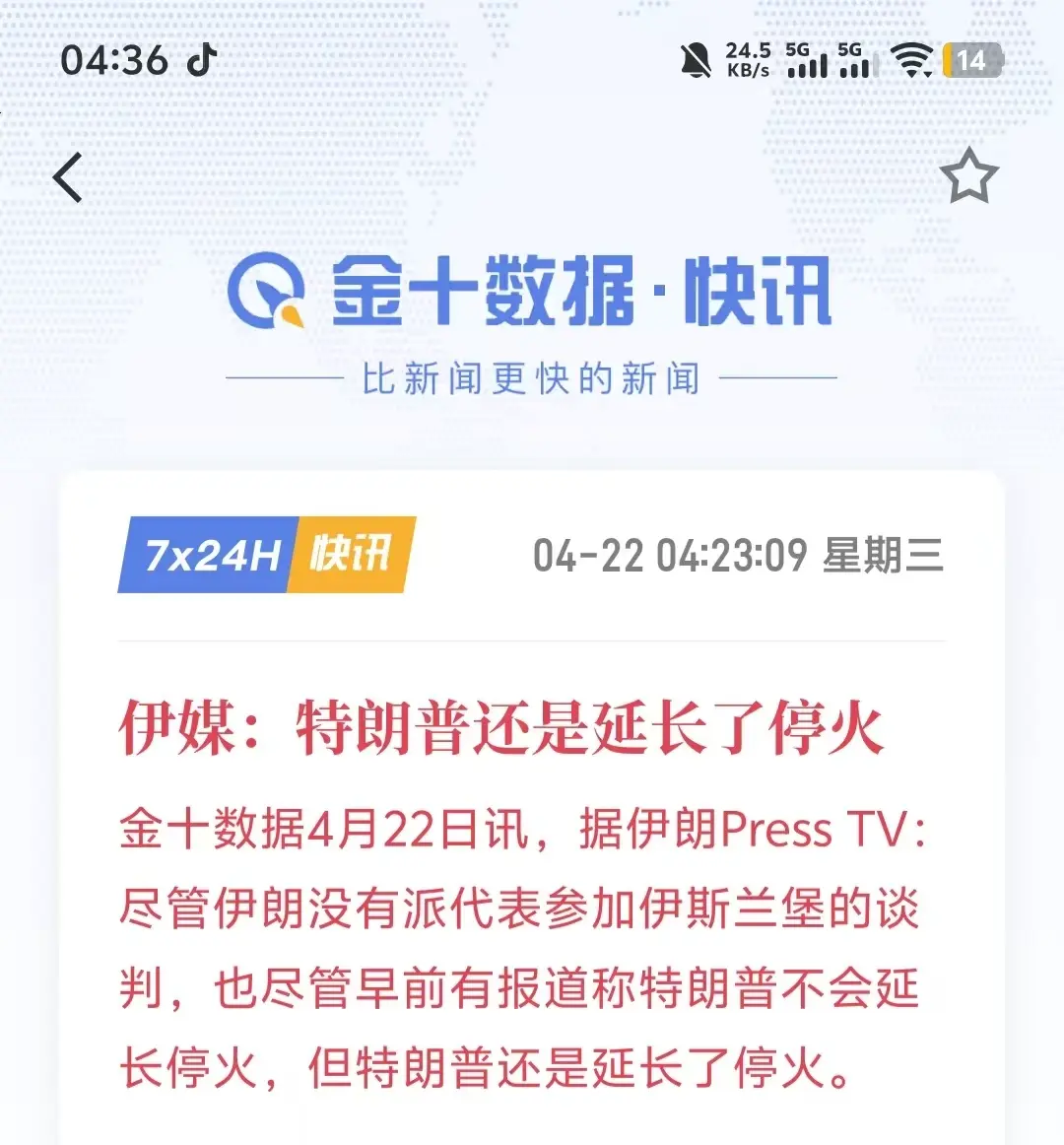
The temporary ceasefire between the US and Iran is about to expire, and whether it will be extended remains uncertain.
A new meeting date has not yet been set; the Iranian side is cautious about participating in the negotiations.
✨ Diplomatic Activity Intensifies
US Vice President JD Vance is expected to lead the talks in Pakistan, if Iran agrees.
Pakistan has increased its security and diplomatic preparations for the second round of talks.
✨ Military and economic pressure is increasing
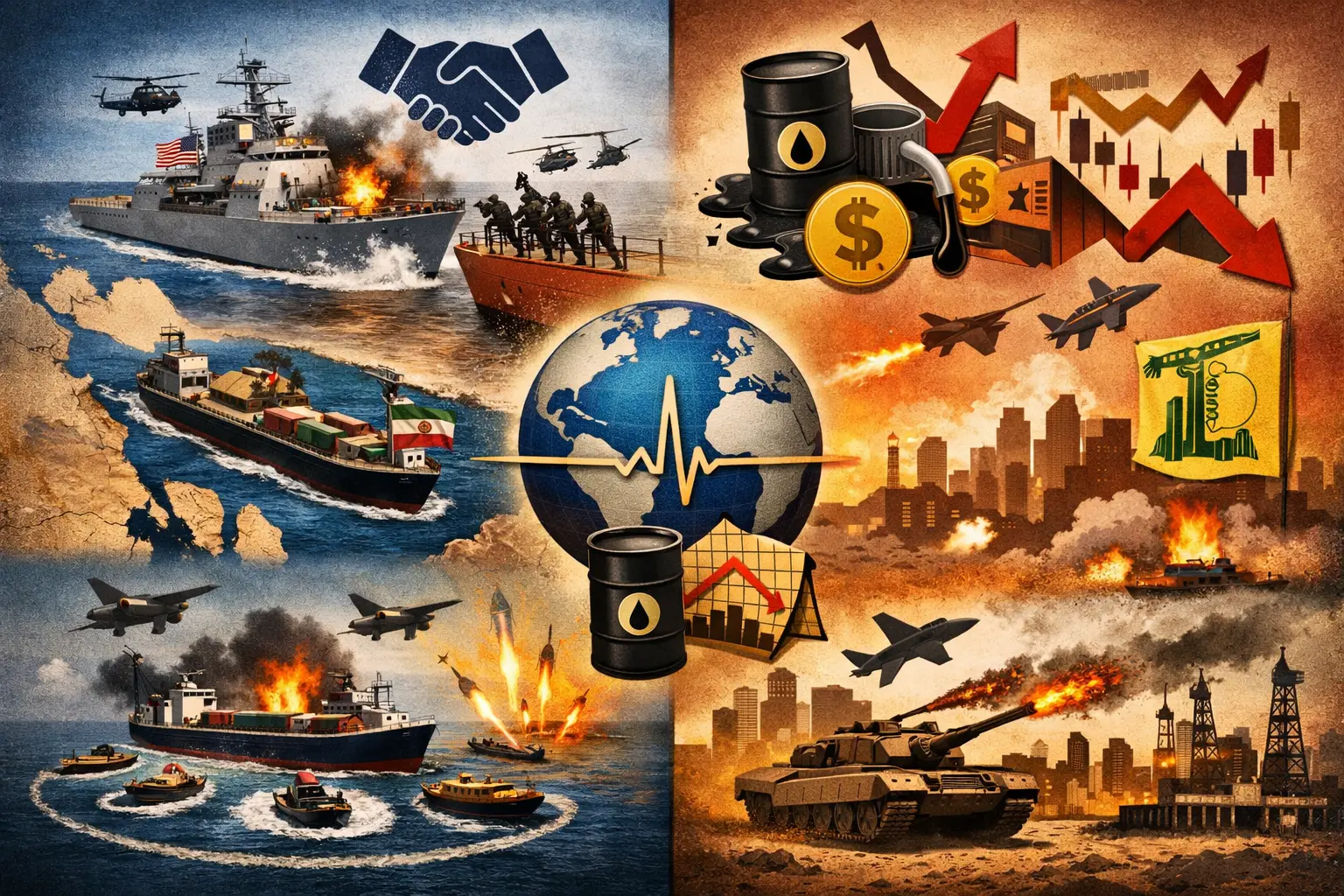
The US targeting of Iranian-linked tankers and expanding naval operations demonstrate the continuation of the “maximum pressure” strategy.
Allegations of ceasefire violations and harsh political rhetoric are making the negotiation environment more fragile.
✨ Energy markets are sounding the alarm
Oil prices are rising rapidly due to tensions, causing volatility in global markets.
Risks over the Strait of Hormuz pose a critical threat to energy supply security.
✨ Fundamental disagreements persist
Iran’s nuclear program and enriched uranium stockpiles remain the biggest sticking points in the negotiations.
A balance has not been struck between US sanctions and Iran’s sovereignty claims.
✨ US-Iran talks are at a critical juncture between a diplomatic solution and a renewed escalation.
In the short term: Extending the ceasefire is vital for global markets and regional stability.
In the medium term: If a lasting framework regarding the nuclear program and sanctions cannot be established, the crisis could deepen again.
In the long term: This process could reshape the balance of power in the Middle East and the US's strategic position in the region.
✨ In light of recent developments, while diplomacy is still on the table, military and economic maneuvers on the ground clearly demonstrate that the process is high-risk and fragile.
✨ The talks, particularly those mediated by Pakistan, affect not only bilateral relations but also a wide range of areas, from energy markets to global security.
✨ Developments
✨ Ceasefire at a Critical Threshold
The temporary ceasefire between the US and Iran is about to expire, and whether it will be extended remains uncertain.
A new meeting date has not yet been set; the Iranian side is cautious about participating in the negotiations.
✨ Diplomatic Activity Intensifies
US Vice President JD Vance is expected to lead the talks in Pakistan, if Iran agrees.
Pakistan has increased its security and diplomatic preparations for the second round of talks.
✨ Military and economic pressure is increasing
The US targeting of Iranian-linked tankers and expanding naval operations demonstrate the continuation of the “maximum pressure” strategy.
Allegations of ceasefire violations and harsh political rhetoric are making the negotiation environment more fragile.
✨ Energy markets are sounding the alarm
Oil prices are rising rapidly due to tensions, causing volatility in global markets.
Risks over the Strait of Hormuz pose a critical threat to energy supply security.
✨ Fundamental disagreements persist
Iran’s nuclear program and enriched uranium stockpiles remain the biggest sticking points in the negotiations.
A balance has not been struck between US sanctions and Iran’s sovereignty claims.
✨ US-Iran talks are at a critical juncture between a diplomatic solution and a renewed escalation.
In the short term: Extending the ceasefire is vital for global markets and regional stability.
In the medium term: If a lasting framework regarding the nuclear program and sanctions cannot be established, the crisis could deepen again.
In the long term: This process could reshape the balance of power in the Middle East and the US's strategic position in the region.
✨ In light of recent developments, while diplomacy is still on the table, military and economic maneuvers on the ground clearly demonstrate that the process is high-risk and fragile.