Home Bitcoin Mining: A Beginner’s Guide
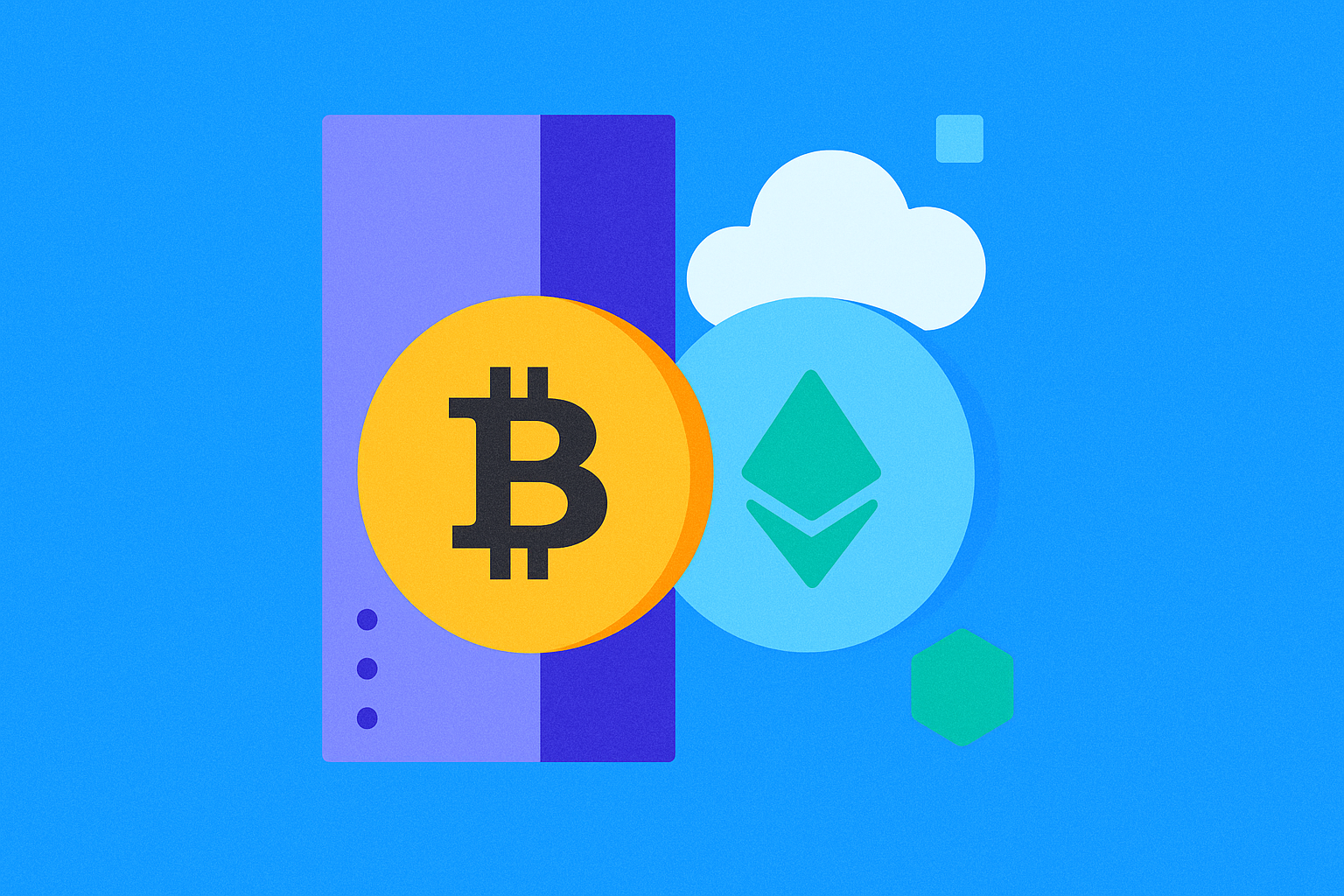
What Is Mining and Why Should You Care?
Cryptocurrency mining is the process of generating digital assets using the computational power of computer hardware. This practice became especially popular with Bitcoin—the market’s highest-cap cryptocurrency. In mining, specialized equipment solves complex mathematical problems essential for maintaining blockchain network operations.
To mine cryptocurrencies, you need computing power, which can be sourced in several ways. The most common options are graphics cards (GPUs), central processing units (CPUs), or specialized devices called ASIC miners. Each hardware type has its own characteristics and is optimal for specific cryptocurrencies.
The mining process works as follows:
- The miner—an individual engaged in cryptocurrency mining—connects hardware to the blockchain network of their chosen cryptocurrency using dedicated software.
- The blockchain network leverages this computing power to process and verify transactions, create new blocks, and perform other key tasks that ensure the system’s security and operation.
- In return for their work and resource contribution, miners receive new coins and transaction fees from processed transactions.
Mining serves as an alternative to directly buying cryptocurrency on exchanges. There are several compelling reasons to consider this approach:
-
Using existing hardware. Mining doesn’t always require large upfront investments. For example, owners of modern graphics cards can mine cryptocurrencies on their current computers, making home Bitcoin mining accessible to a broad user base.
-
Potential appreciation of mined assets. Cryptocurrencies mined today could rise significantly in value, delivering substantial profits. The price growth of many digital assets, including Bitcoin, is mathematically driven and tied to limited coin supply, which gradually creates scarcity and boosts value.
-
Passive income stream. Once set up, mining can run automatically, generating income without constant hands-on involvement. This makes crypto mining an appealing way to earn extra income.
-
Portfolio diversification. Mining allows you to accumulate crypto assets over time, spreading investments and reducing risk associated with market volatility.
Mining in Russia: What You Need to Know
In recent years, Russian authorities have moved toward legalizing the cryptocurrency industry, but a complete legislative framework for miners is still in development. As of now, there is no clear legal regulation for digital asset mining activities, which creates some uncertainty for market participants.
Despite the lack of comprehensive legislation, Russia holds a major role in the global mining industry. The country recently became the world’s second-largest Bitcoin mining hub, highlighting strong sector development and supportive factors like relatively low electricity costs in certain regions and a cold climate that naturally cools equipment.
However, due to geopolitical events, Russian crypto community members face significant restrictions. Some international crypto exchanges and mining pools have imposed sanctions on users from Russia, limiting access to certain services and platforms. As a result, Russian miners have had to seek alternative solutions and platforms.
The legal status of mining in Russia is still evolving. Authorities are exploring various regulatory approaches, including taxation of mining income, requirements for registering large mining farms, and monitoring electricity consumption. Market participants should stay updated on legislation and consult legal experts to ensure compliance with current regulations.
How to Set Up Home Mining
There are several primary ways to mine cryptocurrency, each with unique features, advantages, and drawbacks. Below are the most popular home mining options.
Cloud Mining
Cloud mining lets users rent computing power from a specialized provider that operates large, professional mining farms. This model allows you to mine cryptocurrency without buying or maintaining your own hardware.
Here’s how cloud mining works: the provider installs and manages mining equipment in specialized data centers with optimal operating conditions. Clients buy contracts for a set amount of computing power over a defined period and receive a proportional share of the mined cryptocurrency, minus the provider’s fee.
Advantages of cloud mining:
- No need for major upfront capital to acquire expensive equipment
- No hassle of purchasing, installing, or configuring mining hardware yourself
- No technical maintenance, repair, or upgrades required
- You need only basic knowledge of mining and the digital asset market to get started
- No worries about noise, heat, or increased energy consumption at home
- Ability to start mining quickly without waiting for hardware delivery or setup
Disadvantages of cloud mining:
- No direct control over hardware settings or mining parameters
- The cloud mining market is rife with scams and unreliable providers, making investment loss a risk
- Returns are typically lower than with your own hardware due to service fees
- Providers often charge high commissions for managing and maintaining equipment
- Limited flexibility in choosing which cryptocurrencies to mine or switching between coins
- Dependence on the provider’s reliability and integrity
Cloud mining is ideal for those who don’t want bulky, noisy equipment at home, lack the technical skills for maintenance, or want to try mining with minimal initial investment.
Mining with Your Own Hardware
Mining cryptocurrencies with your own equipment gives you maximum control and potentially higher profits. Your hardware choice depends on the target cryptocurrency’s algorithm and your budget.
The most efficient way to mine Bitcoin is with ASIC miners—dedicated devices designed for a specific algorithm. To mine the second-largest cryptocurrency by market cap and other coins using Ethash, high-performance GPUs are sufficient and offer flexibility in asset selection.
There are two main approaches to home mining with your own hardware:
-
Using existing hardware. This suits owners of modern PCs with powerful graphics cards. Simply install specialized mining software—it will automatically analyze your hardware and select the most profitable cryptocurrencies to mine, considering market conditions and network difficulty. Popular mining software includes NiceHash, Kryptex, Awesome Miner, and more.
-
Purchasing specialized mining equipment. Those committed to the industry can invest in professional devices. ASIC miners are purpose-built and optimized for specific mining algorithms, offering maximum efficiency and performance. Alternatively, you can build a mining rig with several graphics cards, which requires a motherboard with multiple PCI-E slots, a powerful power supply, a processor, and RAM.
Advantages of mining with your own equipment:
- Full control over your mining process, including hardware settings for optimal performance and energy efficiency
- Much higher returns than cloud mining since there are no intermediaries
- No need for contracts with third-party computing power providers
- No service fees to outside parties for maintenance
- Ability to quickly switch between cryptocurrencies depending on profitability
- Hardware remains your property and can be sold if needed
Disadvantages of mining with your own equipment:
- Requires adequate space for mining equipment
- Cooling fan noise can disrupt daily life
- Technical skills are needed for setup, maintenance, and troubleshooting
- Significant upfront costs for hardware, which can range from tens of thousands to hundreds of thousands of rubles
- High electricity usage, resulting in bigger utility bills
- Generates a lot of heat, which may require additional cooling
- Risk of hardware becoming outdated and less efficient over time
To maximize efficiency, many miners join mining pools—specialized platforms that combine the computing power of many users to solve cryptographic tasks. This greatly increases the odds of finding a block and earning rewards. Earnings are distributed among pool participants according to their share of the total computing power. Leading mining pools offer different reward models, including PPS (Pay Per Share), PPLNS (Pay Per Last N Shares), and others.
When evaluating mining approaches, consider your budget, technical ability, available space, local electricity costs, and whether you’re prepared for a long-term investment. Always calculate profitability carefully, factoring in all costs and potential returns before starting to mine.
Conclusion
Cryptocurrency mining is a multifaceted activity with multiple approaches and paths for implementation. Today’s mining market offers solutions for participants at every skill, experience, and budget level. Options include mining at home on a personal computer, cloud mining, using specialized hardware, and more.
Notably, you don’t need deep technical knowledge to start earning from mining. Modern software and intuitive platforms make mining accessible even for newcomers to digital assets.
Key takeaways:
-
You can set up mining for a wide range of cryptocurrencies at home—from high-cap coins to lesser-known altcoins. It’s even possible with a modestly equipped computer. The easiest start is to install automated software that analyzes your hardware and selects the most profitable coin to mine, factoring in market conditions and network difficulty.
-
The mining hardware and services market offers diverse options for any budget or experience level. Miners seeking maximum returns and willing to invest heavily can purchase professional ASIC miners or the latest high-end GPUs. Those without significant capital can rent computing power through cloud mining platforms or use existing computer hardware to get started.
-
When choosing a mining method, consider many factors: initial investment, operating costs (especially electricity), technical skill, available space, equipment noise and heat, and potential profitability given market volatility.
-
Consistent mining success requires regular monitoring of market trends, network difficulty, cryptocurrency prices, and emerging technologies. Flexibility and adaptability are crucial for sustained profitability.
-
Before mining, analyze profitability with dedicated calculators that factor in hardware costs, power usage, network difficulty, current crypto prices, and other key metrics. This helps set realistic expectations for investment payback and potential returns.
FAQ
What Is Bitcoin Mining, and How Does Home Mining Differ from Mining Farms?
Bitcoin mining is the process of earning cryptocurrency using computing power. Home mining relies on personal devices with low hash rates and unstable income. Mining farms aggregate many ASIC miners in one location, delivering high power and more consistent earnings.
What Equipment Do You Need for Home Mining? Can a Standard Computer Mine?
Home mining requires specialized ASIC miners. A standard computer lacks the power for efficient mining—only professional hardware can mine Bitcoin effectively.
How Much Does Home Bitcoin Mining Cost Upfront, and What Can You Earn?
Initial investment starts at $12,000 per device. Earnings depend on electricity rates and network difficulty. One device can generate 1 BTC in about three years at current difficulty levels.
How Does Mining Impact Electricity and Equipment Costs? Can Profits Cover Expenses?
Mining consumes significant energy and requires investment in hardware. Profitability depends on electricity rates—low rates can make mining profitable, while high rates often result in losses.
How Should Beginners Choose Mining Software and a Pool?
Select software with strong hardware compatibility and an easy-to-use interface. Choose pools with solid reputations, stability, and low fees. Review user feedback and the number of mined blocks.
Is Home Mining Legal? What Legal and Tax Issues Should You Consider?
Home mining is legal in most countries, but you must comply with tax obligations and local rules. Consider income taxation, energy consumption, and housing regulations. Using renewable energy and keeping transparent records is recommended.
Is Home Bitcoin Mining Worthwhile as Difficulty Increases?
As mining difficulty rises and electricity costs climb, home mining becomes less profitable. Professional hardware and pool participation are required. For 2026, home mining is not recommended.
How Can You Secure Home Mining and Prevent Overheating?
Use well-ventilated enclosures with advanced air or liquid cooling. Monitor temperatures regularly and ensure proper power distribution. Protect hardware from dust for optimal performance.
Share
Content
How to Buy Cryptocurrency


Trending Cryptocurrencies



How to Mine Ethereum in 2025: A Complete Guide for Beginners

Exploring the Crypto World: The Ultimate Mining Guide and Profit Secrets
From Zero to Hero – Mining Technology and Trends Analysis

Mining Strategies – Building Your Digital Gold Factory
Pi Network (PI): Mobile-Friendly Cryptocurrency for Global Adoption

Pi Network 2025: Latest Mining Updates and Mainnet Launch Progress

2026 DGRAM Price Prediction: Expert Analysis and Market Forecast for the Digital Gram Token

2026 LEVER Price Prediction: Expert Analysis and Market Forecast for the Next Bull Cycle
2026 BUCK Price Prediction: Expert Analysis and Market Forecast for the Next Bull Run
What Is Proof-of-Work in Simple Terms
Who is Vitalik Buterin