#OilPricesRise
The rise in international oil prices is shaking global markets as a direct result of the conflicts in the Middle East. Whether the conflict has become uncontrollable and whether a global energy crisis has re-emerged is being considered. Military developments between the US, Israel, and Iran have led to the de facto closure of the Strait of Hormuz, attacks on energy infrastructure, and a daily supply loss of approximately twenty million barrels. This triggered one of the biggest oil supply shocks in history, with Brent crude oil prices rising to $109 per barrel. The International Energy Agency has described this process as the greatest energy security threat in history, and governments have reactivated crisis management tools such as fuel conservation measures, subsidies, and emergency stockpile releases. Therefore, the global energy crisis is resurfacing, but thanks to diplomatic efforts and some de-escalation signals, the conflict has not yet reached a completely uncontrollable stage. In a long-term scenario, economic damage and inflationary pressures will increase significantly.
Market participants, seizing the opportunity presented by the surge in oil prices, have taken long positions in crude oil futures contracts or oil-indexed exchange-traded funds, anticipating geopolitical risks. Recent oil holding strategies include hedging against volatility with options contracts, dynamically adjusting positions by continuously monitoring geopolitical news flow, and diversifying into energy sector stocks to spread risk. These approaches both protect short-term gains and provide a buffer against sudden corrections in the event of a potential return to normal supply.
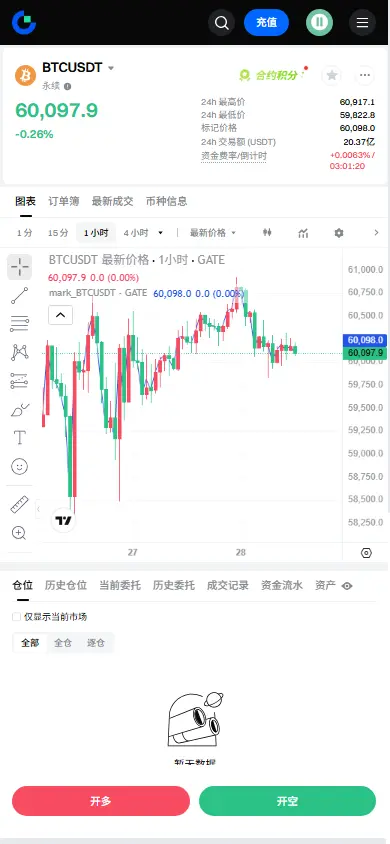
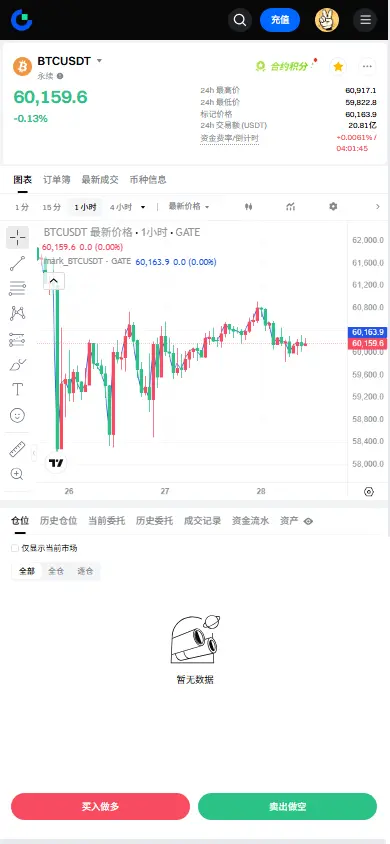
When examining how the escalation of the conflict will affect the crypto market and what strategy mainstream investors should follow, it is observed that geopolitical uncertainties initially strengthen risk aversion, leading to a decline in the value of crypto assets. However, leading assets like Bitcoin have shown more resilience compared to stocks. The inflationary pressure created by rising energy costs may fuel central banks' tendency to maintain tight interest rate policies, potentially putting pressure on leveraged risky assets. Mainstream investors should prioritize liquidity, focus on established assets like Bitcoin and Ethereum, significantly reduce leverage, and diversify their portfolios with assets that have historically performed well in inflationary environments. Within this framework, positions should be kept flexible while closely monitoring macroeconomic indicators and diplomatic developments.
$XTIUSD $XTIUSD20 #国际油价走高
The rise in international oil prices is shaking global markets as a direct result of the conflicts in the Middle East. Whether the conflict has become uncontrollable and whether a global energy crisis has re-emerged is being considered. Military developments between the US, Israel, and Iran have led to the de facto closure of the Strait of Hormuz, attacks on energy infrastructure, and a daily supply loss of approximately twenty million barrels. This triggered one of the biggest oil supply shocks in history, with Brent crude oil prices rising to $109 per barrel. The International Energy Agency has described this process as the greatest energy security threat in history, and governments have reactivated crisis management tools such as fuel conservation measures, subsidies, and emergency stockpile releases. Therefore, the global energy crisis is resurfacing, but thanks to diplomatic efforts and some de-escalation signals, the conflict has not yet reached a completely uncontrollable stage. In a long-term scenario, economic damage and inflationary pressures will increase significantly.
Market participants, seizing the opportunity presented by the surge in oil prices, have taken long positions in crude oil futures contracts or oil-indexed exchange-traded funds, anticipating geopolitical risks. Recent oil holding strategies include hedging against volatility with options contracts, dynamically adjusting positions by continuously monitoring geopolitical news flow, and diversifying into energy sector stocks to spread risk. These approaches both protect short-term gains and provide a buffer against sudden corrections in the event of a potential return to normal supply.
When examining how the escalation of the conflict will affect the crypto market and what strategy mainstream investors should follow, it is observed that geopolitical uncertainties initially strengthen risk aversion, leading to a decline in the value of crypto assets. However, leading assets like Bitcoin have shown more resilience compared to stocks. The inflationary pressure created by rising energy costs may fuel central banks' tendency to maintain tight interest rate policies, potentially putting pressure on leveraged risky assets. Mainstream investors should prioritize liquidity, focus on established assets like Bitcoin and Ethereum, significantly reduce leverage, and diversify their portfolios with assets that have historically performed well in inflationary environments. Within this framework, positions should be kept flexible while closely monitoring macroeconomic indicators and diplomatic developments.
$XTIUSD $XTIUSD20 #国际油价走高