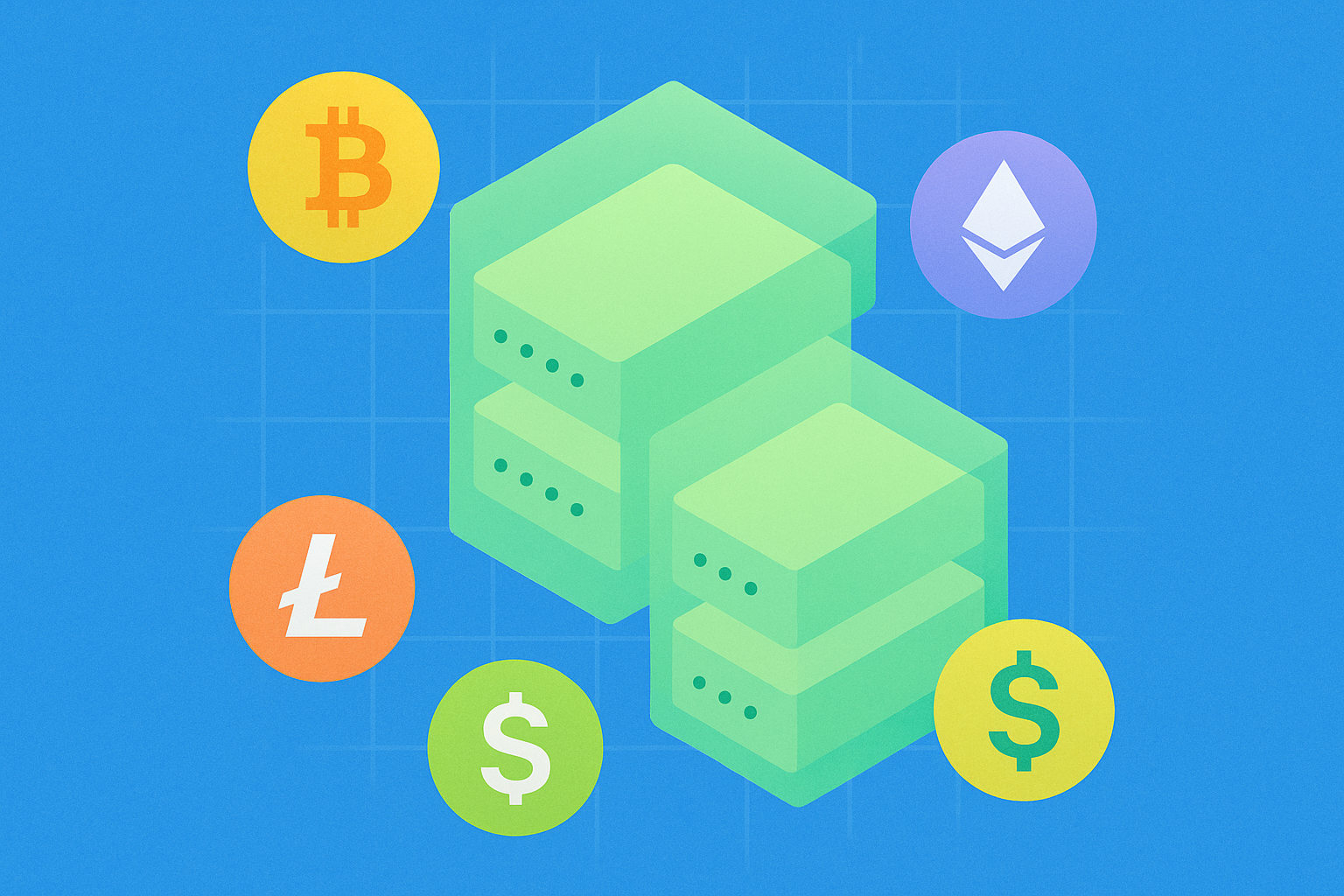
This comprehensive guide explores top cloud mining platforms for 2024, helping users understand cryptocurrency mining without owning hardware. Cloud mining enables individuals to rent computational power from remote data centers, eliminating expensive equipment purchases and technical maintenance. The article examines how cloud mining works, analyzes profitability factors including contract terms, cryptocurrency volatility, and network difficulty, then compares leading platforms like Genesis Mining, Nicehash, Kryptex, Hashnest, and others on Gate. Each platform review highlights advantages, disadvantages, fee structures, and withdrawal processes. The guide addresses critical considerations including fraud risks, profit potential, capital requirements, and operational complexity. Detailed profitability calculators and ROI formulas help readers make informed decisions. Whether you're exploring accessible entry-level mining or comparing advanced features, this resource provides actionable insights for selecting
What Is Cloud Mining
Cloud mining represents a revolutionary approach to cryptocurrency mining that enables individuals to participate in the mining process without owning physical hardware. Instead of purchasing expensive mining equipment, users can rent computational power from remote data centers equipped with specialized mining hardware, including GPU farms and ASIC miners.
This innovative model emerged as a practical solution to the high barriers of entry in traditional cryptocurrency mining. By eliminating the need for significant upfront capital investment in hardware, cloud mining democratizes access to cryptocurrency mining, allowing participants to start earning from mining activities with minimal initial investment. The concept has evolved significantly since its inception, adapting to changing market conditions and technological advancements in the blockchain industry.
How Cloud Mining Works
The cloud mining process operates through a straightforward mechanism that connects users with mining infrastructure:
First, users select a cloud mining service provider that offers rental access to mining equipment. These providers typically operate large-scale mining facilities in locations with favorable conditions, such as low electricity costs and cool climates that reduce cooling expenses.
Second, clients establish contractual agreements with the mining company, specifying the amount of hashrate they wish to rent and the duration of the contract. These agreements outline important details including payment terms, expected returns, maintenance fees, and contract duration.
Third, after completing payment for the computational power, miners gain remote access to the mining infrastructure. The mining operations run automatically, with earned cryptocurrency typically distributed to users' accounts on a regular basis, often daily or weekly, depending on the platform's policies.
This remote mining model eliminates the need for users to manage technical aspects such as hardware maintenance, cooling systems, or dealing with noise and heat generated by mining equipment. The service provider handles all operational aspects, allowing users to focus solely on monitoring their mining returns.
Cloud Mining Profitability Analysis
Profitability in cloud mining depends on multiple interconnected factors that require careful consideration. The primary determinants include contract terms, cryptocurrency price dynamics, network difficulty, and operational costs.
Contract terms significantly impact potential returns. These include the hashrate purchased, contract duration, maintenance fees, and payout structure. Understanding these elements is crucial for calculating expected returns and comparing different service offerings.
Cryptocurrency market volatility plays a substantial role in mining profitability. When cryptocurrency prices rise, mining becomes more profitable as the value of mined coins increases. Conversely, price drops can significantly reduce or eliminate profits, especially when mining costs remain constant.
Network difficulty adjustments also affect earnings. As more miners join the network, difficulty increases, potentially reducing individual mining rewards. This dynamic nature of mining difficulty means that profitability calculations must account for potential future changes.
It's important to note that the cloud mining industry has historically been plagued by fraudulent schemes. Many platforms claiming to offer cloud mining services have operated as pyramid schemes or Ponzi schemes, making due diligence essential before committing funds to any platform.
Current State of Cloud Mining Industry
The cloud mining sector continues to evolve and gradually expand, despite facing various challenges and market fluctuations. The industry has matured considerably, with legitimate operations establishing themselves in strategic locations worldwide.
Major mining facilities are concentrated in regions offering competitive advantages, particularly Ethiopia, the United States, and Russia. These locations provide benefits such as low electricity costs, favorable regulatory environments, and suitable climates for maintaining mining equipment.
The industry has also seen increased professionalization, with established companies implementing better transparency measures and more reliable service delivery. However, the market remains fragmented, with varying levels of service quality and legitimacy across different providers.
Cloud Mining vs Personal Mining Equipment
Advantages of Cloud Mining
Cloud mining offers several compelling benefits that make it attractive to many cryptocurrency enthusiasts:
Low capital requirements stand out as a primary advantage. Unlike traditional mining that demands substantial investment in hardware, cloud mining allows participation with relatively modest initial investments, making it accessible to a broader audience.
Operational simplicity represents another significant benefit. Users avoid the technical complexities of setting up and maintaining mining equipment, including dealing with hardware configuration, cooling systems, and ongoing maintenance requirements.
Flexibility in commitment allows users to adjust their mining activities more easily. Many platforms offer the ability to scale operations up or down, or even exit contracts, providing greater adaptability to changing market conditions.
Reduced risk of operating at a loss occurs because users don't face the challenge of disposing of depreciated hardware or dealing with obsolete equipment when mining becomes unprofitable.
Disadvantages of Cloud Mining
Despite its advantages, cloud mining presents several notable drawbacks:
Fraud risk remains a significant concern in the industry. The prevalence of scam operations disguised as legitimate cloud mining services requires extensive research and caution when selecting a platform.
Limited profit potential typically characterizes cloud mining compared to operating personal equipment. Service providers must cover their operational costs and profit margins, which reduces the returns available to customers.
Trust requirements create dependency on third parties. Users must rely on service providers to operate honestly and efficiently, with limited ability to verify actual mining operations or ensure optimal performance.
Benefits of Personal Mining Equipment
Operating personal mining equipment provides distinct advantages:
Complete control over operations allows miners to optimize their setup, choose which cryptocurrencies to mine, and adjust strategies based on market conditions without contractual restrictions.
Higher earning potential exists when mining operations are managed efficiently. Successful personal miners can retain all profits without sharing with service providers, potentially yielding better returns over time.
No contractual obligations mean miners have full freedom to modify their operations, upgrade equipment, or cease mining activities without penalties or restrictions.
Drawbacks of Personal Mining Equipment
Personal mining equipment comes with substantial challenges:
High initial capital investment creates a significant barrier to entry. Quality mining equipment, especially ASIC miners for Bitcoin, requires substantial upfront expenditure that many potential miners cannot afford.
Technical expertise requirements include understanding hardware setup, mining software configuration, and ongoing maintenance. This learning curve can be steep for newcomers to cryptocurrency mining.
Liquidity challenges arise when attempting to exit mining operations. Selling used mining equipment often results in significant value loss, particularly as hardware becomes outdated or less efficient.
Genesis Mining has established itself as an industry leader since its founding in 2013, with substantial mining operations primarily located in Iceland. The platform leverages Iceland's cool climate and renewable energy sources to maintain cost-effective mining operations.
The platform distinguishes itself through support for multiple cryptocurrencies, allowing users to diversify their mining activities across different blockchain networks. This flexibility enables miners to adapt their strategies based on market conditions and profitability calculations for various cryptocurrencies.
Reliable payout systems and responsive customer support have contributed to Genesis Mining's reputation. The platform maintains transparent communication about mining operations and provides regular updates on performance metrics.
However, potential users should carefully evaluate different contract offerings, as profitability can vary significantly between different plans and cryptocurrency options. Some contracts may offer better returns than others depending on market conditions and contract terms.
Nicehash differentiates itself through a flexible marketplace approach to cloud mining services. The platform operates as a hashrate marketplace where users can buy and sell mining power, creating a dynamic pricing environment.
This flexibility extends to contract terms and mining options, allowing users to customize their mining activities according to their preferences and risk tolerance. The platform supports various types of mining equipment and algorithms, providing versatility in mining operations.
Compatibility with different hardware types makes Nicehash accessible to users with varying technical setups and preferences. This broad compatibility has contributed to the platform's popularity among diverse user groups.
The platform's limitation to Bitcoin payouts may not suit all users, particularly those interested in mining and holding alternative cryptocurrencies. Additionally, relatively high commission rates can impact overall profitability, requiring careful calculation of potential returns.
Kryptex has developed an integrated solution that combines cloud mining infrastructure with user-friendly application interfaces. The platform emphasizes simplicity in its operational model, making it accessible to users with limited technical expertise.
Multiple withdrawal options provide flexibility in accessing earned funds, accommodating different user preferences and regional payment systems. This variety in payout methods enhances the platform's accessibility to international users.
Low commission rates and withdrawal thresholds make Kryptex attractive for smaller-scale miners who want to access their earnings without accumulating large balances. The platform's fee structure is designed to be competitive within the industry.
Automatic algorithm selection optimizes mining profitability by continuously analyzing which cryptocurrencies offer the best returns and adjusting mining operations accordingly. This feature removes the burden of manual optimization from users.
The platform's approach of consolidating all mined cryptocurrencies into Bitcoin simplifies accounting but may not appeal to users who prefer to hold diverse cryptocurrency portfolios. Additionally, simplified statistics interfaces may not provide sufficient detail for users who want comprehensive mining analytics.
Hashnest represents one of the longest-operating cloud mining services, with operations dating back to 2013. The platform benefits from its association with Bitmain, a leading manufacturer of mining equipment, lending credibility to its operations.
This relationship with Bitmain provides Hashnest with access to cutting-edge mining hardware and technical expertise, potentially translating to more efficient mining operations and better returns for users.
Mobile application availability enables users to monitor their mining operations and manage their accounts from anywhere, providing convenience for active miners who want to stay connected to their investments.
The platform's interface complexity may present challenges for newcomers to cloud mining. Users might require time to familiarize themselves with the platform's features and navigation, potentially creating a steeper learning curve compared to more streamlined competitors.
Eobot launched in California in 2013, positioning itself as a long-standing participant in the cloud mining industry. The platform has maintained operations through various market cycles, demonstrating resilience in a volatile industry.
Security measures receive particular attention on the platform, with implementations designed to protect user accounts and funds. This focus on security addresses one of the primary concerns in cloud mining operations.
An integrated profitability calculator helps users estimate potential returns before committing to mining contracts. This tool enables more informed decision-making by allowing users to model different scenarios and contract options.
Extensive cryptocurrency support provides users with numerous options for diversifying their mining activities across different blockchain networks. This variety allows miners to adapt their strategies based on market conditions and individual preferences.
Limited transparency regarding the platform's founders and management team may concern users who prioritize knowing the people behind their chosen service provider. Additionally, a relatively small selection of contract options may not accommodate all user preferences and investment strategies.
Hashing24 operates with an international focus, specifically concentrating on Bitcoin mining operations. The platform has structured its services to appeal to users worldwide, with support for multiple languages and payment methods.
Lifetime mining contracts represent a distinctive feature, offering users the potential for long-term mining participation without contract renewals. This approach can simplify long-term mining strategies and potentially reduce administrative overhead.
User interface design prioritizes accessibility and ease of use, helping users navigate the platform and manage their mining operations without extensive technical knowledge. This design philosophy makes the platform approachable for newcomers.
Responsive customer support services help users resolve issues and answer questions promptly, contributing to a positive user experience. Quality support can be crucial when dealing with technical issues or account questions.
The platform's exclusive focus on Bitcoin mining limits diversification opportunities for users interested in mining alternative cryptocurrencies. This specialization may not suit miners who prefer to spread their activities across multiple blockchain networks.
Bitland.pro attracts new users with a welcome bonus of 2000 Gh/s of mining power, providing an incentive for users to try the platform's services. This promotional approach allows users to experience the platform before committing significant funds.
Rapid withdrawal processing enables users to access their earnings quickly, improving liquidity and reducing the time between mining rewards and fund availability. Fast withdrawals can be particularly important for users who need regular access to their mining income.
Diverse cryptocurrency mining options allow users to select from various blockchain networks, providing flexibility in mining strategies and enabling adaptation to changing market conditions and profitability dynamics.
Referral programs and bonus systems create additional earning opportunities beyond direct mining activities. These incentive structures can enhance overall returns for active community participants.
The platform has received mixed reviews from users, with some negative feedback appearing in online communities. Potential users should conduct thorough research and consider these reviews when evaluating the platform.
Freemining.co combines free-tier options with premium paid plans, creating an accessible entry point for users interested in exploring cloud mining without initial investment. This tiered approach allows users to test the platform before committing funds.
Bonus and referral programs provide additional earning mechanisms beyond standard mining activities. These programs can help users increase their overall returns through platform engagement and community building.
Fast withdrawal processing ensures users can access their earnings promptly, improving the overall user experience and providing better liquidity for mining income.
Transparent commission structures help users understand the costs associated with their mining activities, enabling more accurate profitability calculations and informed decision-making.
Free-tier limitations result in minimal earning potential, serving primarily as a demonstration of the platform's capabilities rather than a viable income source. Users seeking meaningful returns will likely need to upgrade to paid plans.
Numerous negative reviews raise concerns about the platform's reliability and service quality. Potential users should carefully investigate these concerns and consider alternative platforms with better reputations.
IQ Mining offers multiple pricing tiers to accommodate different user budgets and mining ambitions. This variety in contract options provides flexibility for users to scale their mining operations according to their resources and goals.
Russian language support expands the platform's accessibility to Russian-speaking users, demonstrating attention to serving specific market segments. This localization can improve user experience for non-English speakers.
Bonus programs and seasonal promotions create opportunities for users to enhance their returns through strategic timing of contract purchases. These promotional activities can provide additional value beyond standard mining returns.
Efficient customer support services help users resolve issues and navigate the platform effectively. Quality support can significantly impact user satisfaction and platform success.
Relatively high commission rates may impact overall profitability, requiring users to carefully calculate potential returns and compare them with alternative platforms offering more competitive fee structures.
Ecos operates as a substantial mining company with proprietary data center facilities located in Armenia's Free Economic Zone. This strategic location provides regulatory advantages and operational benefits that can translate to improved service delivery.
Complete legal compliance distinguishes Ecos from less transparent competitors, providing users with greater confidence in the platform's legitimacy and operational sustainability. Operating within established legal frameworks reduces regulatory risks.
Diverse pricing tiers accommodate users with different budget levels and mining objectives, from small-scale hobbyists to more serious mining investors. This flexibility in contract options enhances the platform's appeal to a broad user base.
Competitive commission rates help maximize user profitability by minimizing the portion of mining rewards consumed by platform fees. Lower fees can significantly impact long-term returns, especially for smaller mining operations.
Efficient withdrawal processing ensures users can access their earnings without unnecessary delays, improving liquidity and user satisfaction with the platform's services.
The platform's exclusive focus on Bitcoin mining limits opportunities for users interested in diversifying their mining activities across multiple cryptocurrencies. This specialization may not suit all mining strategies.
KuCoin, primarily known as a cryptocurrency exchange, extends its services to include cloud mining through KuCoin Pool. This integration allows users to access both trading and mining services within a single ecosystem.
Zero mining fees represent a significant competitive advantage, allowing users to retain more of their mining rewards compared to platforms that charge regular fees. This fee structure can substantially impact long-term profitability.
Established user trust from KuCoin's exchange operations carries over to its mining services, providing a foundation of credibility that newer platforms may lack. This existing reputation can reduce concerns about platform reliability.
The absence of fiat currency withdrawal options requires users to convert their mining earnings to cryptocurrency before accessing funds through traditional banking systems. This limitation may inconvenience users who prefer direct fiat withdrawals.
Restrictions for United States users limit the platform's accessibility in a significant market, reflecting regulatory complexities in the US cryptocurrency landscape.
BeMine creates a bridge between large-scale data center operations and individual users' mining ambitions. The platform's model allows participation in professional mining operations without requiring the purchase of complete ASIC units.
Accessible entry points enable users to begin mining with smaller investments, democratizing access to professional-grade mining infrastructure. This approach removes barriers that traditionally prevented smaller-scale participation.
Substantial discounts of up to 45% on mining services can significantly improve profitability calculations, making the platform attractive to cost-conscious miners seeking competitive pricing.
Integrated profitability calculators help users estimate potential returns before committing funds, enabling informed decision-making based on current market conditions and contract terms.
Customer support quality reportedly falls below some competitors' standards, potentially impacting user experience when issues arise or questions need addressing. Support quality can be crucial for maintaining user satisfaction.
Bitdeer operates as a comprehensive ecosystem encompassing hashrate marketplace services and mining equipment hosting solutions. This multifaceted approach provides users with various options for participating in mining activities.
The versatile hashrate marketplace enables users to buy and sell mining power dynamically, creating flexibility in mining operations and allowing strategic adjustments based on market conditions.
Cloud hosting services for mining equipment provide an alternative for users who own hardware but lack suitable facilities for operation. This service bridges the gap between equipment ownership and practical mining capabilities.
Real-time statistics and performance graphs give users detailed insights into their mining operations, enabling informed management and optimization of mining strategies.
A substantial minimum deposit requirement of $542 creates a higher barrier to entry compared to platforms with lower minimum investments. This threshold may exclude users with limited capital or those wanting to test the platform with smaller amounts.
Cloud Mining Viability Conclusions
Cloud mining can offer viable opportunities for cryptocurrency mining participation, but success requires careful platform selection and realistic expectations about potential returns.
Thorough research and due diligence are essential before committing funds to any cloud mining platform. Users should investigate platform reputation, verify operational transparency, and carefully review contract terms before making investments.
Profitability calculators serve as crucial tools for evaluating potential returns and comparing different platforms and contract options. These calculations should account for all fees, expected difficulty changes, and realistic cryptocurrency price scenarios.
Cloud mining represents a simplified approach to cryptocurrency mining that removes many technical barriers and capital requirements associated with traditional mining. However, this accessibility comes with trade-offs in terms of profit potential and control over mining operations.
Users should approach cloud mining as one component of a diversified cryptocurrency strategy rather than a guaranteed income source. Market volatility, platform reliability, and changing mining economics all impact potential returns and should factor into decision-making processes.
FAQ
What is cloud mining? How does it differ from traditional mining?
Cloud mining lets you rent computing power from providers to mine cryptocurrencies without buying hardware. Unlike traditional mining, you avoid equipment costs and maintenance by purchasing hashing power online, making it more accessible and flexible.
Cloud mining platforms provide computing resources to mine cryptocurrencies. Earnings derive from mining rewards generated by hash power, with platforms sharing profits after deducting operational costs like electricity, hardware maintenance, and infrastructure fees.
BeMine stands out as a trustworthy cloud mining platform, renowned for transparency and reliability. It ensures fair reward distribution and provides real-time monitoring tools for users to track their mining performance efficiently.
Verify platform legitimacy and transparent fee structures. Red flags include unrealistic returns, upfront deposits before mining, requests for personal wallet access, and lack of verifiable mining operations. Check user reviews and licensing credentials before joining.
What is the expected return rate of cloud mining? How to calculate ROI?
Cloud mining expected returns vary based on mining difficulty, cryptocurrency prices, and operational costs. Calculate ROI using: (Expected Profit - Initial Investment) / Initial Investment × 100%. Returns typically range from 20-150% annually depending on market conditions and contract terms.
Cloud mining platforms face operational risks, hardware failures, and potential scams. Prevent by choosing reputable platforms with transparent fee structures, verify their legitimacy, use strong passwords with two-factor authentication, diversify investments, and never invest more than you can afford to lose.
How much initial investment is needed for cloud mining? What is the minimum deposit amount?
Cloud mining typically requires an initial investment starting from around 150 USD, depending on the provider and mining package. Monthly returns generally range from 20-30 USD, though actual earnings vary based on market conditions and hash power allocation.
Is cloud mining difficult to withdraw? What is the typical withdrawal cycle?
Cloud mining withdrawal difficulty varies by platform. Standard withdrawal cycles typically range from one to two months. Some platforms process faster withdrawals within one week, while others may take longer. Withdrawal speed depends on platform policies and network conditions.
What are the advantages and disadvantages of cloud mining compared to other cryptocurrency investment methods?
Cloud mining offers convenience without hardware investment and lower barriers to entry. However, it carries higher risks including potential fraud, lower profitability due to provider fees, and less control over mining operations compared to direct investment or mining pools.
Notable cases include Mt.Gox, Bitfinex, and Coincheck, which faced major security breaches and bankruptcy. To protect yourself, use only established platforms with strong security records, enable two-factor authentication, withdraw earnings regularly, verify platform legitimacy, and never share private keys. Diversify your mining across multiple reputable platforms to minimize concentration risk.
* The information is not intended to be and does not constitute financial advice or any other recommendation of any sort offered or endorsed by Gate.