Cryptocurrency Wallet: What Is It?
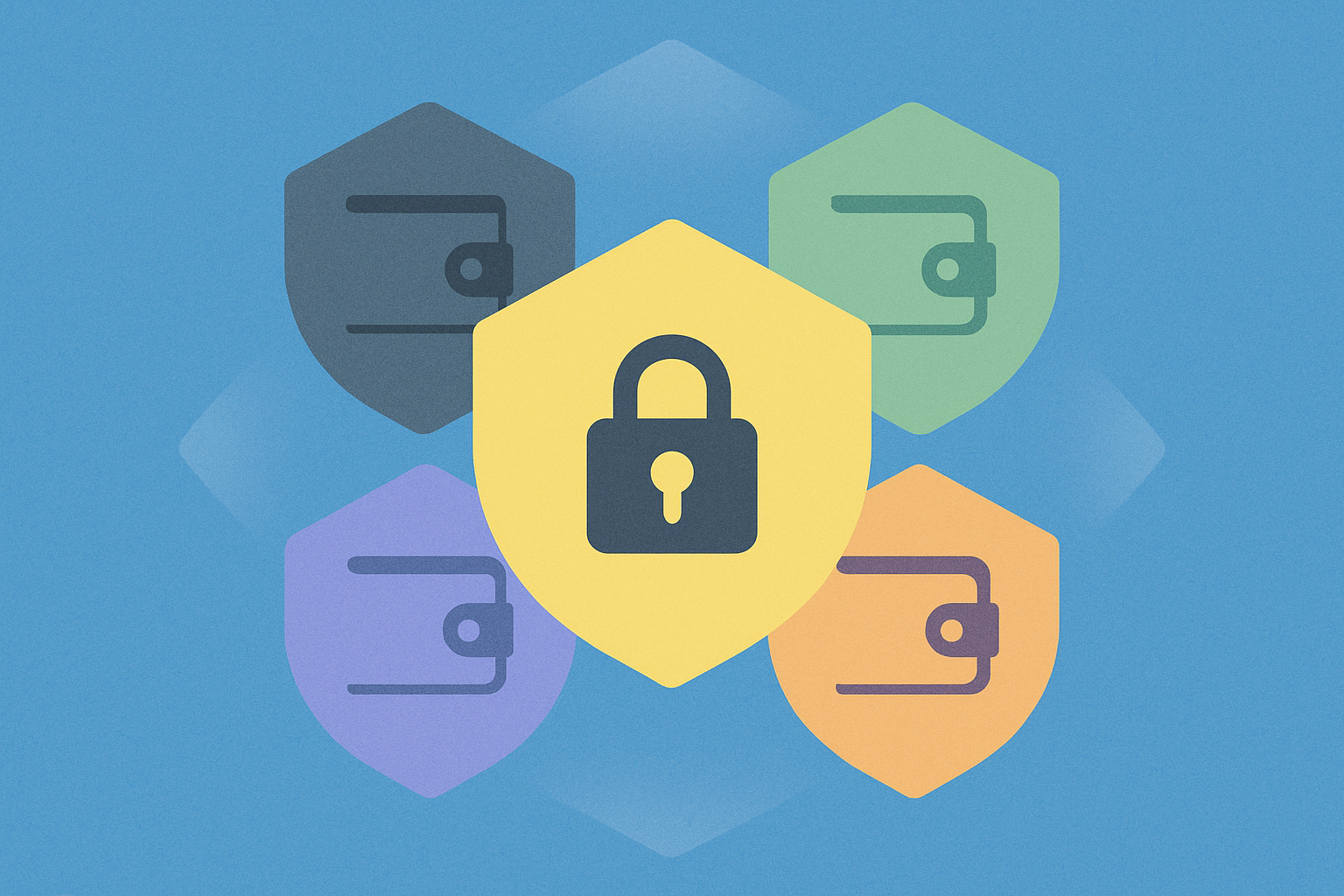
The Essentials of Crypto Wallets
A crypto wallet is a software application or physical device that stores the private keys required to access cryptocurrencies at a specific wallet address. Wallets can take many forms, from software apps to hardware devices, and are vital for interacting with the blockchain.
There are five primary types of wallets: software, online, mobile, hot, and cold. Each type offers distinct features for security, convenience, and usability. To protect your cryptocurrencies, use a secure wallet and back up your private keys to prevent irretrievable loss of funds.
What Is a Crypto Wallet?
Generally, crypto wallets give you an easy and secure way to manage your digital assets. They operate much like a traditional bank, but for digital currencies.
A wallet is a software program that stores your private and public keys and communicates with the blockchain so you can send and receive cryptocurrencies and check your balance. If you want to use Bitcoin or any other cryptocurrency, you need a wallet to manage your holdings.
A crypto wallet can be a software application on your computer or phone, or a physical device you carry. This flexibility allows users to choose what best matches their needs and security preferences.
How Do Crypto Wallets Work?
Crypto wallets work by storing private and public keys and interacting with different blockchains, letting you send and receive cryptocurrencies and monitor your balances.
Private Keys: Private keys authorize transactions and let the wallet owner access digital assets. When sending crypto to someone else, you use your private key to generate a digital signature, which verifies the transaction and broadcasts it to the network for validation. Protecting your private keys is critical.
Public Keys: Public keys identify your wallet address and are shared with others so they can send you crypto. The public key acts as your wallet address, similar to a bank account number.
Besides storing and managing keys, wallets provide an interface so you can interact with the blockchain—checking your balance, sending, and receiving crypto. Some wallets offer features like swapping between cryptocurrencies, price tracking, and support for multiple cryptocurrencies in one wallet.
What Are Crypto Wallets Used For?
Crypto wallets store, send, and receive cryptocurrencies. They enable independent blockchain interaction and digital asset management.
Common uses for crypto wallets include:
-
Purchasing Goods and Services: Many merchants accept crypto payments, and you can use your wallet to pay directly and securely for goods and services.
-
Trading: Use your wallet to buy and sell different cryptocurrencies on exchanges.
-
Long-Term Holding: Some people invest in cryptocurrencies and store them long-term in their wallet, aiming to benefit from potential market growth.
-
Receiving Crypto: To receive crypto, others need your public key (wallet address).
-
Sending Crypto: Use your wallet to send crypto to others or pay merchants who accept crypto.
Overall, wallets give you a secure, convenient way to interact with the blockchain and manage digital assets without intermediaries.
Types of Crypto Wallets
Crypto wallets have no storage limits; you can hold a virtually unlimited amount of crypto. There are several wallet types, each offering different features and security levels.
Software Wallets
Software wallets are programs you install on your computer, phone, or tablet. They provide a user-friendly interface for blockchain interaction and digital asset management.
Advantages:
-
Convenience: They are easy to use and accessible from any internet-connected device.
-
Control: You have full control over your private keys and funds, with no third-party storage required.
-
Compatibility: They support multiple cryptocurrencies, so you can manage multiple digital assets in one wallet.
Disadvantages:
-
Security: Software wallets are vulnerable to online threats. Always use strong passwords and enable two-factor authentication (2FA) to protect your wallet.
-
Loss of Access: Losing your device or forgetting your wallet password can result in loss of funds. Always create a wallet backup.
-
Third-Party Dependence: Developed by external companies, software wallets depend on those companies for security and updates. This poses a risk if the provider is unreliable or ceases operations.
Online Wallets
Online wallets are accessed through a web browser. They offer a simple way to manage digital assets, with the provider storing and protecting your private keys.
Advantages:
-
Convenience: You can access online wallets from any device with an internet connection.
-
Compatibility: Most support multiple cryptocurrencies, so you can manage various assets in one wallet.
-
Cost: Generally free, with no installation or special hardware needed.
Disadvantages:
-
Security: Despite built-in protections like 2FA and encryption, there's still a risk of unauthorized access to your funds.
-
Loss of Control: The provider holds your private keys, so you rely on them for security.
-
Third-Party Dependence: The provider controls wallet security and updates. This is risky if the company is untrustworthy or faces financial trouble.
Mobile Wallets
Mobile wallets are apps installed on your phone. They offer convenient asset management on the go but carry higher security risks if your phone is lost or stolen.
Advantages:
-
Convenience: Access your wallet from your mobile device with internet access anytime, anywhere.
-
Compatibility: Manage multiple cryptocurrencies in one wallet.
-
Cost: Usually free, with no installation or maintenance fees.
Disadvantages:
-
Security: Exposure to threats requires using a reputable wallet and enabling 2FA to protect your funds.
-
Loss of Control: Your private keys are stored by the provider, so you depend on them for security.
-
Third-Party Dependence: As with software wallets, you rely on the provider for security and updates.
-
Device Loss: Losing your phone or having it stolen can lead to loss of wallet access and funds. Back up your credentials.
Hardware Wallets or Cold Wallets
Hardware wallets are physical devices you carry. They're mainly used to store large crypto holdings, offering greater protection against online threats.
Advantages:
-
Security: They are more secure than other wallets because your private keys are stored offline, out of reach from online attacks.
-
Control: You have complete control over your private keys and funds, with no third-party involved.
-
Durability: As physical devices, such as USB drives, they are durable and less prone to data loss from technical failures.
Disadvantages:
-
Convenience: They require manual actions for transactions and must be connected to another device to function, making them less convenient than online wallets.
-
Loss of Access: Losing the device or forgetting your private key can result in loss of funds. Always back up your wallet.
-
Cost: Cold wallets can be expensive, as they often require purchasing a specialized hardware device.
Hot Wallets
A hot wallet is a crypto wallet connected to the internet. This connectivity makes them more vulnerable to cyberattacks, but they are more convenient than cold wallets, which are offline and more secure but less convenient for daily use.
Advantages:
-
Convenience: Hot wallets are intuitive and provide access to your crypto from anywhere with an internet connection, making daily fund management easy.
-
Speed: Always online, they enable fast transactions—ideal for frequent trading.
-
Compatibility: Hot wallets work across many devices, including computers, smartphones, and tablets.
Disadvantages:
-
Security: Always-online status makes them more susceptible to cyberattacks and malware.
-
Control: Hot wallets stored on third-party servers give you less control over your private keys and funds.
-
Loss: Losing access—due to forgotten credentials or a provider going out of business—can mean losing access to your crypto.
Each type of crypto wallet offers unique trade-offs for security, convenience, and usability.
Are Crypto Wallets Safe?
A crypto wallet’s security depends on how you set it up and use it. Some wallets are more secure than others, and you can take steps to protect your digital assets.
No wallet is completely immune to security risks, so it's vital to understand vulnerabilities and act to minimize them.
Key security considerations for crypto wallets include:
-
Private Keys: These are the core of your wallet’s security. Anyone who gains access to your private keys can access and spend your crypto. Never share your private keys, and always keep them secure.
-
Passwords: Create a strong, unique password for your wallet—mix uppercase and lowercase letters, numbers, and special characters.
-
Two-Factor Authentication (2FA): Enable 2FA for added security. This often requires a secondary code, such as a six-digit number sent to your phone, along with your password.
-
Cold Storage: Store digital assets offline to reduce the risk of hacks or theft by online attackers.
-
Choose Carefully: Select a wallet with a strong reputation for security. Check user reviews and the provider’s security record.
By following best practices and staying alert to security risks, you can help keep your digital assets safe and your wallet secure.
Why Do You Need a Crypto Wallet?
Now that you understand the basics, types, benefits, and risks of crypto wallets, it’s time to answer the key question: why is having a crypto wallet essential?
You need a crypto wallet to store, send, and receive cryptocurrencies. A wallet lets you interact with the blockchain and manage your assets securely and independently.
Without a crypto wallet, you can’t hold or transact with any cryptocurrency. Each cryptocurrency runs on its own blockchain, and you need a wallet to interact with those blockchains. Your wallet is your gateway to the crypto ecosystem, enabling full participation in the decentralized digital economy.
FAQ
What is a crypto wallet?
A crypto wallet is a digital tool that acts as an electronic wallet for securely storing, sending, and receiving crypto assets. It lets you manage your digital currencies and control your private keys.
How do I withdraw funds from my crypto wallet?
To withdraw funds, log in to your wallet, select the cryptocurrency to withdraw, enter the destination address (bank or external wallet), confirm the transaction, and wait for blockchain confirmation.
What are the different types of crypto wallets (hot wallet, cold wallet, hardware wallet)?
The main types are: hot wallets for frequent transactions, cold wallets for secure long-term storage, and hardware wallets that provide maximum security with specialized physical devices.
What’s the difference between a wallet and a crypto exchange?
A wallet safely stores and safeguards your crypto, while an exchange lets you buy, sell, and trade cryptocurrencies. Use a wallet for storage and an exchange for trading.
How do I protect my crypto wallet from theft or hacking?
Use strong, unique passwords, keep your wallet updated, enable two-factor authentication, and consider cold wallets for large balances. Never share your private keys with anyone.
Share
Content
How to Buy Cryptocurrency


Trending Cryptocurrencies



Where to Buy Labubu in Japan: Top Stores and Online Shops 2025

What Is a Phantom Wallet: A Guide for Solana Users in 2025

Best Crypto Wallets 2025: How to Choose and Secure Your Digital Assets
How Web 3.0 is changing the way we use crypto assets: from Wallet to DAO

Web3 Wallet Guide: The Ultimate Strategy for Secure Digital Asset Management
How to choose the most suitable Web3 wallet? Expert insights and comparisons

What is a non-custodial wallet and how do you use it

Types of Cryptocurrencies and Tokens – Guide

The typical crypto investor: Who chooses to invest in cryptocurrency
Top 6 AI Cryptocurrencies: Tokens You Can Buy in Japan and How to Purchase

Top 10 Companies Entering the Metaverse: Key Players Shaping the Virtual World