Порівняйте ETHS і QNT: досліджуйте цінові тренди, токеноміку, рівень інституційного впровадження та інвестиційні стратегії. Дізнайтеся прогнози на 2026–2031 роки, отримайте оцінку ризиків і інсайти для інвесторів на Gate.
Вступ: Порівняння інвестиційної привабливості ETHS та QNT
На ринку криптовалют порівняння ETHS та QNT є актуальною темою для інвесторів. Активи суттєво відрізняються за ринковою капіталізацією, сценаріями використання та динамікою цін, і представляють різні сегменти криптовалютних рішень.
ETHS (ETHS): Запущений у грудні 2023 року, виступає основним активом протоколу Facet — децентралізованого рішення масштабування Ethereum L1, що отримав фінансування від Ethereum Foundation у статусі Unstoppable Rollup. Його мета — забезпечити безпечне розширення основної мережі Ethereum, одночасно виступаючи новаторським активом для розвитку наступних шарів даних та вартості.
QNT (QNT): Представлений у серпні 2018 року Quant Network — технологічний провайдер, що забезпечує довірені цифрові взаємодії через глобальну блокчейн-операційну систему Overledger. Штаб-квартира компанії розташована у Лондоні, Велика Британія. QNT вирішує питання інтероперабельності блокчейнів, сприяє інноваціям та впровадженню блокчейн-технологій у корпоративному секторі.
У статті буде проведено комплексний аналіз інвестиційної привабливості ETHS та QNT на основі історичних цінових тенденцій, механізмів пропозиції, інституційного впровадження, технологічних екосистем та прогнозів, щоб дати відповідь на головне питання інвесторів:
"Який актив є кращим вибором на даний момент?"
I. Історичне порівняння цін і поточний ринковий статус
Історичні тенденції цін ETHS і QNT
- 2024: ETHS після запуску у грудні 2023 року відзначався волатильністю, досягнувши максимуму $13,9 у січні 2024 року.
- 2021: QNT отримав перевагу від зростання попиту на інтероперабельність блокчейнів, ціна піднялась до $427,42 у вересні 2021 року.
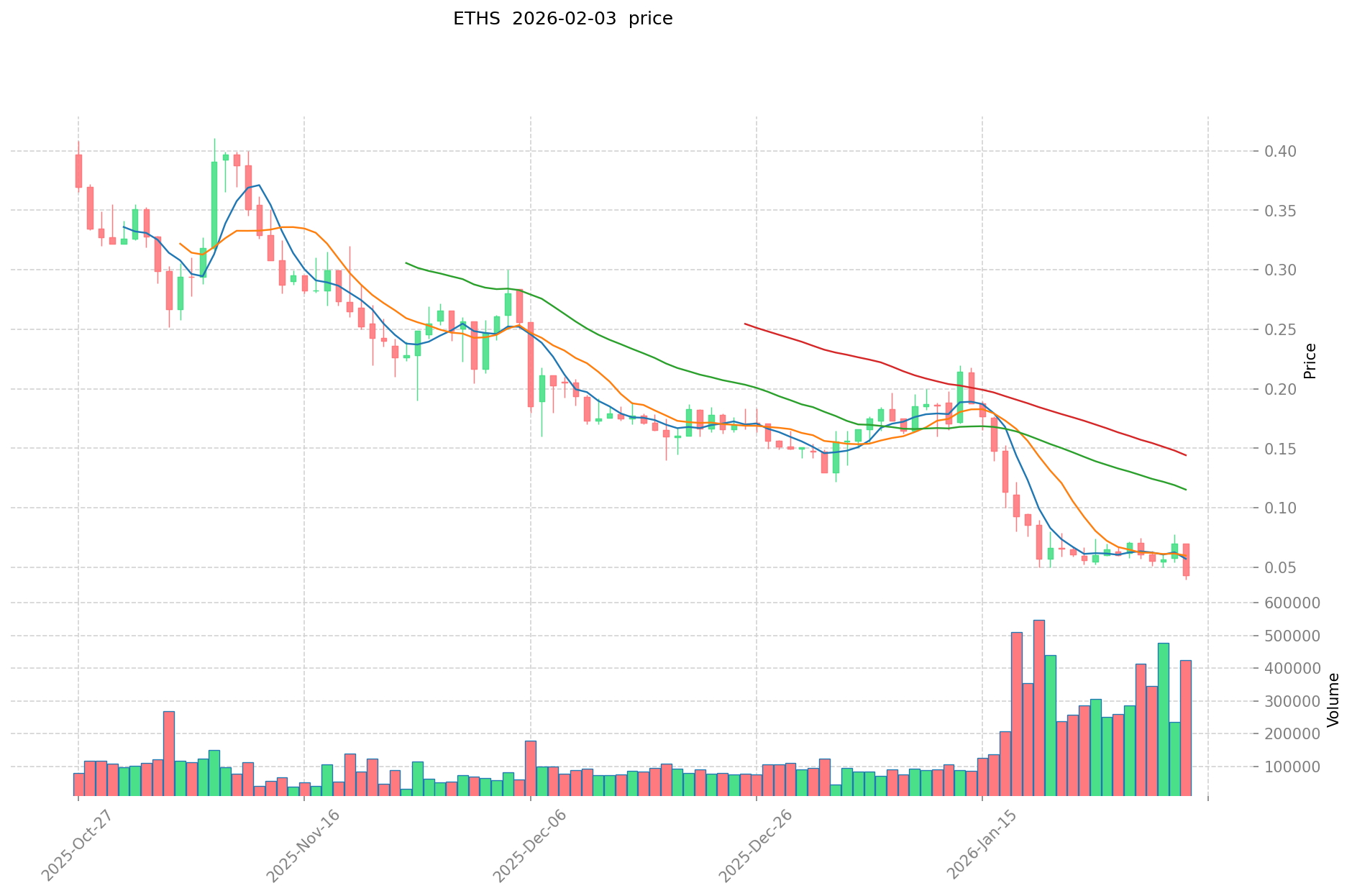
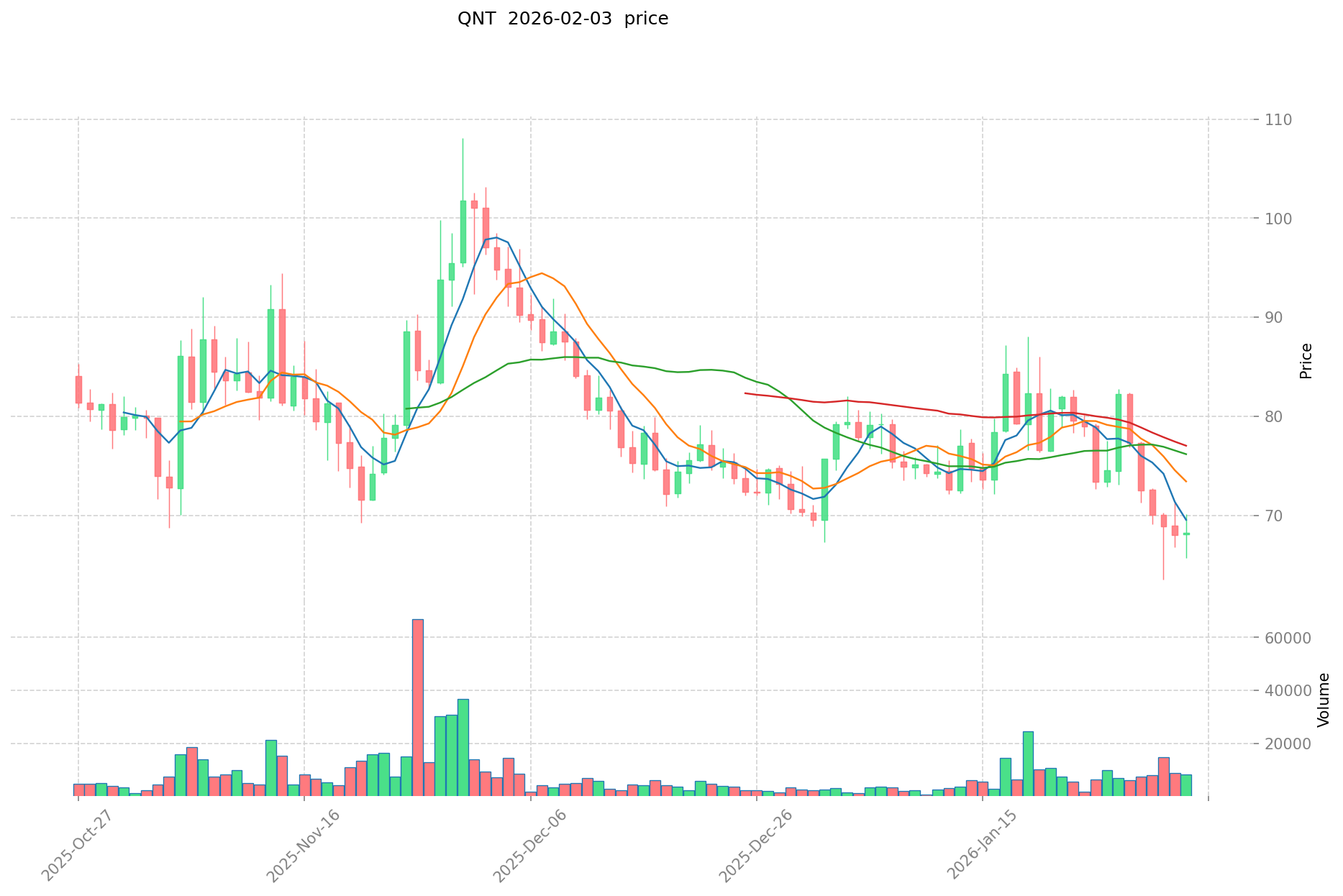
- Порівняльний аналіз: У поточному ринковому циклі ETHS знизився з піку $13,9 до мінімуму $0,03377, що становить понад 99% падіння. QNT просів з $427,42 до $65,95 — близько 84% зниження.
Поточний ринковий статус (04 лютого 2026 року)
- Поточна ціна ETHS: $0,04084
- Поточна ціна QNT: $65,95
- 24-годинний обсяг торгів: ETHS $18 178,01 vs QNT $564 349,61
- Індекс ринкових настроїв (Fear & Greed Index): 17 (екстремальний страх)
Дивіться ціни онлайн:
II. Ключові фактори, що впливають на інвестиційну привабливість ETHS і QNT
Порівняння механізмів пропозиції (токеноміка)
- ETHS: Фіксована загальна пропозиція — 21 мільйон токенів, усі знаходяться в обігу. Модель пропозиції наслідує дефіцитність Bitcoin із дефляційними ознаками. Повністю розведена ринкова капіталізація дорівнює поточній, що означає відсутність майбутніх емісій токенів.
- QNT: Механізм пропозиції залежить від токеномічної структури протоколу, інвестиційна привабливість пов’язана з технічними застосуваннями та ринковим попитом.
- 📌 Історичний патерн: Зміни пропозиції історично впливали на цінові рухи ETHS, фактор дефіцитності відігравав роль у визначенні вартості.
Інституційне впровадження та ринкове використання
- Інституційні холдинги: Рівень інтересу з боку інституцій різниться між двома активами відповідно до сценаріїв їх використання та ринкового позиціонування.
- Впровадження у корпоративному секторі: Обидва токени мають різні ролі в криптоекосистемі, а попит, дефіцитність і утилітарність впливають на їх ринкову вартість.
- Національні політики: Регуляторні підходи до цих активів відрізняються у різних країнах, що впливає на траєкторію їх впровадження.
Технічний розвиток та формування екосистеми
- Технічні особливості ETHS: Токен функціонує у власній екосистемі та має специфічні технічні характеристики.
- Технічний розвиток QNT: Залежить від еволюції блокчейн-технологій та підвищення ефективності мережі.
- Порівняння екосистем: Обидва проєкти представлені у різних напрямках цифрових активів, займаючи окремі ринкові сегменти.
Макроекономічні фактори та ринкові цикли
- Вплив інфляції: Реакція активів на інфляційний тиск відображає їхні економічні особливості та ринкове позиціонування.
- Макроекономічна монетарна політика: Відсоткові ставки та загальні фінансові умови впливають на обидва активи, проте ступінь впливу може різнитися.
- Геополітичні фактори: Попит на транскордонні операції та міжнародні тенденції по-різному впливають на утилітарність і впровадження обох токенів.
III. Прогноз цін на 2026–2031 роки: ETHS vs QNT
Короткостроковий прогноз (2026)
- ETHS: Консервативно $0,0322–$0,0393 | Оптимістично $0,0393–$0,0585
- QNT: Консервативно $49,16–$65,55 | Оптимістично $65,55–$95,05
Середньостроковий прогноз (2028–2029)
- ETHS може перейти у фазу консолідації, прогнозований діапазон $0,0299–$0,0760
- QNT може перейти у фазу розширення, прогнозований діапазон $68,82–$124,31
- Ключові драйвери: інституційні капіталовкладення, розвиток ETF, зростання екосистеми
Довгостроковий прогноз (2031)
- ETHS: Базовий сценарій $0,0505–$0,0721 | Оптимістичний сценарій $0,0721–$0,0750
- QNT: Базовий сценарій $72,37–$126,97 | Оптимістичний сценарій $126,97–$162,52
Дивіться детальні прогнози цін для ETHS та QNT
Відмова від відповідальності
ETHS:
| Рік |
Максимальна ціна (прогноз) |
Середня ціна (прогноз) |
Мінімальна ціна (прогноз) |
Зміна ціни |
| 2026 |
0,0585123 |
0,03927 |
0,0322014 |
-3 |
| 2027 |
0,0562248225 |
0,04889115 |
0,0278679555 |
19 |
| 2028 |
0,0625440036375 |
0,05255798625 |
0,0336371112 |
28 |
| 2029 |
0,07596731332575 |
0,05755099494375 |
0,02992651737075 |
40 |
| 2030 |
0,07744061879631 |
0,06675915413475 |
0,036717534774112 |
63 |
| 2031 |
0,074983881924151 |
0,07209988646553 |
0,050469920525871 |
76 |
QNT:
| Рік |
Максимальна ціна (прогноз) |
Середня ціна (прогноз) |
Мінімальна ціна (прогноз) |
Зміна ціни |
| 2026 |
95,0475 |
65,55 |
49,1625 |
0 |
| 2027 |
101,176425 |
80,29875 |
57,8151 |
21 |
| 2028 |
124,310494875 |
90,7375875 |
84,385956375 |
37 |
| 2029 |
117,201204894375 |
107,5240411875 |
68,81538636 |
63 |
| 2030 |
141,57690503158125 |
112,3626230409375 |
101,12636073684375 |
70 |
| 2031 |
162,521297966412 |
126,969764036259375 |
72,372765500667843 |
92 |
IV. Порівняння інвестиційних стратегій: ETHS vs QNT
Довгострокові та короткострокові стратегії інвестування
-
ETHS: Може зацікавити інвесторів, які прагнуть отримати доступ до рішень масштабування Ethereum L1 та інновацій блокчейн-інфраструктури. Фіксована пропозиція та позиціонування у екосистемі Facet протоколу відповідають запитам тих, хто досліджує нові технології блокчейну.
-
QNT: Підходить інвесторам, що зосереджені на інтероперабельній інфраструктурі блокчейнів та корпоративних рішеннях. Токен відіграє роль у системі Overledger, спрямованій на розвиток крос-чейн взаємодії.
Управління ризиками та розподіл активів
-
Консервативні інвестори: Рекомендується диверсифікований портфель із декількома класами активів, у тому числі невелика частка цифрових активів (ETHS: 5–10% | QNT: 10–15% криптопортфеля)
-
Агресивні інвестори: Можуть розглядати більшу концентрацію у зростаючих позиціях (ETHS: 15–25% | QNT: 20–30% криптопортфеля)
-
Інструменти хеджування: Управління ризиками може включати стейблкоїни, деривативи та стратегії диверсифікації між активами
V. Порівняння потенційних ризиків
Ринкові ризики
-
ETHS: Після запуску токен продемонстрував значну волатильність і глибокі просадки. Обсяги торгів показують нижчу ліквідність порівняно з усталеними активами.
-
QNT: Динаміка ринку відображає розвиток інтероперабельних рішень, а рух цін визначається корпоративним впровадженням та конкуренцією у секторі крос-чейн інфраструктури.
Технічні ризики
-
ETHS: На інвестиційну привабливість впливають темпи розвитку масштабувальних рішень, впровадження мережі та еволюція екосистеми Facet. Технічні складності можуть впливати на утилітарність токена.
-
QNT: Інфраструктурні залежності пов’язані з розвитком Overledger, вимогами корпоративної інтеграції та конкуренцією серед платформ взаємодії блокчейнів.
Регуляторні ризики
- Глобальні регуляторні режими змінюються, а підходи у різних країнах впливають на обидва активи. Вимоги щодо відповідності для блокчейн-проєктів та цифрових активів можуть визначати доступність та впровадження на ринку.
VI. Висновок: Який актив є кращим вибором?
📌 Підсумок інвестиційної привабливості:
-
ETHS: Фіксована модель пропозиції з дефляційними ознаками, позиціонування у масштабувальній інфраструктурі Ethereum, рання стадія розвитку з потенціалом зростання та підвищеним ризиком волатильності
-
QNT: Устояна позиція у секторі інтероперабельності блокчейнів, фокус на корпоративному сегменті, тривала історія функціонування з підтвердженими ринковими циклами
✅ Інвестиційні рекомендації:
-
Новачкам: Варто зосередитись на вивченні технологій і сценаріїв використання обох активів. Рекомендується розпочинати з менших позицій та більш усталених активів, поступово переходячи до більш ризикованих стратегій.
-
Досвідченим інвесторам: Оцінюйте відповідність активу портфелю, враховуйте поточні алокації, толерантність до ризику та власну інвестиційну стратегію. Диверсифікуйте вкладення між різними сегментами блокчейн-інфраструктури та дотримуйтесь протоколів управління ризиками.
-
Інституційним інвесторам: Проводьте комплексну перевірку технічних архітектур, регуляторних вимог і довгострокової життєздатності екосистем. Оцінюйте відповідність інституційним інвестиційним мандатам та ризиковим параметрам.
⚠️ Відмова від відповідальності: Ринок криптовалют відзначається високою волатильністю. Цей аналіз не є інвестиційною порадою. Проводьте власне дослідження і консультуйтеся з кваліфікованими фінансовими радниками перед прийняттям інвестиційних рішень.
VII. FAQ
Q1: У чому головна відмінність ETHS і QNT з точки зору основної функції?
ETHS — це основний актив децентралізованого рішення масштабування Ethereum L1 (Facet протокол), а QNT — утилітарний токен для інтероперабельної інфраструктури блокчейнів (Overledger). ETHS спрямований на безпечне розширення мережі Ethereum як Unstoppable Rollup і отримав фінансування від Ethereum Foundation. QNT вирішує завдання крос-чейн взаємодії, сприяє довіреним цифровим операціям і впровадженню блокчейну у корпоративному секторі через глобальну блокчейн-операційну систему. Основна різниця: ETHS — для масштабування Ethereum, QNT — для інтероперабельності між різними блокчейнами.
Q2: Як відрізняються механізми пропозиції ETHS і QNT, і який вплив це має на їхні інвестиційні характеристики?
ETHS має фіксовану пропозицію у 21 мільйон токенів, всі вже в обігу, із дефіцитними та дефляційними ознаками. Повністю розведена пропозиція означає відсутність майбутніх емісій, що створює обмеження. QNT має іншу структуру пропозиції, яка залежить від токеноміки протоколу та ринкового попиту. Фіксована модель ETHS потенційно дає перевагу у зростанні вартості за рахунок дефіцитності, а привабливість QNT більше залежить від технологічного застосування та рівня корпоративного впровадження, а не від механіки пропозиції.
Q3: Який актив показав кращу стабільність ціни в періоди ринкових спадів?
QNT продемонстрував кращу стійкість під час корекцій: ETHS знизився більш ніж на 99% (з $13,9 до $0,03377), QNT — на близько 84% (з $427,42 до $65,95). Така різниця у розмірі просадки вказує на кращу стабільність QNT, що пов’язано з його тривалішою історією (з серпня 2018 року проти грудня 2023 року), корпоративними зв’язками та зрілим позиціонуванням. Обидва активи характерні для крипторинку високою волатильністю.
Q4: Які прогнозовані діапазони цін для ETHS і QNT у 2026 і 2031 роках?
2026: ETHS — консервативно $0,0322–$0,0393, оптимістично $0,0393–$0,0585. QNT — консервативно $49,16–$65,55, оптимістично $65,55–$95,05. 2031: ETHS — базовий сценарій $0,0505–$0,0721 (оптимістично $0,0721–$0,0750), QNT — базовий $72,37–$126,97 (оптимістично $126,97–$162,52). Прогнози демонструють вищі абсолютні ціни QNT та потенціал ETHS для відсоткового зростання із низьких стартових рівнів.
Q5: Які ризики важливо враховувати інвесторам при виборі між ETHS і QNT?
Інвесторам слід оцінювати ринкові, технічні та регуляторні ризики. ETHS має значно нижчий обсяг торгів ($18 178,01 проти QNT $564 349,61), що свідчить про меншу ліквідність, та сильну волатильність із моменту запуску. Технічні ризики ETHS — це ранній етап розвитку та невизначеність впровадження мережі; QNT — конкуренція у секторі інтероперабельності блокчейнів. Регуляторні ризики по-різному впливають на ETHS як компонент інфраструктури Ethereum і QNT як корпоративне рішення з вимогами відповідності у різних країнах. Просадка ETHS понад 99% свідчить про підвищені ризики волатильності порівняно із більш усталеним, але теж волатильним QNT.
Q6: Який актив більше підходить консервативним або агресивним інвесторам?
Консервативним інвесторам підійде QNT — через тривалу історію, усталене корпоративне позиціонування та кращу стабільність ціни під час корекцій (рекомендована частка: 10–15% криптопортфеля). Агресивні інвестори можуть обрати ETHS із його потенціалом зростання на ранній стадії та фіксованою пропозицією, але із суттєво вищим рівнем волатильності (рекомендована частка: ETHS 15–25%, QNT 20–30% криптопортфеля). В обох випадках варто диверсифікувати портфель та використовувати хеджування — стейблкоїни, деривативи.
Q7: Як відрізняється інституційне впровадження ETHS і QNT?
QNT має більш усталене корпоративне впровадження завдяки рішенню для підприємств у сфері інтероперабельності блокчейнів, а також розміщенню штаб-квартири у Лондоні. Overledger орієнтований на корпоративну інтеграцію блокчейну та цифровізацію бізнесу. ETHS, підтриманий Ethereum Foundation як Unstoppable Rollup, є новою інфраструктурною складовою з початковим інституційним інтересом, переважно серед екосистеми Ethereum. QNT, із довшою історією (з 2018 року), має більш явні корпоративні зв’язки порівняно з ETHS, який стартував у грудні 2023 року.
Q8: Які макроекономічні фактори найбільше впливають на цінову динаміку ETHS і QNT?
Обидва активи реагують на загальні ринкові тенденції, але чутливість різна. ETHS, як інфраструктурний токен Ethereum, корелює з розвитком екосистеми Ethereum, масштабуванням Layer 1 і ринковими настроями (Fear & Greed Index — 17, екстремальний страх). QNT більше залежить від впровадження блокчейну у корпоративному секторі, обсягів крос-чейн транзакцій та трендів цифровізації фінансових інституцій. Макроекономічна монетарна політика — особливо ставки, що впливають на оцінку технологічних активів — впливає на обидва токени, але корпоративне позиціонування QNT частково ізолює його від волатильності крипторинку. Геополітичні фактори, що стимулюють транскордонні операції, більш актуальні для QNT, ніж для ETHS, який орієнтується на масштабування Ethereum.
* Ця інформація не є фінансовою порадою чи будь-якою іншою рекомендацією, запропонованою чи схваленою Gate, і не є нею.