Top 10 Metaverse Platforms: An In-Depth Overview

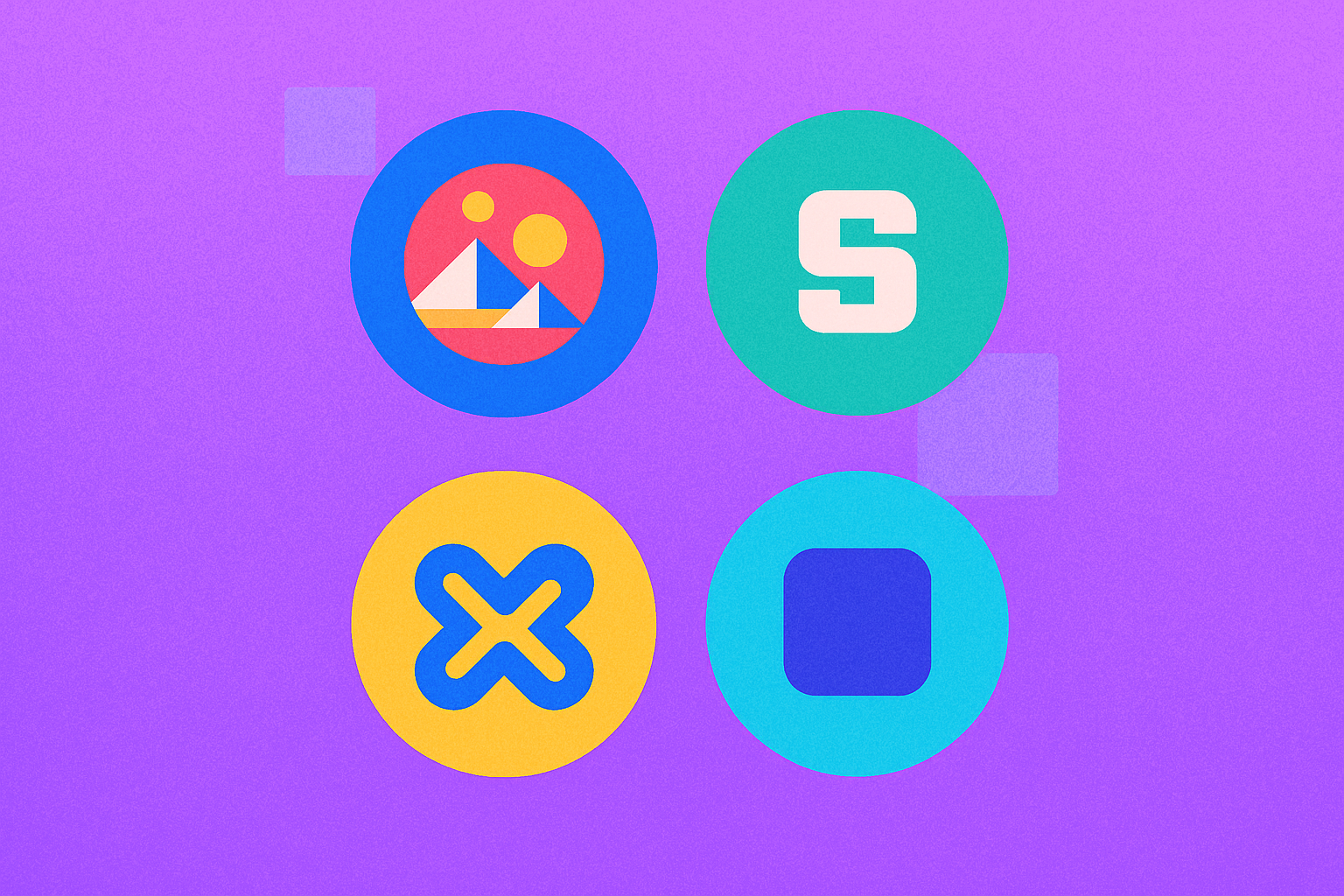
What Are Metaverses?
A metaverse is a virtual environment where people interact with digital assets and each other via augmented and virtual reality technology. This digital universe bridges physical and virtual worlds, empowering users to create, own, and monetize digital assets.
Interest in metaverses has surged in recent years. Virtual worlds are drawing attention from both technology companies and individuals eager to explore new forms of digital engagement and economic potential.
Top 10 Metaverses
Decentraland
Decentraland was founded in 2015 by Ariel Meilich and Esteban Ordano. The platform held its initial coin offering in 2017 and launched publicly in February 2020.
Decentraland operates under a decentralized autonomous organization (DAO), ensuring transparent and democratic governance. The platform's native cryptocurrency, MANA, is an ERC-20 token. Players use MANA to buy and sell virtual land, navigate the Decentraland map, attend events, and even play at virtual casinos.
Alongside MANA, Decentraland also features LAND and ESTATE tokens, which represent digital land parcels. Both are non-fungible tokens (NFTs) under the ERC-721 standard. LAND owners can develop their plots with buildings, create games and applications, and lease land to other users.
The platform regularly hosts diverse events—including MetaMask parties, virtual weddings, and major sports-themed gatherings. Renowned artists like Ariana Grande, Travis Scott, Marshmello, and Justin Bieber have performed virtual concerts in Decentraland, drawing millions of viewers to the digital realm.
The Sandbox
The Sandbox metaverse runs on the Ethereum blockchain and allows users to create and monetize gaming content. The platform offers accessible tools for building 3D objects and game scenarios, making it a favorite among developers and creatives. Platform transactions use the ERC-20 SAND token.
The Sandbox actively forges partnerships with leading brands, artists, and musicians. Its collaborations include Snoop Dogg, Bored Ape Yacht Club, and Ubisoft. Such partnerships enable the creation of unique content and help attract new audiences. For example, snowboarder Tony Hawk developed his own virtual zone through a partnership.
The Sandbox empowers users not only to play but also to earn by creating and selling virtual items, land, and gaming experiences to the community.
Axie Infinity
Axie Infinity is a leading blockchain metaverse inspired by iconic Japanese games like Pokémon and Tamagotchi. The platform has built a unique ecosystem where players earn real income by playing and interacting with virtual creatures.
Axie Infinity’s native token is AXS. Players use AXS to breed Axies, battle other players, acquire virtual land, and develop their characters. AXS also serves as a reward mechanism for gameplay and as a governance token for voting on platform decisions.
Each Axie is a one-of-a-kind NFT with specific traits and abilities. Players can breed their Axies to produce new, enhanced creatures, which can then be sold on the in-game marketplace. This play-to-earn model has drawn millions of users worldwide.
Roblox
Roblox launched in 2006 as a website and has grown into one of the world’s largest gaming metaverses. The platform is available on computers, mobile devices, and gaming consoles, attracting tens of millions of monthly active users.
Players in Roblox interact through customizable avatars. Health, appearance, special abilities, and features can be purchased with the platform’s currency—Robux. Users can play games made by others or design their own worlds and modes.
One of Roblox’s key strengths is its robust game development toolkit, which empowers even novice creators to realize their visions. Many developers earn significant income by producing popular content and selling in-game items.
Sorare
Sorare is a pioneering football game built on non-fungible tokens, blending the passion of soccer with blockchain technology. Users assemble teams from collectible cards of real players and earn rewards based on actual match performance.
Rewards can be exchanged for cryptocurrency or cash. To address scalability and enable fast transactions, Sorare uses Starkware technology, which processes high transaction volumes without overloading the Ethereum mainnet.
Sorare partners with dozens of football clubs globally, including leading European teams. The platform holds official licenses for player names and images. French footballer Kylian Mbappé acts as project ambassador, greatly increasing the platform’s recognition among fans.
Illuvium
Illuvium is a blockchain-based collectible game leveraging Unreal Engine 4 to deliver high-quality 3D graphics on par with AAA titles.
The platform features a virtual world populated by Illuvial avatars—Ethereum-based NFTs with unique traits and abilities. Players use them to interact, battle, and earn ILV and SILV tokens as rewards.
Like Axie Infinity, Illuvium centers on customizable fighter avatars. Players can upgrade Illuvials, combine them to form stronger creatures, and compete in various game modes. Illuvium also offers an open world for exploration, where players discover rare creatures and resources.
Metahero
Metahero is a decentralized platform on a major blockchain, equipped with ultra-realistic 3D technology. Its mission is to provide users access to advanced virtual tech and future opportunities. The HERO token underpins all transactions within the ecosystem.
Since its 2020 debut, Metahero has gained strong traction among metaverse enthusiasts and investors. Partners include Wolf Studio, which supports NFT integration via high-resolution 3D scanning.
Wolf Studio’s core tech digitizes real-world objects: the system scans a physical item, gathers detailed data on its shape, texture, and color, then creates a precise digital rendering. This lets Metahero users turn nearly any object—or themselves—into a unique NFT.
Metahero is also developing the HERO mobile app to provide a seamless entry point to the platform’s ecosystem and enable users to manage digital assets.
Bloktopia
Bloktopia merges blockchain with virtual and augmented reality, offering players, developers, and investors a one-of-a-kind experience in a virtual skyscraper format.
The project features a 12-story virtual skyscraper, with each floor dedicated to different activities and interactions. Bloktopia residents earn BLOK tokens for owning virtual property, placing ads, and contributing to ecosystem growth. Users can also participate in events, conferences, and presentations while exploring the metaverse’s various floors.
Each skyscraper floor has a specific focus: some for commerce and trading, others for education or entertainment. This structure fosters a diverse ecosystem where every user can find their niche.
Star Atlas
Star Atlas is an ambitious online MMORPG on the Solana blockchain, set in a far-future space setting. The platform uses Unreal Engine 5 to deliver stunning visuals and extensive gameplay options.
Players in Star Atlas can interact, participate in space battles, claim territory in different star systems, and build their own communities and corporations. The game combines space exploration, strategy, and economic simulation.
The Star Atlas metaverse employs two distinct tokens: POLIS for network governance and decision-making, and ATLAS as the primary currency for purchasing ships, resources, and other in-game assets.
Upland
Upland is a gaming metaverse built on the EOS blockchain, launched in early 2020. The platform allows users to interact and buy NFTs representing real-world real estate in a virtual setting. Players can exchange in-game tokens for US dollars using the Tilia Pay system.
Upland’s core objective is to create a detailed virtual replica of real-world addresses and cities. Each plot of virtual land corresponds to a real address, forging a unique bridge between the physical and digital realms. The platform currently includes over 20 US cities, such as Detroit, San Francisco, New York, Cleveland, and Chicago.
Players can buy, sell, and develop virtual real estate, construct buildings, and earn through rentals or resales. Upland regularly adds new cities, expanding the world and offering more investment opportunities.
The Future of Metaverses
The number of metaverses is rapidly growing, as both Web3 projects and traditional Web2 companies seek to establish a presence in this promising sector. Major technology corporations are investing billions in virtual reality and building proprietary metaverse environments.
However, for metaverses to become part of daily life, more than just corporate investment and technological breakthroughs is required. Lasting adoption depends on genuine user interest, intuitive platforms, and the creation of meaningful content and experiences.
New projects still have the opportunity to succeed in the expanding virtual world. The keys to success are deeply understanding user needs, designing intuitive interfaces, and providing real value—whether in entertainment, social engagement, or economic potential.
FAQ
What is a metaverse? What are the main features of metaverse platforms?
A metaverse is an immersive virtual environment with persistent presence and high interactivity. Key features include an immersive experience, ongoing existence, an economic system, and social interaction within a unified ecosystem.
Which top 10 metaverse platforms rank highest globally in 2024?
The top 10 metaverse platforms for 2024 are: Otherside, Pudgy World, Decentraland, Illuvium, The Sandbox, Metaverse, Roblox, VRChat, Second Life, and Zenith. Each offers a distinct virtual interaction experience.
How do major metaverse platforms like Decentraland, The Sandbox, and Roblox differ?
Decentraland and The Sandbox are decentralized, community-governed platforms with native tokens. Roblox is a centralized, company-controlled platform. They differ in governance, ecosystem structure, and content monetization opportunities.
How do I create an account on a metaverse platform and get started?
Enter your phone number and verification code, then click to log in. Review and accept the terms. Select your profile and log into your metaverse account. Once logged in, you can start using the platform.
How can you trade and monetize virtual assets (NFTs, virtual land) on metaverse platforms?
Virtual assets are traded on specialized platforms using cryptocurrencies. NFTs and virtual land are bought and sold at market value. Profit is earned by selling assets at prices higher than their purchase cost. Trading volume increases as metaverses evolve.
What equipment is required to access the metaverse? Is a VR headset necessary?
Accessing the metaverse requires a high-performance device. While VR headsets are popular, they are not mandatory. Alternatives include AR glasses or standard computers and mobile phones for platform access.
What is the economic model of metaverse platforms? How can users earn income?
Metaverse platforms generate revenue through selling virtual assets, in-game rewards, virtual events, and NFT transactions. Users earn by creating content, renting virtual property, and participating in blockchain-powered economies.
What risks are involved in metaverse investing? What should you watch for?
The main risks are technological uncertainty, market bubbles, and fraud. Investors should thoroughly assess company backgrounds, profitability models, and be wary of promises of quick returns.
How can you secure a metaverse platform and protect your account and assets?
Ensure security by using strong passwords, VPNs to encrypt connections, avoiding suspicious links, and downloading only from trusted sources. Always verify transaction authenticity and never share personal information in virtual environments.
What are the future prospects for metaverse development? Which platforms have the greatest potential?
The metaverse has strong growth potential, driven by advances in VR/AR, blockchain, and AI. Decentraland, The Sandbox, Roblox, and Axie Infinity currently lead in trading volume. Transaction activity and adoption in education, healthcare, and industry are expected to rise in 2026–2027.
Share
Content
How to Buy Cryptocurrency


Trending Cryptocurrencies



XRP Price Analysis 2025: Market Trends and Investment Outlook

Treasure NFT Marketplace: A 2025 Guide for Web3 Gamers and Investors

Mastering the Crypto Fear and Greed Index: 2025 Trading Strategies

What Is the Best Crypto ETF in 2025: Top Performers and Beginner's Guide
What is SwissCheese (SWCH) and How Does It Democratize Investment?
What Is the Best AI Crypto in 2025?
What is BICITY: A Comprehensive Guide to the Revolutionary Bike-Sharing Platform Transforming Urban Mobility

What is BUCK: A Comprehensive Guide to Understanding Build Systems and Dependency Management
What is MAT: A Comprehensive Guide to Medication-Assisted Treatment for Opioid Use Disorder

What is GOZ: A Comprehensive Guide to Understanding the Global Optimization Zone and Its Impact on Digital Infrastructure

Cryptocurrency mining explained in simple terms