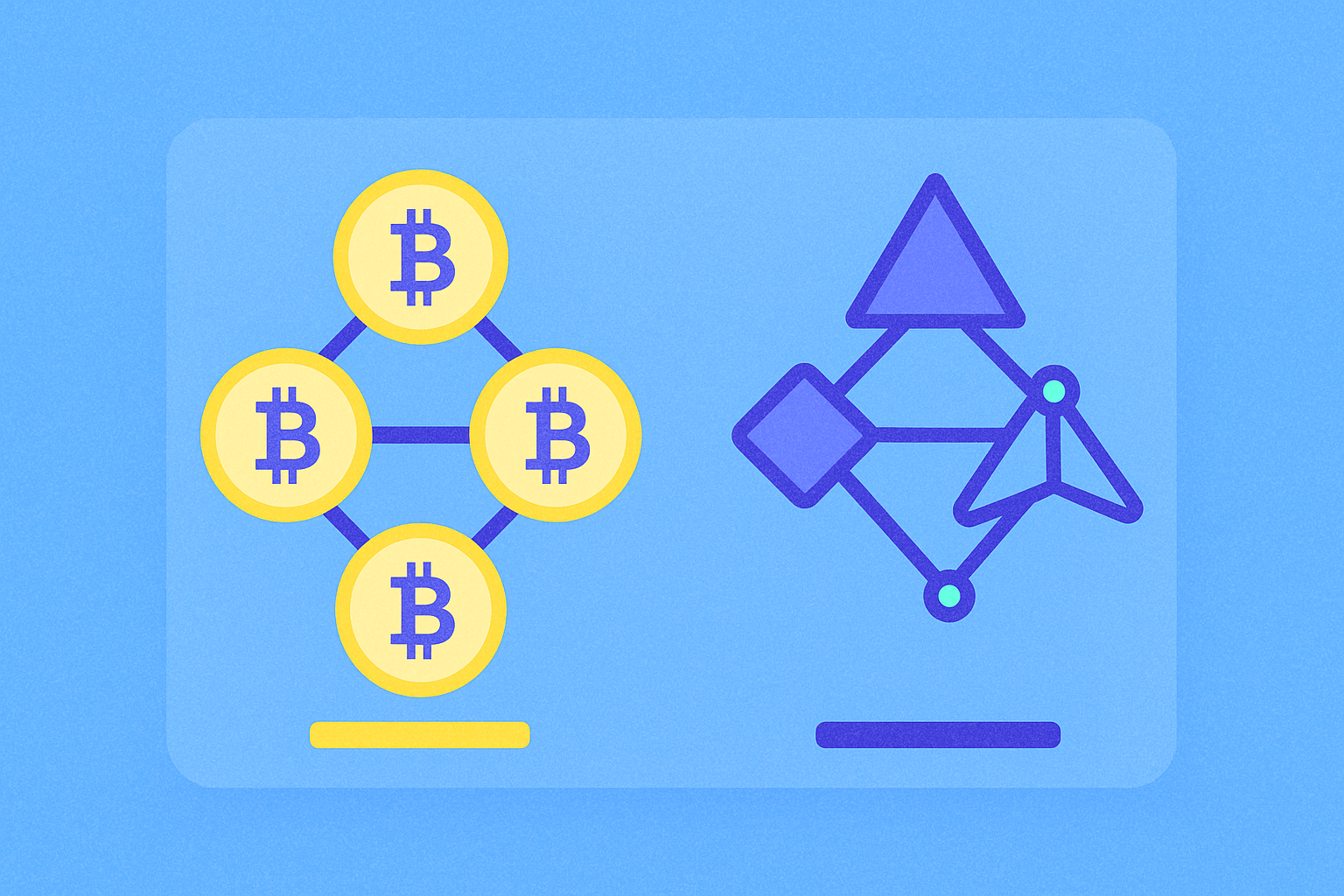
This comprehensive guide explores the key benefits and trade-offs of Proof of Work consensus mechanism in digital currencies compared to Proof of Stake. It examines how PoW secures networks through computational mining, ensuring decentralization and preventing attacks, while detailing its energy-intensive operations and centralization risks from mining pools. The article contrasts PoW with PoS across multiple dimensions including security, speed, and environmental impact, explains why Bitcoin and other major networks adopted PoW, and analyzes emerging hybrid consensus models. Designed for cryptocurrency investors, developers, and enthusiasts, this resource provides clarity on consensus mechanisms' real-world implications, helping readers understand which approach best serves different blockchain use cases and network priorities in the evolving digital currency landscape.
Key Takeaways
In the cryptocurrency world, numerous consensus algorithms exist, but two stand at the center of blockchain technology. One is Proof of Work (PoW), popularized by Bitcoin, and the other is Proof of Stake (PoS), which Ethereum recently adopted. These two mechanisms serve to maintain network security and validate transactions, yet their approaches are fundamentally different.
Proof of Work secures networks through energy-intensive mining operations, while Proof of Stake operates through validators who stake their coins, making it significantly more energy-efficient. PoW offers high security but faces centralization risks due to mining pools, whereas PoS provides faster transaction speeds but may concentrate power among wealthy validators or whales. In recent years, Ethereum transitioned to Proof of Stake, which has a relatively lower environmental impact compared to traditional mining-based systems.
What Is Proof of Work?
Proof of Work is a consensus mechanism where miners use computational power to solve complex mathematical puzzles and validate transactions on the blockchain. This process ensures network security and decentralization through competition among miners, creating a robust and trustworthy system.
Imagine thousands of participants competing to solve the world's most difficult puzzle. The first participant to complete the puzzle adds their solution to the ledger (blockchain) and receives a reward. Other participants then compete again for the next puzzle. Participants invest resources to win this competition, and the network prevents fraudulent activities through this mechanism. This competitive nature ensures that no single entity can easily manipulate the system, as doing so would require overwhelming computational resources.
Key Features of Proof of Work
Proof of Work operates through several distinctive characteristics that set it apart from other consensus mechanisms. Understanding these features helps explain why PoW remains popular despite its energy consumption concerns.
Mining-Based Verification: Miners compete to solve cryptographic puzzles, with the winner validating blocks and receiving rewards. This competition creates a fair and transparent system where success is determined by computational effort rather than wealth or influence. The mining process involves repeatedly hashing block headers until a valid solution is found, requiring significant computational resources.
Energy-Intensive Operations: Just as a massive puzzle competition requires energy, Proof of Work is energy-intensive because it uses substantial computational power. Miners operate specialized hardware called ASICs (Application-Specific Integrated Circuits) that consume considerable electricity. This energy consumption, while often criticized, serves as the foundation for network security by making attacks economically unfeasible.
Security Through Difficulty: The complexity of the puzzles makes it extremely difficult for anyone to manipulate the network. To alter past transactions, an attacker would need to re-solve all previous puzzles, which is virtually impossible given the cumulative computational work required. This difficulty adjustment mechanism ensures that blocks are produced at a consistent rate, maintaining network stability.
How Proof of Work Ensures Security and Decentralization
Proof of Work strengthens security by making network attacks or manipulations extremely costly. The resources required for deception are so substantial that they deter attempts, creating a self-regulating ecosystem. Simultaneously, PoW allows anyone with appropriate hardware to participate in mining, preventing specific entities from controlling the network.
The decentralization aspect is crucial for maintaining the trustless nature of blockchain technology. Since mining can be performed by individuals or groups worldwide, no single authority can dictate network rules or censor transactions. This distributed nature ensures that the blockchain remains resistant to censorship and government interference.
Recently, Bitcoin miners consumed approximately 140 terawatt-hours of electricity, equivalent to Argentina's entire energy consumption. While this figure seems alarming, proponents argue that much of this energy comes from renewable sources and would otherwise be wasted.
Blockchains Adopting Proof of Work
Several prominent blockchain networks have implemented Proof of Work as their consensus mechanism, each with unique characteristics.
Bitcoin: As the first cryptocurrency to implement Proof of Work, Bitcoin's decentralized network relies on miners to secure the blockchain. Bitcoin's PoW algorithm uses SHA-256 hashing, which has proven remarkably secure over more than a decade of operation. The network's hash rate continues to grow, demonstrating increasing security and miner confidence.
Litecoin: A fork of Bitcoin, Litecoin uses Proof of Work but offers faster transaction times, making it more suitable for everyday small-scale transactions. Litecoin employs the Scrypt algorithm instead of SHA-256, which was initially designed to be more accessible to regular computer users. However, specialized mining equipment has since been developed for Scrypt as well.
What Is Proof of Stake?
Proof of Stake is a consensus mechanism that selects validators to create new blocks based on the amount of cryptocurrency they hold and are willing to stake as collateral. This approach reduces the need for energy-intensive computations and increases network efficiency, representing a significant evolution in blockchain technology.
To understand PoS simply, imagine an apartment complex holding a management meeting to make important decisions. Only residents living in the apartments can participate in this meeting. However, rather than just attending, voting power varies according to the apartment area each person owns. For example, someone owning a larger apartment has more voting rights because they have a greater stake in the complex's operations.
In Proof of Stake, when participating in "block validation" (equivalent to the management meeting in blockchain), those who own more cryptocurrency and have staked it gain greater validation rights. This approach encourages people with significant investments in the network to act responsibly, as they have the most to lose from network instability or security breaches.
Key Features of Proof of Stake
Proof of Stake introduces several innovative features that distinguish it from traditional mining-based systems.
Staking Replaces Mining: PoS uses validators instead of miners, who lock (or stake) coins to gain opportunities to validate blocks. This fundamental shift eliminates the need for expensive mining hardware and reduces barriers to participation. Validators are selected through various mechanisms, including random selection weighted by stake size, ensuring fairness while maintaining security.
Energy Efficiency: Proof of Stake consumes significantly less energy than Proof of Work because it doesn't rely on intensive computations. Instead of competing to solve mathematical puzzles, validators are chosen to propose blocks based on their stake. This efficiency makes PoS networks more environmentally sustainable and reduces operational costs for participants.
Stake-Based Validator Selection: Validators are chosen based on how many coins they've staked, providing incentives for network holding and security. The selection process typically incorporates randomness to prevent predictability while favoring those with larger stakes. Some PoS systems also consider factors like coin age or previous validation performance to ensure fair distribution of validation opportunities.
Staking and Validator Selection Process
In Proof of Stake, validators lock up a portion of their cryptocurrency as collateral. When selected as validators, they perform the role of verifying new transactions and adding them to the blockchain. If validators act dishonestly, they can lose their staked coins through a process called slashing. This mechanism ensures validators must follow the rules, as financial penalties discourage malicious behavior.
The system favors those holding large stakes, but small holders can also participate through delegation or staking pools. These pools allow multiple users to combine their stakes, increasing their chances of being selected as validators while sharing rewards proportionally. This democratization of staking has made PoS more accessible to average cryptocurrency holders.
In recent years, Ethereum transitioned from Proof of Work to Proof of Stake through "The Merge," reducing energy consumption by over 99%. This event was significant in cryptocurrency history, demonstrating that major blockchain networks could successfully transition to more sustainable consensus mechanisms without compromising security or functionality.
Blockchains Adopting Proof of Stake
Several leading blockchain platforms have embraced Proof of Stake, each implementing unique variations of the consensus mechanism.
Ethereum: Having transitioned from Proof of Work to Proof of Stake in recent years, Ethereum now uses PoS, significantly improving energy efficiency and scalability. The transition involved years of research and testing to ensure network security would not be compromised. Ethereum's implementation requires validators to stake 32 ETH, creating a substantial economic commitment that aligns validator interests with network health.
Cardano: A leading Proof of Stake blockchain known for its research-driven approach, Cardano emphasizes security and sustainability through staking. The platform uses a unique PoS algorithm called Ouroboros, which has been peer-reviewed and published in academic conferences. Cardano's approach allows for delegation without transferring custody of funds, providing additional security for stakeholders.
Proof of Work vs Proof of Stake Comparison
Comparing these two consensus mechanisms reveals distinct advantages and trade-offs that influence their suitability for different applications.
| Feature |
Proof of Work |
Proof of Stake |
| Energy Consumption |
High |
Low |
| Processing Speed |
Slow |
Fast |
| Security |
High security but centralization risk from mining pools |
Secure but centralization risk from wealth concentration |
| Economic Model |
Mining-based rewards |
Staking-based rewards |
Proof of Work can be compared to a marathon race where only the runner who crosses the finish line first receives the victory trophy. In contrast, Proof of Stake resembles a lottery where purchasing more tickets (or staking more coins) increases winning probability. Both methods achieve their objectives, but one requires more physical resources while the other depends on participation amount and chance.
The economic implications of these models differ significantly. PoW creates ongoing operational costs for miners, who must continually invest in electricity and hardware maintenance. PoS validators face lower operational costs but must lock up capital, creating opportunity costs. These economic differences influence network security dynamics and participant incentives.
Future Challenges for Proof of Work
While Proof of Work is widely recognized for security and decentralization, it faces significant challenges. High energy consumption, centralization risks, and slow transaction speeds limit scalability and raise sustainability concerns.
High Energy Consumption
One of Proof of Work's biggest drawbacks is its environmental impact. Mining operations consume enormous energy to solve cryptographic puzzles, raising concerns about whether PoW algorithms constitute sustainable systems. The carbon footprint of major PoW networks has drawn criticism from environmental advocates and regulators.
Recently, Bitcoin's mining energy consumption exceeded the annual electricity usage of countries like the Netherlands. This fact has led some experts to question mining sustainability and call for transitions to more efficient consensus mechanisms. However, proponents argue that mining increasingly uses renewable energy sources and can help stabilize electrical grids by consuming excess power during low-demand periods.
Centralization Risks from Mining Pools
As mining becomes more competitive and hardware-intensive, small-scale miners struggle to compete. This has led to the emergence of mining pools—groups of miners who combine resources to solve puzzles together. While this increases mining efficiency, it also risks concentrating power among a few large pools, potentially undermining the decentralization principles of Proof of Work.
The geographic concentration of mining operations in regions with cheap electricity further exacerbates centralization concerns. Regulatory actions in countries hosting significant mining operations can dramatically impact network hash rate distribution, creating potential vulnerabilities.
Slow Transaction Times
Proof of Work networks like Bitcoin process transactions at slower speeds compared to modern consensus mechanisms. Because miners need time to solve each puzzle, block generation takes longer, and transaction verification can be delayed, especially during periods of high network traffic. Bitcoin's block time of approximately 10 minutes and limited block size create throughput constraints that challenge its use for everyday transactions.
Layer-2 solutions like the Lightning Network attempt to address these scalability limitations by processing transactions off-chain, but their adoption remains limited compared to the base layer.
Future Challenges for Proof of Stake
Proof of Stake is praised for being energy-efficient and scalable, but it faces its own set of challenges that must be addressed for widespread adoption.
Centralization Risks from Wealth Concentration
In Proof of Stake, validators who stake larger amounts of cryptocurrency have higher probabilities of being selected to validate blocks. This can lead to situations where a few wealthy participants control a significant portion of the network, meaning centralization. Wealth concentration naturally occurs as successful validators earn more rewards, potentially creating a feedback loop that reinforces inequality.
Meanwhile, some blockchain projects have introduced systems allowing small holders to pool stakes and share rewards, reducing centralization risks in PoS systems. Cardano implemented such a system in recent years, encouraging greater participation. These developments promote more involvement, but wealth concentration remains a concern that requires ongoing attention and innovation.
Security Concerns
While Proof of Stake is generally considered secure, it has its own vulnerabilities. One such risk is long-range attacks, where attackers rewrite records from the distant past of the blockchain. PoS systems implement various defenses against such attacks, including checkpointing and weak subjectivity requirements.
Proof of Stake penalizes validators who behave dishonestly through slashing mechanisms. However, honest validators may also suffer penalties due to system errors or technical failures, potentially losing their staked coins. This risk creates additional complexity for validators, who must maintain high uptime and carefully manage their operations to avoid accidental slashing.
Complexity of the Staking Process
Staking can be complex, especially for beginners. Validators must understand how much to stake to maintain their role in the network, manage slashing risks, and maintain online presence. Technical requirements for running validator nodes, including hardware specifications and network connectivity, create barriers to entry for less technically sophisticated users.
This complexity may discourage participation from small holders, potentially leaving the system in the hands of experienced or wealthy users. The need for constant online presence and technical knowledge creates opportunities for staking-as-a-service providers, but this introduces additional centralization vectors and trust assumptions.
Recently, the cryptocurrency industry has been implementing hybrid models combining both Proof of Work and Proof of Stake. For example, projects like Kadena use Proof of Work for security and Proof of Stake for governance, balancing security and energy efficiency. These hybrid approaches attempt to capture the benefits of both consensus mechanisms while mitigating their respective weaknesses.
Which Is Superior: Proof of Stake or Proof of Work?
In the debate between Proof of Work and Proof of Stake, there is no clear winner. Rather, each has advantages and disadvantages depending on the use case. If energy efficiency and environmental concerns are priorities, Proof of Stake may be more suitable. If security and time-tested reliability are valued, Proof of Work may be better.
For recent new blockchains, there is a trend toward eco-friendly Proof of Stake algorithms. However, Proof of Work, adopted by Bitcoin—the original and most popular blockchain—remains highly influential. The network effects and security track record of Bitcoin's PoW system continue to attract users and developers despite environmental concerns.
Beyond these two algorithms, hybrid methods combining both approaches and third alternative consensus mechanisms are being actively developed and utilized. Innovations like Proof of Authority, Delegated Proof of Stake, and Byzantine Fault Tolerance variants offer different trade-offs suited to specific use cases. The future of blockchain consensus likely involves a diverse ecosystem of mechanisms, each optimized for particular applications rather than a single dominant approach.
FAQ
Proof of Work and Proof of Stake: What are their basic principles?
Proof of Work (PoW) validates transactions through computational power and mining competition. Proof of Stake (PoS) validates transactions based on cryptocurrency holdings. Both are blockchain consensus mechanisms ensuring network security.
PoW and PoS: Which is more energy efficient and environmentally friendly?
PoS is significantly more energy efficient than PoW. PoS eliminates massive computational work required by PoW, reducing energy consumption by over 99%. This makes PoS the more sustainable and environmentally friendly consensus mechanism.
Proof of Stake相比Proof of Work的安全性如何?
Proof of Stake通过经济激励机制提高安全性,验证者需质押资产,降低51%攻击风险。相比Proof of Work的计算量依赖,PoS更高效且难以被攻击。
Why did Ethereum transition from PoW to PoS?
Ethereum shifted to PoS for superior security, lower energy consumption, and faster attack recovery. PoS reduces entry barriers compared to expensive ASIC mining, enhances decentralization, and proves more cost-effective at equivalent security levels.
What are the costs of running PoW and PoS nodes respectively?
PoW nodes require expensive hardware and continuous electricity costs, typically thousands monthly. PoS nodes need token staking (minimum varies) and minimal operational expenses. PoW generally costs more, while PoS offers lower barrier to entry with lower ongoing costs.
What is the difference between PoW and PoS in terms of decentralization?
PoW relies on miners, potentially leading to mining pool centralization. PoS depends on large token holders, risking wealth concentration. However, PoS has lower participation barriers, enabling broader individual participation and better decentralization potential than PoW.
Will blockchain adopt more PoW or PoS in the future?
PoS is increasingly favored and expected to dominate blockchain in the future. As energy efficiency and scalability become priorities, more projects will transition from PoW to PoS consensus mechanisms.
* The information is not intended to be and does not constitute financial advice or any other recommendation of any sort offered or endorsed by Gate.