Top 4 Cryptocurrencies with Highest Mining Profitability
What Is Cryptocurrency Mining?
Cryptocurrency mining represents the fundamental process of generating new digital assets within blockchain networks. Taking Bitcoin as a primary example, miners perform two critical functions in the ecosystem. The first responsibility involves validating transactions and creating new bitcoins through computational work. The second essential role encompasses verifying every transaction when someone transfers cryptocurrency to another party, ensuring the integrity of the blockchain ledger.
Miners validate transactions by collecting them from the memory pool and organizing them into blocks. The memory pool functions as a waiting room within the blockchain network, where transactions temporarily reside after submission to the network but before inclusion in a block. During this stage, all pending transactions await verification in the memory pool. Subsequently, the protocol rewards miners with newly issued cryptocurrency as compensation for their computational efforts and network security contributions.
The mining process involves solving complex mathematical puzzles to link transaction blocks together. When miners successfully verify transactions and add them to the blockchain, these transactions become immutable and irreversible, directly contributing to network security. Mining serves as an essential component of blockchain networks, ensuring fairness, stability, and security. The protocol rewards miners approximately every 10 minutes with newly minted cryptocurrency for their continuous efforts in maintaining the network.
Understanding the Role of Miners
Miners serve as the backbone nodes that hold blockchain networks together. They collect, verify, and organize transactions into blocks, performing the crucial function of maintaining network consensus. In the Bitcoin network specifically, miners validate transactions and issue new cryptocurrency, operating in a decentralized manner that distinguishes digital currency from traditional fiat money.
Unlike traditional currencies where governments issue new money with minimal citizen input, Bitcoin relies on a globally distributed network of miners who verify all transactions and secure the network. These miners invest in high-performance specialized computers designed specifically for processing Bitcoin transactions. They accomplish this by solving complex computational problems that link transaction blocks together.
The work performed by miners directly correlates with network security. When miners confirm transactions and add them to the blockchain, those transactions become permanently recorded and cannot be altered or reversed. This immutability ensures the trustless nature of cryptocurrency transactions and maintains the integrity of the entire blockchain ecosystem.
Cryptocurrency Mining Methods
Several distinct approaches exist for acquiring cryptocurrency through mining operations, each with unique characteristics, advantages, and limitations.
CPU Mining
CPU mining utilizes a computer's Central Processing Unit to mine cryptocurrency. During the early days of cryptocurrency mining, CPU-based mining was the predominant method. However, as GPU and ASIC equipment evolved, CPU mining became relatively less efficient. Despite this, CPU mining remains relevant for certain specialized cryptocurrencies, small-scale mining operations, and educational purposes.
Advantages of CPU Mining
CPU mining offers several compelling benefits for specific use cases. The low initial cost stands out as a primary advantage, as miners can utilize existing computer CPUs without purchasing dedicated equipment. This accessibility makes CPU mining approachable for anyone interested in learning about cryptocurrency mining or participating in small-scale operations. Additionally, CPUs provide flexibility in handling various algorithms, enabling miners to switch between different cryptocurrencies based on profitability or personal preference.
The versatility of CPU mining extends to its compatibility with ASIC-resistant cryptocurrencies, which specifically design their algorithms to prevent ASIC dominance and promote decentralization. This democratic approach to mining aligns with the original vision of cryptocurrency as an accessible technology for all participants.
Disadvantages of CPU Mining
Despite its accessibility, CPU mining faces significant challenges in the modern cryptocurrency landscape. The computational power of CPUs pales in comparison to GPUs and ASICs, resulting in substantially slower hash rate performance. This performance gap translates directly into reduced competitiveness and lower mining rewards.
Power efficiency presents another concern, as CPUs consume relatively more electricity per hash compared to specialized mining equipment. This inefficiency can quickly erode profitability, especially in regions with high electricity costs. Furthermore, prolonged high-load operations can cause CPU overheating, potentially degrading computer performance and necessitating additional cooling systems to maintain stable operation.
Cryptocurrencies Suitable for CPU Mining
Certain cryptocurrencies specifically optimize their algorithms for CPU mining. Monero (XMR) stands as the most prominent example, utilizing the RandomX algorithm with strong ASIC resistance to encourage CPU mining participation. VerusCoin (VRSC) employs CPU-optimized algorithms that make it particularly attractive to CPU miners. Various other projects focus on maintaining ASIC resistance to preserve mining accessibility for individual participants using standard computer hardware.
ASIC Mining
ASIC mining employs Application-Specific Integrated Circuits specifically designed for cryptocurrency mining. These custom-built chips target particular algorithms, making them exceptionally effective for mining Proof of Work cryptocurrencies like Bitcoin. ASIC miners represent the pinnacle of mining efficiency for supported algorithms.
Advantages of ASIC Mining
ASIC miners deliver unparalleled performance for their designated algorithms. The specialized design enables them to process specific computations far faster than general-purpose hardware like GPUs or CPUs. This performance advantage translates into higher mining rewards and improved competitiveness in mining pools.
Energy efficiency represents another significant benefit of ASIC mining. These devices require relatively less power to achieve the same computational output compared to GPU or CPU mining rigs. This efficiency reduces operational costs and improves overall profitability, particularly important for large-scale mining operations where electricity expenses constitute a major cost factor.
The superior performance and efficiency of ASIC miners enable operators to expect higher mining rewards, making them the preferred choice for serious mining operations targeting ASIC-compatible cryptocurrencies.
Disadvantages of ASIC Mining
The high initial investment required for ASIC miners presents a significant barrier to entry. These specialized devices command premium prices, and their single-algorithm focus means they can only mine specific cryptocurrencies. This lack of flexibility limits their utility if the targeted cryptocurrency becomes unprofitable or changes its mining algorithm.
Equipment obsolescence poses another challenge, as mining difficulty increases and newer, more efficient ASIC models enter the market. Older equipment can quickly lose profitability, requiring continuous investment in upgraded hardware to maintain competitive mining operations. This cycle of obsolescence creates ongoing capital requirements for ASIC miners.
Cryptocurrencies Suitable for ASIC Mining
Bitcoin remains the most prominent cryptocurrency for ASIC mining, utilizing the SHA-256 algorithm that ASIC manufacturers have extensively optimized. Litecoin employs the Scrypt algorithm, also compatible with ASIC mining equipment. Bitcoin Cash, sharing Bitcoin's algorithm, similarly supports ASIC mining operations. These established cryptocurrencies represent the primary targets for ASIC mining investments.
GPU Mining
GPU mining leverages Graphics Processing Units to mine cryptocurrency, offering a balance between performance and flexibility. While GPU mining dominated the early cryptocurrency era, it remains highly effective for mining various altcoins today.
Advantages of GPU Mining
GPU miners benefit from superior computational capability compared to CPUs, enabling them to solve complex hash problems more efficiently. This enhanced performance translates into improved mining profitability while maintaining reasonable accessibility for individual miners.
The flexibility of GPU mining stands as its most significant advantage. Miners can switch between different cryptocurrencies and algorithms, adapting to market conditions and profitability changes. This versatility protects mining investments against algorithm changes or shifting market dynamics.
Scalability represents another key benefit, as miners can expand their operations by adding multiple GPUs to their rigs. This modular approach allows for gradual investment scaling based on profitability and available capital.
Disadvantages of GPU Mining
Power consumption presents a major challenge for GPU mining operations. Graphics cards consume substantial electricity and generate significant heat, necessitating robust cooling systems. These factors increase operational costs and complexity, particularly for larger mining operations.
The initial investment for high-performance GPUs can be substantial, especially during periods of high demand when cryptocurrency mining drives up graphics card prices. This volatility in hardware costs can impact the return on investment calculations for prospective miners.
Competition and difficulty adjustments also affect GPU mining profitability. As more miners join networks and ASIC miners dominate certain cryptocurrencies, GPU miners face increasing challenges in maintaining profitability.
Cryptocurrencies Suitable for GPU Mining
Several cryptocurrencies specifically design their algorithms to favor GPU mining. Ravencoin, Bitcoin Gold, and Ergo utilize ASIC-resistant algorithms that make GPU mining viable and competitive. These cryptocurrencies aim to maintain mining accessibility and prevent the centralization that can occur with ASIC dominance.
Cloud Mining
Cloud mining operates similarly to investing through a broker, where the service provider handles the technical aspects while investors receive returns. This approach involves renting mining equipment and expertise from specialized companies that manage the mining infrastructure.
Service providers charge fees for maintenance and monitoring services, while investors receive mining rewards based on their contracted hash power. The profitability timeline typically ranges from 9 to 14 months to reach break-even, assuming stable market prices and mining difficulty. However, this calculation depends on various factors including cryptocurrency prices, network difficulty, and operational costs.
When selecting cloud mining providers, investors should carefully evaluate contract terms, allocated mining capacity, and maintenance fees. Major cloud mining companies in the industry offer various contract options to suit different investment preferences and risk tolerances.
Advantages of Cloud Mining
Cloud mining eliminates the need for equipment management, making it accessible to beginners without technical expertise. Participants avoid the complexities of hardware setup, maintenance, and troubleshooting, focusing solely on the investment aspect.
The lower initial costs compared to purchasing mining equipment make cloud mining attractive for those wanting to participate in cryptocurrency mining without substantial capital investment. This approach also eliminates concerns about equipment failure or the need for replacements.
Flexible contract terms allow users to choose their preferred contract duration, hash rate, and cryptocurrency, providing customization options that suit individual investment strategies and risk profiles.
Disadvantages of Cloud Mining
Profitability uncertainty represents a significant concern with cloud mining. Returns fluctuate based on mining difficulty, cryptocurrency prices, and electricity costs. In unfavorable market conditions, investors may struggle to recover their initial investment.
The risk of fraudulent operations poses a serious threat in the cloud mining sector. The market includes numerous unreliable operators, and choosing the wrong provider can result in complete loss of invested capital. Due diligence and careful provider selection become critical for cloud mining success.
Fixed costs during contract periods limit flexibility in responding to changes in mining difficulty or cryptocurrency prices. This rigidity can disadvantage investors when market conditions shift unfavorably during the contract term.
Cryptocurrencies Suitable for Cloud Mining
Bitcoin dominates cloud mining services, with numerous providers offering Bitcoin mining contracts. Litecoin, Dash, and Bitcoin Cash also feature prominently in cloud mining offerings, providing alternatives for investors seeking to diversify their mining portfolio across different cryptocurrencies.
How to Choose Cryptocurrencies Suitable for Mining
Multiple factors determine whether a cryptocurrency represents a good mining opportunity, with profitability remaining the primary concern for most investors.
Asset Price Considerations
Cryptocurrency volatility means prices can fluctuate dramatically on a daily basis. Miners must verify that the cost of mining one coin remains lower than its current market price to ensure profitability. However, this principle isn't absolute, as some miners choose to hold mined cryptocurrency, anticipating future price appreciation that could justify higher mining costs in the short term.
Price analysis should include historical trends, market capitalization, and future growth potential. Cryptocurrencies with strong fundamentals and growing adoption typically offer better long-term mining prospects, even if short-term profitability fluctuates.
Legal Considerations
The legality of cryptocurrency ownership and mining varies significantly across jurisdictions. Some countries impose restrictions on mining activities, while others maintain minimal regulation. In jurisdictions where cryptocurrency mining is legal, miners can operate without fear of enforcement actions, potentially benefiting from lower electricity costs and favorable regulatory environments.
Prospective miners should research local regulations thoroughly before investing in mining equipment or operations. Legal clarity provides stability for mining investments and reduces the risk of regulatory changes that could impact profitability.
Cost Analysis
Successful mining requires financial capacity to cover electricity costs and investment in high-performance mining equipment. All mining operations necessitate specialized hardware, ranging from standard computers for CPU mining to sophisticated ASIC miners costing several thousand dollars.
Comprehensive cost analysis should include initial equipment investment, electricity costs, cooling requirements, maintenance expenses, and potential equipment upgrades. These factors collectively determine the overall profitability and sustainability of mining operations.
Most Profitable Cryptocurrencies for Mining
Zcash (ZEC)
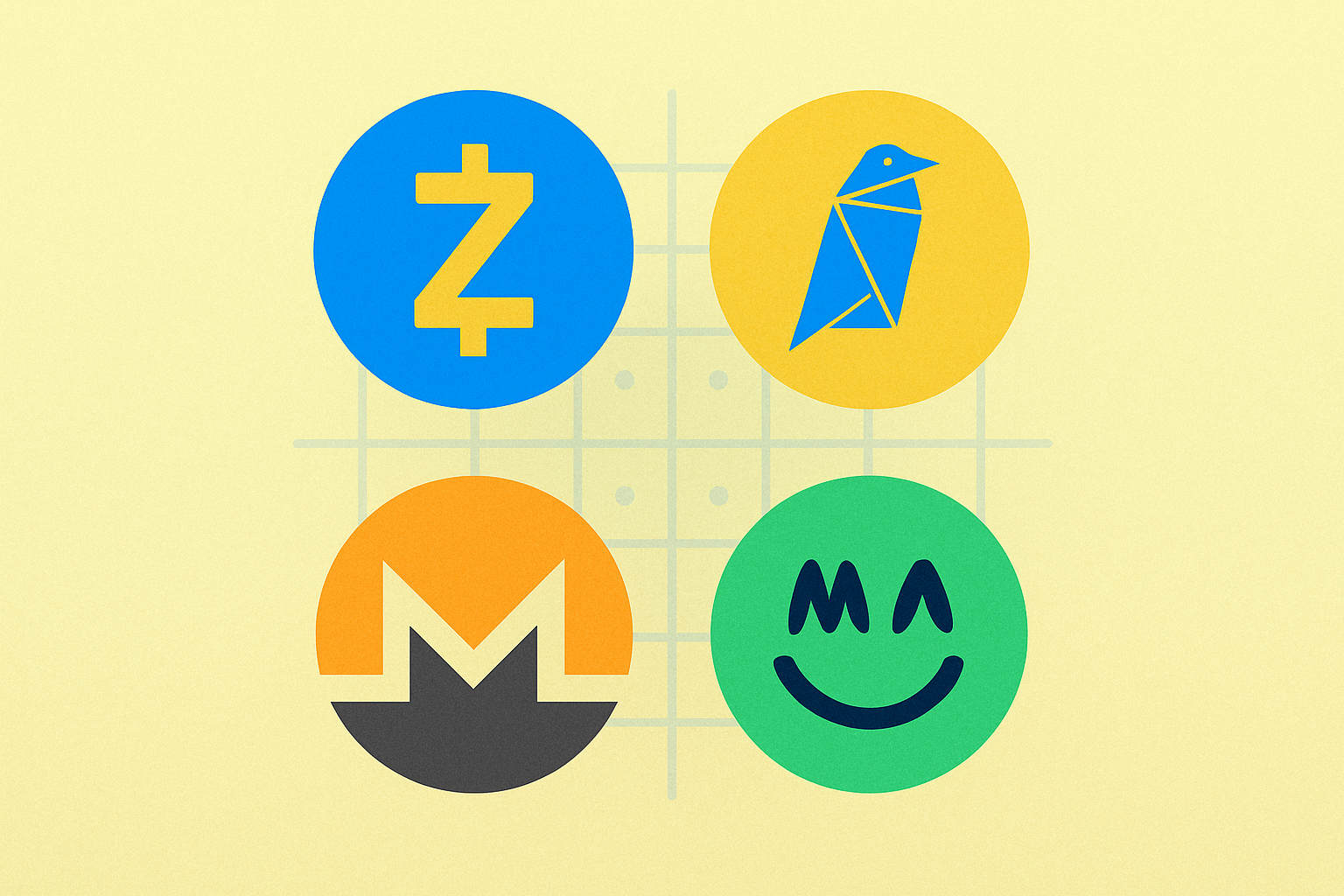
Zcash commenced operations in 2016, establishing itself as one of the market's most privacy-focused cryptocurrencies. Beyond its privacy features, Zcash offers attractive mining rewards that appeal to miners seeking profitable opportunities.
The cryptocurrency operates on the Equihash algorithm, which maintains ASIC resistance, eliminating the need for expensive ASIC equipment. Instead, miners can utilize GPUs or CPUs for Zcash mining. While newer CPUs offer more affordable entry points, miners must consider cooling requirements. GPU mining requires higher equipment investment but delivers superior performance.
Zcash trades on most major cryptocurrency exchanges and maintains active trading volumes. The network utilizes Proof of Work mining technology, rewarding miners with 10 ZEC per block. This reward structure, combined with the cryptocurrency's privacy features and market presence, makes Zcash an attractive mining option for both individual and professional miners.
The Equihash algorithm's ASIC resistance helps maintain mining decentralization, allowing smaller miners to compete effectively against larger operations. This accessibility contributes to network security while providing opportunities for diverse participants in the mining ecosystem.
Ravencoin (RVN)
Ravencoin emerged as one of many cryptocurrencies derived from the original Bitcoin codebase, but with specific optimizations for asset transfer functionality. The cryptocurrency employs the X16R algorithm through Proof of Work mining techniques, creating a unique approach to blockchain security.
The X16R algorithm alternates between SHA512 and X15 mining algorithms, with the sequence determined by the previous block's hash. This design prevents ASIC optimization, maintaining GPU mining viability. Miners can begin Ravencoin mining by acquiring graphics cards from major manufacturers, making entry into Ravencoin mining relatively accessible.
Ravencoin facilitates seamless exchange across various platforms, focusing on asset transfer capabilities built on Bitcoin and Ethereum foundations. The network rewards miners with 5000 RVN per block, providing substantial incentives for mining participation.
The cryptocurrency's focus on asset tokenization and transfer creates utility beyond simple value transfer, potentially supporting long-term value appreciation. This utility, combined with accessible mining requirements, positions Ravencoin as an attractive option for GPU miners seeking alternatives to more established cryptocurrencies.
Monero (XMR)
Monero distinguishes itself through exceptional compatibility with Bitcoin while offering enhanced privacy features. This privacy focus represents Monero's primary advantage, attracting users who prioritize transaction confidentiality. The cryptocurrency maintains substantial market capitalization, ranking among the most valuable privacy-focused digital assets, with value appreciation demonstrated over recent years.
Monero mining doesn't require ASIC equipment, significantly reducing initial mining costs. Miners receive 4.99 XMR for validating transactions on the blockchain, with transaction fees averaging 0.06573 XMR. The cryptocurrency employs Proof of Work mining technology with algorithm adjustments that enable miners to use both GPUs and CPUs effectively.
This algorithmic flexibility maintains mining accessibility for individual participants while preventing ASIC dominance. Monero's commitment to ASIC resistance through regular algorithm updates ensures continued mining decentralization, aligning with the cryptocurrency's privacy-focused philosophy.
The cryptocurrency trades on major platforms, maintaining strong liquidity and market presence. Monero's established position in the privacy coin sector, combined with accessible mining requirements, makes it an attractive long-term mining prospect for those seeking both profitability and philosophical alignment with privacy principles.
Grin (GRIN)
Grin represents a relatively recent addition to the cryptocurrency landscape, built on the Mimblewimble consensus algorithm that ensures transaction privacy. The cryptocurrency's unlimited coin supply appeals to miners seeking long-term mining opportunities without supply constraints.
Mining difficulty adjusts based on network hash rate, while the asset employs Proof of Work mining technology. Written in the Rust programming language, Grin utilizes the Equihash algorithm with strong ASIC resistance requiring hard forks approximately every six months to maintain ASIC immunity. GPUs from major manufacturers facilitate the mining process effectively.
The network rewards miners with 60 GRIN per block, providing substantial incentives for mining participation. Grin's focus on privacy, combined with its unlimited supply model, creates unique economic dynamics that may appeal to miners with different perspectives on cryptocurrency economics.
Grin trades on numerous cryptocurrency exchanges, providing liquidity for miners seeking to convert mining rewards into other assets. The cryptocurrency's technical innovation and privacy features position it as an interesting option for miners interested in supporting newer blockchain technologies while potentially benefiting from early adoption advantages.
FAQ
What are the top 4 cryptocurrencies with the highest mining profitability in 2024?
Bitcoin, Ethereum, Litecoin, and Ripple lead mining profitability in 2024. These cryptocurrencies offer stable returns and strong technical advantages, making them preferred choices for miners seeking consistent profitability.
How to calculate the actual return rate and investment payback period for cryptocurrency mining?
Calculate daily mining income by subtracting operational costs from daily revenue. Payback period equals total investment divided by daily net profit. Monitor hashrate, electricity costs, and current block rewards to determine profitability accurately.
What is the approximate hardware investment cost for mining and what configuration is needed?
Mining hardware costs vary by cryptocurrency. Bitcoin ASIC miners range from $500-$10,000+, while GPU miners cost $200-$3,000. Filecoin requires large-capacity HDDs(terabytes), stable static IP, multi-gigabit network interfaces, and 4GB+ RAM, totaling $2,000-$50,000+ depending on scale. Ethereum GPU mining needs 6GB+ VRAM cards. Essential components include efficient cooling, quality PSU, and reliable storage with hot-swap capability for optimal profitability and uptime.
Which of the mainstream cryptocurrencies such as Bitcoin, Ethereum, Litecoin, and Monero is most profitable to mine?
Bitcoin remains the most profitable due to highest transaction value and market demand. However, Grin and Zcash offer competitive GPU mining returns. Profitability depends on hardware efficiency, electricity costs, and current market conditions rather than the coin alone.
What are the main risks of cryptocurrency mining and how to mitigate them?
Main risks include high electricity costs, hardware wear, market volatility, and operational downtime. Mitigate by optimizing energy efficiency, maintaining equipment regularly, diversifying mining pools, and monitoring system performance continuously.
What is the difference between home individual mining and mining pool mining, and which is more profitable?
Solo mining offers higher potential rewards but greater volatility and uncertainty. Pool mining provides stable, consistent income with lower rewards. Solo mining suits risk-tolerant miners with substantial hashpower; pool mining is ideal for steady earnings with shared resources and reduced variance.
Share
Content
What Is Cryptocurrency Mining?
Understanding the Role of Miners
Cryptocurrency Mining Methods
CPU Mining
ASIC Mining
GPU Mining
Cloud Mining
How to Choose Cryptocurrencies Suitable for Mining
Asset Price Considerations
Legal Considerations
Cost Analysis
Most Profitable Cryptocurrencies for Mining
Zcash (ZEC)
Ravencoin (RVN)
Monero (XMR)
Grin (GRIN)
FAQ
How to Buy Cryptocurrency


Trending Cryptocurrencies



XZXX: A Comprehensive Guide to the BRC-20 Meme Token in 2025

Bitcoin Fear and Greed Index: Market Sentiment Analysis for 2025
5 ways to get Bitcoin for free in 2025: Newbie Guide

Top Crypto ETFs to Watch in 2025: Navigating the Digital Asset Boom

Bitcoin Market Cap in 2025: Analysis and Trends for Investors
2025 Bitcoin Price Prediction: Trump's Tariffs' Impact on BTC

What is a non-custodial wallet and how do you use it

Types of Cryptocurrencies and Tokens – Guide
The typical crypto investor: Who chooses to invest in cryptocurrency

Top 6 AI Cryptocurrencies: Tokens You Can Buy in Japan and How to Purchase

Top 10 Companies Entering the Metaverse: Key Players Shaping the Virtual World