Understanding BlockDag: Future Evolution of Blockchain Technology for Beginners

12-20-2025, 3:09:27 AM
Altcoins
Blockchain
Crypto Insights
Layer 2
Web 3.0
Article Rating : 4
116 ratings
The article "Understanding BlockDag: Future Evolution of Blockchain Technology for Beginners" delves into the paradigm shift that BlockDag technology represents over traditional blockchain systems. It examines how BlockDag improves scalability, concurrency, and efficiency while addressing bottlenecks in transaction validation. Key BlockDag projects such as $TARA are highlighted for showcasing innovation, with potential for transforming the blockchain landscape. The challenges of security, system consistency, and adoption are also discussed, emphasizing their importance for future development. This content is tailored for beginners seeking to grasp the next generation of blockchain architecture.
Understanding BlockDag: Future Evolution of Blockchain Technology for Beginners
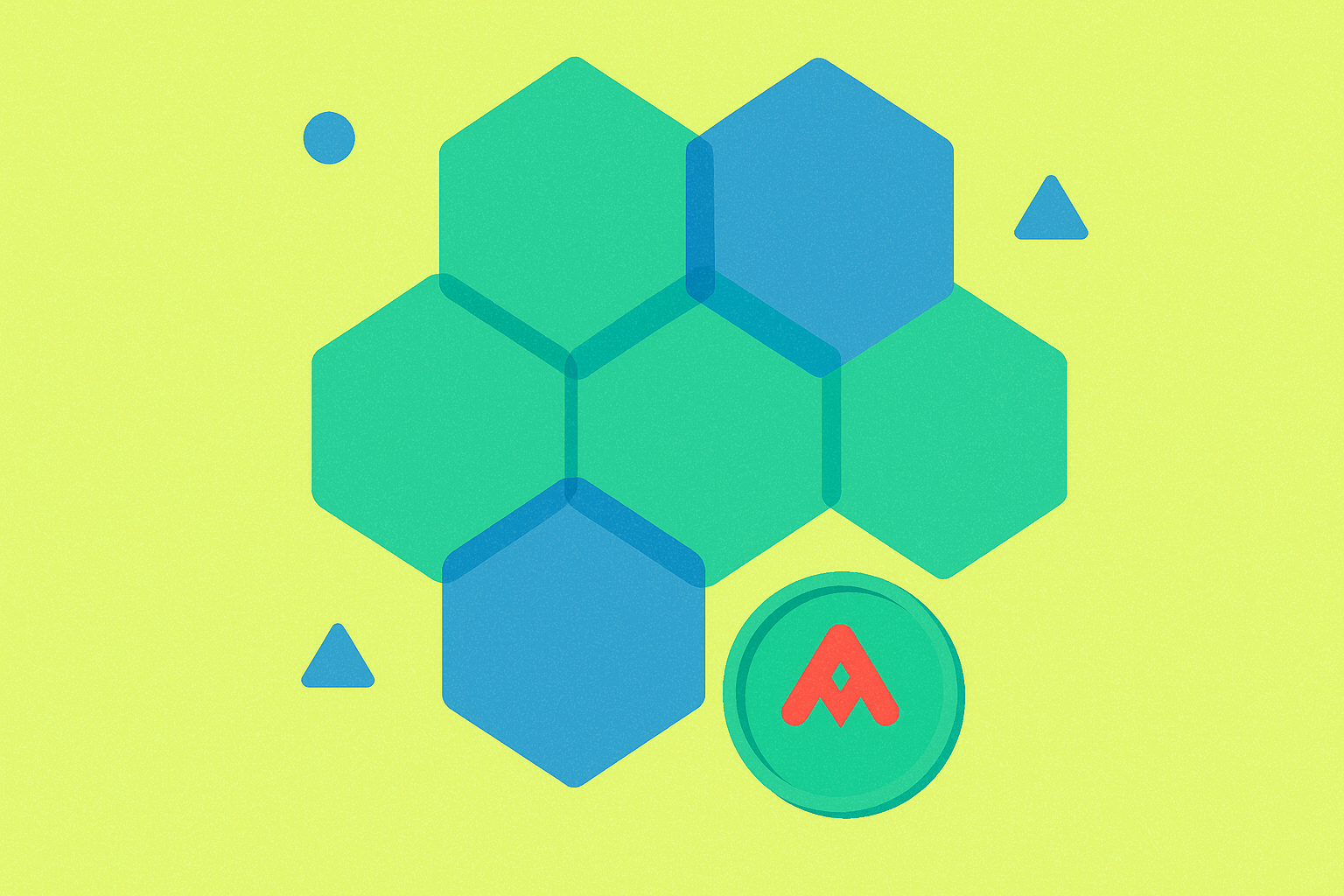
Exploring BlockDag - The Evolution of Future Blockchain Technology

What is BlockDag?

BlockDag represents a significant evolution in the field of distributed ledgers. In the context of blockchain technology, a blockDAG (Directed Acyclic Graph) is a structure where vertices represent blocks and edges represent references from blocks to their predecessors. This architecture differs substantially from traditional blockchain, offering new opportunities to improve the performance and efficiency of distributed systems.

While a traditional blockchain organizes transaction blocks in a linear, chronological, and immutable chain, a blockDAG creates a complex network where individual transactions are linked to multiple other transactions. Unlike conventional blockchain networks, in DAG systems there are no grouped blocks of transactions. If blockchain can be compared to a linked list, DAG is similar to a tree that branches from one transaction to another in a non-linear way.

This innovative structure provides a new perspective on transaction validation, potentially taking the concept of decentralization to higher levels. Instead of the complex consensus mechanisms required by traditional blockchains, in a DAG individual transactions validate each other. Additionally, the system eliminates the need for significant transaction fees, as each participant automatically becomes a miner and validator, drastically reducing energy consumption compared to traditional blockchain systems.

1/ Introduction to BlockDag

BlockDag, an acronym for Block Directed Acyclic Graph, represents an innovative data structure in blockchain and cryptocurrency systems. This technology was specifically developed to solve the intrinsic scalability limitations and long confirmation times that characterize traditional blockchains.

The peculiarity of BlockDag lies in its ability to organize data in a non-linear way, allowing parallel processing of multiple transactions simultaneously. This fundamental characteristic distinguishes BlockDag from conventional blockchain architectures, which are limited by their sequential nature. For example, while Bitcoin can process approximately 7 transactions per second due to its linear structure, BlockDag-based systems can theoretically handle thousands of transactions simultaneously.

Understanding what BlockDag is requires recognizing how it fundamentally reimagines data structure organization in distributed systems. BlockDag technology enables a more efficient approach to transaction processing by eliminating the bottlenecks inherent in linear blockchain designs.

2/ Evolution of Development

BlockDag emerges as a natural response to the evolution of blockchain technology, specifically aimed at overcoming the bottlenecks and scalability challenges that have limited first-generation blockchains. The development of this technology has gained considerable momentum with the growing need for faster and more efficient consensus mechanisms in the cryptocurrency landscape.

The evolution from blockchain to BlockDag reflects an increasingly deep understanding of linear system limitations. While early blockchains like Bitcoin revolutionized the concept of decentralized digital currency, their inability to scale effectively to meet global demand has pushed researchers to explore alternative structures. BlockDag represents the culmination of these efforts, offering a paradigm that maintains the advantages of decentralization while directly addressing throughput and latency issues.

3/ Innovations in BlockDag

The innovations introduced by BlockDag technology are multiple and significant. Concurrency represents one of the most evident advantages: the ability to confirm multiple branches simultaneously drastically increases transaction throughput. This feature allows the system to process transaction volumes that would be impossible for a traditional blockchain.

Scalability is notably improved thanks to reduced dependence on single chains. While in traditional blockchains each block must wait for confirmation of the previous one, creating a natural bottleneck, in BlockDag systems transactions can be confirmed through multiple parallel paths. This leads to significantly higher confirmation speeds, with parallel paths enabling faster transaction confirmations compared to linear systems.

Another crucial advantage is the reduction of orphaned blocks. In traditional blockchains, when two miners produce valid blocks simultaneously, one becomes orphaned and computational work is wasted. In BlockDag systems, confirmation of multiple paths minimizes this problem, making the entire system more efficient and economical from an energy perspective.

4/ Notable BlockDag Projects

The BlockDag project landscape is rapidly evolving, with several implementations revolutionizing blockchain technology. A significant example is $TARA, a project that has demonstrated impressive growth of over 1,120%, equivalent to nearly 11 times its initial value. This project is rewriting the rules of blockchain technology, bringing unprecedented innovation to the sector.

$TARA introduces an AI-enabled Web3 integration ecosystem, combining Layer1 technology with EVM (Ethereum Virtual Machine) compatibility. This combination allows developers to use existing tools and applications from the Ethereum ecosystem while benefiting from the superior performance of BlockDag technology. The project stands out for being fast, economical, and environmentally sustainable.

Key features include support for smart contracts, absence of network congestion, and true decentralization. Other notable projects like $KAS are similarly exploring the potential of BlockDag technology, demonstrating that this approach represents a promising direction for the future of blockchain.

5/ Challenges and Future Directions

Despite its numerous advantages, BlockDag technology faces several significant challenges that must be addressed for widespread adoption. Security represents a complex concern due to the system's non-linear structure. While traditional blockchains benefit from decades of security analysis and testing, BlockDag systems require new security paradigms to ensure transaction integrity in a more complex structure.

System consistency requires innovative consensus mechanisms that differ significantly from those used in traditional blockchains. Developing consensus algorithms that can effectively manage the parallel and non-linear nature of BlockDag remains an active area of research. Additionally, adoption obstacles are substantial, as BlockDag implementation requires significant changes to existing blockchain infrastructure, requiring considerable investments in development and migration.

Conclusion

BlockDag technology represents a revolutionary approach to overcoming the intrinsic limitations of traditional blockchains, offering significant improvements in scalability, concurrency, and processing speed. This innovation promises to solve the blockchain trilemma that has afflicted traditional systems: the trade-off between decentralization, security, and scalability.

While Bitcoin prioritized decentralization and security at the expense of scalability, and Ethereum opted for security and scalability leaving some aspects of decentralization in the background, BlockDAG technology could finally eliminate the need to choose between these fundamental elements. However, challenges related to security, consensus mechanisms, and widespread adoption will continue to shape the evolutionary path of this technology.

The future of BlockDag technology will depend on the developer community's ability to effectively address these challenges while maintaining the intrinsic advantages of the DAG structure. With innovative projects already demonstrating the potential of this technology, BlockDag could represent the next significant evolution in the blockchain landscape, opening new possibilities for more efficient and scalable decentralized applications.

FAQ

What does BlockDAG mean?

BlockDAG stands for Directed Acyclic Graph, a cryptocurrency technology that enhances scalability and transaction speed compared to traditional blockchain. It uses a hybrid Proof-of-Work consensus algorithm, enabling faster confirmations and higher throughput for digital transactions.

Can BlockDAG reach 1 dollar?

Yes, BlockDAG has the potential to reach $1 if it successfully launches its mainnet, gains wide adoption, and secures major exchange listings. Analysts predict this milestone could be achieved by 2025-2026.

Can I sell my BlockDAG?

Yes, you can sell your BlockDAG tokens once they become available on supported platforms. Liquidity and market conditions may vary, so check current market listings for selling opportunities and real-time pricing.

* The information is not intended to be and does not constitute financial advice or any other recommendation of any sort offered or endorsed by Gate.
Related Articles
2025 KAIA Price Prediction: Expected Market Trends and Investment Outlook for the Innovative Digital Asset

2025 KAIA Price Prediction: Expected Market Trends and Investment Outlook for the Innovative Digital Asset

This article provides a comprehensive analysis of KAIA's market trends and investment outlook by 2025, focusing on its historical price evolution, current market status, and future predictions from 2025 to 2030. It addresses key factors influencing KAIA's price, such as supply mechanisms, institutional dynamics, macroeconomic impact, and technological development. Designed for investors, it offers investment strategies and risk management frameworks, highlighting potential risks associated with market volatility and regulatory changes. With practical insights, the article is an essential guide for diverse audiences, from beginners to institutional investors, interested in KAIA and digital assets.
9-16-2025, 6:38:49 AM
2025 ALT Price Prediction: Analyzing Market Trends and Potential Growth Factors

2025 ALT Price Prediction: Analyzing Market Trends and Potential Growth Factors

The article "2025 ALT Price Prediction: Analyzing Market Trends and Potential Growth Factors" offers a comprehensive analysis of AltLayer (ALT) and its market position, providing professional insights into its investment value and price predictions from 2025 to 2030. It addresses key factors like supply mechanism, institutional dynamics, and the macroeconomic environment influencing ALT prices, making it relevant for investors seeking strategic insights. The article is structured to include ALT's historical price review, current market status, and future projections, followed by investment strategies and risk management. Aimed at both novice and experienced investors, it also discusses potential risks and investment recommendations for ALT, emphasizing the need for informed decision-making in the volatile crypto market.
10-21-2025, 2:12:47 AM
Understanding Directed Acyclic Graphs in Blockchain Technology

Understanding Directed Acyclic Graphs in Blockchain Technology

Explore the innovative Directed Acyclic Graph (DAG) technology in the fintech space, offering a potential alternative to traditional blockchain systems. This article delves into the workings of DAG, its advantages like speed, scalability, and energy efficiency, and its current adoption by cryptocurrencies such as IOTA and Nano. It addresses key questions about DAG usage, pros, cons, and technical distinctions from blockchain, providing insight into its future role in crypto transactions. Ideal for readers interested in fintech advancements, transaction efficiency, and sustainability in the crypto world.
11-29-2025, 4:45:31 AM
Exploring DAG Technology in Blockchain Networks

Exploring DAG Technology in Blockchain Networks

Exploring DAG Technology in Blockchain Networks delves into how Directed Acyclic Graph (DAG) offers a scalable and efficient alternative to traditional blockchain systems. The article outlines DAG's structure, advantages like minimal transaction fees, enhanced transaction speed, and lower energy consumption, making it ideal for micropayments and high-frequency transactions. The piece contrasts DAG with blockchain, emphasizing their coexistence and respective applications in the cryptocurrency space. Targeting enthusiasts and developers, the article enhances understanding of DAG's potential in distributed ledger technologies, while maintaining a clear, concise, and scan-friendly format.
12-4-2025, 3:50:42 PM
Understanding Directed Acyclic Graph in Blockchain Technology

Understanding Directed Acyclic Graph in Blockchain Technology

This article dives into Directed Acyclic Graph (DAG) technology, an alternative to traditional distributed ledgers in blockchain. It highlights the unique data structuring and transaction processing of DAGs, offering insights into faster speeds and scalability. The article compares DAGs with traditional ledgers, explains their working mechanisms, and explores their applications, including efficient transactions and IoT management. Additionally, it addresses potential challenges and lists cryptocurrencies utilizing DAG. Keywords optimized for quick understanding include DAG, blockchain, transaction speed, scalability, and cryptocurrency.
11-28-2025, 4:04:40 AM
Exploring Directed Acyclic Graph in Blockchain Networks

Exploring Directed Acyclic Graph in Blockchain Networks

The article delves into the Directed Acyclic Graph (DAG) as a revolutionary alternative to blockchain technology in cryptocurrency networks. It evaluates key differences in structure, transaction processing, and efficiency between DAG and traditional blockchains, offering insights into potential applications like IoT and micropayments. The text addresses challenges such as centralization risks and scalability limitations, while highlighting the advantages of faster transactions and energy efficiency. Suitable for readers interested in the evolution of crypto technology, the article explores the increasing adoption of DAG among cryptocurrencies like IOTA and Nano.
10-30-2025, 4:14:14 AM
Recommended for You
What is DUSK: A Comprehensive Guide to the Emerging Blockchain Platform and Its Native Token

What is DUSK: A Comprehensive Guide to the Emerging Blockchain Platform and Its Native Token

This article provides a comprehensive guide on DUSK Network, a privacy-oriented blockchain platform, and its native token, DUSK. It explores DUSK's innovative consensus and privacy mechanisms, its market performance, including price trends and trading on Gate. The article addresses privacy concerns in blockchain systems, emphasizing users and developers looking for secure, decentralized solutions. Organized into sections on technology, token utility, market performance, and community resources, it offers insights into DUSK's role and potential in the cryptocurrency landscape, focusing on privacy, tokenomics, and governance.
12-20-2025, 9:42:50 AM
What is XRD: A Comprehensive Guide to X-Ray Diffraction Technology and Its Applications in Materials Science

What is XRD: A Comprehensive Guide to X-Ray Diffraction Technology and Its Applications in Materials Science

This comprehensive guide explores Radix (XRD), a Layer 1 protocol designed to enhance the decentralized finance (DeFi) industry through technological innovations. The article examines Radix's architecture, market performance, and role in DeFi applications, aiming to address inefficiencies in existing blockchain infrastructures. Suitable for developers and investors interested in DeFi, it covers Radix's operational mechanics, cryptographic security, and trading and investment considerations on Gate. Key resources and community engagement highlights contribute to understanding Radix's potential impact in the DeFi space.
12-20-2025, 9:41:52 AM
What is ROAM: A Comprehensive Guide to Revolutionizing Your Note-Taking and Knowledge Management

What is ROAM: A Comprehensive Guide to Revolutionizing Your Note-Taking and Knowledge Management

This article provides a comprehensive guide to Roam, the largest decentralized wireless network aiming to transform global connectivity. Roam addresses network fragmentation and security concerns by leveraging blockchain technology for automated wireless connections and seamless roaming. Designed for individuals, smart devices, and AI agents, Roam enhances global wireless infrastructure. Key topics include Roam's market performance, technical architecture, and community engagement. Emphasizing keywords like 'decentralized wireless network,' 'blockchain credentials,' and 'eSIM services,' the piece outlines Roam's capabilities and market metrics, relevant for investors and tech enthusiasts.
12-20-2025, 9:41:51 AM
Understanding the Tool for Price Data in Loan Liquidation Systems
Understanding the Tool for Price Data in Loan Liquidation Systems

Understanding the Tool for Price Data in Loan Liquidation Systems examines flash loans—instant, uncollateralized loans within DeFi, enabled by smart contracts. The article covers their mechanics, applications, risks, and the vital role of price oracles in liquidation management. It addresses rapid capital deployment for arbitrage, self-liquidation, and collateral swaps, while highlighting concerns over smart contract vulnerabilities and market instability. Suitable for traders seeking advanced strategies, this piece discusses profitability challenges due to competition, fees, and market dynamics, emphasizing the importance of reliable price data tools.
12-20-2025, 9:41:41 AM
What is ACE: Understanding the Angiotensin-Converting Enzyme and Its Role in Blood Pressure Regulation
What is ACE: Understanding the Angiotensin-Converting Enzyme and Its Role in Blood Pressure Regulation

This article explores Fusionist (ACE), a Web3 game combining AAA-quality gameplay with blockchain principles to address issues like cheating and accessibility. It highlights Fusionist's decentralized infrastructure, technical milestones, and multi-mode game design. The piece examines current market metrics with ACE tokens trading on Gate as a central exchange. With detailed insights into its architecture and market performance, the article serves investors and gamers interested in innovative blockchain gaming solutions. Keywords include Fusionist, ACE, Web3, decentralized gaming, blockchain, and Gate.
12-20-2025, 9:41:08 AM
What is STBL: A Comprehensive Guide to Stable Token Block Ledger Technology

What is STBL: A Comprehensive Guide to Stable Token Block Ledger Technology

Discover "What is STBL," a guide exploring the innovative stable token block ledger technology. STBL is reshaping stablecoin utility with its decentralized, non-custodial design focusing on yield generation without staking and real-world asset integration. The article delves into STBL's significant DeFi impact, market performance, and its no-lockup approach offering flexibility to users. Ideal for DeFi enthusiasts seeking insights on stablecoin advancements, the piece provides a structured view of STBL's technology, market stance, and emerging potential. Keywords: STBL, stablecoin, DeFi, yield, real-world assets, decentralized.
12-20-2025, 9:41:06 AM
