What is blockchain in plain language

What Is Blockchain
Blockchain is a distributed data storage system that maintains a constantly updated online list of transactions. Through advanced cryptographic processes, this list is synchronously copied across thousands of computers within a distributed ledger system.
The primary advantage of blockchain technology is its ability to store information simultaneously on the devices of many independent users. This setup effectively prevents data tampering or unauthorized modifications. If changes are made to one copy of the ledger, the manipulation is immediately detected by comparing it to the original copies held by other network participants.
Because the system is decentralized, no organization or user can control or manipulate data on their own. Every change requires consensus among network participants, ensuring a high level of security and reliability for the stored information.
How Blockchain Works: A Simple Explanation
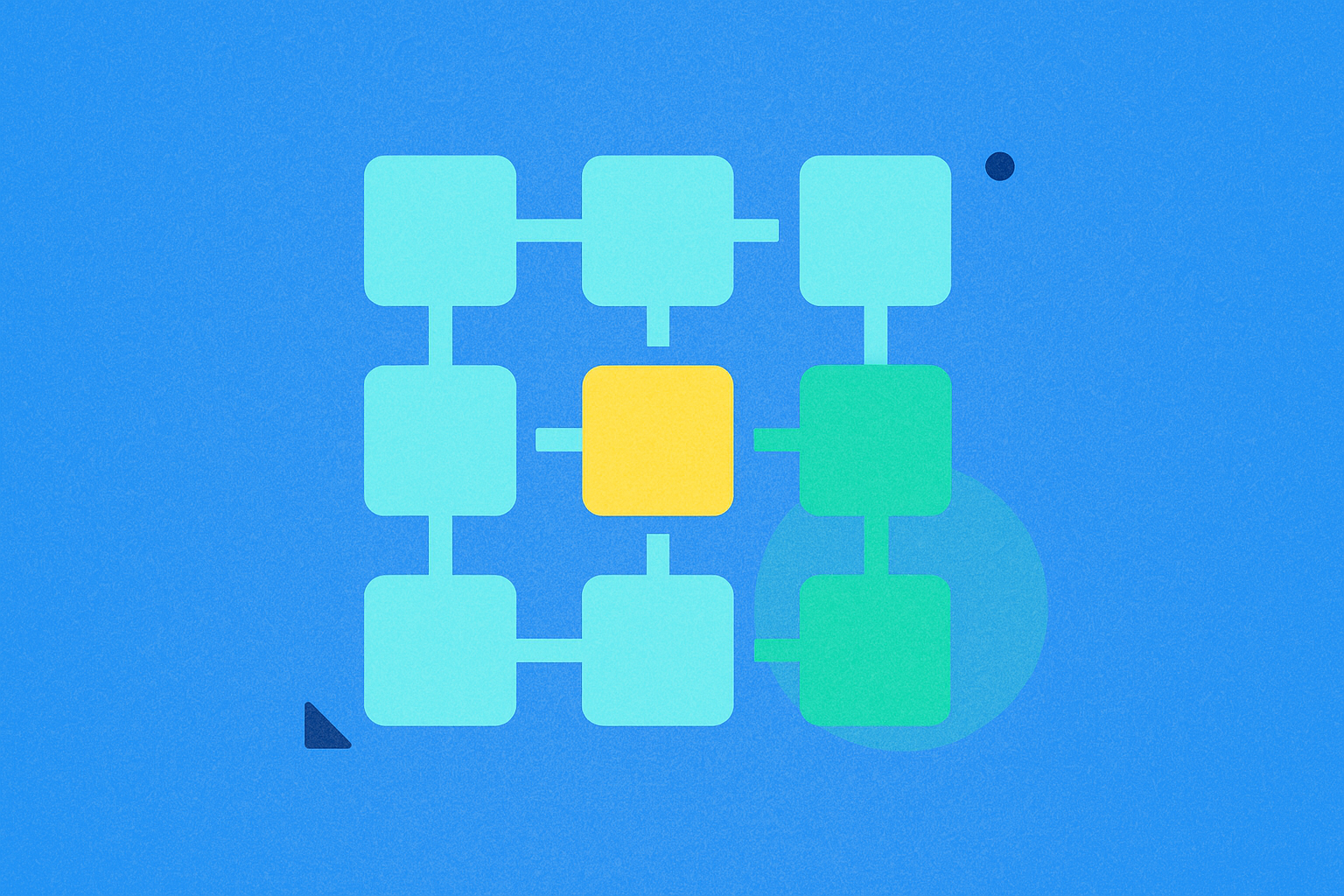
Blockchain consists of a sequence of blocks continuously added to a single chain—hence the name "blockchain" (block + chain). You can think of each block as a permanent page in a digital ledger, recording all transaction data on the network.
Once information is recorded and a block is added to the chain, no changes can be made without consensus among network nodes. This consensus can be achieved through various mechanisms, such as Proof of Work or Proof of Stake.
Each block includes a unique timestamp and a cryptographic link to the prior block using a hash function. Anyone can view the transaction list, which ensures transparency. However, making changes or adding new data requires a private key, known only to the owner.
When a private and public key pair matches for a specific dataset, the modification is verified and recorded in the next block. This cryptographic security makes blockchain virtually immune to hacking or data forgery.
What Problems Does Blockchain Solve?
Eliminating Intermediaries – Blockchain removes the need for third parties in transactions, such as banks and financial institutions. Even popular online payment systems require banking integration. Blockchain enables direct transaction confirmation, user verification, and contract validation without centralized organizations, significantly reducing costs and speeding up processes.
Building Trust – Blockchain networks build trust among users through complex mathematical challenges and cryptographic algorithms. These challenges must be solved, proven, and then verified by other network participants before new information is added. By contrast, traditional online payments require trust in banks, payment platforms, and intermediaries, creating potential points of vulnerability.
Operational Transparency – On public blockchains, all transactions are visible to any network participant, ensuring an unprecedented level of data integrity and the possibility of full audits. This transparency was not available in previous financial systems, where transaction data was limited to a select group.
Decentralized Control – Blockchain is inherently decentralized and cannot be controlled by any single organization or government. Any changes in the network require consensus among participants, which prevents manipulation or censorship by centralized authorities.
How Blockchain Is Used
The concept of blockchain first appeared in 2008 in a technical paper describing Bitcoin. The following year, the technology was implemented as a core part of the first cryptocurrency, which successfully solved the fundamental problem of double-spending digital assets without a central server or trusted third party.
Cryptographic keys are used to transfer blocks containing financial value, securely recording the movement of funds and removing the need for traditional intermediaries such as banks or payment systems. This system provides a high level of security, as modifying any data stored in the distributed ledger requires possession of a private key.
Blockchain enables functions traditionally reserved for banks—such as user identity verification, financial transaction recording, and record preservation—to be performed more quickly and accurately. While blockchain started with Bitcoin, the technology has since found applications across many sectors and aspects of life.
Here are just a few examples of how blockchain can improve performance in various industries:
Smart Contracts – In addition to storing value, some blockchain platforms can store different types of digital information and executable code. This allows for self-executing contracts that automatically trigger when a key is provided or when predefined conditions from external data streams are met (such as changes in stock prices, energy usage, or delivery confirmation). Smart contracts have immense potential to transform sectors like real estate, insurance, and logistics.
Internet of Things – This term refers to the growing number of everyday physical objects connected to a larger network via the internet. Blockchain enables the secure integration of these devices, supports further network scalability, and protects data from unauthorized access. This is especially important for building smart cities and automated manufacturing systems.
Capital Raising and Charity – Charitable organizations and foundations can benefit greatly from the transaction transparency that blockchain provides. Nonprofits often face public distrust about whether funds are actually received and used as intended. Distributed ledger technology allows sponsors and donors to track all fund movements in real time, from the initial transfer to final use.
Healthcare – Thanks to its cryptographic security and reliability, blockchain is an ideal solution for storing confidential information, such as patient medical records, lab results, and treatment histories. The technology allows patients to control access to their data and enables healthcare providers to securely share information to improve diagnosis and treatment.
Supply Chain Management – Detailed tracking of every stage of production and delivery with full transparency benefits both producers and end consumers. Buyers get verified information about the origin, composition, and journey of products, boosting trust in manufacturers and supporting positive brand reputation. This is especially relevant in the food industry, pharmaceuticals, and luxury goods manufacturing.
What Does the Future Hold for Blockchain?
As more companies and organizations adopt blockchain to enhance the reliability, security, and transparency of their digital platforms, the technology's practical potential is becoming increasingly apparent to a wide audience.
Experts predict blockchain integration into government systems, including land registry, property rights registration, electronic voting, and digital ID issuance. Such adoption could significantly reduce corruption and bureaucracy.
In the financial sector, decentralized financial services (DeFi) are expected to develop further, providing access to lending, investment, and insurance without traditional financial institutions. This is particularly important for populations in developing countries who lack access to banking services.
Over time, as public awareness of blockchain grows and more user-friendly interfaces are developed, the technology will actively address existing challenges and transform business processes across many industries worldwide. Blockchain's development will also spur new business models and professions centered on managing decentralized systems.
FAQ
What Is Blockchain? What Is the Easiest Explanation?
Blockchain is a distributed database secured by cryptography. Data is organized into blocks, which are linked in a chronological chain. Each block contains transaction information and the previous block's hash, making it impossible to change past data.
How Does Blockchain Work? Why Is It Called a 'Chain'?
Blockchain works as a distributed ledger where transactions are recorded in blocks. Each block is cryptographically linked to the previous one, forming a chain. It's called a 'chain' because the blocks are connected in an unbreakable sequence, ensuring data security and transparency.
What Are the Practical Uses of Blockchain? Are There Applications Beyond Cryptocurrencies?
Blockchain is used in supply chain management, medical records, and smart contracts. It ensures transparency and data immutability. The technology is also applied in voting systems and authentication processes.
Is Blockchain Secure? Is It Really Impossible to Alter Data?
Yes, blockchain is highly secure. Data is protected by cryptography and distributed across many network nodes, making it virtually impossible to change or forge.
How Is Blockchain Different from a Regular Database?
Blockchain is decentralized and immutable, with data stored across many participants. A regular database is centralized, managed by a single organization, and can be changed. Blockchain offers superior security and transparency through cryptography and consensus mechanisms.
What Is a Distributed Ledger and How Is It Related to Blockchain?
A distributed ledger is a decentralized data storage system where information is copied across multiple network nodes. Blockchain is a common application of distributed ledgers, delivering transparency, security, and immutability for transaction records without a central authority.
Does the Average Person Need to Understand Blockchain?
No, the average person doesn't need to understand blockchain unless it's part of their work. Blockchain is a technology for cryptocurrencies and specialized applications. Most people don't encounter it in daily life.
Share
Content
How to Buy Cryptocurrency


Trending Cryptocurrencies



XZXX: A Comprehensive Guide to the BRC-20 Meme Token in 2025

Survey Note: Detailed Analysis of the Best AI in 2025

Detailed Analysis of the Best 10 GameFi Projects to Play and Earn in 2025
Kaspa’s Journey: From BlockDAG Innovation to Market Buzz
Best Crypto Wallets 2025: How to Choose and Secure Your Digital Assets

Popular GameFi Games in 2025

13 Best Penny Cryptocurrencies To Invest In
GetAgent: Crypto AI Agent vs Trading Bots

How to Create an NFT and Sell It Profitably
What Is CFA: Comprehensive Guide and Frequently Asked Questions

What Is TON: A Comprehensive Overview of the Project and Toncoin Cryptocurrency