

Trade
Basic
Futures
Futures
Hundreds of contracts settled in USDT or BTC
TradFi
Gold
Trade global traditional assets with USDT in one place
Options
Hot
Trade European-style vanilla options
Unified Account
Maximize your capital efficiency
Demo Trading
Futures Kickoff
Get prepared for your futures trading
Futures Events
Participate in events to win generous rewards
Demo Trading
Use virtual funds to experience risk-free trading
Earn
Launch
CandyDrop
Collect candies to earn airdrops
Launchpool
Quick staking, earn potential new tokens
HODLer Airdrop
Hold GT and get massive airdrops for free
Launchpad
Be early to the next big token project
Alpha Points
Trade on-chain assets and enjoy airdrop rewards!
Futures Points
Earn futures points and claim airdrop rewards
Investment
Simple Earn
Earn interests with idle tokens
Auto-Invest
Auto-invest on a regular basis
Dual Investment
Buy low and sell high to take profits from price fluctuations
Soft Staking
Earn rewards with flexible staking
Crypto Loan
0 Fees
Pledge one crypto to borrow another
Lending Center
One-stop lending hub
VIP Wealth Hub
Customized wealth management empowers your assets growth
Private Wealth Management
Customized asset management to grow your digital assets
Quant Fund
Top asset management team helps you profit without hassle
Staking
Stake cryptos to earn in PoS products
Smart Leverage
New
No forced liquidation before maturity, worry-free leveraged gains
GUSD Minting
Use USDT/USDC to mint GUSD for treasury-level yields

More


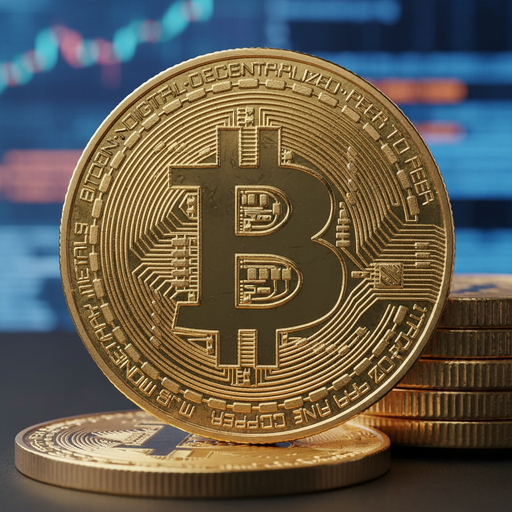




Don't Let Your Binance Account "Fly Away": 5 Common Mistakes and How to Avoid Them
In the context of the increasingly developing crypto market, Binance – one of the leading exchanges in the world – is constantly upgrading its security system and complying with the law. A single violation of regulations can lead to serious consequences: permanent account suspension, loss of the entire balance of $BTC, $ETH, $BNB, and a series of other altcoins. Below are the 5 most common violations and what you should do to protect your assets.
Consequences: The account will be frozen immediately, and the complaint process has little chance of success.
Solution: Disable VPN/Proxy: Ensure that you are connecting to the Internet through a regular home or mobile network. Check IP: Use an IP address checking service to confirm your actual location before logging in. Change residency country if necessary: If you are actually moving regions, consider changing the registered country in your profile and updating KYC ( if local laws permit ). 2. Create Multiple Accounts Under the Same Identity or IP Issue: Through behavioral analysis, Binance identifies “subordinate” accounts operated by the same individual using the same identification document or IP address.
Consequences: The main account and all sub-accounts may be locked, and the entire balance will be held temporarily.
Solution: Maintain a single account: Fully utilize all features on one account instead of spreading funds across multiple locations. Share cautiously: If you manage funds for others, advise them to open their own accounts and take responsibility. Check login history: Regularly review the security log to detect unusual activity, avoiding the need to account for multiple accounts at the same time. 3. Connecting Bots or APIs Not Approved by Binance Issue: Many investors prefer to automate trading using bots, scripts, or third-party APIs of unclear origin.
Consequences: The compliance system will “mark” unusual activities, which may immediately freeze the API key, or even the entire account.
Solution: Use the official API: Always only use keys created in the “API Management” section of Binance. Check integrated applications: When installing applications or bots, only grant read/edit/fund permissions if you fully trust the developer. Limit permissions: Only grant “read-only” access if you only need to retrieve data; grant withdrawal permissions (Withdraw) only when truly necessary. 4. Providing Fake KYC Documents Issue: Some users attempt to use fake identity cards, passports, and driver’s licenses to bypass the identity verification step (KYC).
Consequences: When detected, Binance will suspect you of money laundering or fraud, your account will be permanently locked, and the funds will “disappear.”
Solution: Always use real documents: Prepare a clear scan/photo, covering all angles and necessary information. Avoid editing photos: Do not frame, obscure security symbols, or blur information. Store the original: Keep the original file and log file for comparison if a complaint is needed. 5. Conduct Suspicious P2P Wallet or Mixer Transactions Issue: Using anonymous wallets, mixers, or participating in non-transparent P2P transactions may violate Binance’s anti-money laundering policy (AML).
Consequence: The monitoring system automatically locks the account for investigation, and if serious, the assets may be confiscated.
Solution: Choose a reputable partner: When trading P2P, only work with buyers/sellers that have a “Verified” badge and high ratings. Declare the source of funds: If the transaction is large, prepare documentation to prove the source of the funds, such as contracts, invoices…(. Avoid mixers: Do not transfer through coin mixing services to hide the flow of funds, as this is a “red flag” for any exchange. Conclusion Securing your Binance account not only depends on the technology of the exchange but also on the compliance awareness of each user. Understanding and avoiding the aforementioned mistakes will help you enjoy the crypto world with peace of mind, from spot trading, margin trading to staking, Launchpool, and more. Playing safe – Playing smart is the key to protecting your financial freedom.