

Trade
Basic
Futures
Futures
Hundreds of contracts settled in USDT or BTC
TradFi
Gold
Trade global traditional assets with USDT in one place
Options
Hot
Trade European-style vanilla options
Unified Account
Maximize your capital efficiency
Demo Trading
Futures Kickoff
Get prepared for your futures trading
Futures Events
Participate in events to win generous rewards
Demo Trading
Use virtual funds to experience risk-free trading
Earn
Launch
CandyDrop
Collect candies to earn airdrops
Launchpool
Quick staking, earn potential new tokens
HODLer Airdrop
Hold GT and get massive airdrops for free
Launchpad
Be early to the next big token project
Alpha Points
Trade on-chain assets and enjoy airdrop rewards!
Futures Points
Earn futures points and claim airdrop rewards
Investment
Simple Earn
Earn interests with idle tokens
Auto-Invest
Auto-invest on a regular basis
Dual Investment
Buy low and sell high to take profits from price fluctuations
Soft Staking
Earn rewards with flexible staking
Crypto Loan
0 Fees
Pledge one crypto to borrow another
Lending Center
One-stop lending hub
VIP Wealth Hub
Customized wealth management empowers your assets growth
Private Wealth Management
Customized asset management to grow your digital assets
Quant Fund
Top asset management team helps you profit without hassle
Staking
Stake cryptos to earn in PoS products
Smart Leverage
New
No forced liquidation before maturity, worry-free leveraged gains
GUSD Minting
Use USDT/USDC to mint GUSD for treasury-level yields

More


Being deported can't stop him! TikTok star Khaby Lame signs a $975 million mega-contract to license his AI clone.
6m ago
Director Guan Jiayong of "Mother's Multiverse": Stop posting 2016 comparison photos; you're revealing human aging models to AI.
1h ago
Trending Topics
View More9.48K Popularity
6.72K Popularity
4.52K Popularity
325 Popularity
2.11K Popularity
Hot Gate Fun
View More- MC:$2.82KHolders:10.00%
- MC:$0.1Holders:10.00%
- MC:$2.84KHolders:10.00%
- MC:$0.1Holders:10.00%
- MC:$2.83KHolders:10.00%




Pin
Dollar collapse, stagflation coming? What can we do
Peter Schiff posted on X: The 10-year Japanese government bond yield has now exceeded 2.22% and is rising rapidly. This indicates that U.S. bond prices are about to crash, leading to soaring mortgage rates, while the dollar is on the verge of collapse, pushing up consumer prices—preparing for an unprecedented stagflation! Stagflation will put policymakers in a dilemma. So, if stagflation occurs and the dollar collapses, what can we do?
What is Stagflation?
Stagflation is a special phenomenon in economics, referring to the simultaneous occurrence of stagnation (Stagnation) and inflation (Inflation). Simply put, prices are rising, but the economy is not growing, and unemployment remains high. Why is stagflation particularly difficult to handle? Usually, economists face situations like: recession → central banks may cut interest rates and increase money supply to stimulate consumption; high inflation → central banks may raise interest rates and reduce money supply to curb prices.
But when stagnation and high inflation occur at the same time, these policies conflict:
Stimulating the economy worsens inflation
Controlling inflation further stalls the economy
This is why policymakers find it so challenging.
Trump Threatens Tariffs on NATO, Gold Prices Hit New Highs
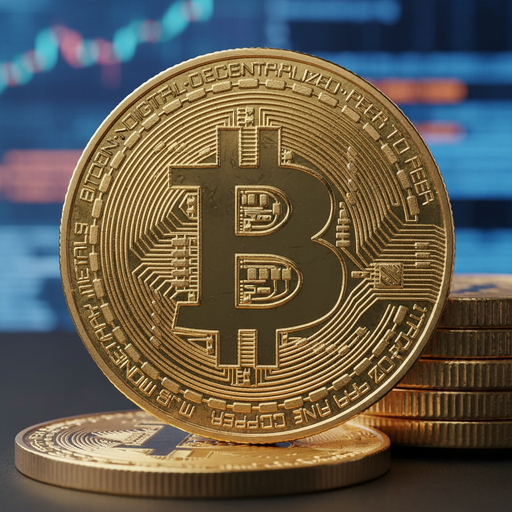
In recent months, Bitcoin (BTC) and gold have diverged sharply. Gold prices soared, while Bitcoin prices plummeted. According to Fortune, many analysts believe that President Trump’s tariff sanctions against NATO could threaten the dollar again. Bitcoin’s price dropped sharply overnight, falling from nearly $96,000 to just above $90,000 within minutes. Meanwhile, Trump expanded his threats toward NATO, stating that unless Denmark agrees to a deal on Greenland, tariffs will be imposed on eight NATO allies, causing gold prices to immediately hit a historic high.
Bitcoin and Gold Diverge, Dollar Pressure and Stagflation Concerns Rise
Over the past few months, Bitcoin and gold prices have shown clear divergence. Gold has surged to new all-time highs, while Bitcoin has experienced intense volatility, dropping from about $96,000 to just above $90,000 in a short period. Market analysts believe that the tariffs and trade war initiated by President Trump, along with recent threats against NATO allies, are increasing pressure on the dollar, further boosting demand for gold as a safe haven.
Trump stated that unless Denmark reaches an agreement on Greenland, tariffs will be imposed on eight NATO allies. This move has sparked concerns over geopolitical risks and pushed gold prices to new highs. At the same time, the Bitcoin market faces significant volatility, with traders worried that the downward trend may continue, especially amid ongoing geopolitical uncertainties. Digital asset analyst Nic Puckrin said that unless buying interest intervenes, Bitcoin could further decline to around $88,000 support.
The market is also paying close attention to the upcoming release of the US December Personal Consumption Expenditures Price Index (PCE). Barclays and Morgan Stanley have respectively raised their forecasts to 2.8% and 2.9%, significantly higher than last week’s Consumer Price Index (CPI) of 2.7%. PCE is the Federal Reserve’s preferred inflation indicator, excluding volatile items like food and energy. Its results could once again trigger concerns about stagflation, with sluggish economic growth coexisting with rising prices.
Recently, the US dollar has been weak, as the popular “devaluation trade” from last year makes a comeback, with investors selling dollars and buying Bitcoin, gold, silver, and other scarce assets. David Morrison, senior market analyst at Trade Nation, pointed out that the dollar index has fallen below 99, after reaching a six-week high earlier. As the dollar weakens, gold and silver prices continue to rise. David Wilson, head of commodities strategy at BNP Paribas, stated that gold at $5,000 per ounce is no longer out of reach.
Strategies for Investors During Stagflation
The author has summarized six major strategies to cope with stagflation, aiming to protect individuals from rising prices while reducing investment impulses. These are personal opinions and not investment advice.
During stagflation, economic growth is weak, unemployment is high, and living costs rise. Cash flow management is crucial:
Reduce high-interest debt: Credit card debt or high-interest loans will worsen financial pressure with inflation.
Keep liquid assets: Ensure sufficient short-term funds to handle personal or investment uncertainties.
Rising inflation erodes purchasing power. Investors can consider assets such as:
Gold and Silver: Traditional safe-haven assets that perform well during stagflation or currency devaluation.
Commodities: Such as oil, natural gas, agricultural products, which may benefit from inflation.
During stagflation, sluggish economic growth can pressure growth stocks, but some defensive stocks remain relatively stable:
Consumer Staples (Food & Beverage, Daily Necessities): Low demand elasticity; people still need to buy even if the economy slows.
Utilities and Healthcare: Provide stable cash flow and are more resilient.
High Dividend Stocks: Offer cash returns that can partially offset inflation.
High-growth stocks or tech stocks: Rising interest rates and economic stagnation may suppress these stocks.
Long-term bonds: Very sensitive to interest rate changes; rising rates during stagflation can cause losses.
Stagflation is a complex market environment. Relying on a single asset class can be risky. Diversification can reduce volatility:
Asset class diversification: Cash, stocks, bonds, precious metals, real estate, commodities.
Geographical diversification: Different countries respond differently to inflation and policies, reducing concentration risk.
In a stagflation environment, central bank and government policy changes can significantly impact markets. Pay close attention to news:
Central bank interest rate decisions: Rate hikes to curb inflation may worsen economic stagnation.
Fiscal stimulus measures: Government spending or tax policies may support certain sectors.
Inflation data and market expectations: Such as PCE, CPI, which directly influence investment strategies.
This article, “Dollar Collapse, Is Stagflation Coming? What Can We Do?” was first published on Chain News ABMedia.