


Telegram refuses to delete 155,000 channels, Durov under criminal investigation in Russia
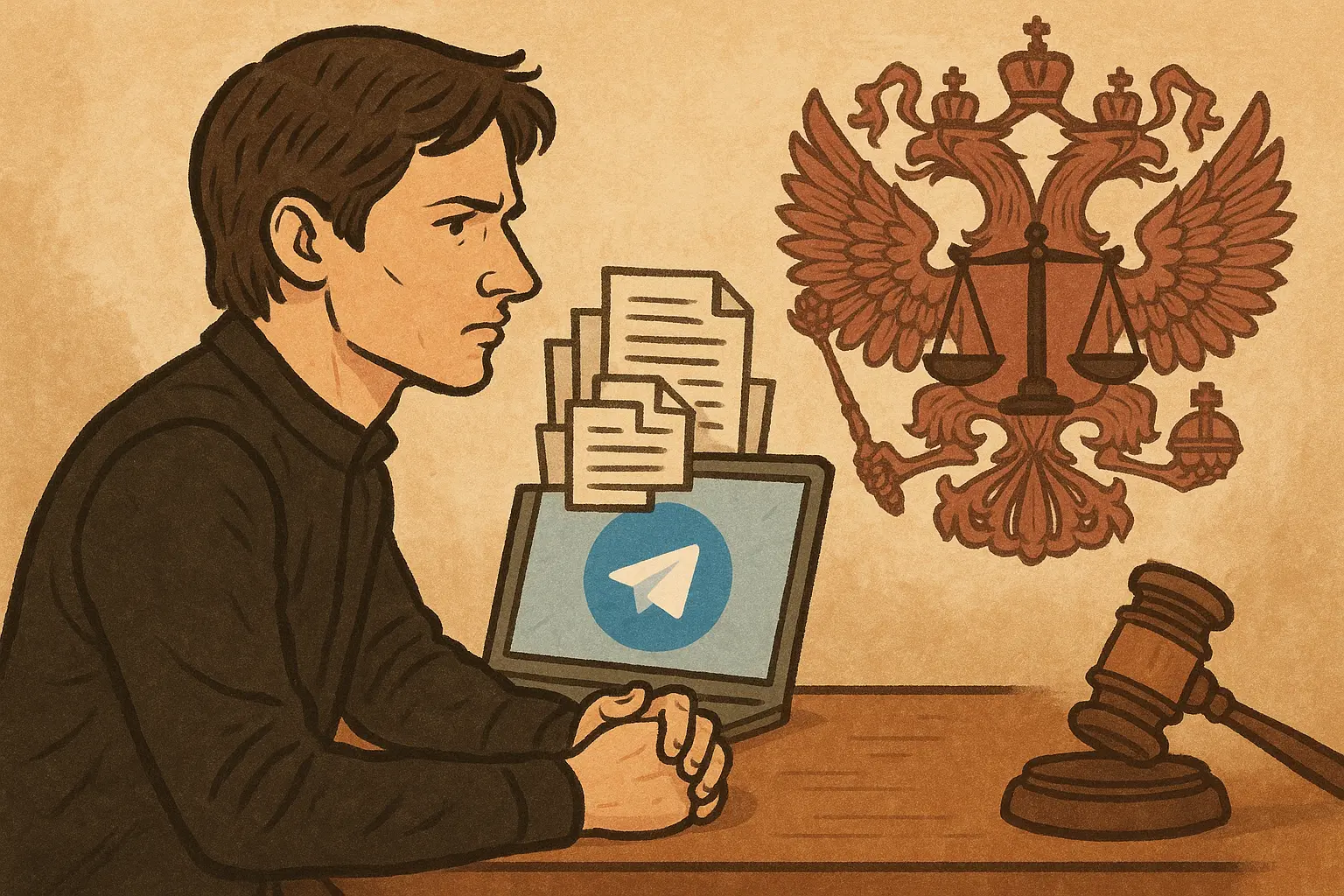
Russia’s Federal Security Service (FSB) has confirmed that it has launched a criminal investigation into Pavel Durov, co-founder and CEO of instant messaging platform Telegram, on charges of aiding terrorist activities. The direct trigger of this investigation was Telegram’s refusal to cooperate with Russia’s removal request, and the total number of violating channels, chat rooms, and bots that were not removed from the platform reached 155,000.
Background of the investigation: 155,000 violating channels became the fuse
Russia’s official newspaper Rossiya Gazeta reported, citing FSB sources, that Durov is currently under criminal investigation in Russia, and the case is characterized as “aiding terrorist activities.” Kremlin spokesman Dmitry Peskov confirmed the veracity of the report, stating that the source came from the FSB, stating that the latter “is fulfilling its duties.”
According to data cited by Russian state media Komsomol Pravda, the distribution of violating content that Telegram has not removed so far is as follows:
Distribution of violating channel categories that have not been removed
104,093 channels: Contains content that is considered to be false
10,598 channels: Labeled for promoting extremism
4,168 channels: Accused of justifying extremist activities
3,771 channels: Drug-related content
German Klimenko, a former cyber adviser to the Russian president, warned that if the investigation characterizes Telegram as an “extremist” platform, the payment of Telegram Premium subscription fees and platform advertising revenue may be criminalized, and the scope will go far beyond Durov personally.
Durov responded: accusing Russia of competing in the market by exchanging censorship for market
Durov publicly confirmed the criminal investigation on the X platform on Tuesday and pointed directly to the true motives of the Russian authorities. He wrote: “The authorities are making up new excuses every day to restrict Russians’ use of Telegram in an attempt to suppress privacy rights and freedom of expression. This is a sad scene of a country fearing its own people.”
Durov further pointed out that the purpose behind Russia’s pressure is to direct users to a state-backed instant messaging app called MAX, believing that regulatory actions are an extension of market competition rather than mere legal enforcement. He cited Iranian cases as evidence, pointing out that despite Iran’s long-term ban on Telegram, most Iranian users still choose to continue using the platform.
“Restricting civil liberties is never the right thing to do. Regardless of the pressure, Telegram stands up for freedom of expression and privacy rights,” Durov added.
Double legal pressure: Russian investigation superimposed on French criminal proceedings
The criminal investigation in Russia is not the only legal challenge Durov is currently facing. Since his arrest in France in August 2024, he has also been under judicial investigation in France on multiple charges, including aiding criminal activities, which could lead to up to 10 years in prison. French authorities lifted the travel ban on Durov in November 2025, but the investigation process is still ongoing.
The simultaneous legal pressure from Russia and France has kept Telegram’s platform management policy in the global regulatory spotlight, making Durov one of the most high-profile technology CEOs in multinational judicial agencies in recent years.
Frequently Asked Questions
Could Russia’s investigation into Telegram lead to a ban on the platform?
Klimenko, a former Russian cyber consultant, warned that if the overall characterization is an extremist platform, a complete ban could theoretically be triggered. However, Russia tried to ban Telegram in 2018 but failed, and withdrew the ban in 2020. Given Telegram’s large user base in Russia, a blanket ban faces significant challenges at the enforcement level.
Why did Telegram refuse to cooperate with Russia’s content removal request?
Telegram has always taken the protection of user privacy and freedom of speech as its core stance and adopts a limited cooperation policy on government censorship requests. Durov believes that indiscriminate obedience to deletion requests by governments would fundamentally change Telegram’s positioning as a private communication platform and set a precedent for other authoritarian governments.
What is the impact of the survey on the Telegram cryptocurrency ecosystem (TON)?
There is currently no official statement stating that the investigation directly affects the TON blockchain or Telegram’s cryptocurrency-related services. However, if Telegram’s legal status in Russia changes significantly, it may indirectly affect the operating environment of decentralized applications and payment infrastructure built on the Telegram ecosystem.
Related Articles
Paul Chan: The first stablecoin issuer licenses will be issued in March, and a draft of the digital asset policy ordinance will be submitted within the year.
The Trump administration is considering requiring banks to collect customer citizenship information.
Cryptocurrency ATM Regulation Upgrades: Bitcoin Depot Mandates Identity Verification for Each Transaction, US Anti-Fraud and KYC Compliance Tighten Across the Board
Putin personally signs new law! Authorizes Russian courts to confiscate Bitcoin and other cryptocurrencies "during investigations"
New Game in U.S. Cryptocurrency Taxation: Blockchain Association Proposes Tax Exemption for Stablecoins and Small Transactions, Warren Strongly Opposes
Russia's "Digital Currency and Digital Rights" bill to take effect starting July