


Sam Bankman-Fried Pardon Bid Rejected as White House Reaffirms Trump Will Not Pardon
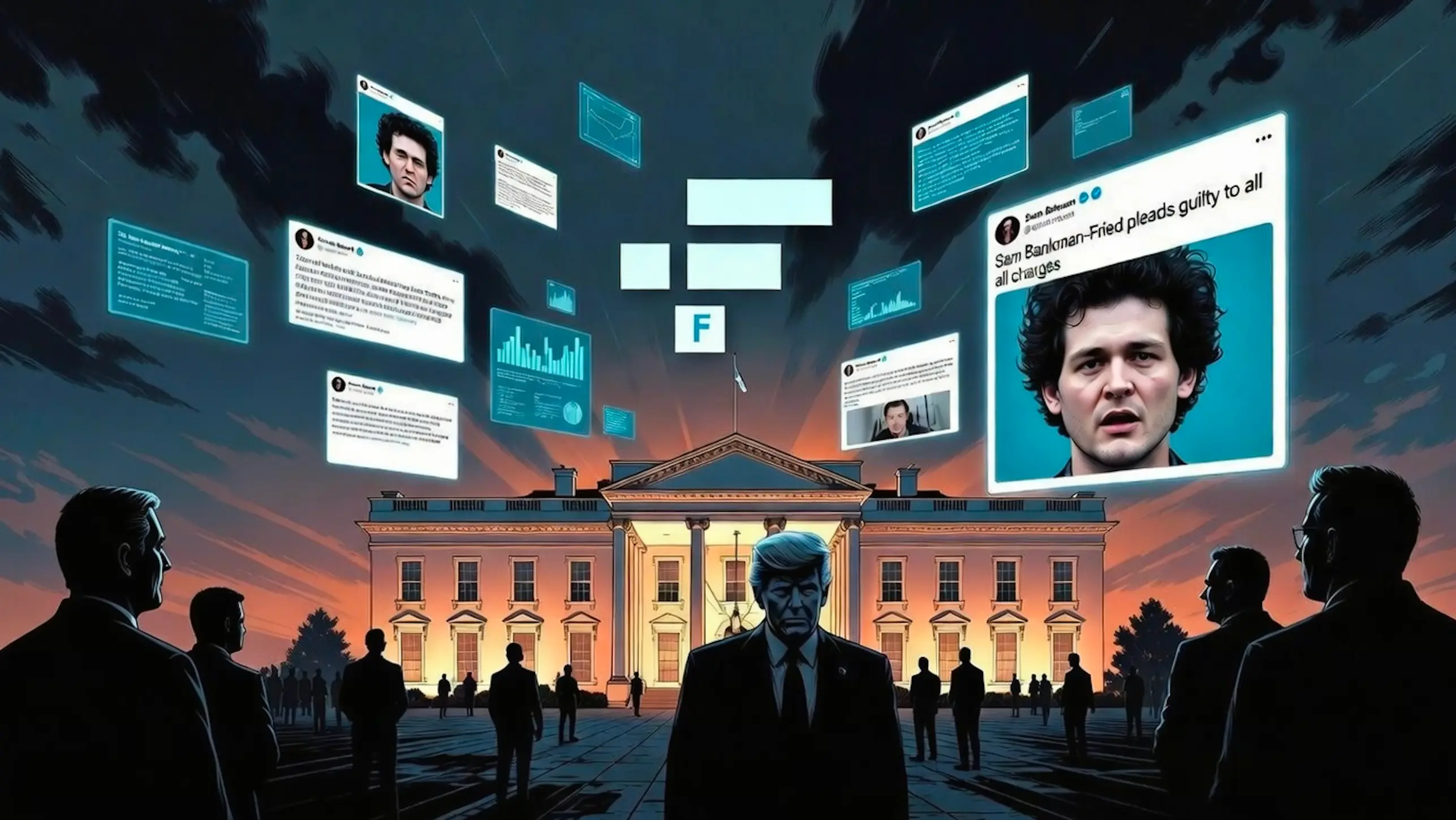
Convicted FTX founder Sam Bankman-Fried is currently serving a 25-year federal prison sentence for fraud and conspiracy while simultaneously pursuing two parallel legal strategies: a social media campaign seeking presidential clemency from President Donald Trump and a formal motion for a new trial filed in Manhattan federal court.
The White House has reiterated that President Trump has no intention of pardoning Bankman-Fried, citing the president’s January 2026 statements ruling out clemency for the former crypto executive alongside other prominent figures including former New Jersey Senator Robert Menendez and ousted Venezuelan president Nicolás Maduro.
The development places Bankman-Fried in contrast with other crypto industry figures who have received presidential pardons, including Binance founder Changpeng Zhao and Silk Road operator Ross Ulbricht, while highlighting the administration’s distinction between financial fraud cases and regulatory enforcement actions.
Social Media Strategy and Political Messaging
Bankman-Fried has adopted an increasingly conservative tone in posts published on X through a proxy, as he is restricted from direct internet access by the Bureau of Prisons. His recent communications criticize the judge who oversaw his trial, Judge Lewis Kaplan, as politically biased, while expressing admiration for President Trump’s approach to cryptocurrency regulation and criticism of the Biden administration’s selection of Gary Gensler as SEC Chair.
The posts assert that “FTX was always solvent” and frame the exchange’s November 2022 collapse as a liquidity crisis rather than a solvency issue, contradicting the findings of federal prosecutors who characterized the case as “likely the largest fraud in the last decade” with comparisons to Bernie Madoff’s Ponzi scheme. Bankman-Fried has not directly requested a pardon in his public statements.
White House Position on Clemency
A White House spokesperson, responding to inquiries regarding Bankman-Fried’s recent social media activity, referenced President Trump’s January 2026 interview with The New York Times in which the president explicitly stated he does not plan to pardon Bankman-Fried. The statement “The President is the ultimate decider on all pardons” was provided as the official position, with no indication that this stance might change.
This position persists despite Bankman-Fried’s attempts to cultivate favor through political realignment. The former FTX CEO was a significant donor to Democratic causes, contributing approximately $5.2 million to support Joe Biden’s 2020 presidential campaign against Trump. His efforts to adopt conservative messaging, including a 2025 unsanctioned appearance on Tucker Carlson’s program that reportedly resulted in solitary confinement, have not altered the administration’s position.
Legal Proceedings and Appeal Efforts
Separate from the pardon campaign, Bankman-Fried filed a pro se motion for a new trial on February 5, 2026, which was docketed in Manhattan federal court on February 10. The motion, submitted by Bankman-Fried’s mother, retired Stanford Law Professor Barbara Fried, argues that new witnesses—specifically former FTX executives Daniel Chapsky and Ryan Salame—can refute prosecution claims regarding fraud against exchange customers.
Bankman-Fried’s filing also seeks reassignment to a different judge, alleging that Judge Kaplan demonstrated “clear bias” during the original proceedings. This motion operates alongside a formal appeal of the 2023 conviction currently under consideration by a three-judge appellate panel, which heard arguments in November 2025. Legal observers note that new trial motions face substantial legal hurdles following conviction.
Contrast With Other Crypto Pardons
President Trump has granted clemency to multiple cryptocurrency industry figures since taking office in January 2025. In addition to pardoning Changpeng Zhao in October 2025—who had served a four-month sentence for Bank Secrecy Act violations—Trump extended clemency to former BitMEX CEO Arthur Hayes and his co-founders, as well as issuing a full and unconditional pardon to Silk Road founder Ross Ulbricht in January 2025.
These pardons addressed individuals convicted of regulatory violations or crimes associated with the early cryptocurrency era, distinguishing them from Bankman-Fried’s fraud conviction involving customer fund misappropriation. Prosecutors in the FTX case alleged Bankman-Fried orchestrated the theft of billions in customer deposits to fund venture investments, political contributions, and luxury real estate acquisitions.
Market Context and Prediction Markets
Crypto prediction platform Polymarket数据显示 traders currently assign approximately 17 percent probability to Trump pardoning Bankman-Fried before 2027, reflecting market skepticism about clemency prospects despite ongoing social media activity. The broader cryptocurrency market has maintained stability around $3.2 trillion in total capitalization amid the ongoing legal proceedings.
Frequently Asked Questions
Is President Trump planning to pardon Sam Bankman-Fried?
No. The White House has reaffirmed President Trump’s January 2026 statement ruling out a pardon for Bankman-Fried, despite his recent social media campaign expressing support for Trump and criticizing Democrats.
What legal actions is Sam Bankman-Fried currently pursuing?
Bankman-Fried has filed a pro se motion for a new trial in Manhattan federal court, arguing that new witnesses can refute fraud allegations, while simultaneously pursuing a formal appeal of his 2023 conviction before a three-judge panel.
Why have other crypto figures received pardons while Bankman-Fried has not?
President Trump has pardoned individuals convicted of regulatory violations, including Changpeng Zhao and Arthur Hayes, as well as Silk Road operator Ross Ulbricht. Bankman-Fried’s conviction involves customer fund misappropriation characterized by prosecutors as large-scale fraud, and his status as a significant donor to President Trump’s 2020 opponent has limited his appeal to the administration.