


Tokenized U.S. Treasury bonds increase 50 times in two years, with a market cap surpassing $10.8 billion, reaching a new high
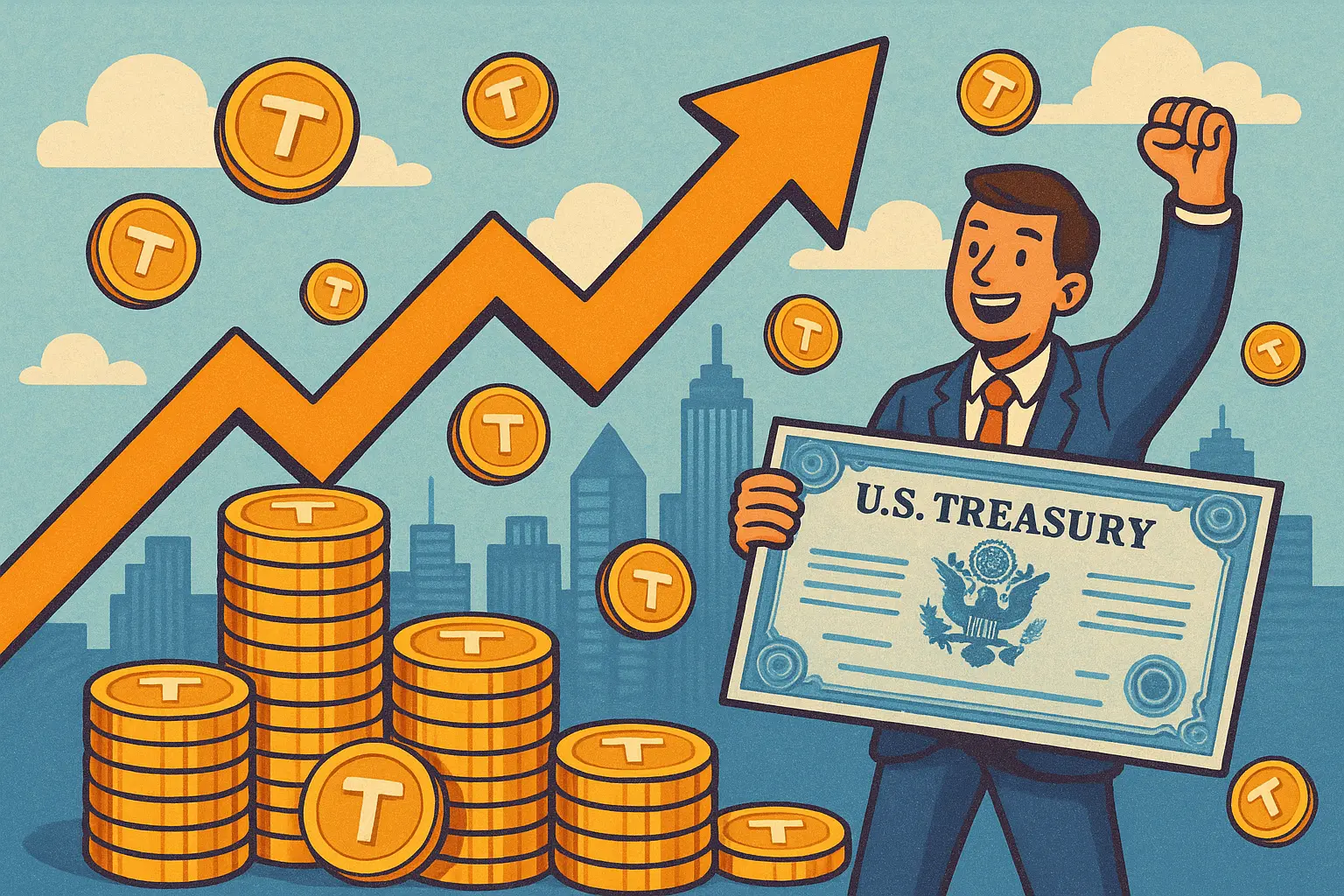
The market value of tokenized U.S. Treasuries has risen from $8.9 billion on January 1, 2026, to over $10.8 billion, an increase of more than $1 billion year-to-date. Data from Token Terminal shows that since 2024, the tokenized U.S. debt market has grown over 50 times, mainly benefiting from BlackRock’s launch of the USD Institutional Digital Liquidity Fund (BUIDL) in March 2024.
Growth Trajectory of Tokenized U.S. Treasuries: From $4 Billion to $10.8 Billion
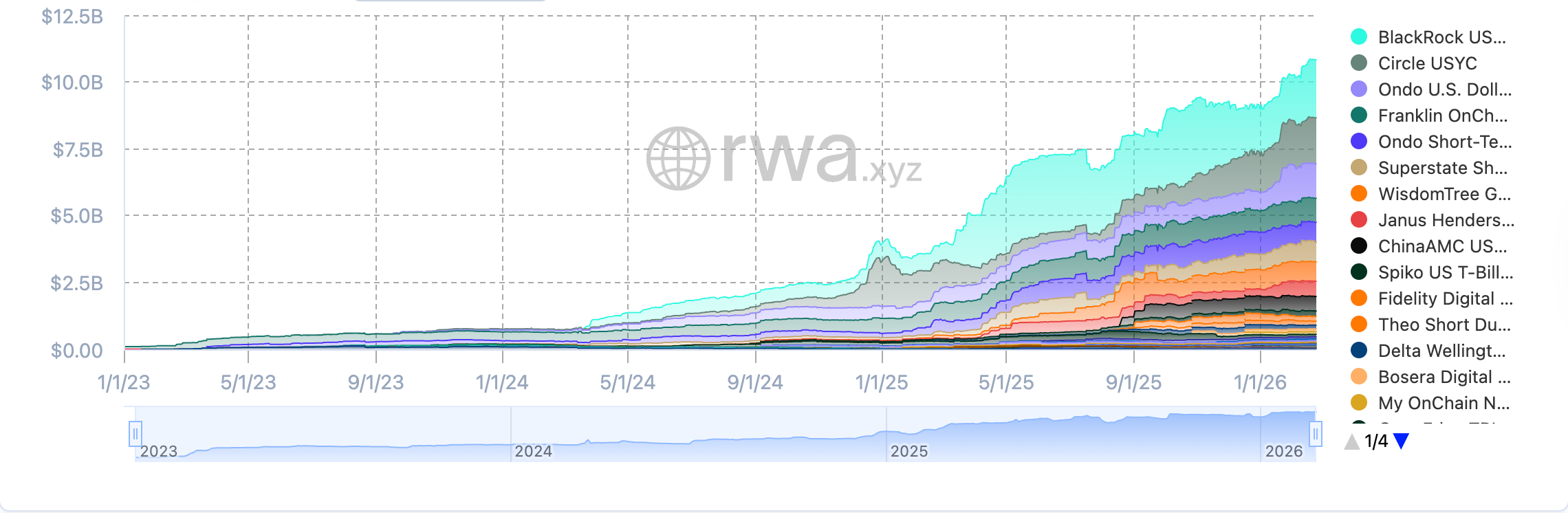
(Source: RWA.xyz)
The expansion of the tokenized U.S. Treasuries market has far exceeded expectations. In early 2025, the total market cap was less than $4 billion; by early 2026, it surpassed $10.8 billion, achieving a 50-fold explosive growth within two years.
This growth is especially remarkable against the backdrop of the overall crypto market downturn. Since October 2025, the cryptocurrency market has experienced a broad correction, with Bitcoin dropping over 40% from its all-time high, yet the market cap of tokenized U.S. Treasuries continued to reach new highs, demonstrating a growth logic that is fundamentally different from the broader crypto market.
Key Factors Driving the Growth of Tokenized U.S. Treasuries
BlackRock BUIDL Fund as a Demonstration Effect: The entry of the world’s largest asset manager established an institutional-grade compliance framework, providing a reference model for subsequent participants. Currently, BUIDL’s market cap exceeds $1.2 billion.
Short-term Treasuries as Institutional Cash Alternatives: Short-term U.S. Treasuries under one year are regarded as “near-cash” in global capital markets. Tokenization enables companies and institutions to directly allocate and transfer these assets on-chain.
On-Chain Revenue Demand from Crypto-native Institutions: The stable yields of government bonds combined with blockchain’s 24/7 liquidity offer an efficiency advantage for on-chain fund management that traditional cash management cannot match.
Blockchain Revenue Outlook: The surge in tokenized U.S. Treasuries generates ongoing transaction fee income for the public blockchain networks that mint these assets, actively encouraging multiple chains to develop RWA (Real-World Asset) tracks.
DTCC Official Entry: The Largest Clearing House Accelerates Tokenization Strategy
In December 2025, DTCC announced plans to launch asset tokenization services, with U.S. Treasuries as the first targeted asset class. DTCC is the world’s largest clearinghouse, with transaction settlements totaling $3.7 quadrillion in 2024. Its involvement fundamentally changes the credibility and scale expectations of the tokenization market.
Frank La Salla, CEO of DTCC, stated that after tokenizing U.S. Treasuries on the Canton network, ETF and stock tokenization will follow. La Salla confirmed that DTCC’s ultimate goal is to expand tokenization services to a “broad” range of asset classes.
This strategic decision by DTCC signifies a shift of core clearing infrastructure in traditional finance from a “spectator” role to an active builder of the tokenized market, providing critical trust backing for large-scale institutional entry into the RWA sector.
Frequently Asked Questions
How is tokenized U.S. Treasuries different from holding regular U.S. Treasuries?
Tokenized Treasuries are represented as blockchain tokens of traditional U.S. government debt, allowing holders to transfer, use as collateral, or integrate into DeFi protocols 24/7. Traditional U.S. Treasuries settle within limited hours and cannot operate directly on-chain. The tokenized version retains the creditworthiness of the underlying asset while adding blockchain’s liquidity and programmability features.
Why is BlackRock’s BUIDL Fund so important to the tokenized U.S. Treasuries market?
BUIDL is BlackRock’s tokenized USD institutional liquidity fund, launched in March 2024. Its debut marked a key turning point for explosive growth in the tokenized RWA market. BUIDL’s participation brought over $1.2 billion in actual capital and, more importantly, established an institutional-grade regulatory compliance framework, alleviating many institutional investors’ concerns and triggering subsequent institutional follow-on.
What does DTCC’s entry into the tokenization space mean for ordinary crypto investors?
DTCC’s involvement signifies that the core infrastructure of the global financial market recognizes the long-term viability of tokenization. For the crypto market, DTCC’s participation could accelerate the flow of institutional funds into regulated tokenized channels, especially supporting the fundamentals of public blockchains (like Ethereum, Canton network, etc.) that carry RWA tokenization businesses.
Related Articles
MoonPay launches the PYUSDx framework, supporting the issuance of brand-stablecoins based on PayPal PYUSD
Analyst: Block's shift to AI strategy could benefit Square's business the most
Solana More Decentralized Than Ethereum, Founder Says - U.Today
Gensler Allegedly Admits He Was Wrong About Ripple - U.Today
IOTA Launches Sustainability Page Highlighting Energy Efficiency and MiCA Metrics
El Salvador Finalizes Bitcoin Diploma 2.0 Educational Program