



#SaylorReleasesBitcoinTrackerUpdate
Global crypto markets are being shaped in the first quarter of 2026 not only by price movements but also by a new narrative driven by institutional strategies. At the heart of this narrative is Michael J. Saylor. Saylor's latest Bitcoin Tracker update represents much more than just a technical data release: it's a signaling mechanism that monitors the pulse of the market, and often even determines its direction.
These updated "tracker" data shared by Saylor reveal that Strategy Inc.'s Bitcoin accumulation strategy continues unabated. As of March 2026, the company's reserves have exceeded 761,000 BTC, reaching a value of approximately $52 billion. This magnitude is not just a company balance sheet; it also signifies a significant portion of the Bitcoin supply being concentrated in institutional hands.
However, the real significance of this update lies not in the numbers themselves, but in its timing. Because an examination of Saylor's past communication patterns shows that such tracker releases often signal new purchases. Indeed, recent statements and data releases indicate that a new wave of buying is imminent.
The scale of this strategy has reached remarkable proportions. Since the beginning of 2026, the company has deployed billions of dollars in capital for purchases of tens of thousands of BTC, pursuing an aggressive accumulation policy overall. Unlike the classic "buy the dip" strategy, this approach is based on continuous accumulation regardless of price levels. In Saylor's own words, this is an approach of "buying the asset, not the time."
However, this aggressive strategy also brings significant risks. The company's average cost remains above current market prices, creating billions of dollars in unrealized loss pressure on the balance sheet. This effectively transforms Strategy into a leveraged investment vehicle against the Bitcoin price. While this structure generates large gains when the market rises, it also raises discussions about systemic risks in downturn scenarios.
On the other hand, Saylor's long-term vision extends far beyond short-term fluctuations. Among the company's goals is a plan to reach 1 million BTC by the end of 2026. This goal is not only an institutional investment strategy but also presents an ambitious thesis on Bitcoin's role in the global financial system.
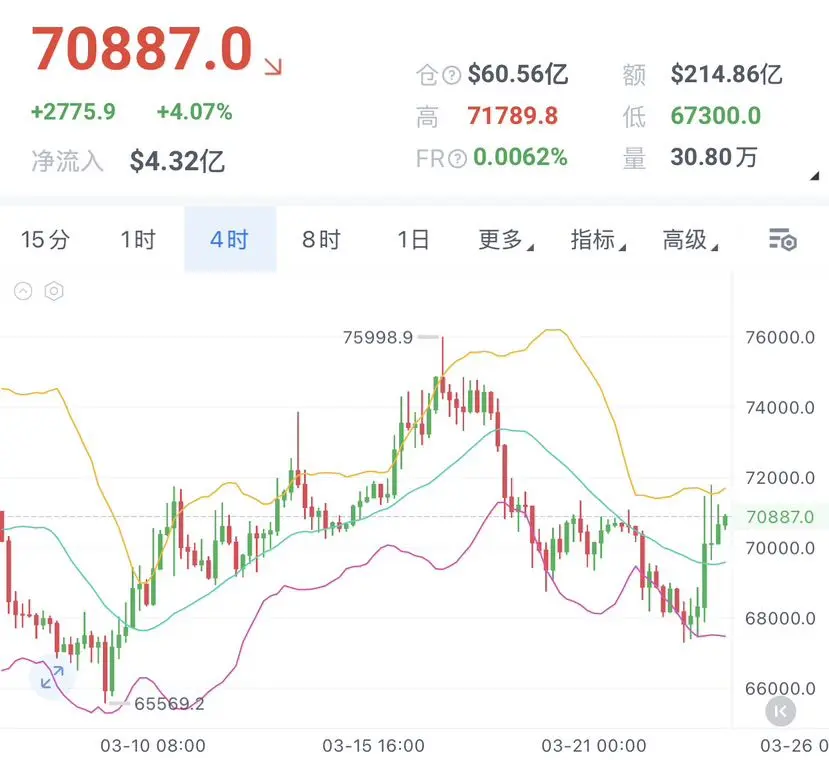
From a market perspective, these tracker updates are no longer just data points. Each update serves as a potential "preliminary signal" for investors. Therefore, every step Saylor takes has a direct or indirect impact on the Bitcoin price. The concentration of institutional demand on this scale has become a critical element reshaping the market's supply-demand balance.
In conclusion, Saylor's Bitcoin Tracker update is not just a portfolio report; it's a manifesto of the institutional crypto era. This development shows that Bitcoin has transformed into a new financial instrument, shaped not only by individual investors but also by corporate balance sheets and strategic reserve policies.
And perhaps the real question is: Is the future of Bitcoin now determined by the market, or by a few large players taking positions on this scale?
Global crypto markets are being shaped in the first quarter of 2026 not only by price movements but also by a new narrative driven by institutional strategies. At the heart of this narrative is Michael J. Saylor. Saylor's latest Bitcoin Tracker update represents much more than just a technical data release: it's a signaling mechanism that monitors the pulse of the market, and often even determines its direction.
These updated "tracker" data shared by Saylor reveal that Strategy Inc.'s Bitcoin accumulation strategy continues unabated. As of March 2026, the company's reserves have exceeded 761,000 BTC, reaching a value of approximately $52 billion. This magnitude is not just a company balance sheet; it also signifies a significant portion of the Bitcoin supply being concentrated in institutional hands.
However, the real significance of this update lies not in the numbers themselves, but in its timing. Because an examination of Saylor's past communication patterns shows that such tracker releases often signal new purchases. Indeed, recent statements and data releases indicate that a new wave of buying is imminent.
The scale of this strategy has reached remarkable proportions. Since the beginning of 2026, the company has deployed billions of dollars in capital for purchases of tens of thousands of BTC, pursuing an aggressive accumulation policy overall. Unlike the classic "buy the dip" strategy, this approach is based on continuous accumulation regardless of price levels. In Saylor's own words, this is an approach of "buying the asset, not the time."
However, this aggressive strategy also brings significant risks. The company's average cost remains above current market prices, creating billions of dollars in unrealized loss pressure on the balance sheet. This effectively transforms Strategy into a leveraged investment vehicle against the Bitcoin price. While this structure generates large gains when the market rises, it also raises discussions about systemic risks in downturn scenarios.
On the other hand, Saylor's long-term vision extends far beyond short-term fluctuations. Among the company's goals is a plan to reach 1 million BTC by the end of 2026. This goal is not only an institutional investment strategy but also presents an ambitious thesis on Bitcoin's role in the global financial system.
From a market perspective, these tracker updates are no longer just data points. Each update serves as a potential "preliminary signal" for investors. Therefore, every step Saylor takes has a direct or indirect impact on the Bitcoin price. The concentration of institutional demand on this scale has become a critical element reshaping the market's supply-demand balance.
In conclusion, Saylor's Bitcoin Tracker update is not just a portfolio report; it's a manifesto of the institutional crypto era. This development shows that Bitcoin has transformed into a new financial instrument, shaped not only by individual investors but also by corporate balance sheets and strategic reserve policies.
And perhaps the real question is: Is the future of Bitcoin now determined by the market, or by a few large players taking positions on this scale?