Cryptocurrency for Beginners: Which Coin Should You Invest In
How to Prepare for Your First Cryptocurrency Purchase: 5 Essential Tips
Before you begin investing in cryptocurrencies, it’s crucial to prepare carefully and understand the core principles of digital assets. Here are five key recommendations for first-time investors:
1. Master the basics of cryptocurrency and blockchain. Start by grasping blockchain technology—the foundation of the digital asset market. Blockchain is a distributed database that stores information as a chain of blocks. Learn where Bitcoin came from, how the first cryptocurrency operates, what mining involves, and how halving events drive cyclical market movements. This knowledge will help you navigate the crypto landscape and make sound investment decisions.
2. Prioritize top market cap assets. Investing in cryptocurrencies with high market capitalization helps minimize the risk of loss. Established crypto projects have built active communities, earned investor trust, and secured top positions in market cap rankings. While popular cryptocurrencies may offer lower returns than sudden breakout coins, this approach provides greater security and protects your investments from scams.
3. Always conduct thorough due diligence before investing. The crypto industry attracts both legitimate developers and bad actors. The best defense against scams is knowledge and critical analysis. Dive deep into each project: read the whitepaper, verify the development team, review the roadmap, assess community engagement, and form your own independent view. Avoid relying solely on promotional materials or social media advice.
4. Be patient and don’t panic. Cryptocurrency is a relatively new financial asset class with high volatility. Unlike traditional assets, Bitcoin and other tokens can surge or drop in seconds. However, data shows that the crypto industry rewards patience and long-term vision. Short-term price swings shouldn’t dictate your investment strategy if you believe in the project’s long-term potential.
5. Invest only what you can afford to lose, and diversify your portfolio. This golden rule applies to all investments, especially cryptocurrency. Diversification allows your portfolio to maintain positive momentum even if one asset declines sharply. Allocate funds across several promising projects; never put all your capital into a single cryptocurrency.
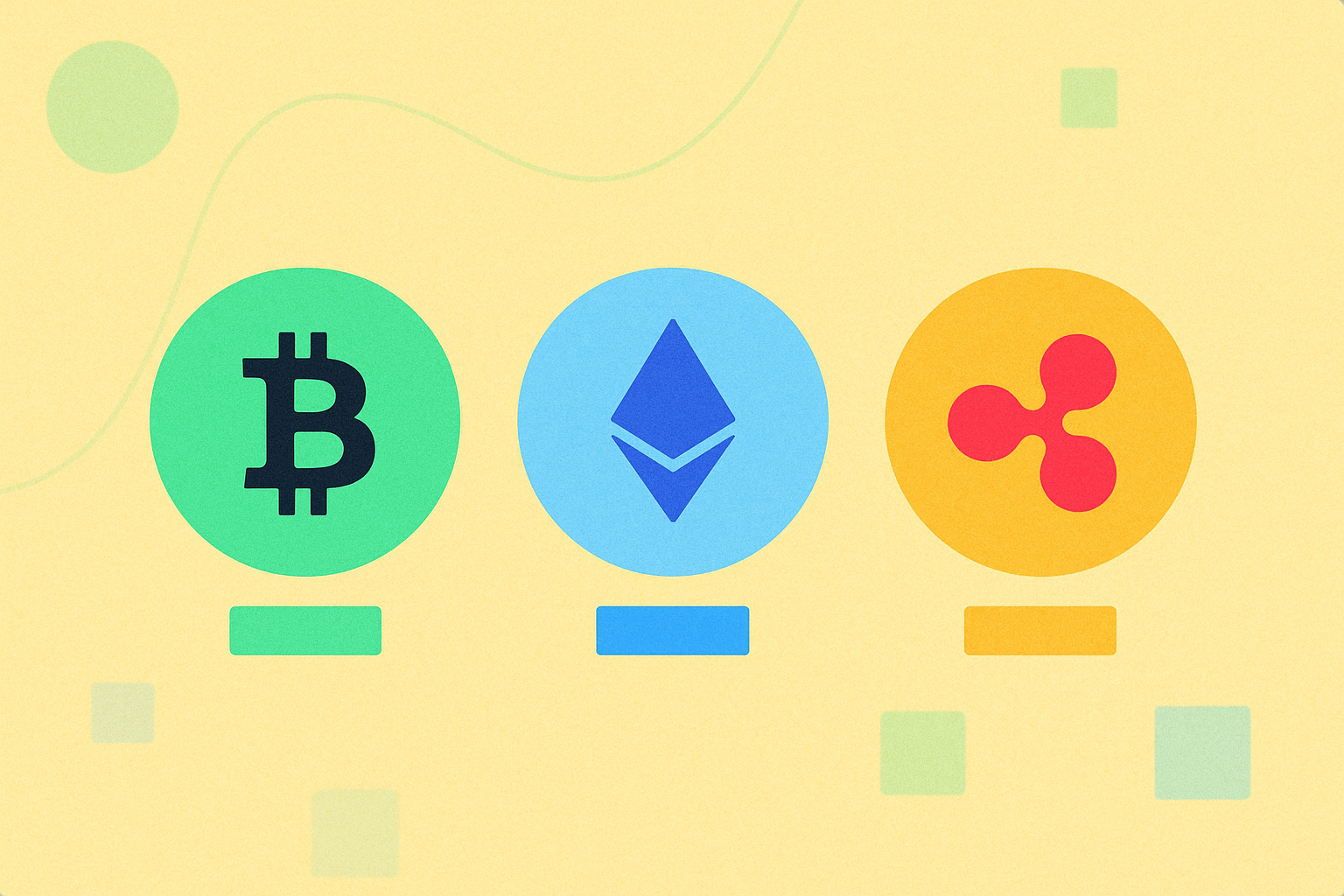
Bitcoin (BTC): The First and Most Trusted Cryptocurrency
Launch Year: 2009
Bitcoin pioneered the cryptocurrency market and remains the most respected digital asset. Over more than a decade, Bitcoin has proven its effectiveness, resilience to various pressures, and ability to recover from market crises.
Why Choose BTC for Investment
-
Pioneer and market leader status. Bitcoin is the first, most respected, and most widely used cryptocurrency worldwide. Its track record demonstrates resilience to regulatory pressure, competition, and market turmoil. Bitcoin sets the standard for the entire crypto industry.
-
Regulatory clarity. US regulators have no significant objections to BTC’s legal status, making it one of the safest cryptocurrencies from a compliance standpoint. This is especially important for newcomers who want to avoid legal risk.
-
Institutional acceptance. The recent launch of spot Bitcoin ETFs in the US marked a historic milestone for crypto. These products attract institutional investors whose capital supports BTC’s growth and strengthens the overall digital asset market.
-
Halving mechanism. Every four years, the Bitcoin network experiences a halving—a reduction in block mining rewards by half. Historically, this event has triggered significant price surges and new all-time highs for Bitcoin, creating predictable growth cycles.
Ethereum (ETH): A Platform for Decentralized Applications
Launch Year: 2015
Ethereum is more than a cryptocurrency—it’s a platform for building decentralized applications and smart contracts, making ETH a uniquely versatile asset.
Why Choose ETH for Investment
-
Consistent market ranking. Ethereum has maintained the second spot in market capitalization for many years, trailing only Bitcoin. This consistency reflects strong investor confidence and project stability.
-
Ongoing technical innovation. Significant upgrades are expected for Ethereum in the coming years, aiming to enhance network efficiency, speed, and scalability. Active protocol development increases ETH’s long-term value proposition.
-
Eco-friendly and energy efficient. Since September 2022, Ethereum has operated on the Proof-of-Stake consensus mechanism, a sustainable alternative to Bitcoin’s energy-intensive Proof-of-Work. This makes Ethereum attractive to environmentally minded investors.
-
Anticipated spot ETH ETFs. The crypto community awaits regulatory approval of spot ETH ETFs. Launching these products could drive substantial growth in ETH and attract more institutional capital.
Ripple (XRP): Cryptocurrency for Global Transfers
Launch Year: 2012
Ripple and its native token XRP focus on solving cross-border banking transfer challenges, offering a fast and low-cost alternative to legacy systems.
Why Choose XRP for Investment
-
Regulatory resolution. Many market participants expect XRP to rally following a possible settlement of the long-standing dispute between Ripple and the US Securities and Exchange Commission (SEC). Resolving this issue could eliminate major uncertainty.
-
Legal victory. Ripple recently secured a court ruling confirming that private sales of XRP do not violate US securities law—a critical legal win that bolsters the project’s standing.
-
IPO plans. After resolving SEC litigation, Ripple plans to pursue an initial public offering (IPO). This event could draw increased attention to both the company and its cryptocurrency.
-
Growth prospects. The potential conclusion of the SEC dispute, paired with the IPO, could positively impact XRP’s price and attract new investors looking for undervalued assets with high growth potential.
FAQ
What is cryptocurrency and what basic knowledge should beginners have?
Cryptocurrency is a digital currency built on blockchain technology with no central authority. Beginners should understand decentralization, how blockchains work, and how to keep assets secure when storing funds and making transactions.
Which cryptocurrencies are relatively safe and suitable for beginners?
Bitcoin and Ethereum are the safest choices for beginners. Their high market capitalization and liquidity help mitigate risks compared to alternative coins.
How do you select a cryptocurrency for your investments?
Set investment goals and assess your risk tolerance. Conservative investors opt for Bitcoin and Ethereum due to their large market cap and relative stability. Evaluate trading volume and project technology before committing funds.
What are the main risks of cryptocurrency investing and how can beginners avoid them?
Main risks include price volatility, wallet security, and fraud. Protect yourself by verifying official addresses, never sharing private keys, enabling two-factor authentication, using secure wallets, and starting with small investments.
What are secure methods for buying and storing cryptocurrency?
Choose reputable platforms with two-factor authentication. For substantial holdings, use hardware wallets (such as Ledger or Trezor). Keep recovery phrases in a safe place. Separate assets between a hot wallet for trading and a cold wallet for long-term storage.
What’s the difference between Bitcoin, Ethereum, and other major cryptocurrencies?
Bitcoin is a store of value, often called digital gold. Ethereum is designed for smart contracts and decentralized apps. Other major coins focus on areas such as payments, scalability, or specialized features—each plays a distinct role in the ecosystem.
How much should a beginner invest in cryptocurrency?
New investors should allocate no more than 5% of their total portfolio to crypto. Only use funds you’re willing to lose entirely. Start small to build experience.
What are the long-term prospects of investing in cryptocurrency?
Cryptocurrency offers substantial long-term growth potential. Historical trends reveal cycles of bull and bear markets. Techniques like DCA and HODL help reduce volatility. Expanding real-world adoption and growing global use point to sustained growth. Patience and a long-term strategy deliver the best investment outcomes.
Share
Content
How to Buy Cryptocurrency


Trending Cryptocurrencies



Bitcoin Fear and Greed Index: Market Sentiment Analysis for 2025
Hedera Hashgraph (HBAR): Founders, Technology, and Price Outlook to 2030
Cardano (ADA) Price Prediction 2025 & 2030 – Is ADA Set to Soar?

2025 SUI coin: price, buying guide, and Staking rewards
Cardano (ADA): A History, Tech Overview, and Price Outlook

Jasmy Coin: A Japanese Crypto Tale of Ambition, Hype, and Hope

What is ALPACA: A Comprehensive Guide to the Innovative Language Model and Its Applications in Modern AI
2026 PYM Price Prediction: Expert Analysis and Market Forecast for Polymarket's Native Token

Is KTON (KTON) a good investment?: A Comprehensive Analysis of Price Potential, Market Trends, and Risk Factors for 2024
What Is Dollar-Cost Averaging?

2026 DYP Price Prediction: Expert Analysis and Market Forecast for the Digital Asset