Everything You Need to Know About the Ethereum ERC-20 Token Standard
What Is ERC-20?
ERC-20, or Ethereum Request for Comments 20, is a technical standard that defines the rules for creating tokens on the Ethereum blockchain. The number 20 refers to the specific protocol improvement proposal.
The token standard outlines the essential rules, functions, and methods for creating and managing tokens within the Ethereum ecosystem. This unified rule set ensures that tokens are compatible with various wallets, exchanges, and decentralized services. Any token built to the ERC-20 standard can be seamlessly integrated into existing infrastructure without custom development.
ERC-20 tokens are implemented as smart contracts—the digital counterparts of traditional contracts—where developers establish the operational rules for tokens. These smart contracts automatically execute the programmed conditions, ensuring transparent and secure token transactions.
Who Created the ERC-20 Standard?
The ERC-20 standard was proposed in 2015 by developer Fabian Vogelsteller and Ethereum co-founder Vitalik Buterin. The proposal was published as Ethereum Improvement Proposal (EIP) number 20, which is reflected in the standard's name.
The Ethereum community adopted the standard, and it was officially ratified in 2017. Since then, ERC-20 has become the dominant standard for token creation on Ethereum, thanks to its straightforward implementation and broad utility.
Over time, ERC-20 has proven its effectiveness and serves as the foundation for thousands of tokens, powering projects ranging from stablecoins to decentralized application tokens.
ERC-20 Standard: Pros and Cons
The main advantage of the ERC-20 standard is its versatility and strong support across the Ethereum ecosystem. Tokens built to this standard are easily exchanged and integrated with services including decentralized exchanges, lending protocols, and staking platforms—providing high liquidity and user convenience.
Another key benefit is the relative ease of token creation. Developers can use the Solidity programming language, along with templates and libraries, to create new tokens. This significantly lowers the entry barrier for new projects and streamlines development.
The standard also offers robust security, supported by time-tested mechanisms and thorough community audits. Many vulnerabilities have been identified and addressed over the years.
However, the standard has some limitations. ERC-20 does not support complex scenarios, such as automatic notifications to recipients of incoming transfers or managing multiple asset types within a single contract. These limitations led to the creation of more advanced standards like ERC-777 and ERC-1155.
Additionally, ERC-20 tokens inherit the constraints of the Ethereum network—including relatively high transaction fees during network congestion and reliance on mainnet block processing speed.
Where to Store ERC-20 Tokens
ERC-20 tokens can be stored in different types of cryptocurrency wallets, each with its own features and security level.
Exchange wallets are convenient for active trading but require trust in the platform since private keys are stored by the exchange. Mobile wallets, such as Trust Wallet or MetaMask, strike a balance between convenience and security by letting users control their private keys.
Hardware (cold) wallets like Ledger and Trezor provide maximum security, keeping private keys offline. These are ideal for long-term storage of significant assets.
Before selecting a wallet, confirm that it supports the ERC-20 standard and the specific token you plan to store. It's also recommended to use open-source wallets with a strong reputation in the community.
Most Popular ERC-20 Tokens
There are now thousands of ERC-20 tokens in the market, spanning a wide range of segments within the crypto industry. Among them, the most capitalized is the stablecoin Tether (USDT), which is widely used for trading and value storage.
ERC-20 tokens are broadly adopted across the crypto market. In decentralized finance (DeFi), they serve as governance tokens for protocols such as UNI (Uniswap), AAVE (Aave), and MKR (MakerDAO), giving holders voting rights for protocol management.
Stablecoins like USDC (USD Coin) and DAI provide price stability and are used for payments and storing funds. Utility tokens such as LINK (Chainlink) and BAT (Basic Attention Token) grant access to specific services and features within their respective ecosystems.
Many ERC-20 tokens are also utilized in games, NFT projects, and reward systems, demonstrating the standard's broad flexibility and utility.
ERC-20’s Role in the ICO Boom
The ERC-20 standard played a pivotal role in the ICO (Initial Coin Offering) boom of 2017–2018. During this period, many startups used ERC-20 to create and sell tokens to investors, raising billions of dollars in capital.
ERC-20’s simplicity enabled project teams to launch ICOs quickly without building proprietary blockchains. Investors received project tokens in exchange for Ethereum or other cryptocurrencies, expecting future appreciation in value.
The widespread ICO activity led to the proliferation of fraudulent projects and low-quality tokens, ultimately prompting stricter regulation from government authorities. Nonetheless, the ICO era highlighted the potential of the ERC-20 standard for capital formation and asset tokenization.
Today, the market is more mature, with regulated fundraising mechanisms such as IEO (Initial Exchange Offering) and IDO (Initial DEX Offering) replacing ICOs. However, ERC-20 remains the foundation for new token creation.
Conclusion
ERC-20 is a cornerstone of the Ethereum ecosystem and the wider crypto industry. It provides standardization and interoperability for tokens, delivering a unified infrastructure for creation, exchange, and usage.
Its simplicity and versatility have made ERC-20 the bedrock of decentralized finance (DeFi), enabling a connected ecosystem of protocols and services. Thousands of projects rely on this standard to issue their tokens, underscoring its reliability and effectiveness.
While new alternatives like ERC-777, ERC-1155, and standards from other blockchains have emerged, ERC-20 remains one of the most widely used standards for token creation. Its proven architecture and vast ecosystem ensure ongoing relevance.
Looking ahead, ERC-20 will continue to evolve with the Ethereum ecosystem, adapting to market demands and technological advances. The move to Proof-of-Stake and adoption of Layer 2 scaling solutions will make ERC-20 token usage even more accessible and efficient.
FAQ
What is ERC-20? What role does it play in Ethereum?
ERC-20 is a standard for creating fungible tokens on the Ethereum network. It sets the rules and functions that allow tokens to integrate seamlessly with wallets, decentralized applications, and other services. ERC-20 is widely used for utility tokens, stablecoins, and other digital assets.
How do you create and deploy an ERC-20 token?
Write a smart contract using Solidity and the ERC-20 standard. Test your code on a testnet. Deploy the contract on Ethereum using tools like Truffle or Hardhat. Once deployed, your token is ready for use.
What is the difference between ERC-20 tokens and other standards (ERC-721, ERC-1155)?
ERC-20 is the standard for fungible tokens (currencies, assets). ERC-721 supports unique NFTs (art, collectibles). ERC-1155 is a universal standard that handles both token types simultaneously.
What security risks do ERC-20 tokens face? How can you store and trade them securely?
ERC-20 tokens are vulnerable to smart contract exploits and scams. Use cold wallets for secure storage. When trading, verify platform reputations and contract audits. Avoid malicious tokens and unauthorized projects.
What are the main functions and characteristics of ERC-20 tokens?
ERC-20 tokens are standard tokens on the Ethereum blockchain, offering seamless integration and compatibility. They support fund transfers, balance tracking, and broad interoperability among applications. Common uses include financing, governance, and decentralized finance.
What are some well-known ERC-20 tokens?
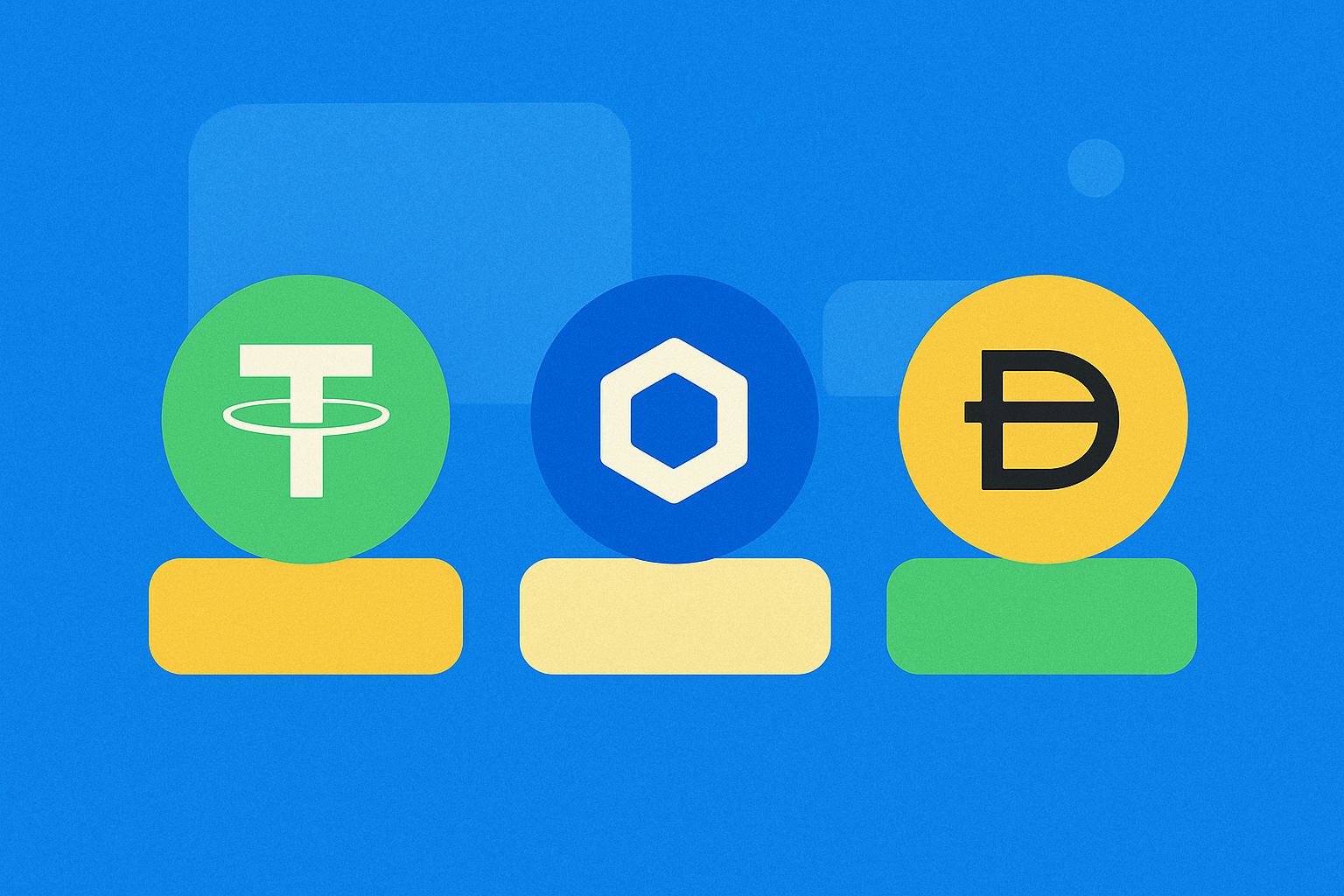
Notable ERC-20 tokens include USDT (Tether), LINK (Chainlink), and DAI. These are widely used throughout the Ethereum ecosystem for stablecoins and decentralized finance.
Share
Content
How to Buy Cryptocurrency


Trending Cryptocurrencies



How to Mine Ethereum in 2025: A Complete Guide for Beginners

Ethereum 2.0 in 2025: Staking, Scalability, and Environmental Impact

What is Ethereum: A 2025 Guide for Crypto Enthusiasts and Investors

How does Ethereum's blockchain technology work?
What are smart contracts and how do they work on Ethereum?

Ethereum Price Analysis: 2025 Market Trends and Web3 Impact
What is KAR: A Comprehensive Guide to Knowledge-Assisted Retrieval Systems

What is FOR: A Comprehensive Guide to Understanding Its Purpose and Applications

2026 RECT Price Prediction: Expert Analysis and Market Outlook for Rectified Token's Future Value

2026 PDEX Price Prediction: Expert Analysis and Market Forecast for Polkadex Token's Future Value

7 Leading NFT Artists to Watch