What is the Metaverse? The Virtual World of the Future and Its Core Technologies

What is the Metaverse?
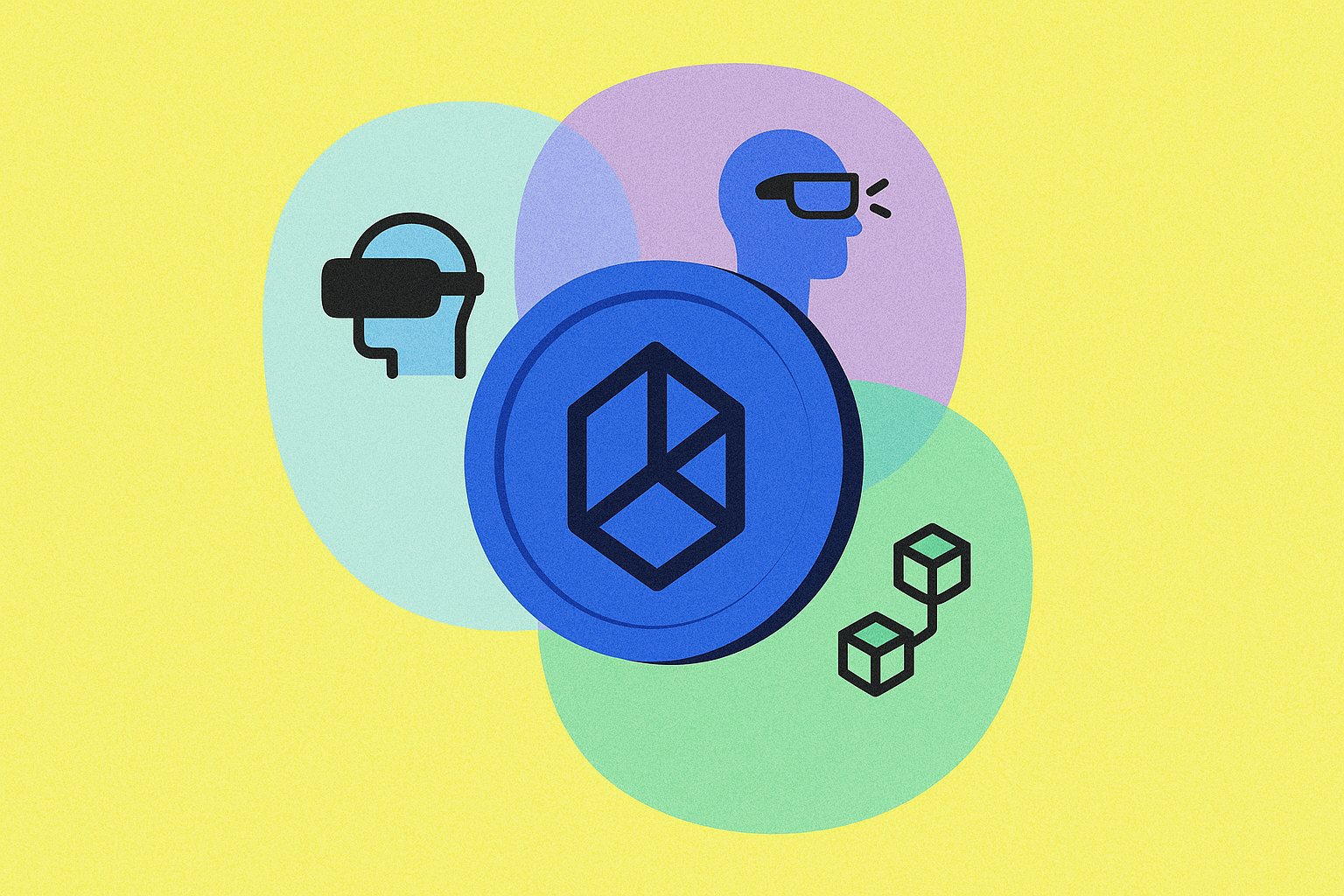
The Metaverse represents a digital virtual world that combines Virtual Reality (VR) and Augmented Reality (AR) technologies. It creates an immersive environment where people from the real world can establish digital identities and "live" within this virtual space, interacting with virtual objects and environments they create themselves.
The term "Metaverse" was first introduced by Neal Stephenson in his 1992 science fiction novel "Snow Crash," referring to a digital reality that exists parallel to our physical world. The concept envisions the Metaverse as an expansion of our current reality, transcending physical limitations and creating new possibilities for human interaction and experience.
In recent years, the Metaverse has evolved from a science fiction concept into a tangible reality, driven by advances in blockchain technology, virtual reality hardware, and decentralized networks. This evolution has created unprecedented opportunities for digital ownership, virtual economies, and immersive social experiences that blur the lines between physical and digital existence.
Core Components of the Metaverse
The Metaverse ecosystem is built upon several fundamental components that work together to create a seamless virtual experience:
-
Interoperability Features: The platform integrates with various web services and real-world activities, allowing users to seamlessly transition between different virtual environments and physical experiences. This interconnectedness enables cross-platform functionality and data portability.
-
3D Graphics and Digital Avatars: Advanced three-dimensional graphics render realistic virtual environments, while customizable human avatars allow users to express their identity and personality in the virtual space. These avatars can be tailored to reflect individual preferences and can interact naturally with the virtual environment.
-
Goal-Oriented Interactions: Unlike traditional video games that focus primarily on competition, the Metaverse emphasizes collaborative and purposeful interactions. Users engage in meaningful activities such as creating content, building communities, attending virtual events, and conducting business transactions.
-
User-Generated Content: Participants have the power to create and modify their own virtual objects, environments, and experiences. This democratization of content creation fosters innovation and allows for diverse virtual landscapes that reflect the creativity of the community.
-
Economic Integration: Virtual assets within the Metaverse can be linked to broader economic systems, enabling users to generate real income from their virtual creations and activities. This economic layer transforms the Metaverse from mere entertainment into a viable platform for commerce and entrepreneurship.
-
VR Hardware Optimization: The platform is designed to work seamlessly with virtual reality headsets and other immersive devices, providing users with an enhanced sensory experience that makes virtual interactions feel more natural and engaging.
The IQ Protocol
The IQ Protocol represents a groundbreaking innovation in the decentralized finance (DeFi) space. It is the first risk-free, collateral-free DeFi protocol that introduces a subscription-based model to the decentralized economy. This revolutionary approach eliminates traditional barriers to entry and creates new opportunities for asset utilization.
The protocol enables users to rent or stake digital assets in a secure environment without the typical risks associated with DeFi lending. Through the IQ Protocol, users can borrow, lend, and earn returns from on-chain digital assets, including Non-Fungible Tokens (NFTs), in a manner that protects both lenders and borrowers from potential losses.
By implementing smart contract technology, the IQ Protocol ensures transparency and security in all transactions. The protocol's architecture is designed to support various use cases, from gaming assets to digital collectibles, making it a versatile solution for the growing Metaverse economy.
Advantages of Using the IQ Protocol
The IQ Protocol offers numerous benefits that distinguish it from traditional DeFi platforms:
-
Lifetime Utility Tokens: Platforms can offer Lifetime Value (LTV) tokens that provide users with perpetual access to services as long as they hold the tokens. This model creates long-term value and encourages sustained engagement with the platform.
-
Transparent Transaction Records: All transactions are recorded on the blockchain using secure, immutable smart contracts. This transparency ensures accountability and allows users to verify the integrity of every transaction independently.
-
Flexible Business Models: The protocol supports highly customizable programs that can be tailored to specific business needs and user preferences. This flexibility enables diverse applications across different industries and use cases.
-
Diverse Payment Options: Users can choose from multiple payment methods, including both fiat currencies and various cryptocurrencies. This flexibility reduces barriers to entry and accommodates users with different preferences and resources.
-
Yield Generation: Token holders can earn passive income by staking their tokens within the protocol. These returns provide an additional incentive for long-term participation and help build a stable, engaged community.
What is the PRQ Token?
PARSIQ has developed specialized pools integrated with smart contracts that allow users to deposit PRQ tokens for others to borrow. This innovative system creates a liquid market for PRQ tokens while providing benefits to both lenders and borrowers.
PRQ Token Use Cases:
-
Staking: Investors can stake PRQ tokens through the IQ Protocol to earn annual percentage yields (APY). This staking mechanism provides passive income opportunities while supporting the protocol's liquidity and stability.
-
On-Chain Membership Proof: PRQ tokens serve as proof of HODL status for on-chain members, unlocking access to premium features and services on the PARSIQ platform. This creates a tiered membership system that rewards long-term holders.
-
Collateral-Free Expirable Token Lending: Users can borrow Power Tokens through the IQ Protocol without providing collateral. These tokens have a defined expiration date, eliminating the risk of permanent loss for lenders while providing borrowers with temporary access to platform features.
-
Risk-Free Lending: Token holders can lend their PRQ tokens to generate liquidity and earn returns without the typical risks associated with DeFi lending. The protocol's design ensures that lent tokens cannot be permanently lost or misappropriated.
How to Stake PRQ Tokens
Staking PRQ tokens is a straightforward process that can be completed in three simple steps:
Step 1: Acquire PRQ Tokens in Your Wallet
First, ensure you have PRQ tokens in your MetaMask wallet. You will need to hold PRQ tokens on a mainstream blockchain network. If you don't already have PRQ tokens, you can acquire them through various decentralized exchanges or cryptocurrency platforms that support the token.
Make sure your wallet is properly configured and that you have sufficient native tokens to cover transaction fees. It's important to verify that you're using the correct network to avoid any loss of funds.
Step 2: Connect Your Wallet to IQ.Space
Navigate to the IQ.Space platform at app.iq.space. Once there, you'll need to connect your MetaMask wallet to the platform. Click on the wallet connection button and approve the connection request in your MetaMask extension. Ensure that you're connected to the correct network before proceeding.
The platform will display your PRQ token balance once the connection is established. Take a moment to review the platform's interface and familiarize yourself with the staking options available.
Step 3: Stake Your PRQ Tokens
After successfully connecting your wallet, locate the "Stake" button on the platform interface. Enter the amount of PRQ tokens you wish to stake, keeping in mind that you should leave some tokens unstaked to cover future transaction fees.
Click the "Stake" button and carefully review the transaction details in the confirmation window. Verify the amount, the estimated gas fees, and the expected returns. Once you're satisfied, approve the transaction in your MetaMask wallet.
The staking process will be completed once the transaction is confirmed on the blockchain. You can monitor your staking rewards and manage your staked tokens directly through the IQ.Space platform dashboard.
The Future of the Metaverse
The Metaverse is still in its early stages of development, but its potential impact on society and the economy is already becoming apparent. Digital assets have become an integral part of this virtual ecosystem, with NFTs gaining rapid attention and adoption across various industries.
The decentralized finance (DeFi) sector is experiencing explosive growth, providing the financial infrastructure necessary to support complex virtual economies. This convergence of virtual worlds, digital ownership, and decentralized finance is creating unprecedented opportunities for innovation and value creation.
Looking ahead, the future of the Metaverse will likely require more advanced VR headsets and wearable devices that provide increasingly immersive experiences. As technology continues to evolve, we can expect to see the development of haptic feedback systems, neural interfaces, and other innovations that will make virtual experiences increasingly indistinguishable from physical reality.
The integration of artificial intelligence, machine learning, and advanced graphics rendering will further enhance the realism and functionality of virtual worlds. These technological advances, combined with growing user adoption and expanding economic opportunities, suggest that the Metaverse will play an increasingly important role in how we work, socialize, and conduct business in the coming years.
As the infrastructure matures and more users enter these virtual spaces, we may witness the emergence of entirely new industries, job categories, and social structures that exist primarily or exclusively within the Metaverse. This transformation represents not just a technological shift, but a fundamental reimagining of how humans interact with digital environments and with each other.
FAQ
What is the Metaverse? What are its core definition and characteristics?
The metaverse is an integrated virtual-physical fusion internet application integrating extended reality, digital twin, 3D rendering, cloud computing, AI, high-speed networks, and blockchain. Core characteristics include immersive experiences, real-time multi-dimensional interaction, user-generated content, and seamless integration of virtual and real economies, social systems, and identity systems.
What are the core technologies that the metaverse mainly relies on? What roles do VR, AR, and blockchain play respectively?
The metaverse relies on VR, AR, and blockchain as core technologies. VR and AR create immersive virtual experiences, while blockchain enables decentralized asset ownership and secure transactions within the metaverse ecosystem.
What is the difference between the Metaverse and Virtual Reality (VR)?
VR is an immersive virtual environment accessed through dedicated devices. The Metaverse is a broader virtual world integrating multiple technologies including VR, AR, blockchain, and AI, enabling persistent social and economic ecosystems. While VR is a component, the Metaverse encompasses a complete digital universe with interconnected experiences and applications.
How do virtual assets and NFTs operate in the metaverse?
Virtual assets and NFTs operate on blockchain technology, enabling true ownership and scarcity. NFTs represent digital ownership of unique virtual items like land, art, and collectibles. Users buy, sell, and trade these assets on decentralized platforms, creating a transparent, verifiable economy within immersive metaverse environments.
Currently, what are some well-known metaverse platforms and projects?
Prominent metaverse platforms include Meta's Horizon Worlds, Roblox, and Epic Games' Fortnite. Other significant projects are The Sandbox, Yuga Labs' Otherside, Decentraland, and Nvidia's Omniverse. These platforms leverage VR/AR technology and NFTs for immersive virtual experiences.
How do ordinary users enter and experience the metaverse?
Users can enter the metaverse by downloading VR devices or using WebXR browsers. Popular platforms like Roblox, Decentraland, and The Sandbox also provide accessible entry points. Start with a compatible device, create an account, and begin exploring virtual worlds and social experiences.
What are the application prospects of the metaverse in gaming, education, work and other fields?
The metaverse offers immense potential across gaming, education, and work sectors. It enables immersive learning experiences, virtual collaboration in workplaces, and enhanced gaming ecosystems. As technology matures, applications will expand to social governance and public services, transforming how people work, learn, and interact globally.
What are the risks and opportunities in investing in metaverse-related projects?
Opportunities include early-stage growth potential, gaming integration, and virtual real estate expansion. Risks involve market volatility, technology adoption uncertainty, and regulatory challenges. Success depends on project fundamentals and ecosystem development.
What privacy and security issues are involved in the Metaverse?
The Metaverse faces critical privacy and security challenges including data protection, identity theft prevention, fraud detection, and defending against cyberattacks. User data leaks and unauthorized access pose significant risks requiring robust encryption and security protocols.
How is the economic model of the Metaverse constructed?
The Metaverse economy is built on decentralized blockchain platforms that protect digital property rights and enable Web3.0 digital asset trading. Native tokens serve as currency, NFTs represent ownership, and user-generated content creates economic value through participation and trading.
Share
Content
How to Buy Cryptocurrency


Trending Cryptocurrencies



XRP Price Analysis 2025: Market Trends and Investment Outlook

Treasure NFT Marketplace: A 2025 Guide for Web3 Gamers and Investors

Mastering the Crypto Fear and Greed Index: 2025 Trading Strategies

What Is the Best Crypto ETF in 2025: Top Performers and Beginner's Guide

What is SwissCheese (SWCH) and How Does It Democratize Investment?

What Is the Best AI Crypto in 2025?
What is DFYN: A Comprehensive Guide to the Decentralized Finance Platform and Its Features

What is ORBS price volatility and why does it fluctuate with a 7.50% volatility rate?
What is token economics model: allocation, inflation, burning and governance explained
2026 SENSO Price Prediction: Expert Analysis and Market Forecast for the Coming Year
How do futures open interest, funding rates, and liquidation data signal derivatives market trends in 2026?