


MARA refutes the liquidation Bitcoin vault theory, maintaining the 53,822 BTC holding strategy unchanged
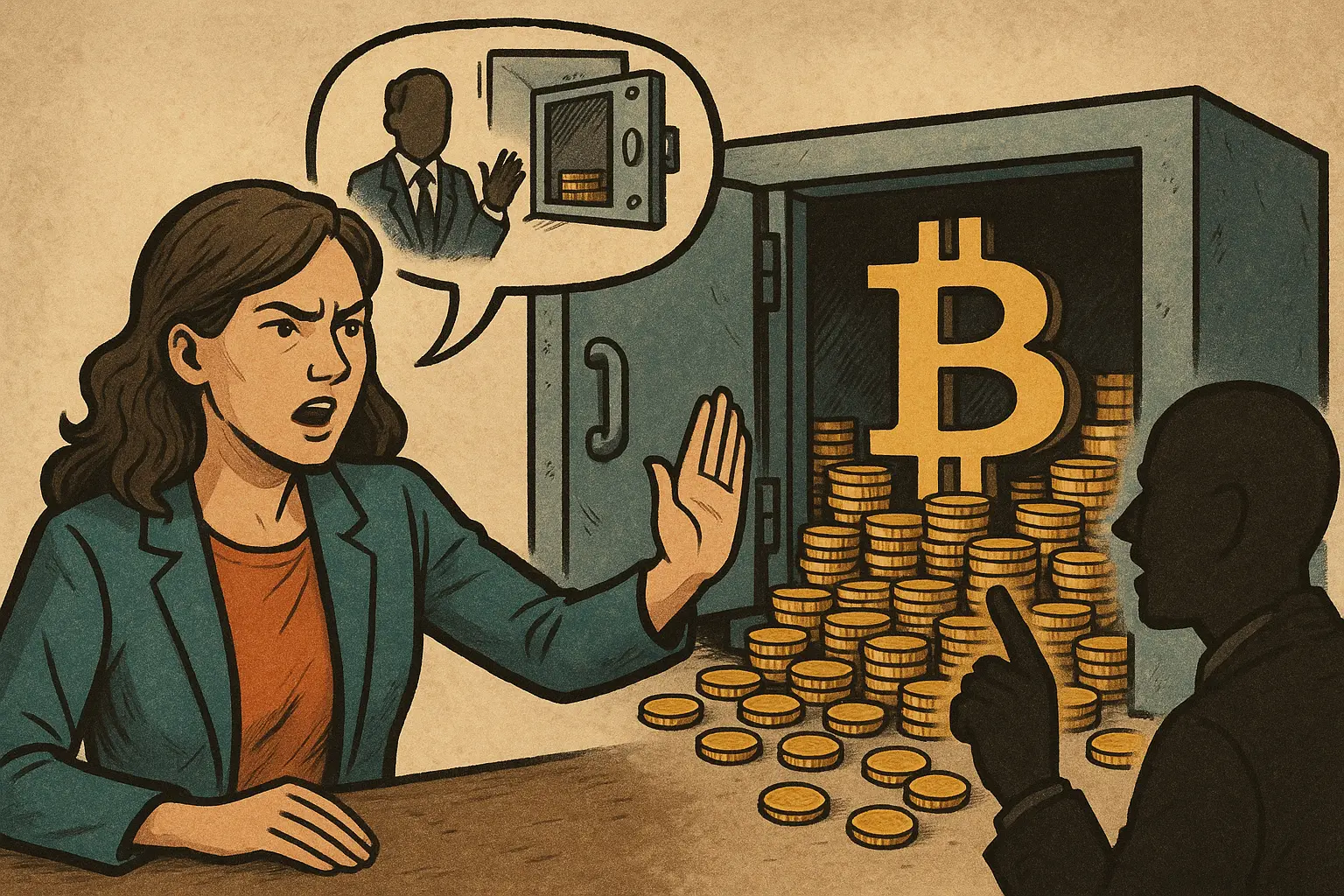
MARA Holdings Vice President of Investor Relations Robert Samuels recently posted on the X platform to counter SwanDesk advisor Jacob King’s claim, which was based on SEC filings, that “MARA has shifted to a Bitcoin reduction strategy.” He clarified that the provisions in the 2026 10-K report only authorize discretionary trading, not forced liquidation.
Origin of the Rumor and MARA’s Official Clarification
SwanDesk advisor Jacob King posted on X that MARA had shifted to a Bitcoin reduction strategy based on SEC documents. This claim spread rapidly, accumulating over 325,000 views by the time Samuels responded.
Samuels explicitly pointed out that King’s interpretation was fundamentally mistaken. He stated, “Our 2026 10-K report clearly states that we have expanded our strategic scope to include the sale of Bitcoin held on our balance sheet.” However, the core meaning of this clause is to conduct “discretionary trading” based on market conditions and capital allocation priorities, not to forcibly reduce Bitcoin holdings.
Samuels emphasized that the difference lies between “retaining the option” and “committing to significantly reducing Bitcoin holdings”: the former provides strategic flexibility, while the latter signals a clear intention to liquidate. MARA has long positioned itself as a long-term Bitcoin holder, and any signals that could be interpreted as a strategic shift are closely watched by investors. This is why King’s statement has been widely circulated.
MARA’s Current Holdings and Business Diversification
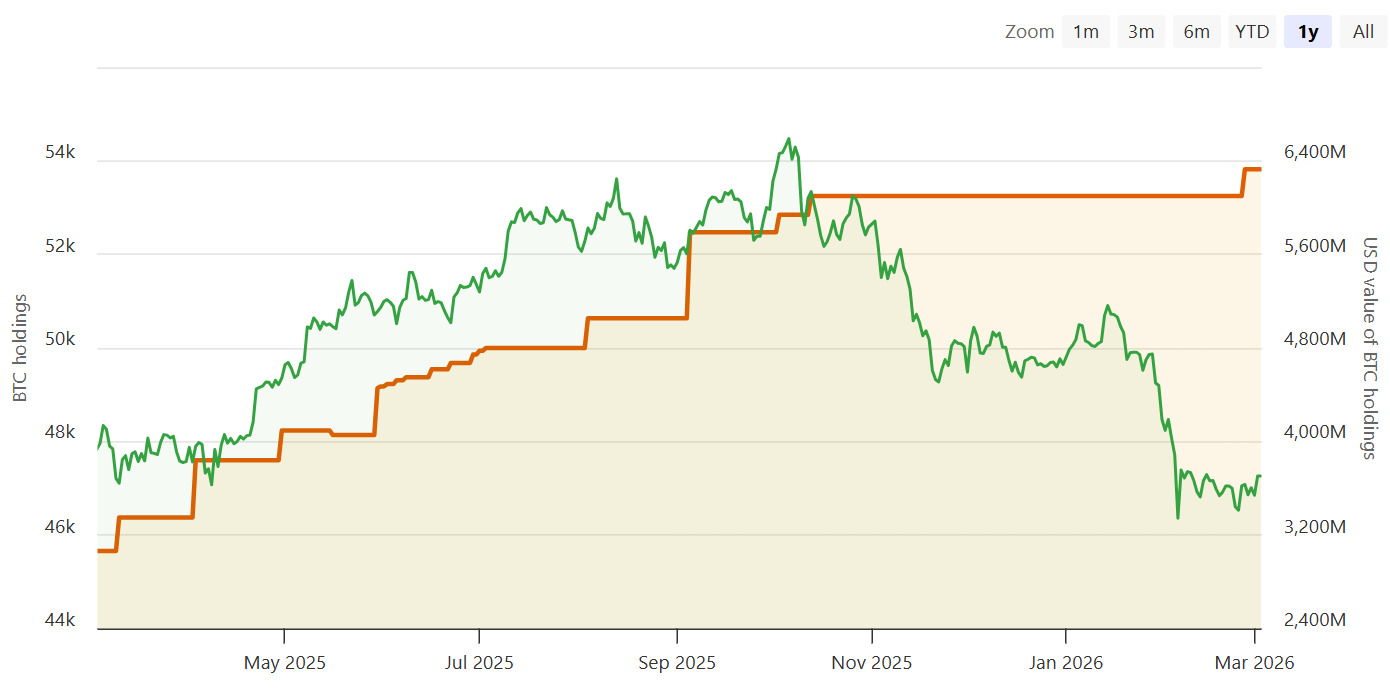
(Source: BitcoinTreasuries)
As of the latest disclosure, MARA holds 53,822 Bitcoins, valued at approximately $3.7 billion at current market prices, making it the largest publicly traded Bitcoin miner by Bitcoin holdings. Among all listed companies, only Michael Saylor’s Strategy has more Bitcoin, with over 720,000 to date.
Recently, MARA has been actively diversifying its business. Last month, it acquired a 64% stake in Exaion, a French high-performance computing and blockchain services company. Nonetheless, Bitcoin remains central on MARA’s balance sheet, and the company’s financial health continues to be highly correlated with Bitcoin prices.
Key Current Holdings and Business Data
- Bitcoin holdings: 53,822 BTC, approximately $3.7 billion
- Ranking among publicly traded miners: Largest publicly traded Bitcoin miner by Bitcoin holdings
- Global ranking among all listed companies: Second in Bitcoin holdings worldwide, after MicroStrategy (over 720,000)
- Recent acquisition: 64% stake in French high-performance computing and blockchain services company Exaion
- Core dispute over 10-K clause: “Allowing discretionary trading” does not equate to a forced liquidation strategy
Frequently Asked Questions
Q: What exactly does MARA’s 2026 10-K say, and why has it caused differing interpretations?
A: MARA’s 2026 10-K added a clause permitting the sale of Bitcoin on its balance sheet. The original intent was to give management flexibility to operate based on market conditions and capital needs. However, some observers have misinterpreted “permitting sales” as “planning large-scale liquidation,” confusing strategic flexibility with active selling intentions, which has fueled market rumors.
Q: Is MARA currently showing signs of selling Bitcoin?
A: According to Robert Samuels’s public clarification, MARA is not shifting to a systematic Bitcoin reduction strategy. Instead, it retains the option to sell Bitcoin discretionarily under certain market conditions. The company still holds 53,822 Bitcoins, maintaining its core position as a long-term Bitcoin holder.
Q: Does MARA’s acquisition of Exaion indicate it is reducing its dependence on Bitcoin?
A: MARA’s acquisition of Exaion demonstrates its intention to expand into high-performance computing and broader digital infrastructure. This move is more about business diversification than a strategic shift away from Bitcoin. Currently, Bitcoin remains central on MARA’s balance sheet, and the company’s financial performance remains highly correlated with Bitcoin prices.
Related Articles
The US-Iran conflict impacts South Korea's financial markets... Exchange rates and stock markets suffer heavy losses
Middle East conflict impacts Asian stock markets, Bitcoin holds at $67,000, Ethereum and Solana come under pressure and retreat
AI Agent Test: "Bitcoin, USD" Choose One, 36 Models Overwhelmingly Prefer BTC: More Stable and Reliable than Fiat Currency
Yesterday, US Bitcoin spot ETF saw a net inflow of $225 million, while Ethereum ETF experienced a net outflow of $10.8 million.