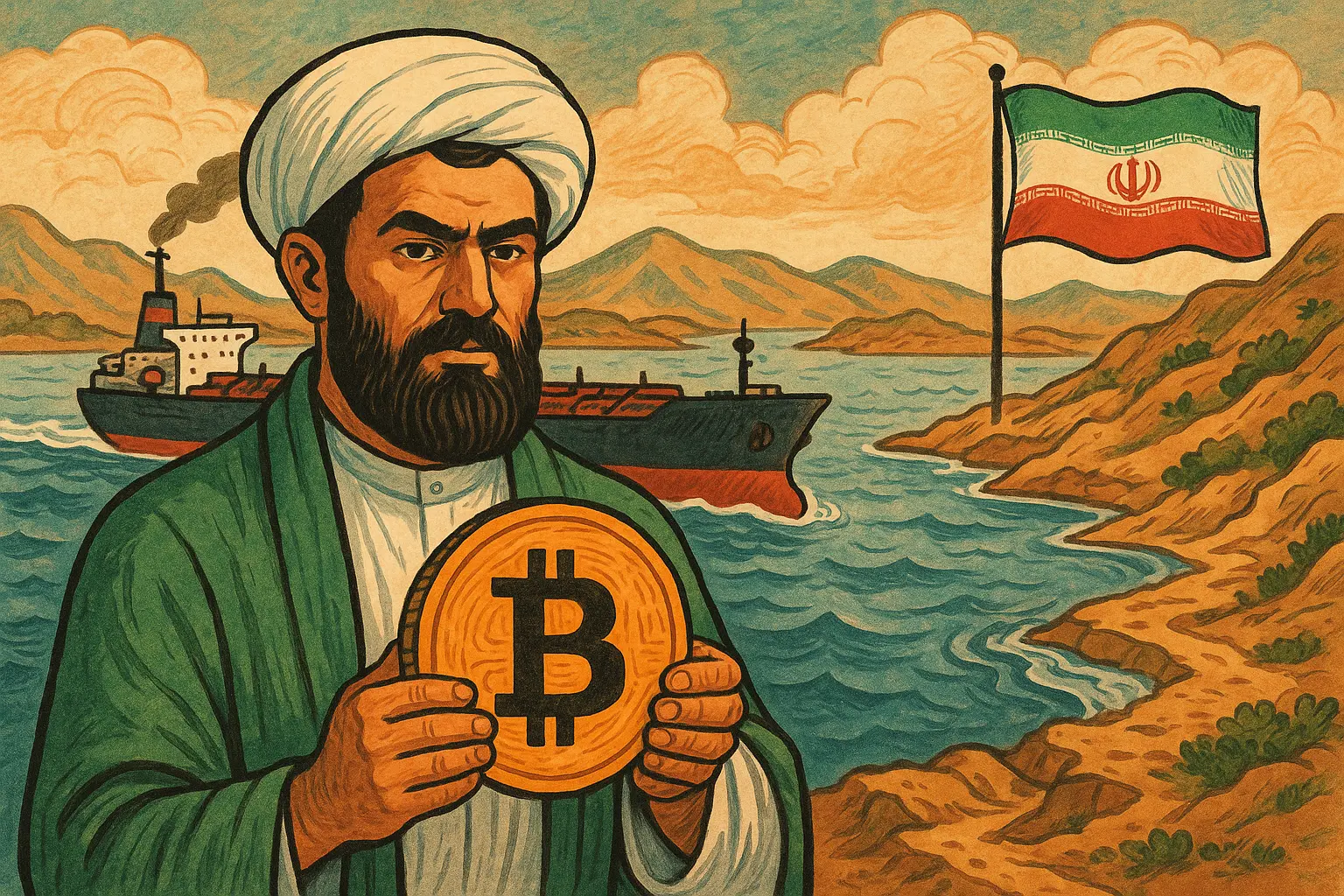
Crypto Briefing reported on May 18 that Iran has launched a digital maritime insurance platform “Hormuz Safe,” endorsed by Iran’s Ministry of Economic Affairs, to provide maritime insurance for vessels transiting the Persian Gulf and the Strait of Hormuz. Payments are settled in Bitcoin and other cryptocurrencies, bypassing the SWIFT network and Western financial intermediaries. Iranian government estimates suggest the platform could generate up to $10 billion in revenue.
Confirmed Technical Features of Hormuz Safe
Settlement Currencies: Bitcoin and other cryptocurrencies, not relying on the USD or SWIFT clearing systems
Settlement Mechanism: Real-time blockchain settlement
Certificate Format: Digital signature insured receipts
Coverage Scope: Maritime insurance for vessels in the Persian Gulf and the Strait of Hormuz
Business Logic: Strategic Leverage at Hormuz and Sanctions Evasion
Under normal circumstances, the Strait of Hormuz daily bears about one-fifth of global oil supply. Every vessel transiting between Iran and Oman is required to buy maritime insurance. Traditionally, it is underwritten by Western financial institutions and settled in U.S. dollars—institutions that exclude Iran.
By settling in Bitcoin, Hormuz Safe bypasses the USD-based financial system and operates a parallel insurance infrastructure without needing permission from any Western regulatory bodies. Insiders within the Iranian government estimate that if it can capture a significant share of the Persian Gulf shipping insurance market, it could generate up to $10 billion in revenue.
The Biggest Obstacle: Dual Risk of International Non-Recognition and Secondary Sanctions
International non-recognition issue: When ships holding insurance certificates issued by Iran’s state-backed platform arrive at ports such as Rotterdam or Singapore, the insurance may not be recognized by local regulators. Standard maritime insurance is typically underwritten by Western-recognized entities such as P&I clubs, within an established framework accepted by major ports and financing institutions worldwide.
Secondary sanctions risk: The United States has historically enforced strict actions against entities that help Iran evade sanctions. Any shipowners, trading companies, or port authorities with business dealings involving Hormuz Safe face the risk of secondary sanctions that could cut them off from the U.S. financial system.
Initial real customer base: According to reports, the initial customer base may be limited to vessels operating in sanction “gray zones,” state entities from countries facing less pressure from U.S. financial oversight, and operators that can manage the compliance risks of Persian Gulf trade.
Frequently Asked Questions
Why does Hormuz Safe choose Bitcoin instead of other payment methods?
Bitcoin’s decentralized nature naturally bypasses USD-based financial clearing systems (including SWIFT), meaning transactions do not require participation from Western financial institutions as intermediaries. Real-time blockchain settlement ensures that policy issuance and claim payouts do not need to rely on traditional financial infrastructure, aligning with Iran’s core goal of circumventing sanctions.
Why does Hormuz Safe’s international non-recognition issue pose a fundamental obstacle?
Standard maritime insurance is underwritten by Western-recognized entities such as P&I clubs and is accepted by major ports, financing institutions, and trading companies worldwide. Policies issued by Iran’s state-backed institutions fall outside these established international recognition frameworks, meaning vessels holding such policies may not be able to access Western ports properly or obtain international financing.
What is the connection between Hormuz Safe and the previously reported Bitcoin tolls?
Earlier, Iran’s Fars News Agency reported that cargo ships could pay “safe passage insurance fees” for transiting the Strait of Hormuz using Bitcoin. The launch of Hormuz Safe is Iran’s systematic extension of integrating Bitcoin into the commercial management of the Strait of Hormuz—expanding from toll settlements into a full maritime insurance system.


