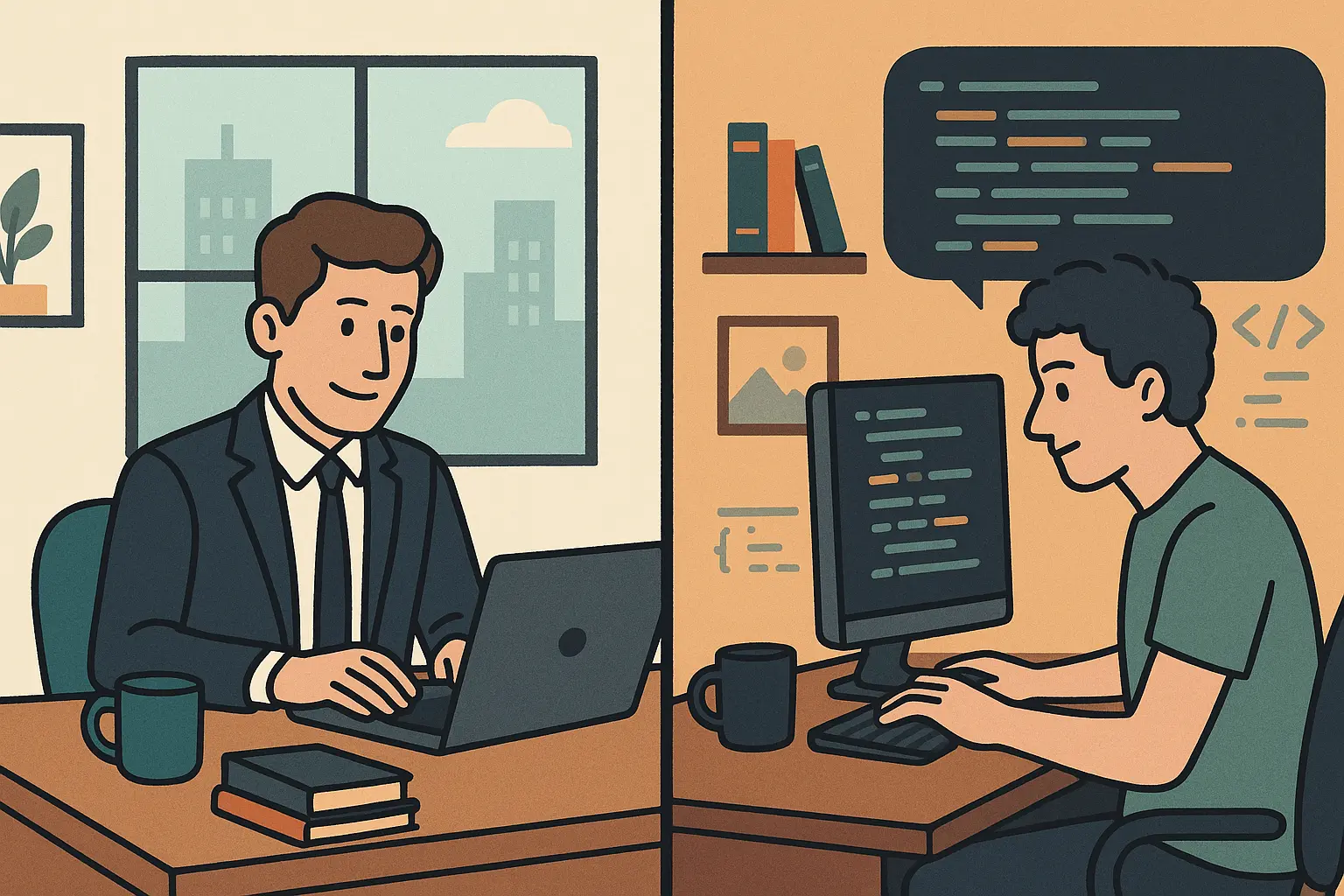
Screenshots and statements released on April 29 by OpenAI CEO Sam Altman on the X platform indicate that Codex is rolling out a new version of the onboarding interface. When users enter for the first time, they must choose between two modes: Excelmogging and Codemaxxing. Codex’s current weekly active users have already exceeded 4 million, and its use cases have expanded from code generation to non-technical applications.
Codex New Interface: Two-Mode Design
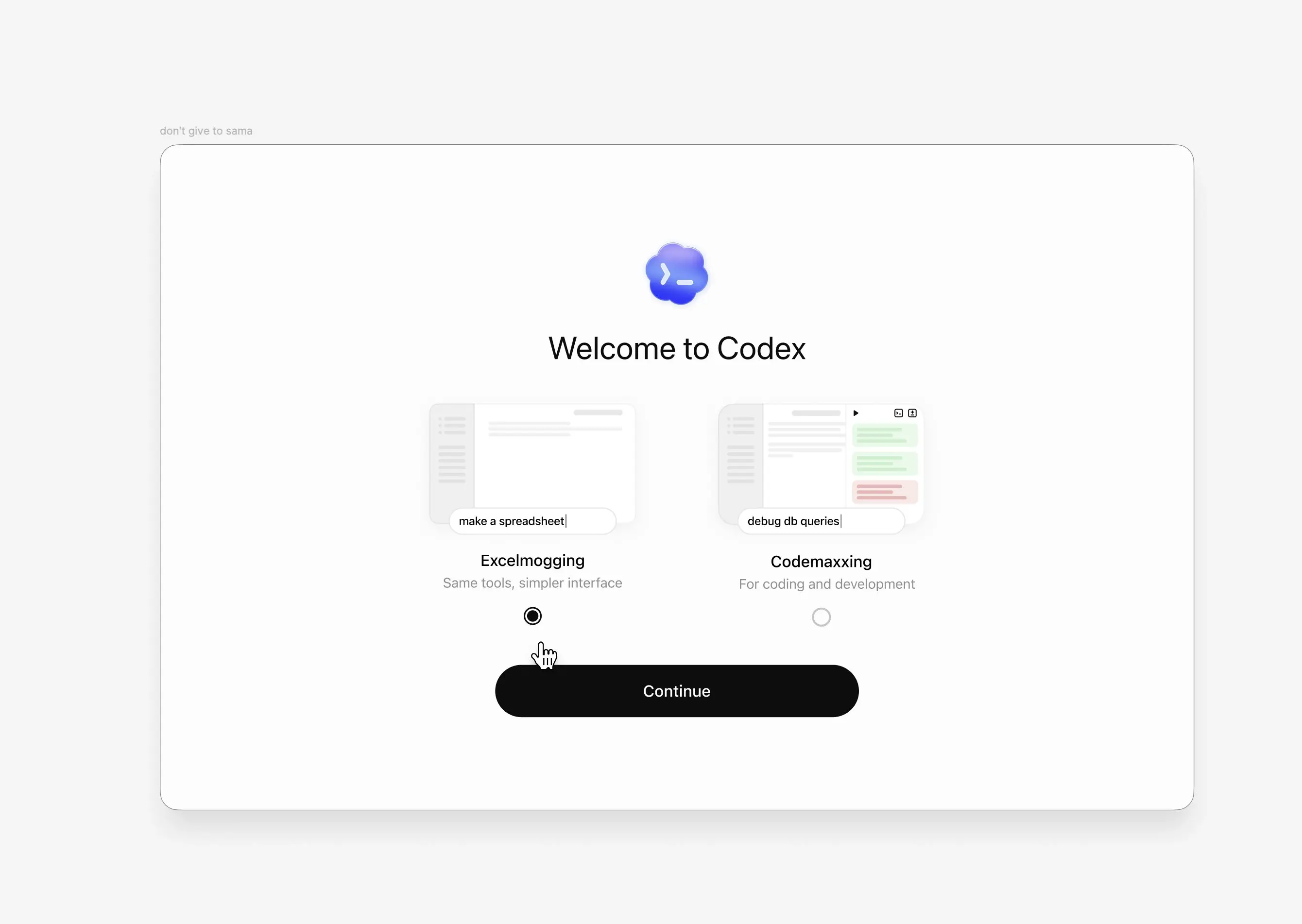
(Source: Sam Altman X)
According to the screenshot Sam Altman posted on X, Codex’s new onboarding interface will route users to two paths. In the “Excelmogging” mode, the interaction design is more streamlined, aimed at non-programmer users for everyday office scenarios. In the “Codemaxxing” mode, the original design centered on code generation and engineering tasks is retained, aimed at professional developers.
Sam Altman also said in another post on X: “I’m switching to polyphasic sleep because the GPT-5.5 in Codex is so outstanding that I can’t afford to sleep for long and end up delaying my work.”
OpenAI and NVIDIA Collaboration to Deploy Codex
According to Sam Altman’s public statement on X, OpenAI is working with NVIDIA to deploy Codex across the entire company. Altman said: “We’re collaborating with NVIDIA, and we tried a brand-new way to roll out Codex across the company. Seeing that it runs successfully is just amazing.”
According to NVIDIA’s public introduction, NVIDIA engineers have been using Codex applications powered by GPT-5.5 for several weeks and reported a significant improvement in productivity. This deployment is based on the NVIDIA GB200 NVL72 rack-scale architecture.
Industry Trend: Programming agents shifting to a dual-track mode
Based on publicly released product announcements from various companies, the adjustment to Codex’s interface is one of the industry trends in which programming-type AI tools are shifting to a dual-track mode. Anthropic has split its products into two lines: Claude Code (programming) and Co Work (everyday work). ByteDance’s TRAE Solo also sets up two work modes—programming and everyday office work.
Frequently Asked Questions
What are the two mode names and their positioning in the new Codex interface?
According to the screenshot Sam Altman posted on X, the “Excelmogging” mode is for everyday office scenarios and is positioned as a more streamlined interface. The “Codemaxxing” mode is for professional developers, focusing on code generation and engineering tasks.
In terms of Codex, what technical architectures are involved in the OpenAI–NVIDIA collaboration?
According to NVIDIA’s public introduction and Sam Altman’s statement, this collaboration uses NVIDIA GB200 NVL72 rack-scale architecture to deploy Codex. After NVIDIA engineers used Codex applications powered by GPT-5.5, they reported a significant improvement in productivity.
Besides OpenAI Codex, which other AI tools have also launched dual-track programming-and-office modes?
According to publicly released product information from various companies, Anthropic has divided its products into two lines: Claude Code (programming) and Co Work (everyday work). ByteDance’s TRAE Solo also sets up two work modes—programming and everyday office work.


