What is cryptocurrency staking and how can you earn from it
What Is Cryptocurrency Staking
Cryptocurrency staking is a widely used method for earning passive income on digital assets, giving coin holders the opportunity to generate consistent returns without engaging in active trading. In staking, users hold a set amount of cryptocurrency in their account, directly supporting the functionality and security of the project’s blockchain network. As compensation for their role in securing and operating the network, investors earn additional tokens as rewards.
Staking operates on the Proof-of-Stake (PoS) consensus algorithm, which is fundamentally different from traditional mining. Instead of relying on powerful computational hardware to solve complex mathematical problems, network participants lock their coins as collateral. The more coins a user stakes, the greater their chance of being selected to validate the next block of transactions.
Many investors regard staking as an efficient way to generate passive income, allowing cryptocurrency holdings to work and accrue profit—much like a bank deposit, but with the potential for higher yields.
It’s important to note that staking is not only an income-generating tool but also an essential mechanism for securing blockchain networks. Participants who stake their assets have an economic incentive to act honestly, since any fraudulent behavior may result in the loss of their locked funds.
Which Cryptocurrencies Can Be Staked
Only cryptocurrencies that use the Proof-of-Stake (PoS) algorithm or its modifications are suitable for staking. This approach to blockchain operation is considered more sustainable and energy efficient than traditional Proof-of-Work (PoW) mining, as it doesn’t require massive computational resources or excessive energy consumption.
The PoS algorithm functions as follows:
Participant balance analysis: The network continuously monitors token balances in staking accounts. Users who lock more coins have a higher probability of being selected to validate the next block of transactions.
Use of computational resources: When a user is chosen to create a new block, the system uses their device’s computational power to process and record transactions on the blockchain. Staking is only possible while the computer or device is powered on and connected to the network.
Reward distribution: After successfully validating a block, the participant receives a reward in new project tokens. The reward amount depends on several factors, such as the number of staked coins, total staking volume, and the project’s specific rules.
Process automation: Staking is fully automated and requires no ongoing involvement or specialized knowledge after the initial setup—the system operates independently.
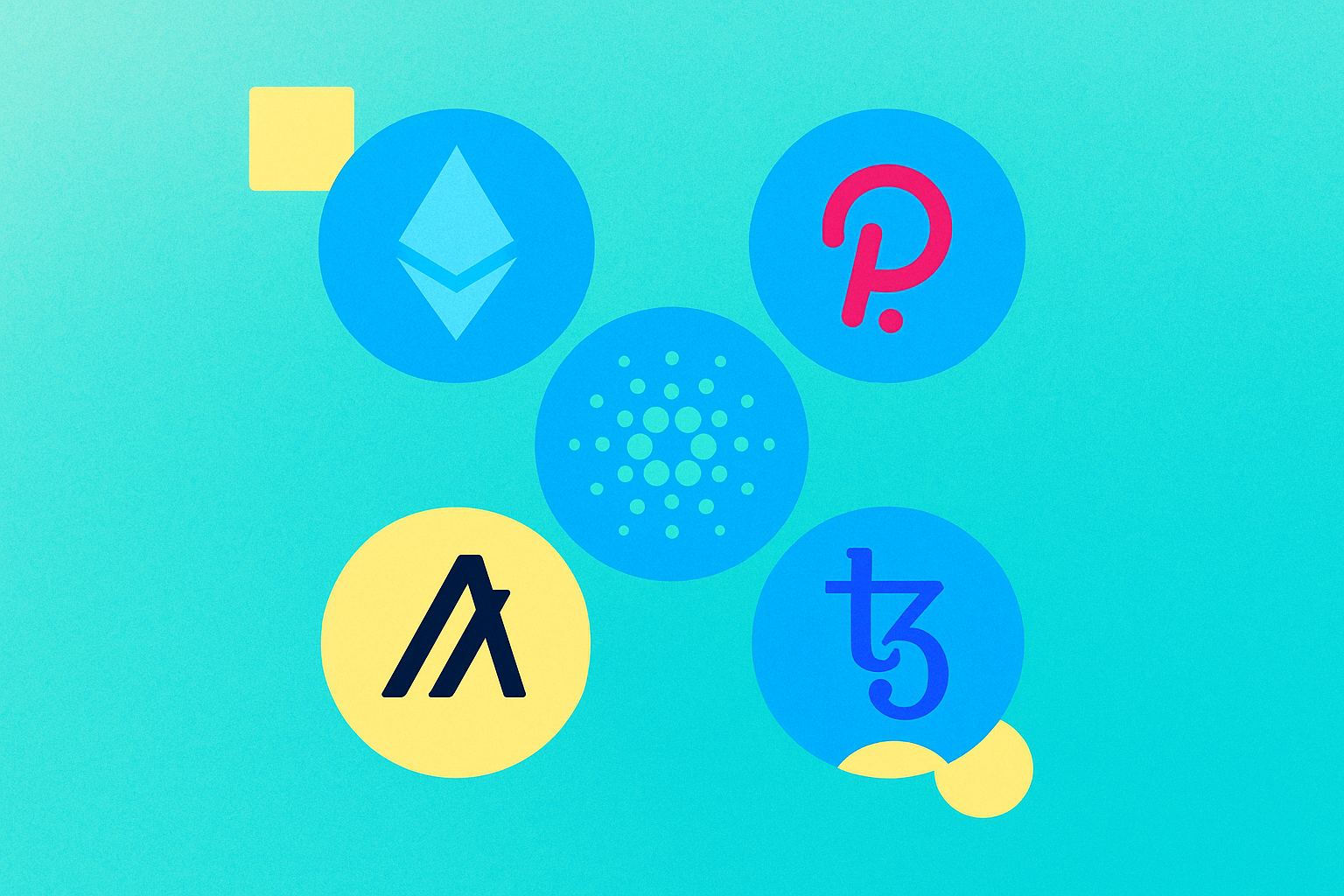
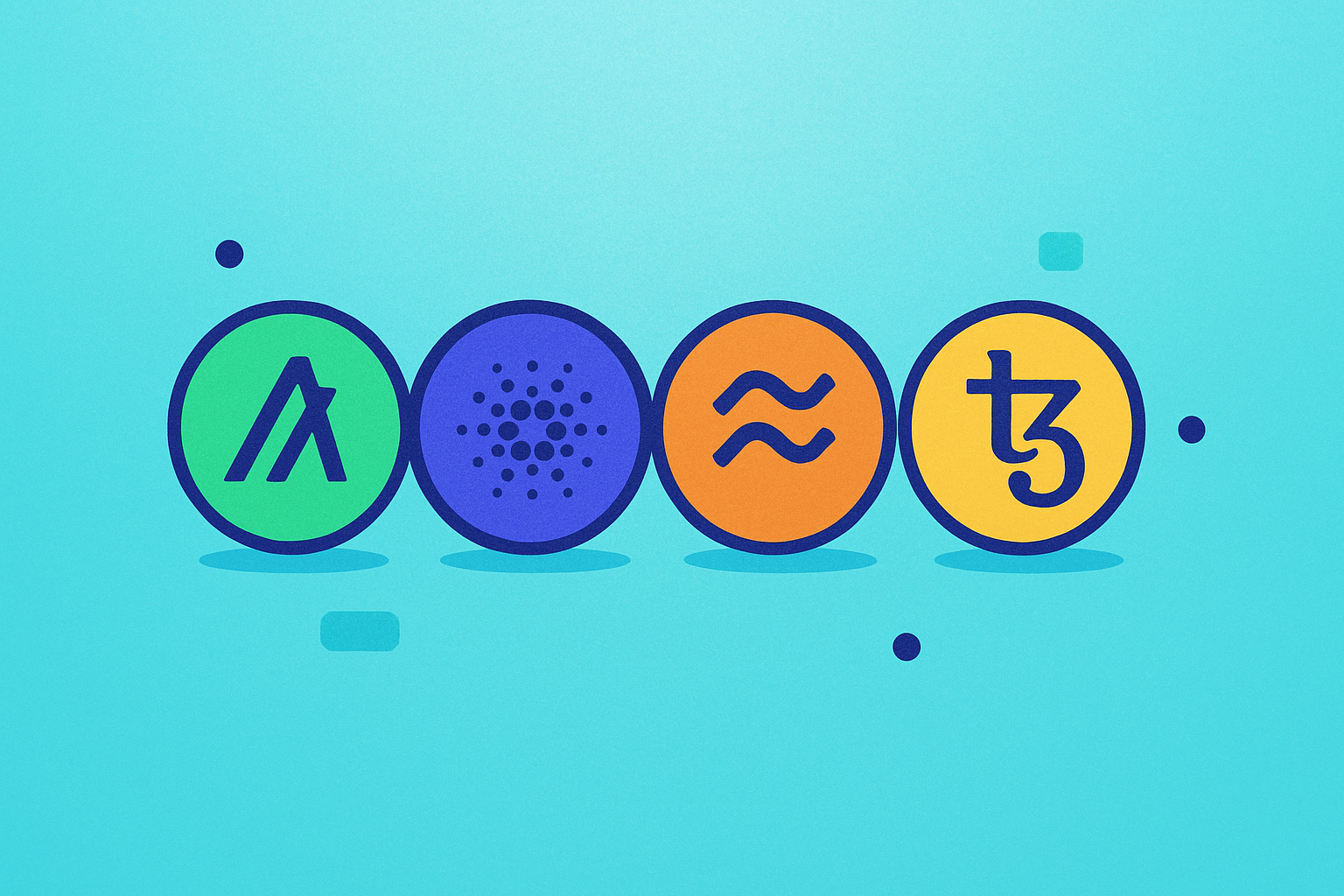
Leading cryptocurrencies that support staking include Ethereum (after its move to PoS), Cardano, Polkadot, Solana, Algorand, Tezos, and many others. Each network has unique requirements, minimum staking amounts, and reward distribution policies.
How to Earn From Cryptocurrency Staking
Getting started with staking is straightforward if you follow these steps:
Step 1: Choose a cryptocurrency Start by researching and selecting a project that supports staking. Review key characteristics such as technology, development team, roadmap, and current staking returns. Prioritize projects with strong reputations and active communities.
Step 2: Select a staking platform You can stake your coins using several methods:
- Official project wallets (typically offer the most favorable terms)
- Cryptocurrency exchanges (user-friendly for beginners but charge fees)
- Specialized staking service providers
- Hardware wallets with staking support (maximum security)
Each platform has its advantages and drawbacks. Exchanges provide a simple interface and low entry barriers but charge service fees. Official wallets tend to be fee-free but may require more technical proficiency.
Step 3: Buy and deposit cryptocurrency Once you’ve chosen a platform, buy the necessary tokens. Minimum staking amounts vary: some projects allow any amount, while others have higher requirements. Transfer your tokens to the selected wallet or platform and activate staking.
Step 4: Activate staking Most platforms offer an intuitive activation process with clear instructions. Typically, you just click “Start Staking” or “Lock Tokens.” After activation, your coins are locked for a set period, during which they generate rewards.
Reward payouts: In PoS networks, rewards are paid at intervals ranging from daily to monthly, depending on the project’s rules. Some networks issue rewards almost in real time, while others pay out monthly.
Keep in mind that your coins are locked for the staking period and cannot be sold or transferred. Make sure you are comfortable with freezing these funds for the required duration before you begin.
Best Cryptocurrencies for Staking
Algorand
Algorand is a leading staking project, thanks to its innovative Pure Proof-of-Stake technology and high transaction throughput. Its blockchain processes thousands of transactions per second, making it attractive to decentralized application developers.
To stake Algorand, download the official Algorand Wallet for iOS or Android. The wallet features an intuitive interface and robust security.
Staking is extremely simple: after transferring ALGO to your wallet, staking starts automatically—no extra action needed. The maximum staking yield can reach 6% annually. A unique feature is the high payout frequency—rewards are distributed about every nine minutes, so you can see your balance grow in near real time. Another advantage: there are no reward distribution fees.
Cardano
Cardano is among the most advanced blockchain projects, built on a scientific foundation and peer-reviewed research. It offers two ways to participate in staking: joining an existing pool or creating your own.
Most users find pool participation optimal, as it requires no technical expertise or large investments. Cardano staking yields up to 7% per year, appealing to long-term investors.
Cardano’s advantages include no minimum entry requirement and no lock-up period—users can withdraw ADA tokens at any time. To get started, purchase ADA and transfer it to the official Daedalus or lightweight Yoroi wallet, then choose a pool for delegation.
Polkadot
Polkadot is often called the “Ethereum killer” due to its revolutionary architecture enabling interoperability between blockchains. Its performance and scalability make it a top contender in the crypto industry.
The maximum staking yield for Polkadot can reach 16% per year—one of the highest among major projects. Actual returns depend on total staked tokens and may vary.
To stake, buy DOT and deposit it into a wallet or platform that supports Polkadot staking. The official wallet is Polkadot.js, with many major platforms also supporting DOT. Note the unbonding period, during which tokens remain locked after staking ends.
Tezos
Tezos is a pioneer in popularizing staking. Its standout feature is a self-amending blockchain mechanism that allows protocol upgrades without hard forks.
Tezos staking yields up to 6% annually. In Tezos, staking is called “baking” and participants are “bakers.” You can become a validator (requiring at least 8,000 XTZ) or delegate tokens to existing validators.
To start, buy XTZ and transfer it to a staking-compatible wallet or platform. Popular wallets include Temple Wallet, Kukai, and the official Tezos Wallet. A key benefit: no lock-up period, and you can change delegates or withdraw tokens at any time.
How Much Can You Earn From Cryptocurrency Staking
Staking stands out from traditional mining because it doesn’t require large investments in hardware, high energy costs, or ongoing maintenance. This makes it more accessible to regular investors.
Staking yields typically range from 2% to 15% per year, depending on the project and the amount staked. Some new or less established projects offer yields of 20–30% or more, but higher returns often mean higher risks.
Key factors affecting staking income:
Cryptocurrency selection: Each project sets unique reward policies. Large, established projects offer lower but more stable yields (5–10%), while new entrants may offer higher rates to attract users.
Total staked volume: As more users stake tokens, individual yields decrease since rewards are split proportionally.
Token inflation: Many projects issue new tokens for rewards, causing inflation and potentially lowering the token’s value. Factor this in when calculating real returns.
Platform fees: Using an exchange or third-party platform may incur fees of 5–25% on your rewards.
Example calculation: If you stake $10,000 at an 8% annual rate, you’ll earn about $800 in new tokens after one year. However, token prices may rise or fall, significantly impacting actual returns.
Cryptocurrency Staking on Exchanges and Alternative PoS Methods
In addition to official wallets, staking is available on many major asset exchanges and specialized platforms. These services simplify staking for users who value convenience over technical details.
Exchange staking:
Major trading platforms now offer staking, letting users earn on assets held at the exchange. Leading industry players provide staking for a wide range of cryptocurrencies.
For example, some top exchanges support staking for 20+ cryptocurrencies, with yields up to 16% per year for select projects. Key benefits of exchange staking include:
- Ease of use: No wallet setup or technical expertise required
- Low entry threshold: Start with small amounts
- Flexibility: Both fixed and flexible staking programs available
- Automatic reinvestment: Option to automatically restake rewards
However, exchanges charge service fees—typically 10–25% of rewards. Custody risk exists: assets on an exchange are exposed to technical failures and security breaches.
Staking providers:
Specialized staking providers focus exclusively on staking and often offer more favorable terms than exchanges. They curate top staking projects, analyze them, and offer convenient portfolio management tools.
Advantages of staking providers include:
- Staking expertise and specialization
- Frequently lower fees than exchanges
- Advanced portfolio management tools
- Support for a wider project range
Decentralized staking platforms:
Decentralized protocols allow staking without third-party custody, maximizing security and user control. These solutions may require advanced technical know-how.
Risks and Key Considerations for Cryptocurrency Staking
While passive income is attractive, staking carries several risks you should consider:
Volatility risk: Token prices can swing sharply. Even with 10% annual token returns, a 50% price drop can result in significant fiat losses.
Lock-up periods: Many projects require you to lock funds for a set time. During this period, you cannot sell tokens, even if the market declines.
Technical risks: Smart contract bugs or protocol errors can lead to losses.
Platform risks: Using exchanges or third-party services exposes you to hacking or insolvency risks.
Inflation pressure: Ongoing token issuance for rewards can inflate supply and reduce value.
To mitigate risks, you should:
- Diversify across projects
- Research each project thoroughly before investing
- Use only trusted, reputable platforms
- Avoid staking funds needed in the short term
- Regularly monitor your portfolio
Conclusion
Cryptocurrency staking is an accessible, straightforward way to earn passive income on digital assets—available to anyone, regardless of technical expertise.
Before staking, conduct thorough due diligence: analyze the project’s features, technology, and development outlook; review staking terms and reward structures; and evaluate real yields after fees and risks. Carefully select a reliable platform, whether it’s an official wallet, major exchange, or specialized provider.
Staking can be a powerful tool for long-term investors who believe in blockchain and are willing to hold assets for extended periods. However, it is not risk-free. Success depends on choosing the right projects and managing risk wisely.
Beginners should start with small amounts, gradually learning staking mechanics and project specifics. As you gain experience, you can expand your portfolio and experiment with different strategies to maximize returns.
FAQ
What is cryptocurrency staking and how is it different from mining?
Staking involves locking up cryptocurrencies to validate transactions through Proof of Stake. Unlike mining, staking is not energy intensive and offers a more environmentally friendly way to earn network rewards.
How do I start staking cryptocurrencies? How much capital do I need?
Choose a PoS coin (Ethereum, Cardano, Solana). Minimum requirements vary by platform—wallets or staking platforms often let you start with small amounts. Review the APR and lock-up terms before investing.
What risks are involved in staking cryptocurrencies? Is my principal safe?
Staking carries risks such as liquidity constraints, smart contract bugs, and market volatility. Your principal is safe with reputable validators, but penalties for violations and asset depreciation are possible.
Which cryptocurrencies support staking and what is the annual yield for each?
Leading staking coins include Ethereum, Solana, Polkadot, and Cardano. Annual yields typically are: Ethereum 3–4%, Solana 6–8%, Polkadot 12–20%, Cardano 4–6%. Rewards vary with network activity.
What happens to my stake if the price drops during staking? Can I withdraw funds at any time?
A price drop does not affect the number of staked tokens. You can’t withdraw early—you must wait until the staking period ends (usually 180 days). After that, funds become available for withdrawal.
What’s the difference between staking on an exchange and running your own validator node?
Exchange staking is managed by the platform—more accessible, but with lower rewards. Running your own validator node requires technical expertise and equipment but provides higher rewards and full control.
Are staking rewards taxable, and how should I handle taxes?
Yes, staking rewards are taxed as ordinary income. You must report all staking rewards on your tax return. Keep detailed records to ensure accurate reporting and avoid tax issues.
What is the typical staking lock-up period? What are the benefits of liquid staking?
Lock-up periods typically range from a few months to several years. The main benefit of liquid staking is that assets remain unlocked and liquid, so you can earn staking rewards while retaining flexibility.
Share
Content
What Is Cryptocurrency Staking
Which Cryptocurrencies Can Be Staked
How to Earn From Cryptocurrency Staking
Best Cryptocurrencies for Staking
How Much Can You Earn From Cryptocurrency Staking
Cryptocurrency Staking on Exchanges and Alternative PoS Methods
Risks and Key Considerations for Cryptocurrency Staking
Conclusion
FAQ
How to Buy Cryptocurrency


Trending Cryptocurrencies



Ethereum 2.0 in 2025: Staking, Scalability, and Environmental Impact

2025 best encryption staking platform recommendation: secure and profitable

How to Buy Crypto: A Step-by-Step Guide with Gate.com

Crypto Assets Stake Full Analysis: How to Earn Passive Income Through Tokens
MemeBox Price and Airdrop Guide 2025: What You Need to Know
Can AI Companions (AIC) Reach $0.2729 in Price Prediction?
Anonymity vs. Pseudonymity: Key Differences Explained
Cryptocurrency staking: What is it and how can you earn profits from it
Money-Making Games: Top 23 Projects for Earning
Can quantum computers break Bitcoin?

What is MEPAD: A Comprehensive Guide to Mobile Electronic Personal Assistant Devices