


Eric Trump: Traditional banks lobby to suppress stablecoins, revealing the low-interest deposit monopoly structure
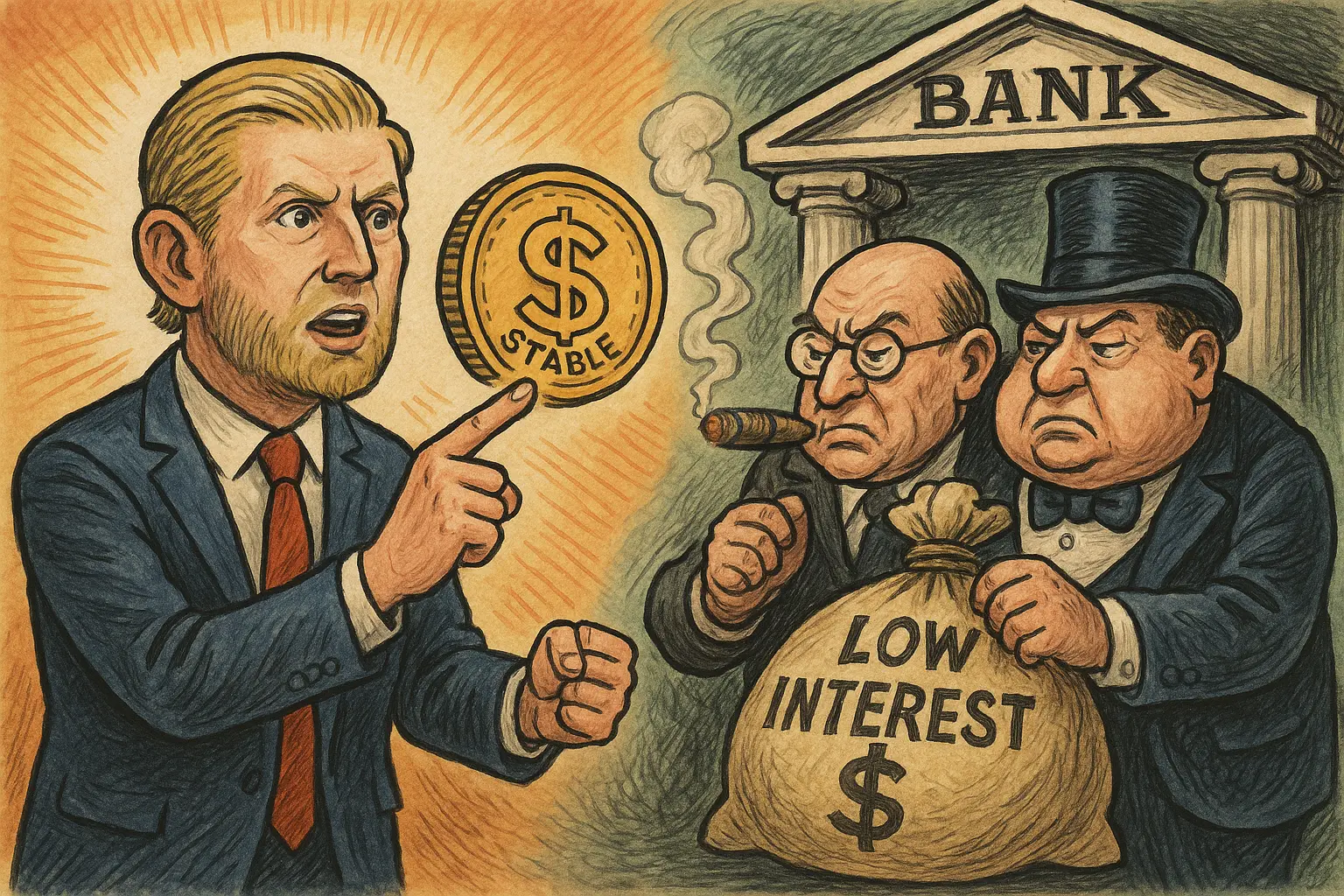
Donald Trump’s son Eric Trump posted on social platform X, accusing major financial institutions such as JPMorgan Chase, Bank of America, and Wells Fargo of spending millions of dollars through lobbying groups like the American Bankers Association (ABA) to try to block stablecoins and crypto platforms from offering annual yields of 4% to 5% or higher.
Data Foundation of Interest Rate Monopoly: What Are Banks Profiting From?
According to the latest data from the Federal Deposit Insurance Corporation (FDIC), the average annualized interest rate on savings accounts nationwide is about 0.45%, while many large banks’ basic account rates remain extremely low at 0.01% to 0.05%. Meanwhile, the Federal Reserve currently pays banks about 4.4% in reserve interest, creating a significant arbitrage space.
Eric Trump describes this structure as systemic exploitation: “Such a huge interest rate spread boosts bank profits, while almost no returns flow back to customers or ordinary savers.” He further points out that this structural advantage motivates the banking industry to actively lobby to suppress stablecoins before they pose a competitive threat to their deposit base.
Stablecoin Competition Threat: Who Offers 4-5% or Higher Annual Yields?
For traditional banks, the following stablecoins and tokenized asset products pose direct challenges:
- Coinbase USDC Rewards Program: Some projects offer about 4.7% annualized returns
- MakerDAO DAI Savings Rate (DSR): Recently around 5% annualized
- Ondo Finance and Franklin Templeton Tokenized Government Bonds: Annual yields between 4% and 5%, backed by short-term U.S. Treasuries
- Emerging Tokenized Government Bond Products: Some offer over 5% annualized returns, roughly comparable to current short-term government debt rates
These products’ underlying assets are mainly low-risk short-term U.S. Treasuries. Stablecoin issuers, to some extent, act as intermediaries for traditional bank deposits but return higher interest rates to users, creating structural competitive pressure on banks’ low-cost deposits.
CLARITY Bill Controversy: The Core Battleground of Stablecoin Regulation
Eric Trump directly names the ABA and related lobbying groups, accusing them of pushing provisions in the CLARITY bill that restrict stablecoins from offering yields, aiming to exclude competition under the guise of regulation. The crypto community believes that if these provisions pass, stablecoin issuers will be unable to directly distribute interest to users, effectively providing regulatory protection for traditional banks.
Supporters of increased regulation emphasize that these restrictions are necessary to prevent shadow banking risks and maintain financial stability. Currently, the global circulation of stablecoins exceeds $160 billion. If regulations allow issuers to directly distribute yields, it could fundamentally disrupt the low-cost deposit model that banks rely on. Eric Trump concludes his post by mentioning the Trump family’s decentralized finance project, World Liberty Financial, hinting at their active participation in this yield competition.
Frequently Asked Questions
Why is Eric Trump publicly criticizing large banks now?
This criticism has political and commercial motives. Politically, the Trump family has long-standing tensions with major banks; some institutions reportedly severed accounts and loans related to Trump after January 6, 2021. Commercially, the Trump family’s World Liberty Financial benefits directly from relaxed stablecoin regulations, and speaking out during this policy window aligns with their vested interests.
How does the CLARITY bill affect stablecoin yields?
The CLARITY bill is one of the key pieces of proposed U.S. crypto regulation. The controversy centers on provisions that may restrict stablecoin issuers from distributing interest or rewards to holders. Crypto supporters see this as protecting banks from competition; regulators argue it’s a necessary measure to prevent systemic risks.
Are stablecoin yields really more reliable than bank savings accounts?
While stablecoin yields are higher, they currently differ significantly from traditional bank deposits in terms of FDIC insurance, regulatory compliance, and liquidity guarantees. Investors should carefully assess platform risks, smart contract risks, and regulatory uncertainties when comparing yields.
Related Articles
Oil prices surge, interest rate cut expectations cool down! Circle benefits as the target price breaks $100
Trump promotes cryptocurrency regulatory framework, Bitcoin surges, driving crypto stocks higher across the board
The battle for stablecoin yields escalates: Eric Trump angrily criticizes banks as "anti-American," and crypto regulation bills stall.
U.S. banking industry strongly opposes Kraken's access to the Federal Reserve, Trump angrily accuses of obstructing crypto agenda
Trump officially submits to the Senate! Kevin Waugh is confirmed to succeed Powell as head of the Federal Reserve, previously praising "Bitcoin as the gold of the youth"
Trump officially nominates Federal Reserve Chair candidate! Woz: Bitcoin is the new gold